Agencia Peruana de Noticias PRENSAPERU.PE https://www.prensaperu.pe Twitter: @prensaperupe El término Pisco es una pieza fundamental de la identidad peruana, que se extiende más allá de la bebida que lo hace famoso: es el nombre de un pueblo, un río, un valle y un puerto. Proveniente de tiempos prehispánicos, es un legado que ha perdurado a lo largo de los siglos y se transmite a las futuras generaciones como símbolo de nuestra herencia cultural.
Esta bebida nacional es un producto mestizo de excepcional valor histórico, creado en el siglo XVI gracias a la colaboración de los indígenas de las regiones de Ica, Lima, Arequipa, Moquegua y Tacna —las únicas zonas pisqueras del mundo reconocidas oficialmente. Los nativos peruanos, en sus chacras incaicas, adoptaron el cultivo de la vid introducido por los españoles y, juntos, comenzaron a elaborar vino y aguardiente. Es precisamente esa singularidad que le dio origen al nombre “Pisco”, que distingue a este aguardiente de cualquier otro en el mundo.
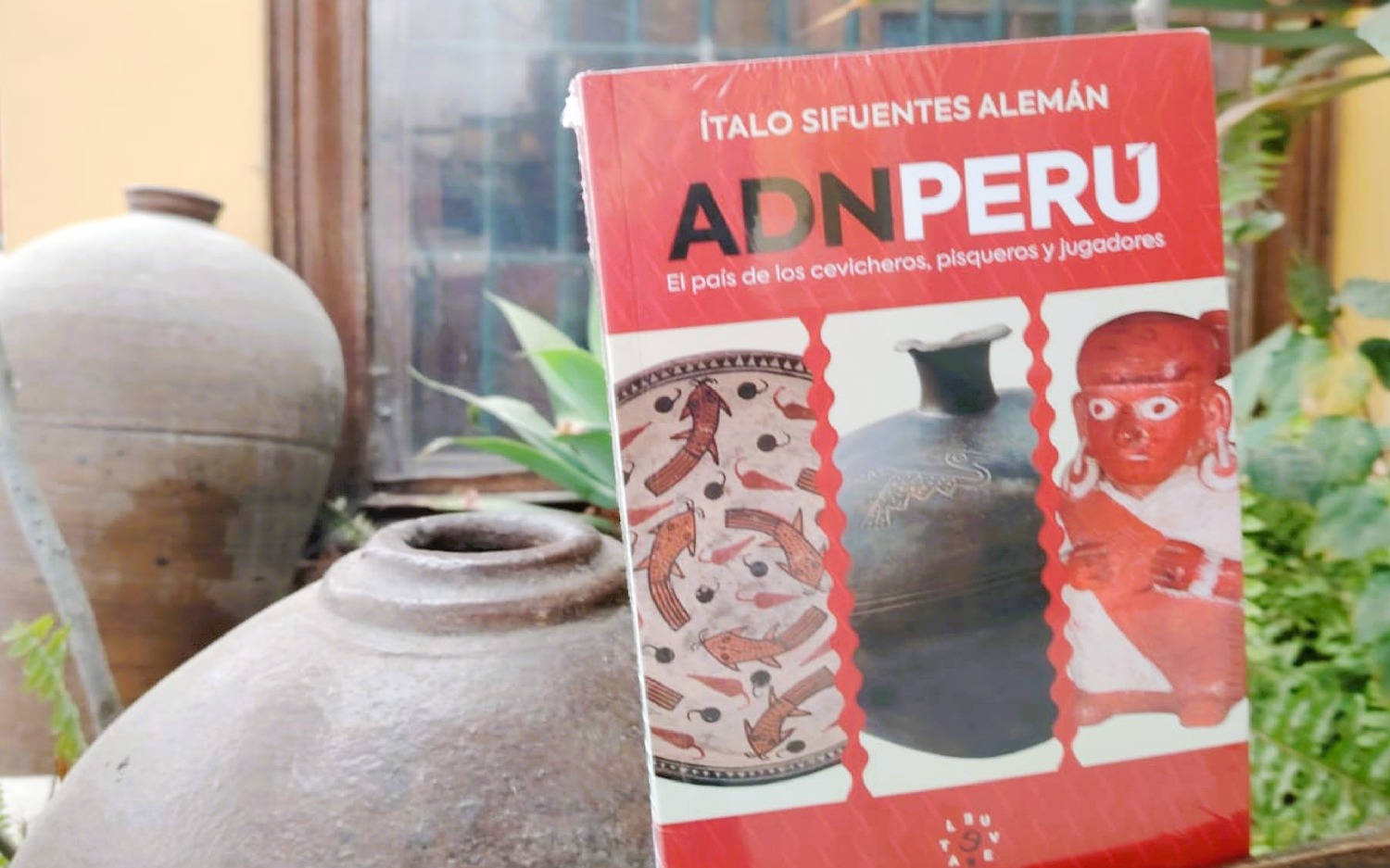
Todo este conocimiento y más se consigna en “ADN PERÚ, el país de los pisqueros”, una obra del periodista y escritor Ítalo Sifuentes Alemán (Lima, 1965) que suma más de 500 páginas de investigación realizada durante más de diez años. El libro despeja toda duda respecto a la peruanidad del Pisco, trazando una cronología que comienza en el siglo XV, época en que gobernaban Pachacútec y luego el Inca Túpac Yupanqui. En ese entonces, los pueblos quechuablantes —cuya lengua fue expandida por los incas por casi toda Sudamérica— llamaban “piscu” a un ave, y ese término ancestral se convirtió en el nombre que hoy conocemos, formando parte del diccionario español junto a decenas de palabras quechuas.
Entre los hallazgos más relevantes del libro se destaca el papel de los botijeros peruanos, herederos de técnicas preincas e incas en la fabricación de recipientes de barro pegado con brea. Estos artesanos contribuyeron decisivamente al despegue de la industria vitivinícola, ya que el vino y el Pisco no habrían podido sobrevivir ni expandirse sin las conocidas “botijas peruleras” o “botijas de Pisco”. Dichos recipientes figuran en decenas de registros de embarques que, durante siglos, llevaron la bebida peruana a países como Chile, Colombia, España, Estados Unidos, Gran Bretaña y Francia, entre otros, que siguen siendo consumidores fieles hasta el día de hoy. Tal es la calidad del Pisco peruano que, a lo largo de los años, ha sido objeto de múltiples intentos de imitación y usurpación de su nombre.
CONCLUSIONES
1.- El Pisco es un legado multicultural y prehispánico: Su origen se enraíza en la fusión de conocimientos indígenas y españoles, y su nombre proviene de la lengua quechua, lo que confirma su naturaleza inherentemente peruana.
2.- La obra “ADN PERÚ” es una fuente autoritativa: Con más de una década de investigación, despeja cualquier duda sobre la peruanidad del Pisco y revela detalles fundamentales sobre su historia, producción y expansión mundial.
3.- La artesanía y la industria se complementan: Los botijeros peruanos desempeñaron un papel crucial en la consolidación del Pisco como producto exportable, demostrando que la tradición artesanal es parte integral del éxito de la bebida nacional.
Fuente: Agencia Peruana de Noticias PRENSAPERU.PE https://www.prensaperu.pe Twitter: @prensaperupe

English Translation
Pisco: Beyond the Drink, a Centuries-Old Peruvian Legacy, ADN PERÚ Research Recognized in the Libraries of Harvard and Yale.
Peruvian News Agency PRENSAPERU.PE https://www.prensaperu.pe Twitter: @prensaperupe The term Pisco is a fundamental piece of Peruvian identity, extending far beyond the drink that made it famous: it is the name of a town, a river, a valley, and a port. Originating in pre-Hispanic times, it is a legacy that has endured throughout the centuries and is passed on to future generations as a symbol of our cultural heritage.
This national drink is a mestizo product of exceptional historical value, created in the 16th century thanks to the collaboration of the indigenous people of the Ica, Lima, Arequipa, Moquegua, and Tacna regions—the only officially recognized pisco-producing areas in the world. The native Peruvians, on their Inca farms, adopted the cultivation of the vine introduced by the Spanish and, together, began to produce wine and brandy. It is precisely this unique characteristic that gave rise to the name “Pisco,” which distinguishes this brandy from any other in the world.
All this knowledge and more is compiled in “ADN PERÚ, el país de los pisqueros” (Peruvian DNA, the Land of Pisco Producers), a work by journalist and writer Ítalo Sifuentes Alemán (Lima, 1965) comprising over 500 pages of research conducted over more than ten years. The book dispels any doubt regarding the Peruvian origin of Pisco, tracing a chronology that begins in the 15th century, the era of Pachacuti and later the Inca Túpac Yupanqui. At that time, the Quechua-speaking peoples—whose language was spread by the Incas throughout almost all of South America—called a bird “piscu,” and this ancestral term became the name we know today, forming part of the Spanish dictionary alongside dozens of Quechua words.
Among the book’s most significant findings is the role of Peruvian botijeros, heirs to pre-Incan and Incan techniques in the manufacture of clay vessels sealed with pitch. These artisans contributed decisively to the rise of the wine industry, as wine and Pisco could not have survived or expanded without the well-known “Peruvian botijas” or “Pisco botijas.” These vessels appear in dozens of shipping records that, for centuries, carried the Peruvian spirit to countries such as Chile, Colombia, Spain, the United States, Great Britain, and France, among others, which remain loyal consumers to this day. Such is the quality of Peruvian Pisco that, over the years, it has been the target of numerous attempts at imitation and usurpation of its name.
CONCLUSIONS
1.- Pisco is a multicultural and pre-Hispanic legacy: Its origins are rooted in the fusion of indigenous and Spanish knowledge, and its name comes from the Quechua language, confirming its inherently Peruvian nature.
2.- The book “ADN PERÚ” is an authoritative source: With over a decade of research, it dispels any doubt about Pisco’s Peruvian origin and reveals fundamental details about its history, production, and global expansion.
3.- Craftsmanship and industry complement each other: Peruvian clay potters played a crucial role in consolidating Pisco as an exportable product, demonstrating that artisanal tradition is an integral part of the national drink’s success.
Source: Peruvian News Agency PRENSAPERU.PE https://www.prensaperu.pe Twitter: @prensaperupe