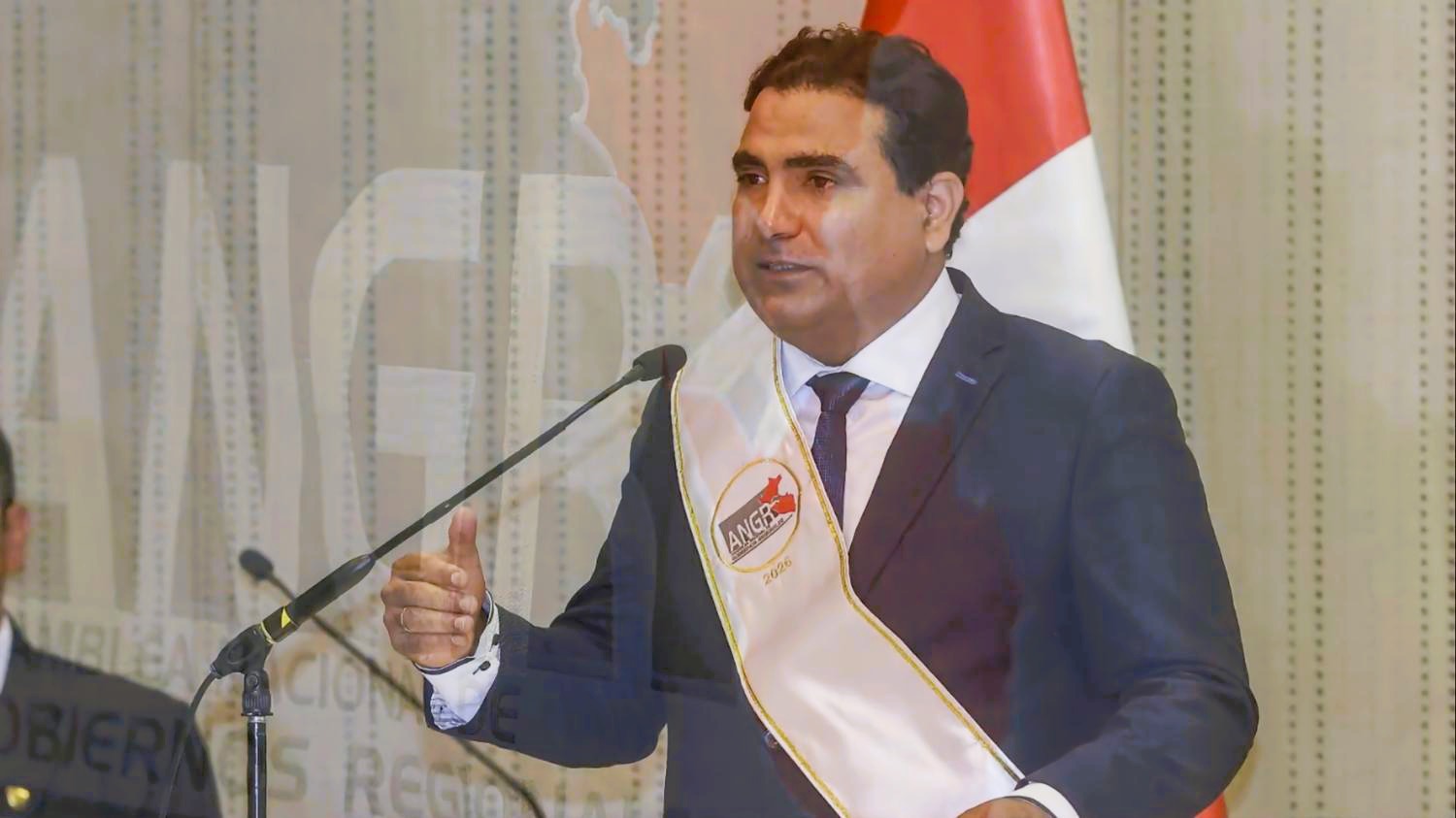
Agencia Peruana de Noticias PRENSAPERU.PE https://www.prensaperu.pe Twitter: @prensaperupe El gobernador regional de Piura, Luis Neyra León, asumió sus funciones en la Asociación Nacional de Gobiernos Regionales del Perú (ANGR) tras ser elegido de manera unánime, destacando la cohesión entre las autoridades regionales del país. En su discurso de posesión, enfatizó la necesidad de priorizar la seguridad ciudadana y trabajar en coordinación con el gobierno central para ejecutar proyectos pendientes de más de dos décadas.
En materia de seguridad, Neyra León indicó que se cuentan con flotas vehiculares nuevas y proyectos importantes en marcha, pero que es fundamental invertir en inteligencia policial, complementada con la de las Fuerzas Armadas. Recordó que esta propuesta ya fue planteada anteriormente por el actual vicepresidente y ex gobernador de Madre de Dios en los primeros Consejos de Estado Regional, resaltando que “sin seguridad ciudadana no hay desarrollo común”.
Asimismo, ratificó el compromiso de colaboración con el gobierno central, solicitando el cumplimiento de los compromisos adquiridos para la ejecución de proyectos en todas las regiones. Reconoció que se trata de un gobierno de transición, pero aseguró que este año se sentarán las bases para construir un mejor país en los próximos años.
La elección unánime fue destacada por el nuevo autoridad como un ejemplo de la unidad entre gobernadores y gobernadoras regionales, tanto en la gestión presupuestal como en el ámbito humano. Finalizó su discurso con un mensaje contundente: “Estamos cumpliendo, estamos cumpliendo carajos por el país”.
Junto al nuevo titular de la Asamblea Nacional de Gobiernos Regionales (ANGR) lo acompañan en la junta directiva Jorge Luis Pérez (Lambayeque), Julia Gutiérrez (Moquegua), Segismundo Cruces (Tumbes), Rosa Vásquez (Lima), Jorge Hurtado (Ica) y Antonio Pulgar (Huánuco).
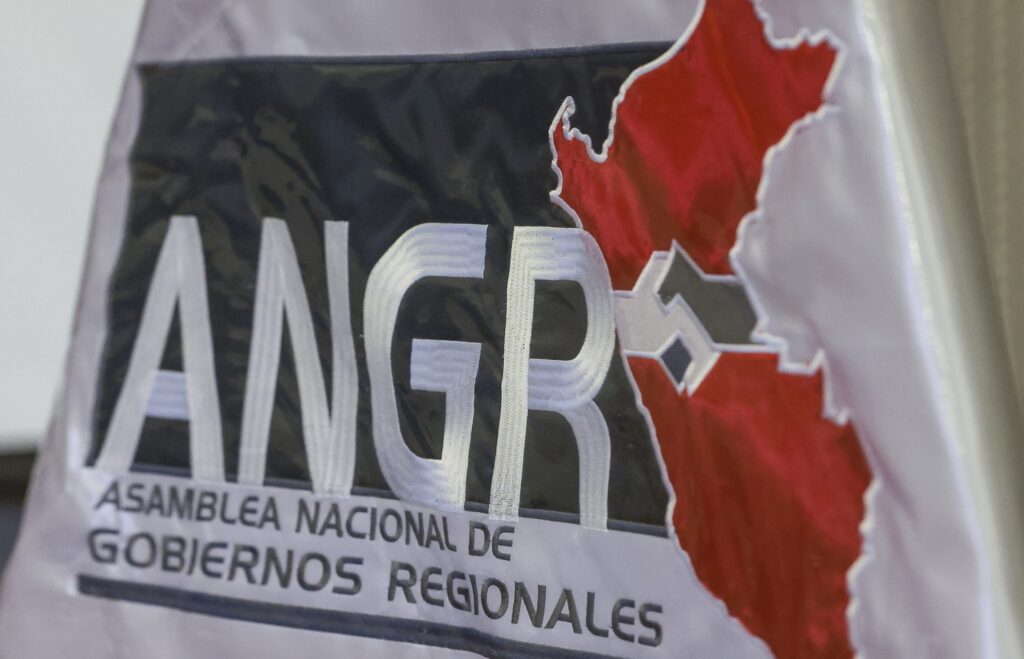
La ANGR, creada en 2006, es un organismo coordinador que agrupa a los 25 gobernadores regionales del país, con el objetivo de impulsar la descentralización, el buen gobierno y la articulación entre los niveles de gobierno, así como proponer iniciativas para el desarrollo regional integral sostenible, según lo establecido en la Ley Orgánica de Gobiernos Regionales (N° 27867).
RETOS POR CONSOLIDAR EN LA ANGR
1.- Representación multirregional: La composición de la junta directiva incluye gobernantes de regiones del norte, centro y sur del país, lo que refleja un intento de equilibrar los intereses territoriales y fortalecer la cohesión entre distintas zonas económicas y sociales.
2.- Continuidad y cambio en la gestión: Luis Neyra, abogado y exasesor municipal, llega con experiencia en gestión pública regional (asume la gobernación de Piura desde 2023) para impulsar la agenda de descentralización, mientras que la salida de Koki Noriega, quien destacó la importancia de sectores como la minería y el turismo en Áncash, marca un cambio en el liderazgo de la entidad.
3. Retos institucionales y de gestión: La entidad enfrenta la tarea de optimizar la coordinación con el poder ejecutivo y legislativo, así como de acelerar la implementación de proyectos regionales, superando barreras burocráticas y garantizando la transparencia en la gestión de recursos.
Fuente: Agencia Peruana de Noticias PRENSAPERU.PE https://www.prensaperu.pe Twitter: @prensaperupe
English Translation
From Piura to All of Peru: “Piura Governor Luis Neyra León Elected President of the National Assembly of Regional Governments (ANGR)”.
Peruvian News Agency PRENSAPERU.PE https://www.prensaperu.pe Twitter: @prensaperupe The regional governor of Piura, Luis Neyra León, assumed his duties at the National Association of Regional Governments of Peru (ANGR) after being unanimously elected, highlighting the cohesion among the country’s regional authorities. In his inaugural address, he emphasized the need to prioritize citizen security and work in coordination with the central government to implement projects that have been pending for more than two decades.
Regarding security, Neyra León indicated that there are new vehicle fleets and important projects underway, but that it is essential to invest in police intelligence, complemented by that of the Armed Forces. He recalled that this proposal had already been put forward previously by the current vice president and former governor of Madre de Dios in the first Regional State Councils, highlighting that “without citizen security there is no common development”.
He also reaffirmed his commitment to collaboration with the central government, requesting the fulfillment of commitments made for the execution of projects in all regions. He acknowledged that this is a transitional government, but assured that this year the foundations will be laid for building a better country in the coming years.
The unanimous election was highlighted by the new authority as an example of unity among regional governors, both in budget management and in the human sphere. He concluded his speech with a powerful message: “We are delivering, we are delivering damn well for the country.”
The new head of the National Assembly of Regional Governments (ANGR) is joined on the board by Jorge Luis Pérez (Lambayeque), Julia Gutiérrez (Moquegua), Segismundo Cruces (Tumbes), Rosa Vásquez (Lima), Jorge Hurtado (Ica), and Antonio Pulgar (Huánuco).
The National Association of Regional Governments (ANGR), created in 2006, is a coordinating body that brings together the country’s 25 regional governors. Its objective is to promote decentralization, good governance, and coordination among the different levels of government, as well as to propose initiatives for comprehensive and sustainable regional development, as established in the Organic Law of Regional Governments (No. 27867).
CHALLENGES TO CONSOLIDATE WITHIN THE ANGR
1.- Multiregional Representation: The composition of the board of directors includes governors from the northern, central, and southern regions of the country, reflecting an effort to balance territorial interests and strengthen cohesion among different economic and social zones.
2.- Continuity and change in management: Luis Neyra, a lawyer and former municipal advisor, brings experience in regional public management (he will assume the governorship of Piura in 2023) to promote the decentralization agenda, while the departure of Koki Noriega, who highlighted the importance of sectors such as mining and tourism in Áncash, marks a change in the entity’s leadership.
3.- Institutional and Management Challenges: The entity faces the task of optimizing coordination with the executive and legislative branches, as well as accelerating the implementation of regional projects, overcoming bureaucratic barriers and ensuring transparency in resource management.
Source: Peruvian News Agency PRENSAPERU.PE https://www.prensaperu.pe Twitter: @prensaperupe