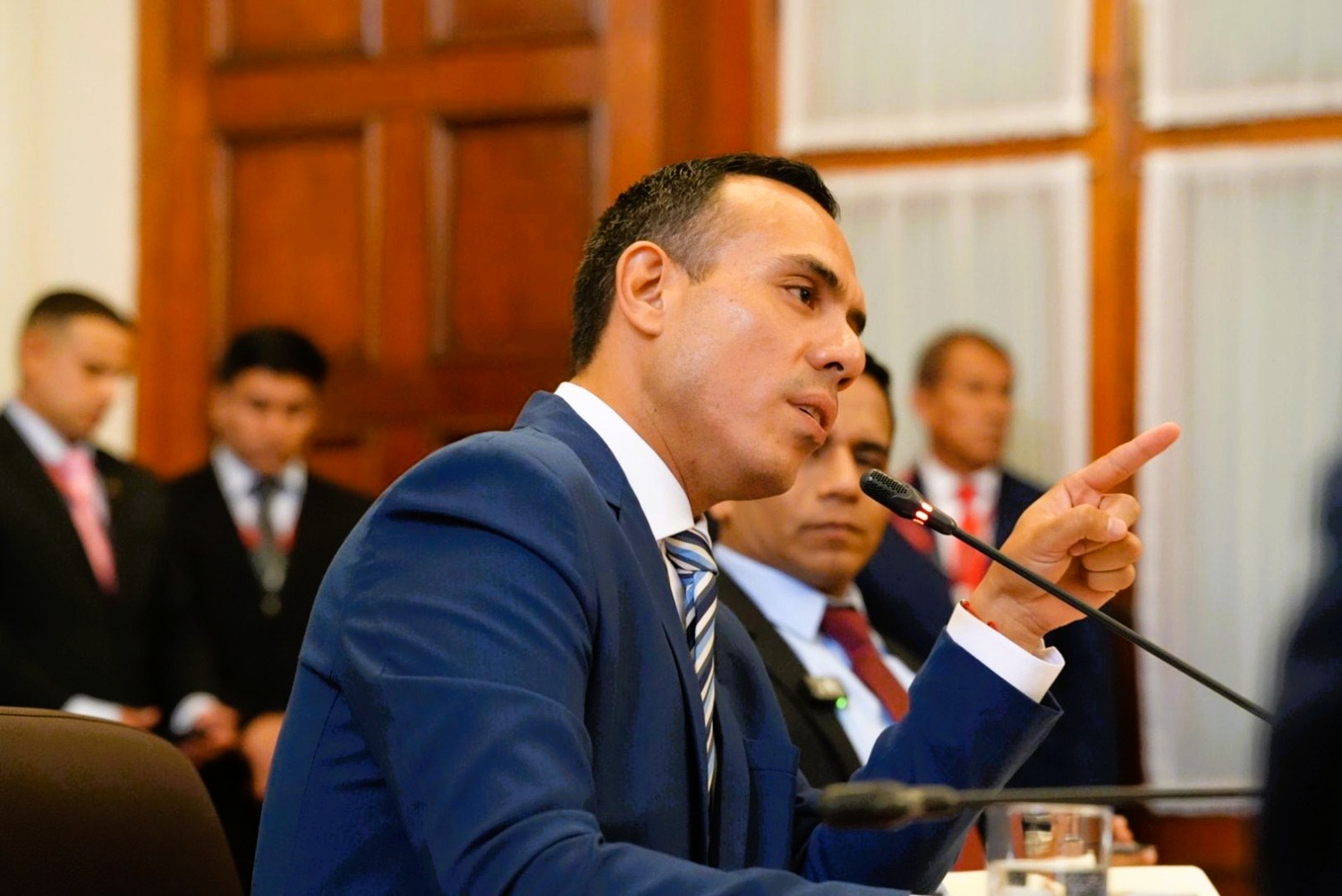
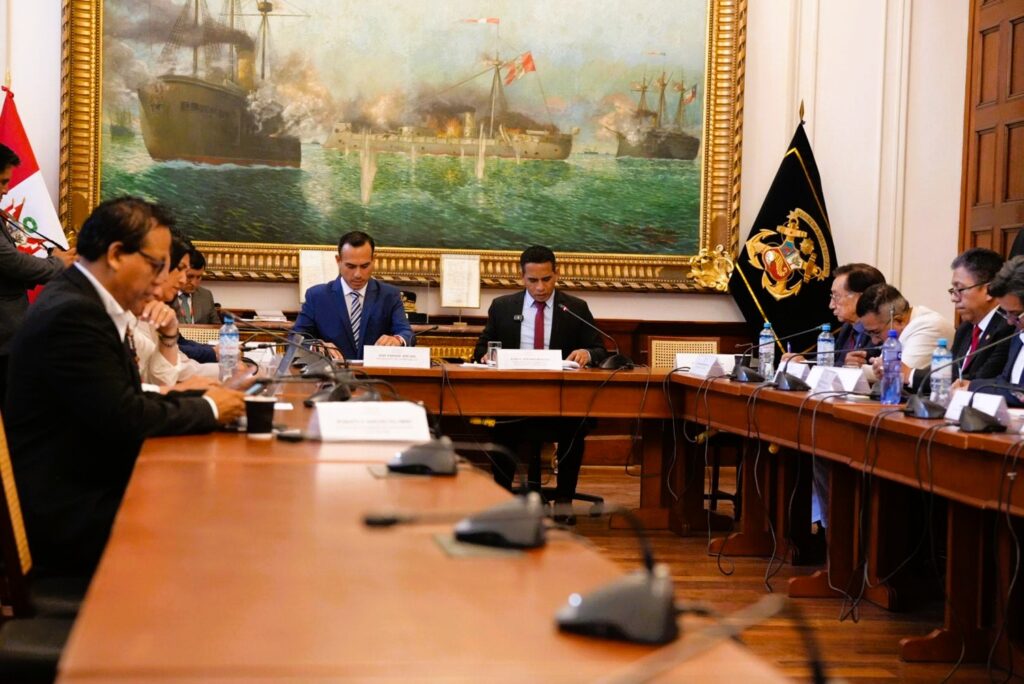
Agencia Peruana de Noticias PRENSAPERU.PE https://www.prensaperu.pe Twitter: @prensaperupe En horas de la tarde del 21 de enero de 2026, el presidente José Jerí se presentó ante la Comisión de Fiscalización y Controlaría del Congreso de la República para dar cuenta de reuniones no registradas con el empresario chino Zhihua Yang y la presencia en el Palacio de Gobierno de Ji Wu Xiaodong, quien cuenta con una orden de arresto domiciliario. Aunque reconoció algunos “errores” formales, su intervención se caracterizó por vueltas argumentales, negaciones categóricas sin sustento claro y un intento de maquillar hechos cuestionables, mientras desviaba la atención hacia una supuesta conspiración política. La respuesta ha sido calificada por sectores como “confusa y poco convincente”, y ha generado más dudas que certezas sobre la transparencia de su gestión.
VACÍOS Y CONTRADICCIONES EN LAS DECLARACIONES
Sobre la reunión del 26 de diciembre con Zhihua Yang
Cambio de versión: Inicialmente, Jerí aseguró que el encuentro fue “circunstancial y privado”, pero posteriormente reconoció que organizó la cita e invitó al ministro del Interior, además de acudir con escolta presidencial. Esta inconsistencia plantea dudas sobre si se trató realmente de un evento sin relevancia institucional o de un encuentro que buscó ocultarse de los registros oficiales.
Justificación del “disfraz”: Reconoció que ingresar encapuchado y con anteojos oscuros fue un error, pero lo atribuyó a la necesidad de evitar disturbios. Sin embargo, no explicó por qué se utilizaron estas medidas si el encuentro era público y acompañado por autoridades de seguridad.
Temas tratados: Aunque afirmó que solo se hablaron del Día de la Amistad Perú-China y una invitación a viajar a China, no proporcionó detalles sobre quiénes otros asistieron, si hubo documentos o acuerdos verbales, ni por qué el encuentro no fue registrado en el portal de transparencia del Estado.
Otras visitas al chifa: Mencionó que había acudido al mismo local el 3 y 9 de diciembre, pero no explicó por qué estas visitas tampoco fueron registradas ni por qué solo se difundieron las imágenes del 26 de diciembre. Esta afirmación parece más una tentativa de minimizar el hecho que de aclarar la situación.
Sobre la visita a Market Capón el 6 de enero
Ignorancia de la clausura: Aseguró que no había indicios visibles de que el local estuviera cerrado por la municipalidad de Lima, pero registros muestran que la clausura se realizó horas antes y que había elementos públicos que lo indicaban. Su justificación de ir a comprar “caramelos y cuadros” resulta poco creíble, especialmente considerando que el establecimiento está vinculado a Zhihua Yang.
Sobre Ji Wu Xiaodong y filtros de seguridad
Contradicción en la versión: En una entrevista previa, afirmó que Xiaodong solo estuvo “sirviendo comida” durante una reunión y formaba parte del personal de Yang, pero registros oficiales indican que ingresó tres veces al Palacio de Gobierno. Aunque reconoció fallas en los filtros de seguridad, no aceptó responsabilidad alguna y atribuyó el problema a “años anteriores”, sin proponer medidas concretas ni nombrar responsables.
Sobre la supuesta intencionalidad política
Falta de evidencia: Acusó que los hechos están siendo distorsionados para “desestabilizar el país y alterar el proceso electoral”, pero no presentó ninguna prueba sobre quién estaría detrás de esta supuesta conspiración. Esta estrategia parece dirigida a generar empatía en su favor y desviar la atención de los interrogantes pendientes.
ERRORES JUSTIFICADOS Y MAQUILLADOS
Reconocimiento parcial: Aunque admitió algunos errores formales (como la forma de ingresar al chifa o la falta de registro), no aceptó responsabilidad por las consecuencias de sus actos ni por el daño a la confianza ciudadana. En cambio, intentó justificarlos como parte de un comportamiento “igual al que tenía cuando era congresista”, lo cual no es aplicable al cargo presidencial, que requiere mayores estándares de transparencia y rendición de cuentas.
Minimización de hechos: Los encuentros con empresarios investigados o con vínculos a casos de corrupción son tratados como “actividades comunes”, mientras que la importancia de la transparencia y el cumplimiento de la ley es relegada a un segundo plano.
Comparación con antecesores: Lamentó ser comparado con Pedro Castillo y Dina Boluarte, pero no abordó por qué su gestión está enfrentando similares cuestionamientos sobre transparencia y ética. Esta afirmación parece más una tentativa de ganar simpatía que de responder a los reclamos.
REACCIONES CRÍTICAS
Oposición congresual: Legisladores como Ruth Luque han señalado que el presidente “intenta restar importancia a las reuniones y está intentando ganar tiempo”, mientras que Segundo Montalvo ha exhortado a respaldar la moción de vacancia, afirmando que “es lamentable que un presidente vaya encapuchado para ir a comer”.
Sector empresarial: Perucámaras ha calificado las explicaciones de Jerí de “confusas y poco convincentes”, y ha llamado al Congreso a evaluar si se mantiene la confianza en el mandatario o si es necesario abrir un proceso de transición constitucional.
Opinión pública: Las encuestas preliminares muestran una caída significativa en la aprobación del presidente, con un alto porcentaje de ciudadanos que considera que no ha sido transparente y que debería rendir cuentas por sus actos.
CONCLUSIONES
1.- Las declaraciones no aclaran los interrogantes clave: El presidente ha dejado sin responder preguntas fundamentales sobre el origen, los objetivos y los acuerdos de las reuniones con empresarios chinos, así como sobre la presencia de personas investigadas en el Palacio de Gobierno.
2.- Estrategia de desviación de responsabilidades: La acusación de un supuesto complot político sin evidencia alguna parece ser una táctica para evitar enfrentar los problemas de transparencia y ética que enfrenta su gestión.
3.- Errores maquillados y justificados: Aunque reconoce algunos errores formales, no acepta responsabilidad alguna ni propone medidas concretas para evitar que se repitan, lo que demuestra una falta de compromiso con la rendición de cuentas.
4.- Confianza ciudadana erosionada: Las contradicciones y la falta de claridad en sus declaraciones han generado una pérdida significativa de confianza en su gestión, lo que pone en riesgo la estabilidad institucional del país a pocos meses de las elecciones generales.
5.- Necesidad de una investigación profunda: Es fundamental que el Congreso continúe con la investigación y exija al presidente información detallada y evidencia sobre los hechos, para garantizar la transparencia y el cumplimiento de la ley.
Fuente: Agencia Peruana de Noticias PRENSAPERU.PE https://www.prensaperu.pe Twitter: @prensaperupe
English Translation
Statements by José Jerí Before Congress: “Gaps, Contradictions, and a ‘Cover-Up’ Strategy in the Face of the Acting President’s Crooked Conduct.”
Peruvian News Agency PRENSAPERU.PE https://www.prensaperu.pe Twitter: @prensaperupe On the afternoon of January 21, 2026, President José Jerí appeared before the Oversight and Control Committee of the Congress of the Republic to report on unregistered meetings with Chinese businessman Zhihua Yang and the presence at the Government Palace of Ji Wu Xiaodong, who is under house arrest. Although he acknowledged some formal “errors,” his presentation was characterized by convoluted arguments, categorical denials without clear support, and an attempt to cover up questionable facts, while diverting attention to an alleged political conspiracy. The response has been described by some as “confusing and unconvincing,” and has raised more questions than answers about the transparency of his administration.
GAPS AND CONTRADICTIONS IN THE STATEMENTS
Regarding the December 26 meeting with Zhihua Yang
Change of story: Initially, Jerí claimed the meeting was “circumstantial and private,” but later admitted to organizing the meeting and inviting the Minister of the Interior, in addition to attending with a presidential escort. This inconsistency raises doubts about whether it was truly an event of no institutional significance or a meeting intended to be hidden from official records.
Justification for the “disguise”: He acknowledged that entering hooded and wearing dark glasses was a mistake, but attributed it to the need to avoid disturbances. However, he did not explain why these measures were used if the meeting was public and accompanied by security authorities.
Topics discussed: Although he stated that they only discussed Peru-China Friendship Day and an invitation to travel to China, he did not provide details about who else attended, whether there were any documents or verbal agreements, or why the meeting was not registered on the State’s transparency portal.
Other visits to the Chinese restaurant: He mentioned that he had visited the same establishment on December 3rd and 9th, but did not explain why these visits were also not recorded, nor why only the images from December 26th were released. This statement seems more like an attempt to downplay the incident than to clarify the situation.
Regarding the visit to Market Capón on January 6th
Ignorance of the closure: He claimed there were no visible signs that the establishment had been closed by the Municipality of Lima, but records show that the closure had occurred hours earlier and that there were public signs indicating this. His justification of going to buy “candy and paintings” is hardly credible, especially considering that the establishment is linked to Zhihua Yang.
Regarding Ji Wu Xiaodong and security checkpoints
Contradiction in the story: In a previous interview, he claimed that Xiaodong was only “serving food” during a meeting and was part of Yang’s staff, but official records indicate that he entered the Government Palace three times. Although he acknowledged security lapses, he did not accept any responsibility and attributed the problem to “previous years,” without proposing concrete measures or naming those responsible.
On the alleged political motivation
Lack of evidence: He accused the government of distorting the facts to “destabilize the country and disrupt the electoral process,” but he presented no evidence as to who might be behind this alleged conspiracy. This strategy appears aimed at generating sympathy in his favor and diverting attention from the outstanding questions.
JUSTIFIED AND COVERED-UP ERRORS
Partial Acknowledgment: Although he admitted to some formal errors (such as the way he entered the Chinese restaurant or the lack of registration), he did not accept responsibility for the consequences of his actions or for the damage to public trust. Instead, he tried to justify them as part of behavior “similar to what he exhibited when he was a congressman,” which is not applicable to the presidential office, which requires higher standards of transparency and accountability.
Minimization of Facts: Meetings with businesspeople under investigation or with links to corruption cases are treated as “common activities,” while the importance of transparency and compliance with the law is relegated to a secondary position.
Comparison with Predecessors: He lamented being compared to Pedro Castillo and Dina Boluarte, but did not address why his administration is facing similar questions about transparency and ethics. This statement seems more like an attempt to gain sympathy than to respond to the demands.
CRITICAL REACTIONS
Congressional opposition: Legislators like Ruth Luque have indicated that the president “is trying to downplay the meetings and is trying to buy time,” while Segundo Montalvo has urged support for the impeachment motion, stating that “it is regrettable that a president goes to lunch wearing a hood.”
Business sector: Perucámaras has described Jerí’s explanations as “confusing and unconvincing,” and has called on Congress to evaluate whether confidence in the president should be maintained or if it is necessary to initiate a constitutional transition process.
Public opinion: Preliminary polls show a significant drop in the president’s approval rating, with a high percentage of citizens believing he has not been transparent and should be held accountable for his actions.
CONCLUSIONS
1.- The statements do not clarify key questions: The president has left fundamental questions unanswered regarding the origin, objectives, and agreements of the meetings with Chinese businesspeople, as well as the presence of individuals under investigation at the Government Palace.
2.- Strategy of Deflecting Responsibility: The accusation of an alleged political conspiracy without any evidence appears to be a tactic to avoid confronting the transparency and ethics problems facing his administration.
3.-Covered-Up and Justified Errors: Although he acknowledges some formal errors, he does not accept any responsibility nor propose concrete measures to prevent their recurrence, demonstrating a lack of commitment to accountability.
4.- Eroded Public Trust: The contradictions and lack of clarity in his statements have generated a significant loss of confidence in his administration, jeopardizing the country’s institutional stability just months before the general elections.
5.- Need for a Thorough Investigation: It is essential that Congress continue the investigation and demand detailed information and evidence from the president regarding the events, to guarantee transparency and compliance with the law.
Source: Peruvian News Agency PRENSAPERU.PE https://www.prensaperu.pe Twitter: @prensaperupe