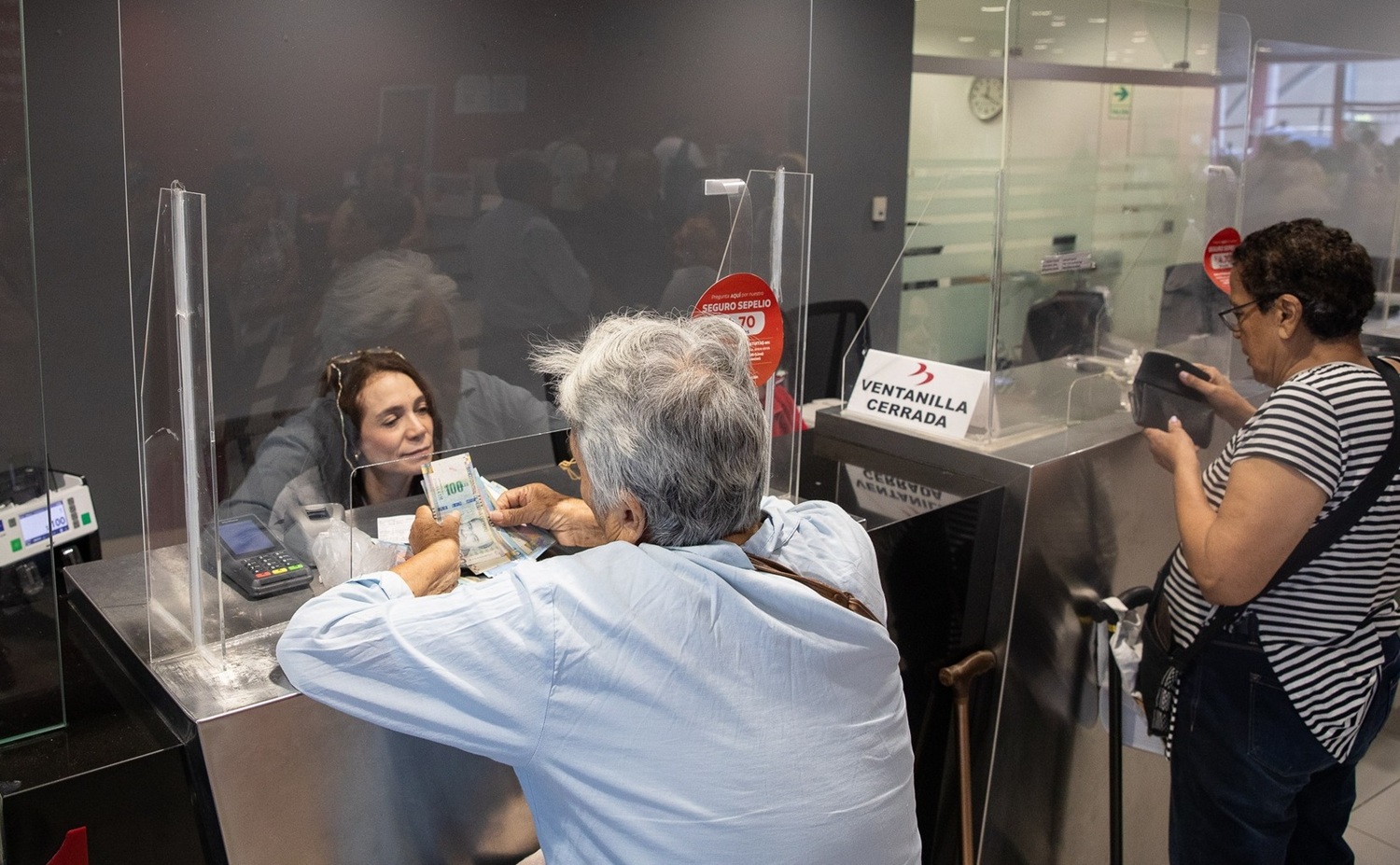
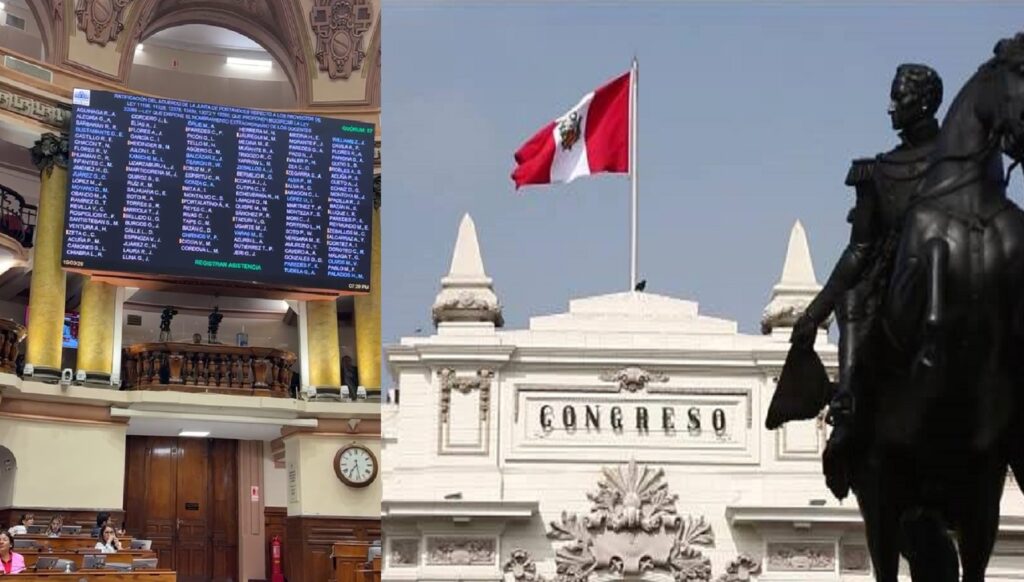
Agencia Peruana de Noticias PRENSAPERU.PE https://www.prensaperu.pe Twitter: @prensaperupe El Pleno del Congreso de la República del Perú dio un paso trascendental en materia de protección social para el sector educativo, al aprobar por insistencia la autógrafa de los proyectos de ley 3864, 4786, 8911 y otros relacionados que eleva las pensiones de maestros jubilados y cesantes a S/ 3300. La votación resultó en 82 votos a favor, cero en contra y tres abstenciones, lo que refleja un amplio consenso político alrededor de la medida. La norma había sido previamente observada por el Poder Ejecutivo, un procedimiento que se produce cuando el Ejecutivo considera que algún aspecto del proyecto requiere ajustes o análisis adicional; sin embargo, el Congreso decidió ratificar su aprobación mediante el mecanismo de la insistencia, previsto en el artículo 139 de la Constitución Política del Perú.
¿QUÉ BUSCA LA LEY?
La principal finalidad de la norma es garantizar el pago de pensiones para la protección y seguridad social de los maestros jubilados y cesantes del Perú.
Conceptos clave definidos:
Pensión: Es un ingreso periódico y permanente que se otorga a una persona después de haber cumplido con un período de servicio o edad establecida, con el fin de asegurar su sostenimiento económico en la etapa post-laboral.
Seguridad social: Conjunto de medidas, políticas y servicios que el Estado o instituciones reconocidas brindan a la población para protegerla contra riesgos sociales como la vejez, enfermedad, desempleo o invalidez; busca asegurar un nivel de vida digno para todos los ciudadanos.
Maestros cesantes: Profesionales del magisterio que, sin haber alcanzado la edad de jubilación, se encuentran temporal o permanentemente fuera del ejercicio de su cargo por causas permitidas por la normativa laboral, como situaciones de enfermedad prolongada, reestructuración de planteles o otros motivos establecidos en la ley.
BENEFICIARIOS Y MONTO DE LA PENSIÓN
Según la propuesta, los beneficiarios serán los maestros jubilados y cesantes de la Carrera Pública Magisterial (CPM).
Conceptos clave definidos:
Carrera Pública Magisterial: Es el conjunto de cargos y funciones correspondientes al personal docente y directivo del sistema educativo público peruano, regulado por normativas específicas que establecen sus derechos, deberes, condiciones de servicio, escalas salariales y mecanismos de promoción. Fue creada para profesionalizar el magisterio y asegurar la estabilidad del personal educativo.
Remuneración Íntegra Mensual (RIM): Es el monto total del ingreso mensual que percibe un trabajador, que incluye el sueldo básico más adicionales, bonificaciones y otros componentes establecidos por la normativa laboral o contractual correspondiente. En el caso de la primera escala magisterial, se refiere al nivel salarial inicial para docentes en activo, que se convertirá en el referente para el cálculo de las pensiones.
Los beneficiarios recibirán una pensión equivalente a la RIM de la primera escala magisterial, con el objetivo explícito de asegurar que este sector obtenga un ingreso adecuado que cubra sus necesidades básicas (alimentación, vivienda, vestimenta, salud y educación) y les permita un nivel de vida digno, concepto que se alinea con los estándares internacionales de derechos humanos, que reconocen el derecho a vivir sin pobreza ni vulnerabilidad económica.
ALCANCE DE LA MEDIDA
La ley alcanza a diversos grupos de docentes jubilados, entre ellos:
Maestros de educación básica regular: Nivel educativo que comprende la educación inicial, primaria y secundaria, dirigida a niños y adolescentes de 3 a 17 años aproximadamente.
Maestros de educación alternativa: Modalidad educativa diseñada para personas que no pudieron acceder o continuar sus estudios en el sistema regular, adaptándose a sus necesidades y condiciones de vida.
Maestros de educación especial: Enseñanza dirigida a personas con discapacidades o necesidades educativas especiales, que requiere estrategias, recursos y personal capacitado para asegurar su desarrollo integral.
Maestros de educación técnico-productiva: Formación que combina conocimientos académicos con habilidades prácticas en áreas productivas, preparando a los estudiantes para el mundo del trabajo.
Normativas que regulan a los beneficiarios:
Decreto Ley 19990: Normativa que establece el régimen de jubilaciones y pensiones para el personal docente del sector público, aprobada en 1972.
Decreto Ley 20530: Regula el régimen de seguridad social para el personal de la educación, incluyendo aspectos de salud y pensiones, aprobado en 1974.
Ley 29944: Ley que modifica y actualiza disposiciones sobre el régimen de pensiones del magisterio, aprobada en 2012.
Sistema Privado de Pensiones (SPP): Es un sistema de pensiones administrado por entidades privadas (Administradoras de Fondos de Pensiones – AFP), en el que los trabajadores aportan una parte de su sueldo a una cuenta individual, y el monto de la pensión depende de los aportes realizados y los rendimientos obtenidos. Los maestros afiliados a este sistema también serán contemplados en la medida.
El monto exacto de la pensión será establecido por el Ministerio de Economía y Finanzas (MEF) en coordinación con el Ministerio de Educación (MINEDU), entidades que definirán los lineamientos técnicos y los mecanismos de financiamiento de la medida.
SUSTENTACIÓN DE LA PROPUESTA
La sustentación de la iniciativa estuvo a cargo de la vicepresidenta de la Comisión de Economía del Congreso, la congresista Ana Zegarra Saboya (banca Somos Perú), quien destacó la relevancia del rol de los docentes en el desarrollo nacional.
“De esta manera podemos ofrecer a nuestros docentes una mejora de calidad de vida y son responsables de la conducción y formación de más de 6 millones de estudiantes públicos”, señaló la congresista.
Este dato es relevante, ya que el sistema educativo público peruano atiende a la gran mayoría de los estudiantes del país, lo que confirma el impacto que tiene el magisterio en la formación de nuevas generaciones y, por ende, en el desarrollo social y económico del Perú.
CONCLUSIONES
1- La aprobación de la ley representa un reconocimiento estatal al aporte del magisterio peruano, ya que busca corregir la insuficiencia de ingresos en la etapa post-laboral de los docentes, garantizando condiciones de vida dignas después de años de servicio en la educación pública.
2- El amplio consenso político reflejado en la votación (82 votos a favor, 0 en contra) demuestra que la protección social de los maestros es un tema de interés nacional, superando diferencias partidarias para beneficio de un sector clave para el desarrollo del país.
3- El alcance de la medida es amplio, ya que incluye a docentes de diversos niveles educativos y regímenes de pensiones (público y privado), asegurando que no se deje fuera a ningún grupo de maestros jubilados o cesantes de la Carrera Pública Magisterial.
4- Aunque la ley establece el referente salarial (RIM de la primera escala magisterial), es fundamental que el MEF y el MINEDU definan con celeridad el monto exacto y los mecanismos de financiamiento, para que los beneficiarios puedan acceder a la pensión sin demoras y se asegure la sostenibilidad de la medida a largo plazo.
Fuente: Agencia Peruana de Noticias PRENSAPERU.PE https://www.prensaperu.pe Twitter: @prensaperupe
Translate
Congress approves law guaranteeing decent pensions to retired and unemployed teachers for S/ 3300, the vote was 82 in favor and zero against.
Peruvian News Agency PRENSAPERU.PE https://www.prensaperu.pe Twitter: @prensaperupe The Plenary Session of the Congress of the Republic of Peru took a significant step forward in social protection for the education sector by approving, by overriding the veto, the bills 3864, 4786, 8911, and other related bills, which raise pensions for retired and former teachers to S/ 3,300. The vote resulted in 82 votes in favor, none against, and three abstentions, reflecting broad political consensus around the measure. The legislation had been previously reviewed by the Executive Branch, a procedure that occurs when the Executive believes that some aspect of the bill requires adjustments or further analysis; however, Congress decided to ratify its approval through the overriding veto mechanism, provided for in Article 139 of the Political Constitution of Peru.
WHAT DOES THE LAW SEEK?
The main purpose of the regulation is to guarantee the payment of pensions for the social protection and security of retired and inactive teachers in Peru.
Defined key concepts:
Pension: A periodic and permanent income granted to a person after having completed an established period of service or age, to ensure their economic support in the post-employment stage.
Social security: A set of measures, policies, and services provided by the State or recognized institutions to the population to protect them against social risks such as old age, illness, unemployment, or disability; it aims to ensure a decent standard of living for all citizens.
Inactive teachers: Education professionals who, having not reached retirement age, are temporarily or permanently out of work for reasons permitted by labor regulations, such as prolonged illness, school restructuring, or other reasons established by law.
BENEFICIARIES AND PENSION AMOUNT
According to the proposal, beneficiaries will be retired and inactive teachers of the Teaching Public Service Career (Carrera Pública Magisterial – CPM).
Defined key concepts:
Teaching Public Service Career (CPM): The set of positions and functions corresponding to teaching and administrative staff of the Peruvian public education system, regulated by specific regulations that establish their rights, duties, service conditions, salary scales, and promotion mechanisms. It was created to professionalize teaching and ensure the stability of education staff.
Monthly Integrated Remuneration (RIM – Remuneración Íntegra Mensual): The total amount of monthly income received by a worker, which includes the basic salary plus supplements, bonuses, and other components established by the corresponding labor or contractual regulations. In the case of the first teaching scale, it refers to the initial salary level for active teachers, which will serve as the reference for calculating pensions.
Beneficiaries will receive a pension equivalent to the RIM of the first teaching scale, with the explicit aim of ensuring that this sector obtains adequate income to cover their basic needs (food, housing, clothing, health, and education) and allows them a decent standard of living, a concept aligned with international human rights standards that recognize the right to live free from poverty and economic vulnerability.
SCOPE OF THE MEASURE
The law covers various groups of retired teachers, including:
Teachers in regular basic education: The educational level that includes early childhood, primary, and secondary education, aimed at children and adolescents approximately 3 to 17 years of age.
Teachers in alternative education: An educational modality designed for people who were unable to access or continue their studies in the regular system, adapting to their needs and living conditions.
Teachers in special education: Education aimed at people with disabilities or special educational needs, which requires strategies, resources, and trained staff to ensure their comprehensive development.
Teachers in technical-productive education: Training that combines academic knowledge with practical skills in productive areas, preparing students for the world of work.
Regulations governing beneficiaries:
Decree Law 19990: Regulation that establishes the pension system for teaching staff in the public sector, approved in 1972.
Decree Law 20530: Governs the social security system for education staff, including health and pension aspects, approved in 1974.
Law 29944: Law that modifies and updates provisions on the teaching pension system, approved in 2012.
Private Pension System (SPP – Sistema Privado de Pensiones): A pension system administered by private entities (Pension Fund Administrators – AFP), in which workers contribute a portion of their salary to an individual account, and the pension amount depends on the contributions made and the returns obtained. Teachers affiliated with this system will also be covered by the measure.
The exact amount of the pension will be established by the Ministry of Economy and Finance (MEF) in coordination with the Ministry of Education (MINEDU), the entities that will define the technical guidelines and financing mechanisms for the measure.
PRESENTATION OF THE PROPOSAL
The initiative was presented by the Vice President of the Congressional Economic Commission, Congresswoman Ana Zegarra Saboya (Somos Perú caucus), who highlighted the relevance of teachers’ role in national development.
“In this way, we can offer our teachers an improvement in their quality of life, and they are responsible for guiding and educating more than 6 million public school students,” stated the congresswoman.
This data is relevant because Peru’s public education system serves the majority of the country’s students, which confirms the impact that teaching has on the training of new generations and, therefore, on Peru’s social and economic development.
CONCLUSIONS
1- The approval of the law represents state recognition of the contribution of Peruvian teachers, as it seeks to correct income inadequacy in the post-employment stage of educators, guaranteeing dignified living conditions after years of service in public education.
2- The broad political consensus reflected in the vote (82 votes in favor, 0 against) demonstrates that social protection for teachers is a matter of national interest, overcoming partisan differences for the benefit of a key sector for the country’s development.
3- The scope of the measure is broad, as it includes teachers from various educational levels and pension schemes (public and private), ensuring that no group of retired or inactive teachers from the Teaching Public Service Career is left out.
4- Although the law establishes the salary reference (RIM of the first teaching scale), it is essential that MEF and MINEDU promptly define the exact amount and financing mechanisms so that beneficiaries can access the pension without delay and the long-term sustainability of the measure is ensured.
Source: Peruvian News Agency PRENSAPERU.PE https://www.prensaperu.pe Twitter: @prensaperupe