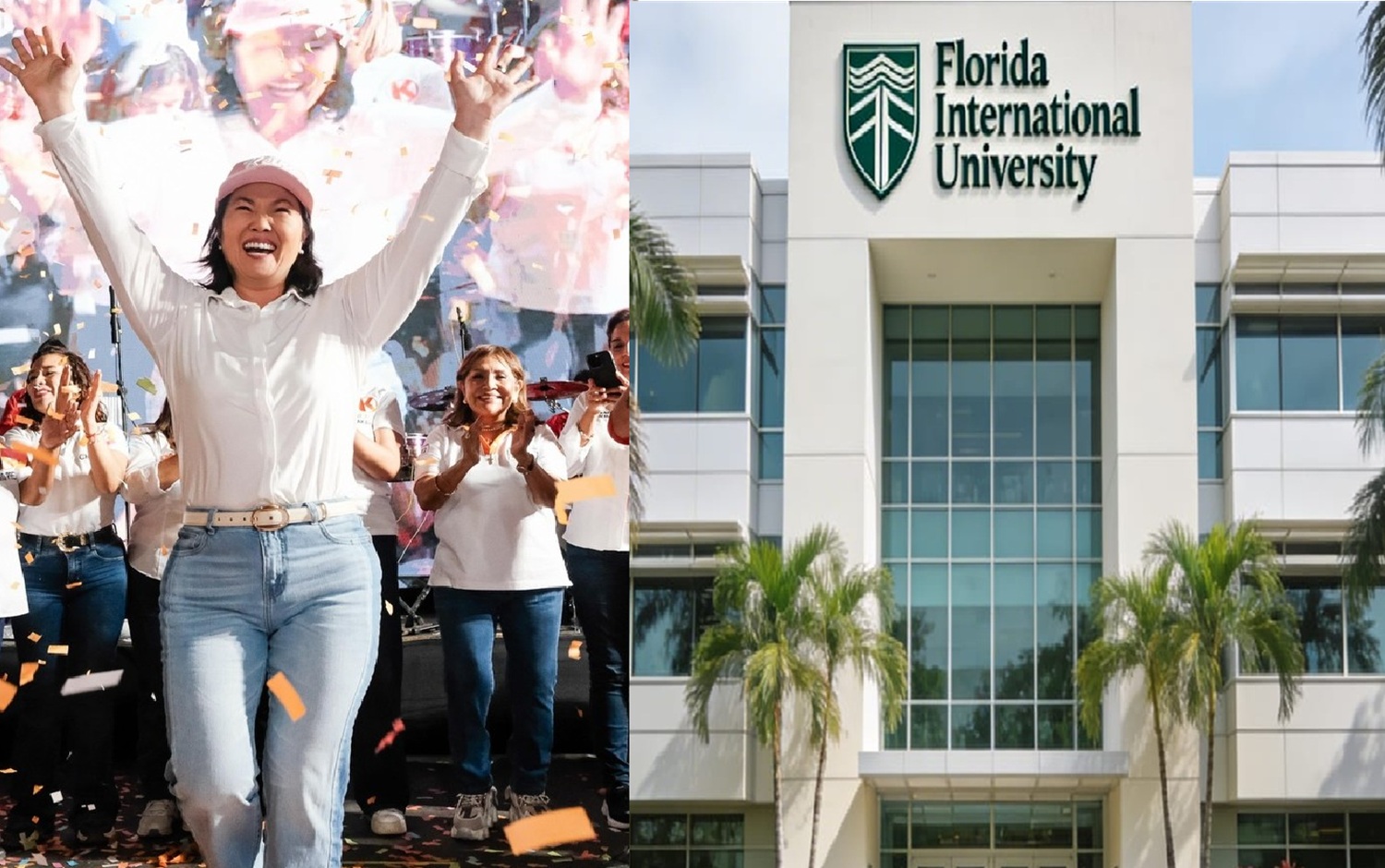
Agencia Peruana de Noticias PRENSAPERU.PE https://www.prensaperu.pe Twitter: @prensaperupe En la víspera de una nueva contienda electoral que definirá el destino presidencial del Perú, la figura de la candidata Keiko Fujimori se encuentra nuevamente en el ojo de la tormenta, esta vez por la controversia generada en torno a su supuesta posición como “docente global” en la prestigiosa Florida International University (FIU) de Estados Unidos. La situación ha escalado tras el desmentido oficial de la propia universidad, lo que plantea serias interrogantes sobre la credibilidad y la ética en la política peruana.
Por meses, la candidata Fujimori ha referido públicamente su rol en la FIU como el de una “profesora global” en el Adam Smith Center for Economic Freedom, un cargo que, a primera vista, le otorgaría un perfil académico internacional de gran peso. Sin embargo, la institución estadounidense ha salido al frente para aclarar que la realidad es muy distinta. Según la FIU, la señora Fujimori ostenta el título de “Distinguished World Leadership Fellow” (Becaria Distinguida en Liderazgo Mundial), una designación honorífica que no implica relación laboral, docencia remunerada ni actividades académicas regulares. Su rol se limita a visitas al campus, participación en eventos y reuniones, lejos de cualquier función de enseñanza o investigación.
Esta incongruencia entre lo afirmado por la candidata y lo aclarado por la universidad no es un detalle menor, especialmente para alguien que aspira a la más alta magistratura de la nación. ¿Qué lleva a una figura política de esta talla a presentar una imagen académica que no se corresponde con la verdad? La “venta” de un perfil profesional elevado, aunque inexacto, podría ser percibida como una estrategia para proyectar mayor experiencia y prestigio ante un electorado que valora la preparación y el conocimiento. No obstante, al ser desmentido, el efecto puede ser contraproducente y devastador para la confianza ciudadana.
Las implicaciones de esta situación son profundas. La integridad y la transparencia son pilares fundamentales para el ejercicio de la política. Un líder que incurre en este tipo de “faltas a la verdad” corre el riesgo de minar la confianza no solo en su persona, sino en el sistema político en general. ¿Cómo esperar que un presidente o presidenta sea transparente en la gestión pública si su propia trayectoria personal se ve salpicada por inexactitudes?
Para una población que ya se encuentra escéptica ante sus políticos, este tipo de revelaciones solo profundizan la desafección. La seriedad de la situación se agrava al considerar que la candidata Fujimori lidera un partido político que busca no solo la presidencia, sino también representación significativa en el parlamento. La credibilidad del líder es, en muchos casos, el reflejo de la credibilidad del partido. Si el máximo referente de una organización política incurre en distorsiones sobre su propio currículum, ¿qué mensaje se envía a los futuros congresistas y a los ciudadanos sobre la honestidad y la veracidad que regirán su actuación?
La ciudadanía peruana tiene derecho a esperar que sus líderes actúen con la más alta ética y transparencia. En un contexto electoral tan polarizado y desafiante, la verdad y la coherencia en el discurso de los candidatos no son solo cualidades deseables, sino requisitos indispensables para construir una democracia robusta y digna de la confianza de su pueblo. Este episodio, más allá de la anécdota, es un llamado de atención sobre la importancia de la veracidad en la política y el impacto que las imprecisiones pueden tener en el destino de una nación.
Conclusiones Clave:
1.- Erosión de la Credibilidad Política: La discrepancia entre la declaración de Keiko Fujimori y el desmentido de la FIU erosiona su credibilidad, un activo fundamental para cualquier líder que aspire a la presidencia.
2.- Riesgo de Percepción Pública: La presentación de información académica inexacta puede generar una percepción de deshonestidad, afectando la confianza del electorado en la candidata y, por extensión, en su propuesta de gobierno.
3.- Implicaciones para el Liderazgo y el Partido: La falta de transparencia en aspectos personales de un líder político puede extenderse a la imagen de su partido, sembrando dudas sobre la honestidad y el rigor con el que se manejarán asuntos de Estado.
4.- Relevancia de la Veracidad en Campaña: Este incidente subraya la importancia crítica de la veracidad y la transparencia en las declaraciones de los candidatos, especialmente en la recta final de una campaña electoral, donde la confianza es determinante para el voto.
Fuente: Agencia Peruana de Noticias PRENSAPERU.PE https://www.prensaperu.pe Twitter: @prensaperupe
Translate
Keiko Fujimori’s Fake ‘Global Professor’: “Florida International University (FIU) refutes her claims, jeopardizing the credibility of her candidacy and her congressional hopefuls.”
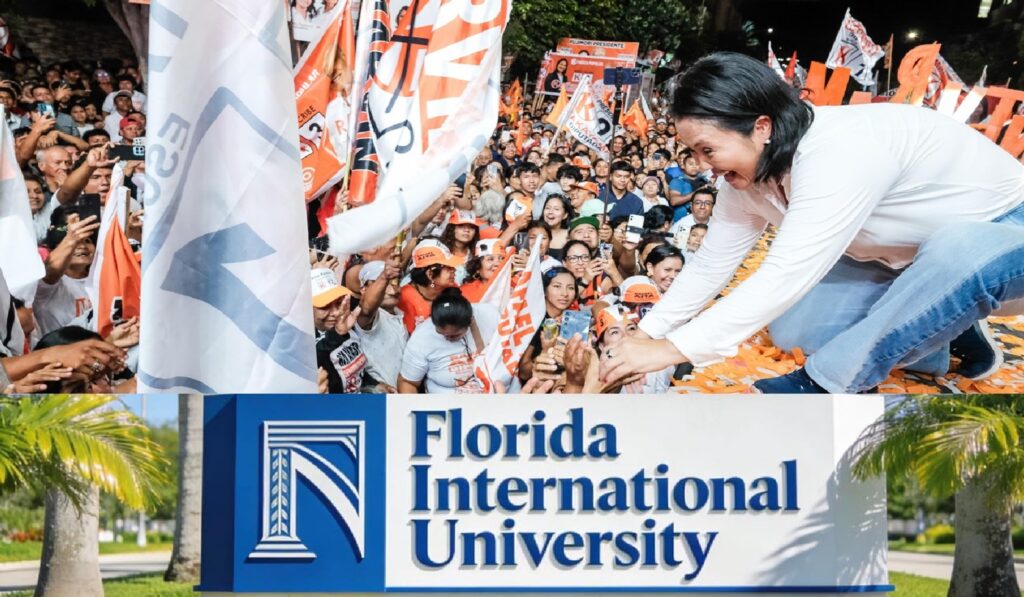
Peruvian News Agency PRENSAPERU.PE https://www.prensaperu.pe Twitter: @prensaperupe On the eve of a new electoral contest that will define Peru’s presidential destiny, the figure of candidate Keiko Fujimori is once again in the eye of the storm, this time due to the controversy surrounding her alleged position as a “global professor” at the prestigious Florida International University (FIU) in the United States. The situation has escalated following an official denial from the university itself, raising serious questions about credibility and ethics in Peruvian politics.
For months, candidate Fujimori has publicly referred to her role at FIU as a “global professor” at the Adam Smith Center for Economic Freedom, a position that, at first glance, would grant her an international academic profile of significant weight. However, the U.S. institution has come forward to clarify that the reality is very different. According to FIU, Ms. Fujimori holds the title of “Distinguished World Leadership Fellow”, an honorary designation that does not imply an employment relationship, remunerated teaching, or regular academic activities. Her role is limited to campus visits, participation in events, and meetings, far from any teaching or research function.
This inconsistency between what the candidate stated and what the university clarified is not a minor detail, especially for someone aspiring to the nation’s highest office. What leads a political figure of this stature to present an academic image that does not correspond to the truth? The “selling” of a high, albeit inaccurate, professional profile could be perceived as a strategy to project greater experience and prestige before an electorate that values preparation and knowledge. However, when disproven, the effect can be counterproductive and devastating for citizen trust.
The implications of this situation are profound. Integrity and transparency are fundamental pillars for the exercise of politics. A leader who incurs in these types of “falsehoods” risks undermining trust not only in their person but also in the political system in general. How can one expect a president to be transparent in public management if their own personal trajectory is marred by inaccuracies?
For a population already skeptical of its politicians, these types of revelations only deepen disillusionment. The seriousness of the situation is compounded by the fact that candidate Fujimori leads a political party that seeks not only the presidency but also significant representation in parliament. The credibility of the leader is, in many cases, a reflection of the party’s credibility. If the top figure of a political organization incurs in distortions about their own curriculum, what message is sent to future congress members and citizens about the honesty and veracity that will govern their actions?
Peruvian citizens have the right to expect their leaders to act with the highest ethics and transparency. In such a polarized and challenging electoral context, truth and coherence in candidates’ discourse are not only desirable qualities but indispensable requirements for building a robust democracy worthy of the trust of its people. This episode, beyond the anecdote, is a wake-up call about the importance of veracity in politics and the impact that inaccuracies can have on the destiny of a nation.
Key Conclusions:
1.- Erosion of Political Credibility: The discrepancy between Keiko Fujimori’s statement and FIU’s denial erodes her credibility, a fundamental asset for any leader aspiring to the presidency.
2.- Risk to Public Perception: Presenting inaccurate academic information can generate a perception of dishonesty, affecting voter confidence in the candidate and, by extension, in her government proposal.
3.- Implications for Leadership and the Party: A lack of transparency in personal aspects of a political leader can extend to the image of their party, sowing doubts about the honesty and rigor with which state affairs will be managed.
4.- Relevance of Veracity in Campaign: This incident underscores the critical importance of truthfulness and transparency in candidates’ statements, especially in the final stretch of an electoral campaign, where trust is crucial for the vote.
Source: Peruvian News Agency PRENSAPERU.PE https://www.prensaperu.pe Twitter: @prensaperupe