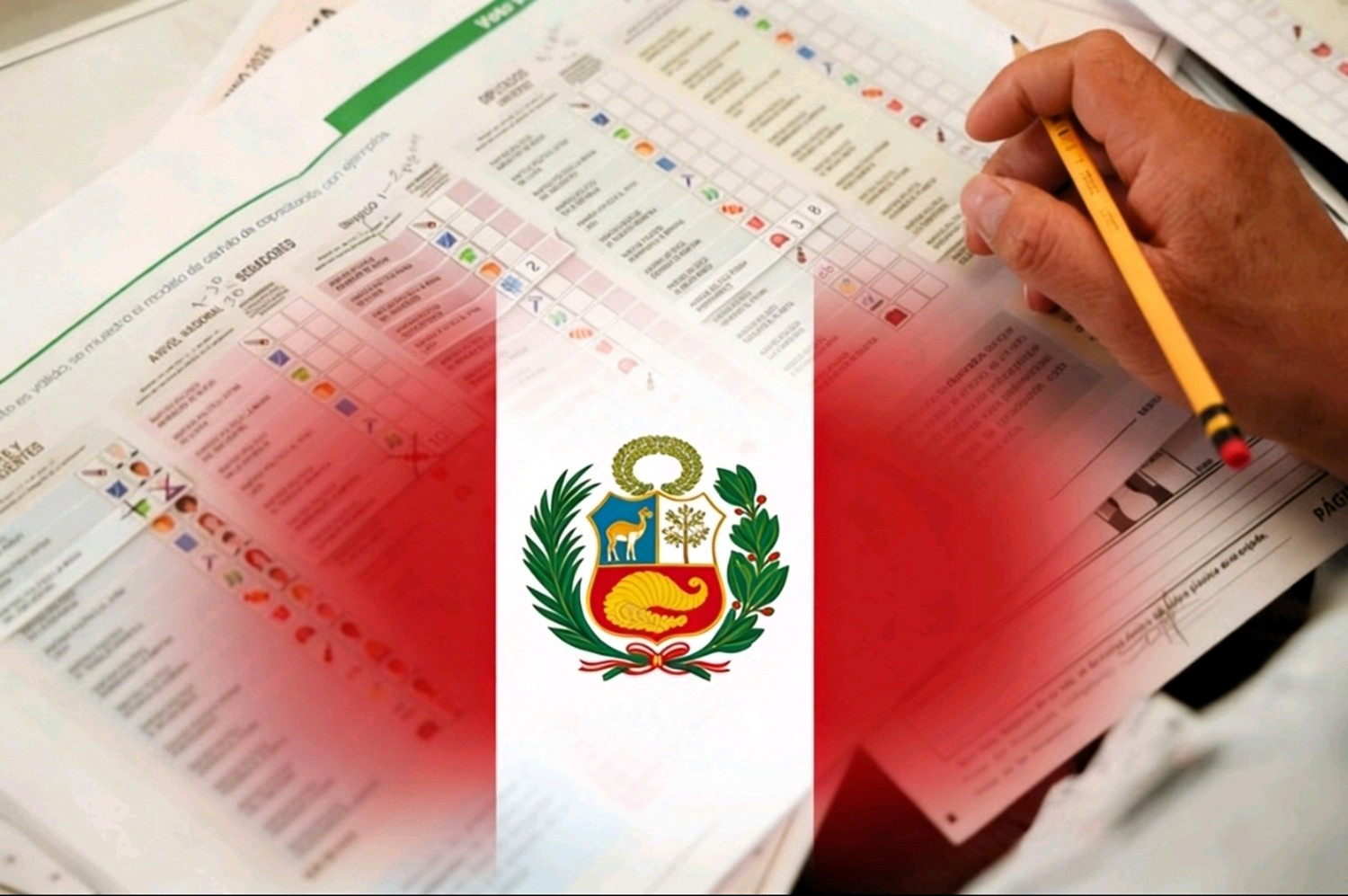
Agencia Peruana de Noticias PRENSAPERU.PE https://www.prensaperu.pe Twitter: @prensaperupe Hoy, domingo 12 de abril, el Perú vive una jornada electoral sin precedentes en su historia moderna. Más de 28 millones 536 mil ciudadanos están habilitados para ejercer su derecho al voto en todo el mundo, en un proceso que no solo definirá la próxima presidencia y vicepresidencias, sino que marca el retorno definitivo al sistema bicameral después de 34 años, y cuenta con la mayor oferta política registrada en el continente.
Mientras en el territorio nacional las urnas abren sus puertas, miles de peruanos en el extranjero ya han cumplido con su deber cívico o están en pleno proceso de votación, reflejando la dimensión global de esta democracia.
EL PESO ELECTORAL POR REGIONES: UN PAÍS DE CONTRASTES
La distribución del padrón electoral revela una geografía política marcada por profundas desigualdades y concentraciones demográficas:
LA COSTA: EL MOTOR ELECTORAL
Concentra el 66% del electorado nacional (más de 17 millones de votantes), siendo la zona con mayor densidad poblacional y desarrollo económico.
Lima y Callao: Son la “plaza fuerte” con más de 9.5 millones de electores (casi el 35% del total nacional). Aquí se decide gran parte de la contienda por la alta concentración de votos.
Norte: Piura, La Libertad y Lambayeque suman más de 4 millones de votantes, siendo una zona clave por su peso demográfico y económico.
Sur: Arequipa, Ica y Tacna conforman un bloque importante, con una población más educada y demandante de propuestas específicas.
LA SIERRA: TRADICIÓN Y DESAFÍOS
Representa el 24.74% del padrón (casi 6.5 millones de votantes). Regiones como Cajamarca, Cusco, Junín y Puno son fundamentales. Aquí, las necesidades giran en torno a la agricultura, la infraestructura vial y la inclusión social. Es una zona donde la identidad regional y los candidatos con arraigo local suelen tener mayor acogida.
LA SELVA: LA VOZ DE LA AMAZONÍA
Aunque representa solo el 9.36% (cerca de 2.5 millones de votantes), su importancia es estratégica y simbólica. Loreto, San Martín y Ucayali son los departamentos más representativos. En esta región, las demandas están ligadas a la salud, educación, conectividad y defensa del medio ambiente, enfrentando brechas de desarrollo mucho más amplias que en la costa.
EL VOTO EN EL EXTRANJERO: UNA “QUINTA REGIÓN”
Los peruanos en el exterior ya están votando o han votado según su huso horario. Se les conoce como la “Quinta Región”, porque mientras nuestro territorio se divide geográficamente en Costa, Sierra, Selva y Mar, los migrantes conforman esa quinta zona que representa al Perú en todo el planeta.
Son más de 1 millón 210 mil electores (4.43% del padrón total), distribuidos así:
América: 757,109 electores (liderado por EE.UU., Argentina y Chile)
Europa: 403,992 electores (principalmente España e Italia)
Asia, Oceanía y África: Completan el mapa democrático.
EL RETORNO DE LA BICAMERALIDAD: 34 AÑOS DESPUÉS DEL AUTOGOLPE
Este proceso tiene un significado histórico profundo. El 5 de abril de 1992, durante el autogolpe de Alberto Fujimori, se disolvió el Congreso bicameral que existía desde la Constitución de 1979. Con la nueva Carta Magna de 1993, se instauró el sistema unicameral que rigió hasta hoy.
¿Qué cambia ahora?
Se elige Cámara de Diputados (130 miembros) y Cámara de Senadores (60 miembros).
Los diputados proponen y aprueban leyes en primera instancia; los senadores revisan, modifican o aprueban en segunda instancia, buscando mayor equilibrio y control político.
Es un cambio estructural que busca frenar la concentración de poder y mejorar la calidad de las leyes, aunque representa un reto para el electorado que debe familiarizarse con nuevas reglas y papeletas más extensas.
LA OFERTA POLÍTICA: 35 CANDIDATOS Y UN ESCENARIO FRAGMENTADO
Nunca antes en Perú ni en Latinoamérica se había visto una oferta tan amplia: 35 candidatos presidenciales representando a 37 organizaciones políticas.
Ningún postulante logra superar el 15% de intención de voto, lo que augura una elección muy reñida y con altas probabilidades de segunda vuelta.
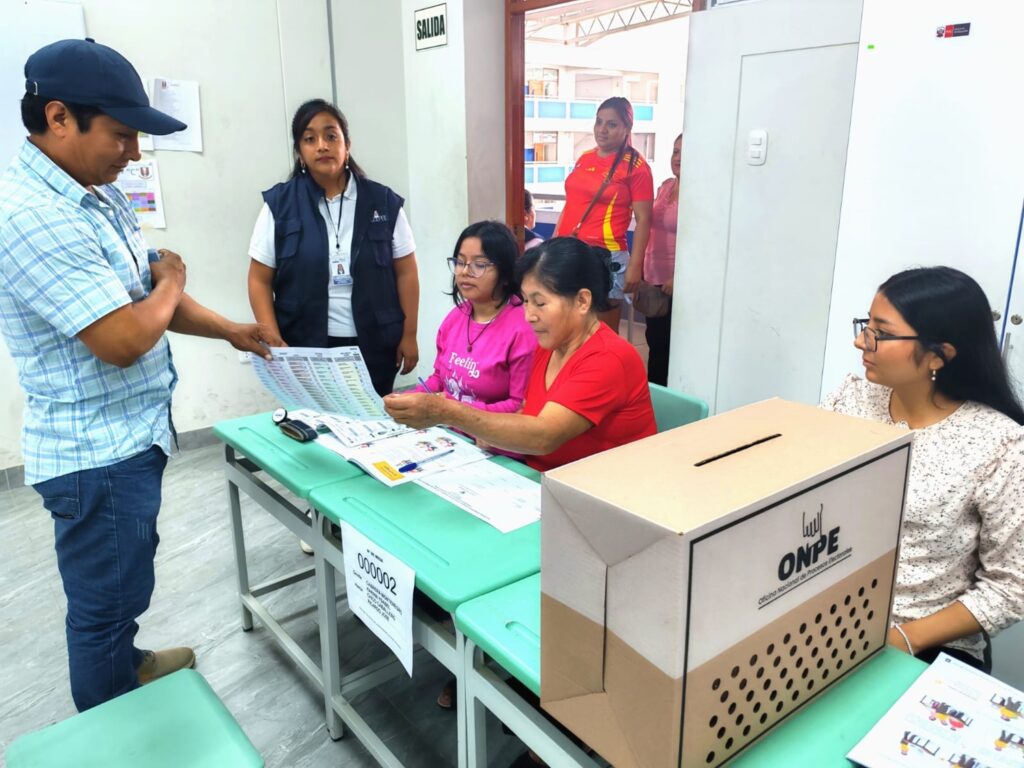
La papeleta electoral es de dimensiones extraordinarias, lo que representa un desafío logístico y de comprensión para el votante, que debe analizar perfiles muy diversos: desde políticos experimentados hasta empresarios, militares y figuras públicas.
EXPECTATIVAS Y DESAFÍOS DE LA POBLACIÓN
Las encuestas y estudios de opinión muestran un electorado con sentimientos encontrados:
Preocupación central: La seguridad ciudadana, la corrupción y la economía son los temas que más preocupan a los peruanos, por encima de educación o ambiente.
Desconfianza e incertidumbre: Casi el 35% de la población se siente “con dudas” y más del 30% “poco confiado” en que el proceso traiga cambios reales.
El reto de la información: Muchos ciudadanos aún no conocen a fondo cómo funciona la nueva bicameralidad, lo que exige un esfuerzo de educación cívica para evitar votos nulos o blancos por confusión.
DATO CLAVE: ¿CÓMO FUNCIONA REALMENTE LA “VALLA ELECTORAL”?
Mucha gente cree que entra quien tiene más votos, pero la matemática es diferente para el Congreso. Aquí la verdad explicada sencillamente:
¿QUÉ VOTOS CUENTAN Y CUÁLES NO?
Votos Válidos: Son los que tienen marca correcta. Estos sí se cuentan.
Votos Nulos o Viciados: Marcas equivocadas o rayones. Estos no se cuentan.
Votos en Blanco: Cédulas sin marca. Estos tampoco se cuentan.
LA REGLA DE ORO: LA VALLA DEL 5%
Para que un partido pueda entrar y repartirse escaños, debe cumplir dos requisitos:
a) Sacar mínimo el 5% de todos los votos válidos a nivel nacional.
b) Lograr elegir al menos 3 senadores o 7 diputados.
LO QUE MUCHOS NO SABEN Y DECIDE TODO:
Los votos nulos y blancos NO se suman al total para calcular ese 5%.
Ejemplo práctico:
Imagina que votan 100 personas: 20 votan en blanco o anulan. Entonces, solo quedan 80 votos válidos. El 5% ya no se calcula sobre 100, sino sobre los 80. El 5% de 80 es 4 votos. Por lo tanto, necesitas 4 votos para pasar, y no 5.
¿Qué significa esto en la práctica?
Si hay muchos nulos/blancos, el piso baja y es más fácil entrar.Si hay pocos nulos/blancos, el piso sube y es mucho más difícil superar la valla.
Finalmente, los votos que parecen “perdidos” cambian la matemática y deciden qué partidos entran al Congreso y cuáles se quedan fuera.
CONCLUSIONES
1.- Una Democracia Masiva y Diversa: Con más de 28 millones de votantes dentro y fuera del país, el Perú confirma su compromiso con el sufragio, aunque la distribución territorial evidencia brechas históricas entre una costa desarrollada y una sierra y selva que demandan mayor atención y recursos.
2.- El Regreso como Reforma Institucional: Volver al sistema bicameral es más que un cambio de nombres; es un intento de equilibrar el poder después de décadas de unicameralismo. Sin embargo, su éxito dependerá de que los ciudadanos entiendan el nuevo rol de senadores y diputados, evitando la confusión en las urnas.
3.- Fragmentación como Nuevo Escenario: Con 35 candidatos y sin un líder claro, el país entra en una etapa de política fragmentada. Esto obligará al próximo gobierno a buscar consensos amplios, pero también plantea el riesgo de mayor inestabilidad si no se logran mayorías sólidas en el nuevo Congreso.
Fuente: Agencia Peruana de Noticias PRENSAPERU.PE https://www.prensaperu.pe Twitter: @prensaperupe
Translate
34 Years Later The Senate and Chamber of Deputies in Peru: “HISTORIC! More than 28 million vote in the largest electoral process in history.”
Peruvian News Agency PRENSAPERU.PE https://www.prensaperu.pe Twitter: @prensaperupe Today, Sunday, April 12, Peru is experiencing an unprecedented electoral day in its modern history. More than 28 million 536 thousand citizens are eligible to exercise their right to vote worldwide, in a process that will not only define the next presidency and vice-presidencies, but also marks the definitive return to the bicameral system after 34 years, and features the largest political offer registered on the continent.
While the polls are opening within the national territory, thousands of Peruvians abroad have already fulfilled their civic duty or are in the process of voting, reflecting the global dimension of this democracy.
ELECTORAL WEIGHT BY REGIONS: A NATION OF CONTRASTS
The distribution of the electoral roll reveals a political geography marked by deep inequalities and demographic concentrations:
THE COAST: THE ELECTORAL ENGINE
It concentrates 66% of the national electorate (over 17 million voters), being the area with the highest population density and economic development.
Lima and Callao: They are the “stronghold” with more than 9.5 million voters (almost 35% of the national total). Much of the election result is decided here due to the high concentration of votes.
North: Piura, La Libertad and Lambayeque total more than 4 million voters, being a key area due to their demographic and economic weight.
South: Arequipa, Ica and Tacna form an important bloc, with a more educated population demanding specific proposals.
THE HIGHLANDS: TRADITION AND CHALLENGES
It represents 24.74% of the roll (almost 6.5 million voters). Regions such as Cajamarca, Cusco, Junín and Puno are fundamental. Here, needs revolve around agriculture, road infrastructure and social inclusion. It is an area where regional identity and candidates with local roots usually receive greater support.
THE JUNGLE: THE VOICE OF THE AMAZON
Although it represents only 9.36% (close to 2.5 million voters), its importance is strategic and symbolic. Loreto, San Martín and Ucayali are the most representative departments. In this region, demands are linked to health, education, connectivity and environmental protection, facing much wider development gaps than on the coast.
VOTING ABROAD: THE “FIFTH REGION”
Peruvians living abroad are already voting or have already voted according to their time zone. They are known as the “Fifth Region”, because while our territory is geographically divided into Coast, Highlands, Jungle and Sea, migrants make up this fifth zone that represents Peru across the entire planet.
There are more than 1 million 210 thousand voters (4.43% of the total roll), distributed as follows:
America: 757,109 voters (led by the USA, Argentina and Chile)
Europe: 403,992 voters (mainly Spain and Italy)
Asia, Oceania and Africa : Complete the democratic map.
THE RETURN OF BICAMERALISM: 34 YEARS AFTER THE SELF-COUP
This process holds profound historical significance. On April 5, 1992, during Alberto Fujimori’s self-coup, the bicameral Congress that existed since the 1979 Constitution was dissolved. With the new Magna Carta of 1993, the unicameral system was established and ruled until today.
What changes now?
A Chamber of Deputies (130 members) and a Chamber of Senators (60 members) are elected.
Deputies propose and approve laws in the first instance; senators review, modify or approve them in the second instance, seeking greater balance and political control.
It is a structural change aimed at curbing the concentration of power and improving the quality of laws, although it represents a challenge for the electorate who must familiarize themselves with new rules and larger ballots.
THE POLITICAL OFFER: 35 CANDIDATES AND A FRAGMENTED SCENARIO
Never before in Peru or Latin America has such a wide offer been seen: 35 presidential candidates representing 37 political organizations.
No candidate manages to exceed 15% of voting intention, which predicts a very tight race with a high probability of a runoff election.
The ballot is of extraordinary dimensions, representing a logistical and comprehension challenge for the voter, who must analyze very diverse profiles: from experienced politicians to businessmen, military personnel and public figures.
POPULATION EXPECTATIONS AND CHALLENGES
Surveys and opinion studies show an electorate with mixed feelings:
Main concern: Citizen security, corruption and the economy are the issues that most concern Peruvians, above education or the environment.
Distrust and uncertainty: Almost 35% of the population feels “unsure” and more than 30% “not confident” that the process will bring real changes.
The information challenge: Many citizens still do not fully understand how the new bicameral system works, which demands a civic education effort to avoid null or blank votes due to confusion.
KEY FACT: HOW DOES THE “ELECTORAL THRESHOLD” REALLY WORK?
Many people believe that whoever gets the most votes gets in, but the math is different for Congress. Here is the truth explained simply:
WHICH VOTES COUNT AND WHICH DO NOT?
Valid Votes: Those with a correct mark. THESE DO COUNT.
Null or Spoiled Votes: Incorrect marks or scribbles. THESE DO NOT COUNT.
Blank Votes: Ballots without any mark. THESE DO NOT COUNT EITHER.
THE GOLDEN RULE: THE 5% THRESHOLD
For a party to enter and allocate seats, it must meet two requirements:
a) Obtain at least 5% of all valid votes nationwide.
b) Manage to elect at least 3 senators or 7 deputies.
WHAT MANY DO NOT KNOW AND DECIDES EVERYTHING:
Null and blank votes are NOT added to the total to calculate that 5%.
Practical example: Imagine that 100 people vote: 20 vote blank or spoil their ballot. Therefore, only 80 valid votes remain. The 5% is no longer calculated on 100, but on the 80. 5% of 80 is 4 votes. Therefore, you need 4 votes to pass the threshold, not 5.
What does this mean in practice?
If there are MANY null/blank votes, the required number GOES DOWN and it is easier to enter. If there are FEW null/blank votes, the required number GOES UP and it is much harder to pass the threshold.
Ultimately, votes that seem “lost” change the math and decide which parties enter Congress and which remain outside.
CONCLUSIONS
1.- A Massive and Diverse Democracy: With more than 28 million voters inside and outside the country, Peru confirms its commitment to suffrage, although territorial distribution reveals historical gaps between a developed coast and highlands and jungle demanding greater attention and resources.
2.- The Return as an Institutional Reform: Returning to the bicameral system is more than just a name change; it is an attempt to balance power after decades of unicameralism. However, its success will depend on citizens understanding the new role of senators and deputies, avoiding confusion at the polls.
3.- Fragmentation as a New Scenario: With 35 candidates and no clear leader, the country enters an era of fragmented politics. This will force the next government to seek broad consensus, but also poses the risk of greater instability if solid majorities are not achieved in the new Congress.
Source: Peruvian News Agency PRENSAPERU.PE https://www.prensaperu.pe Twitter: @prensaperupe