Agencia Peruana de Noticias PRENSAPERU.PE https://www.prensaperu.pe Twitter: @prensaperupe La oficialización de la Política General de Gobierno 2025-2026 —con sus ambiciosos ejes de seguridad, economía, democracia y reconciliación— representa un intento de dar rumbo claro al país. Pero la realidad es ineludible: el gobierno que la aprueba es transitorio, con apenas 6 o 7 meses restantes de gestión hasta julio de 2026. Este contexto plantea una pregunta central, sin cuestionar la buena voluntad de quienes la diseñaron: ¿se puede concretar lo que se plantea, o se trata más de un maquillaje estratégico para administrar la crisis nacional que vive el Perú?
ENTRE AMBICIÓN Y PLAZO CORTO: EL RETO DE LA SEGURIDAD Y SOBERANÍA
El primer eje promete fortalecer la inteligencia operativa, reducir delitos de alto impacto y proteger las fronteras. Si bien estas acciones son urgentes, su implementación requiere tiempo: coordinar el Sistema de Inteligencia Nacional, dotar de tecnología a fuerzas de seguridad y debilitamiento el crimen organizado no se logra en meses. Es posible que el gobierno logre tomar medidas puntuales —como más operativos policiales—, pero la transformación estructural que se plantea corre el riesgo de quedar en declaraciones de principio, convirtiéndose en un legado sin ejecución que le toque a la próxima gestión retomar.
CRECIMIENTO ECONÓMICO: ¿DESBLOQUEO O SOLO PALABRAS EN PLAZO CORTO?
El segundo eje busca desbloquear inversiones, mejorar conectividad y ejecutar infraestructura productiva. La promoción de la inversión privada depende de la creación de confianza —un proceso que requiere consistencia a lo largo del tiempo, no solo medidas transitorias. Si bien se pueden simplificar algunos trámites rápidamente, los proyectos de infraestructura que realmente impactan en la productividad tardan años en planificar y ejecutar. En 6 meses, el gobierno podría dar los primeros pasos, pero el “desbloqueo” que se promete corre el riesgo de ser más una administración de expectativas que un cambio real en la dinámica económica.
DEMOCRACIA Y INSTITUCIONALIDAD: ¿TRANSICIÓN ORDENADA O ADMINISTRACIÓN DE LA ELECCIÓN?
El tercer eje se centra en una transición democrática ordenada y el fortalecimiento de la institucionalidad. El principal reto aquí es garantizar elecciones generales transparentes en 2026 —un objetivo alcanzable si se concentra en apoyar al organismo electoral. Pero el fortalecimiento de la institucionalidad y el diálogo multisectorial requieren un compromiso a largo plazo que un gobierno transitorio difícilmente puede cumplir. Es posible que las acciones se limiten a administrar el proceso electoral y evitar conflictos, más que a construir las bases de un Estado moderno y predecible —lo que llevaría a pensar que se trata de una gestión de la crisis democrática más que de una transformación profunda.
RECONCILIACIÓN NACIONAL: ATENCIÓN PUNTUAL O PROCESO REAL?
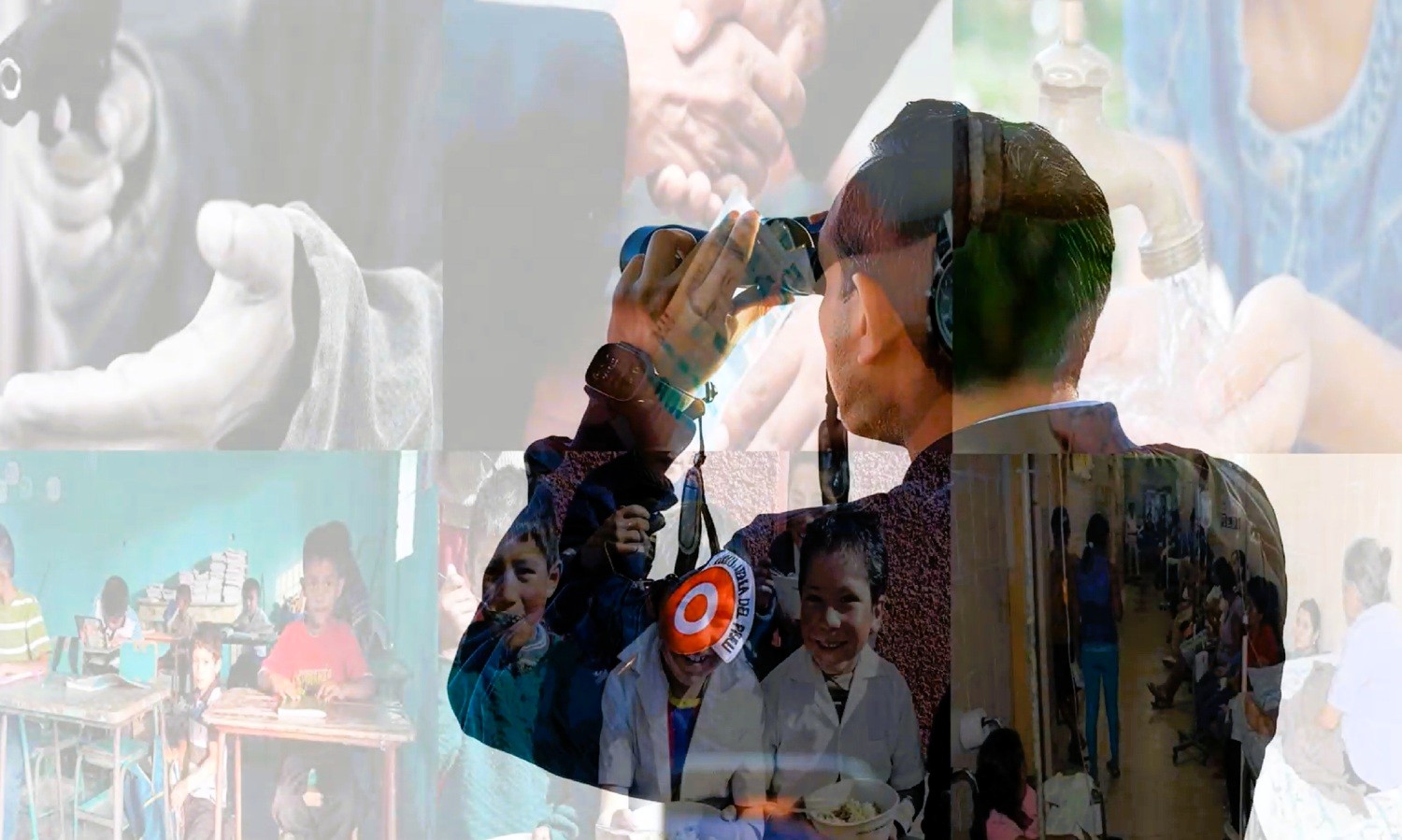
El cuarto eje promete reconciliación nacional y atención a poblaciones vulnerables. Si bien el gobierno puede implementar acciones puntuales —como entrega de alimentos o mejora de servicios en zonas específicas—, la reconciliación es un proceso que requiere diálogo, reconocimiento de la memoria histórica y reducción de desigualdades a lo largo de años. En meses, es imposible construir ese vínculo social profundo que se plantea. Lo más probable es que se trate de medidas para aliviar la crisis social inmediata, más que dé un paso real hacia la cohesión nacional que el nombre de la política promete.
CONCLUSIÓN
La Política General de Gobierno 2025-2026 tiene lineamientos necesarios y acertados para el Perú. Pero su ejecución en un período transitorio de apenas 6 o 7 meses plantea dudas legítimas sobre si se convertirá en una realidad o en un maquillaje para gestionar la crisis. Lo ideal sería que el gobierno se concentre en acciones concretas y alcanzables en el corto plazo —que sirvan de puente para la próxima gestión—, evitando promesas que no pueden cumplir y que terminan erosionando aún más la confianza ciudadana. La seriedad de la iniciativa pasará por la capacidad de transformar palabras en acciones medibles, incluso con el tiempo contra la pared.
Fuente: Agencia Peruana de Noticias PRENSAPERU.PE https://www.prensaperu.pe Twitter: @prensaperupe
English Translation
Crisis Makeup, José Jerí, Without a Plan or Direction: “Selfis, strolls, and makeovers aren’t governing, the doubt generated by the new General Government Policy”.
Peruvian News Agency PRENSAPERU.PE https://www.prensaperu.pe Twitter: @prensaperupe The official announcement of the 2025-2026 General Government Policy—with its ambitious pillars of security, economy, democracy, and reconciliation—represents an attempt to give the country a clear direction. But the reality is inescapable: the government that approves it is transitional, with only 6 or 7 months remaining in office until July 2026. This context raises a central question, without questioning the good intentions of those who designed it: can what is proposed be achieved, or is it more of a strategic makeover to manage the national crisis that Peru is experiencing?
BETWEEN AMBITION AND SHORT-TERM TIMEFRAME: THE CHALLENGE OF SECURITY AND SOVEREIGNTY
The first pillar promises to strengthen operational intelligence, reduce high-impact crimes, and protect borders. While these actions are urgent, their implementation requires time: coordinating the National Intelligence System, equipping security forces with technology, and weakening organized crime cannot be achieved in months. The government may manage to take specific measures—such as more police operations—but the proposed structural transformation risks remaining mere declarations of principle, becoming an unimplemented legacy for the next administration to pick up.
ECONOMIC GROWTH: ¿UNBLOCKING OR JUST SHORT-TERM WORDS?
The second focus is on unlocking investment, improving connectivity, and implementing productive infrastructure. Promoting private investment depends on building trust—a process that requires consistency over time, not just temporary measures. While some procedures can be simplified quickly, infrastructure projects that truly impact productivity take years to plan and execute. In six months, the government could take the first steps, but the promised “unlocking” risks being more about managing expectations than a real change in economic dynamics.
DEMOCRACY AND INSTITUTIONALITY: ¿ORDERLY TRANSITION OR ELECTION MANAGEMENT?
The third pillar focuses on an orderly democratic transition and the strengthening of institutions. The main challenge here is guaranteeing transparent general elections in 2026—an achievable goal if the focus is on supporting the electoral body. But strengthening institutions and fostering multi-sectoral dialogue require a long-term commitment that a transitional government can hardly fulfill. Actions may be limited to managing the electoral process and avoiding conflicts, rather than building the foundations of a modern and predictable state—leading to the perception that this is a management of the democratic crisis rather than a profound transformation.
NATIONAL RECONCILIATION: ¿A ONE-OFF ATTENTION OR A REAL PROCESS?
The fourth pillar promises national reconciliation and attention to vulnerable populations. While the government can implement specific actions—such as food distribution or improved services in specific areas—reconciliation is a process that requires dialogue, recognition of historical memory, and a reduction of inequalities over years. Building the deep social bond envisioned is impossible in a matter of months. It is more likely that these measures will alleviate the immediate social crisis than represent a real step toward the national cohesion that the policy’s name promises.
CONCLUSION
The 2025-2026 General Government Policy has necessary and sound guidelines for Peru. However, its implementation within a transitional period of just six or seven months raises legitimate doubts about whether it will become a reality or merely a cosmetic measure to manage the crisis. Ideally, the government should focus on concrete and achievable short-term actions—actions that will serve as a bridge to the next administration—avoiding promises it cannot keep and that only further erode public trust. The seriousness of the initiative will depend on its ability to transform words into measurable actions, even with time running out.
Source: Peruvian News Agency PRENSAPERU.PE https://www.prensaperu.pe Twitter: @prensaperupe