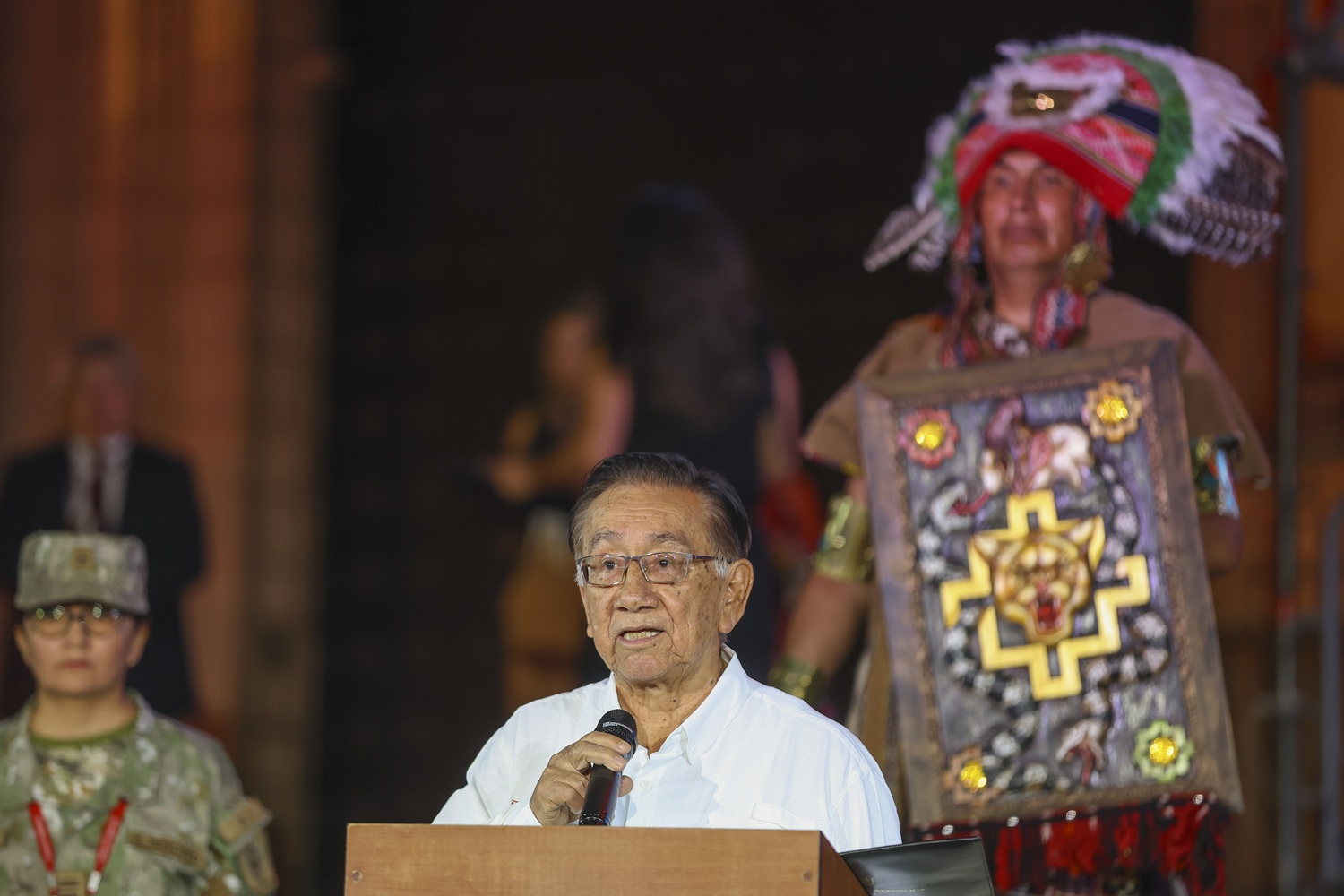
Agencia Peruana de Noticias PRENSAPERU.PE https://www.prensaperu.pe Twitter: @prensaperupe El presidente de la república, José María Balcázar Zelada (nacido el 17 de enero de 1943 en Nánchoc, Cajamarca), quien asumió el cargo el 18 de febrero de 2026 tras la remoción de José Jerí, lideró el lanzamiento oficial de las Fiestas del Cusco y el Inti Raymi 2026 el 21 de marzo en el atrio de la Catedral de Lima (plaza mayor de la ciudad), según información del Ministerio de Comercio Exterior y Turismo (Mincetur). El evento fue organizado por la Municipalidad Provincial del Cusco y la Empresa Municipal de Festejos y Promoción Turística del Cusco (EMU FEC), en coorganización con la Municipalidad Metropolitana de Lima, contando con la participación del presidente del Consejo de Ministros, Luis Arroyo; el ministro de Comercio Exterior y Turismo, José Fernando Reyes Llanos, así como otros ministros de Estado y autoridades locales de ambas ciudades.
EL INTI RAYMI: MÁS ALLÁ DE LA REPRESENTACIÓN
El mandatario destacó que el Inti Raymi —que en quechua significa “Fiesta del Sol”— supera su condición de puesta en escena para convertirse en un legado inca y una manifestación viva de la cultura e identidad nacional peruana. “Es el reencuentro con la identidad (…) Transmitamos esa cultura que es eterna, que no ha muerto”, enfatizó Balcázar, reconociendo la relevancia del evento para atraer turistas nacionales e internacionales.
Históricamente, el Inti Raymi fue la ceremonia religiosa más importante del Imperio Inca, creada por el Sapa Inca Pachacuti en 1412 para honrar a Inti, el dios sol (la deidad más venerada de la religión inca) y celebrar el solsticio de invierno del hemisferio sur (24 de junio), que marcaba el inicio de un nuevo ciclo agrícola y el año nuevo inca. Tras la conquista española, fue prohibido por la Iglesia católica en la década de 1570, pero sobrevivió de forma clandestina hasta su reconstrucción en 1944 por Faustino Espinoza Navarro, basada en los crónicas de Garcilaso de la Vega. Hoy, es reconocido como patrimonio inmaterial de la Nación peruana (ley N° 27431, de 2001) y el segundo festival más grande de América del Sur, reuniendo cada año a más de 100.000 espectadores y 500 actores con trajes tradicionales ornamentados con oro y plata.
La representación actual se desarrolla en tres etapas: comienza en el Qorikancha (Templo del Sol), continúa con una procesión por la Plaza de Armas de Cusco y culmina en las ruinas de Sacsayhuamán, donde se recrean rituales como la proclamación del Sapa Inca, los informes de los cuatro suyus (divisiones del Imperio Inca) y la ofrenda simbólica de una llama para garantizar la prosperidad agrícola.
LA OBRA TEATRAL HAMPI KAMAYOQ: PUENTE CON EL CONOCIMIENTO ANCESTRAL
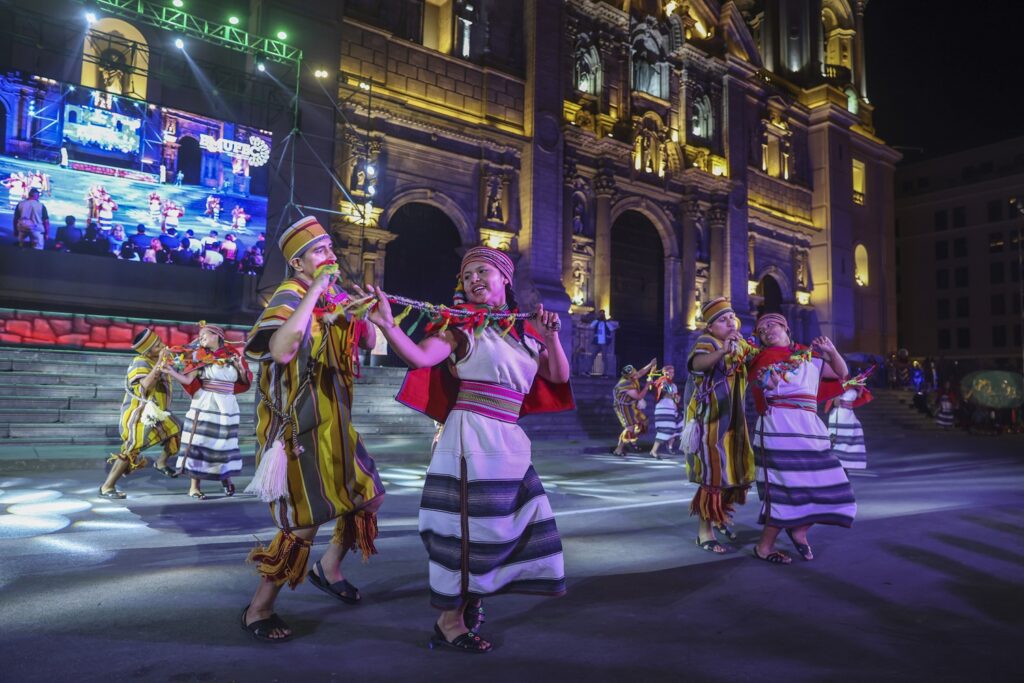
Durante el lanzamiento, se escenificó Hampi Kamayoq, una obra que narra el camino del conocimiento ancestral andino a través de la relación entre un sanador sagrado y su discípulo. Esta propuesta se alinea con la recuperación de saberes tradicionales andinos, que incluyen prácticas como la medicina natural, la astronomía ancestral y la conexión con Pachamama (Madre Tierra), elementos centrales de la identidad cusqueña y andina.
IMPACTO TURÍSTICO Y ECÓNOMICO
El Mincetur, a través de Promperú, implementará campañas de promoción nacional e internacional para el evento: en el ámbito interno, se utilizará la plataforma “¿Y tú qué planes?” y redes sociales; en el exterior, se priorizarán mercados de Latinoamérica, Europa y Norteamérica. Las Fiestas del Cusco, que se desarrollarán del 1 al 29 de junio, posicionan a la ciudad como un destino cultural global, contribuyendo a la reactivación económica, la generación de empleo y el fortalecimiento del turismo receptivo y interno del país.
DATOS
1.- El Inti Raymi es un eje articulador de la identidad peruana: Más allá de su valor turístico, la celebración funciona como un nexo entre el pasado inca y la actualidad, reafirmando la herencia cultural de los pueblos andinos y consolidando un sentido de nación compartida.
2.- El lanzamiento en Lima refuerza la proyección nacional del evento: Al llevar la inauguración a la capital, las autoridades buscan trascender el carácter regional del Inti Raymi y posicionarlo como un símbolo de la diversidad cultural peruana, amplificando su alcance en mercados nacionales e internacionales.
3.- La recuperación de saberes ancestrales es clave para el desarrollo cultural: Obras como Hampi Kamayoq y la propia representación del Inti Raymi demuestran que la preservación de tradiciones andinas no solo tiene valor simbólico, sino que también puede impulsar la educación intercultural y la innovación basada en conocimientos milenarios.
Fuente: Agencia Peruana de Noticias PRENSAPERU.PE https://www.prensaperu.pe Twitter: @prensaperupe
Translate
Peru: “Inti Raymi 2026, President Balcázar led the launch of the festival that unites the Inca past and the Peruvian future.”
Peruvian News Agency PRENSAPERU.PE https://www.prensaperu.pe Twitter: @prensaperupe The President of the Republic, José María Balcázar Zelada (born January 17, 1943, in Nánchoc, Cajamarca), who took office on February 18, 2026, following the removal of José Jerí, led the official launch of the Cusco Festivals and Inti Raymi 2026 on March 21 in the atrium of Lima Cathedral (Lima’s main square), according to information from the Ministry of Foreign Trade and Tourism (Mincetur). The event was organized by the Provincial Municipality of Cusco and the Municipal Company for Festivals and Tourism Promotion of Cusco (EMU FEC), in co-organization with the Metropolitan Municipality of Lima. It featured the participation of the President of the Council of Ministers, Luis Arroyo; the Minister of Foreign Trade and Tourism, José Fernando Reyes Llanos; other cabinet members; and local authorities from both cities.
INTI RAYMI: BEYOND REPRESENTATION
The head of state emphasized that Inti Raymi —which means “Festival of the Sun” in Quechua— goes beyond being a performance to become an Inca legacy and a living manifestation of Peruvian culture and national identity. “It is a reunion with our identity (…) Let us pass on this eternal culture that has not died,” Balcázar stressed, recognizing the event’s relevance in attracting national and international tourists.
Historically, Inti Raymi was the most important religious ceremony of the Inca Empire, created by Sapa Inca Pachacuti in 1412 to honor Inti, the sun god (the most venerated deity in Inca religion), and to celebrate the southern hemisphere’s winter solstice (June 24). This date marked the start of a new agricultural cycle and the Inca New Year. After the Spanish conquest, it was banned by the Catholic Church in the 1570s but survived clandestinely until its reconstruction in 1944 by Faustino Espinoza Navarro, based on chronicles by Garcilaso de la Vega. Today, it is recognized as Intangible Heritage of the Peruvian Nation (Law No. 27431, 2001) and the second-largest festival in South America, bringing together over 100,000 spectators and 500 actors each year in traditional costumes adorned with gold and silver.
The current performance unfolds in three stages: it begins at Qorikancha (the Temple of the Sun), continues with a procession through Cusco’s Main Square, and concludes at the Sacsayhuamán ruins, where rituals such as the proclamation of the Sapa Inca, reports from the four suyus (divisions of the Inca Empire), and a symbolic offering of a llama to ensure agricultural prosperity are reenacted.
THE PLAY HAMPI KAMAYOQ: A BRIDGE TO ANCESTRAL KNOWLEDGE
During the launch, Hampi Kamayoq was performed, a play that narrates the path of ancestral Andean knowledge through the relationship between a sacred healer and his disciple. This initiative aligns with the recovery of traditional Andean knowledge, which includes practices such as natural medicine, ancestral astronomy, and the connection with Pachamama (Mother Earth), central elements of Cusco and Andean identity.
TOURISM AND ECONOMIC IMPACT
Through Promperú, Mincetur will implement national and international promotion campaigns for the event: domestically, it will use the platform “¿Y tú qué planes?” (“What are your plans?”) and social media; internationally, it will prioritize markets in Latin America, Europe, and North America. The Cusco Festivals, which will run from June 1 to 29, position the city as a global cultural destination, contributing to economic recovery, job creation, and the strengthening of both inbound and domestic tourism in the country.
DATA
1.- Inti Raymi is a unifying axis of Peruvian identity: Beyond its tourism value, the celebration serves as a link between the Inca past and the present, reaffirming the cultural heritage of the Andean peoples and consolidating a shared sense of nationhood.
2.- The launch in Lima strengthens the event’s national reach: By bringing the inauguration to the capital, authorities aim to transcend Inti Raymi’s regional character and position it as a symbol of Peru’s cultural diversity, expanding its reach in national and international markets.
3.- Recovering ancestral knowledge is key to cultural development: Works like Hampi Kamayoq and the Inti Raymi performance itself demonstrate that preserving Andean traditions not only has symbolic value but can also drive intercultural education and innovation based on ancient knowledge.
Source: Peruvian News Agency PRENSAPERU.PE https://www.prensaperu.pe Twitter: @prensaperupe