
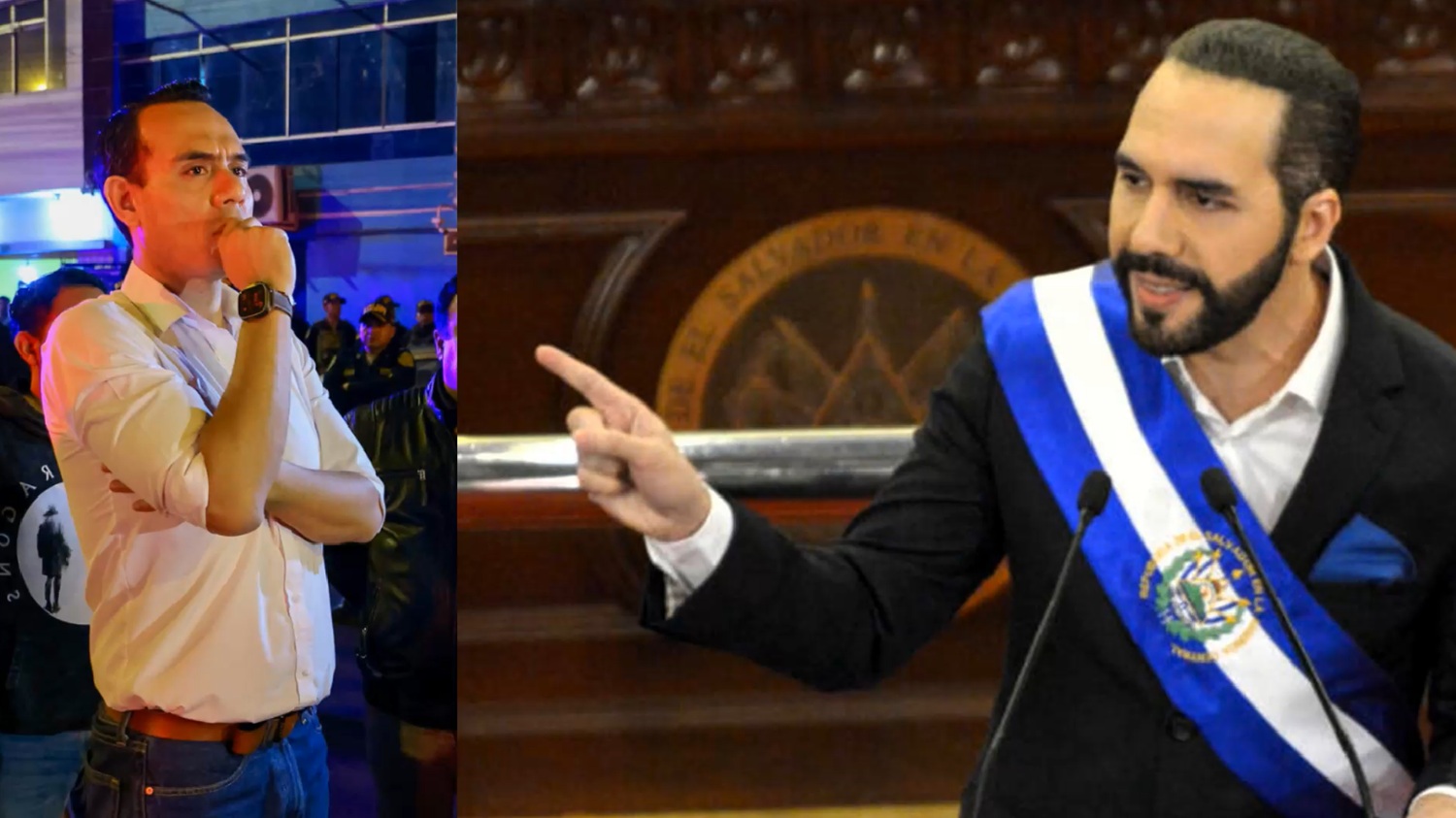
Agencia Peruana de Noticias PRENSAPERU.PE https://www.prensaperu.pe Twitter: @prensaperupe En sus primeras semanas de gobierno transitorio, el Presidente José Enrique Jerí Oré, ha intentado implementar un enfoque de seguridad similar al del Presidente Nayib Bukele en El Salvador, buscando replicar su éxito en la reducción del crimen. Sin embargo, las cifras iniciales muestran un panorama desalentador: 127 homicidios a nivel nacional en el primer mes, con 29 de ellos concentrados en Lima y Callao, a pesar del estado de emergencia.
La más importante decisión que no se atreve a ejecutar el joven e inexperto presidente transitorio peruano Jerí Oré, en la lucha contra el crimen organizado, es replantear un marco legal para combatirlo, el Gobierno tiene por voluntad propia las manos atadas, leyes como la: 31990, 31388, 32104, 31751, 32108 y 32181, son nocivas para construir una sociedad y un país con orden y justicia, que tenemos los peruanos como propuesta del actual Ejecutivo ¿Seguridad o riesgos?, al parecer todo indica que la polémica y el debate para hallar la salida con consenso a este desafío que como nación pasamos estará ausente todo lo que dure esta transitoriedad gubernamental.
¿Qué hizo Bukele que Jerí no ha logrado replicar?
1.- ENFOQUE INTEGRAL vs. MEDIDAS AISLADAS
Bukele: Implementó un plan integral que abarcó reformas legislativas, inversión en tecnología, mejora de las condiciones carcelarias y despliegue masivo de fuerzas de seguridad. El “Plan Control Territorial” y el “Régimen de Excepción” fueron pilares fundamentales, acompañados de una fuerte campaña de comunicación.
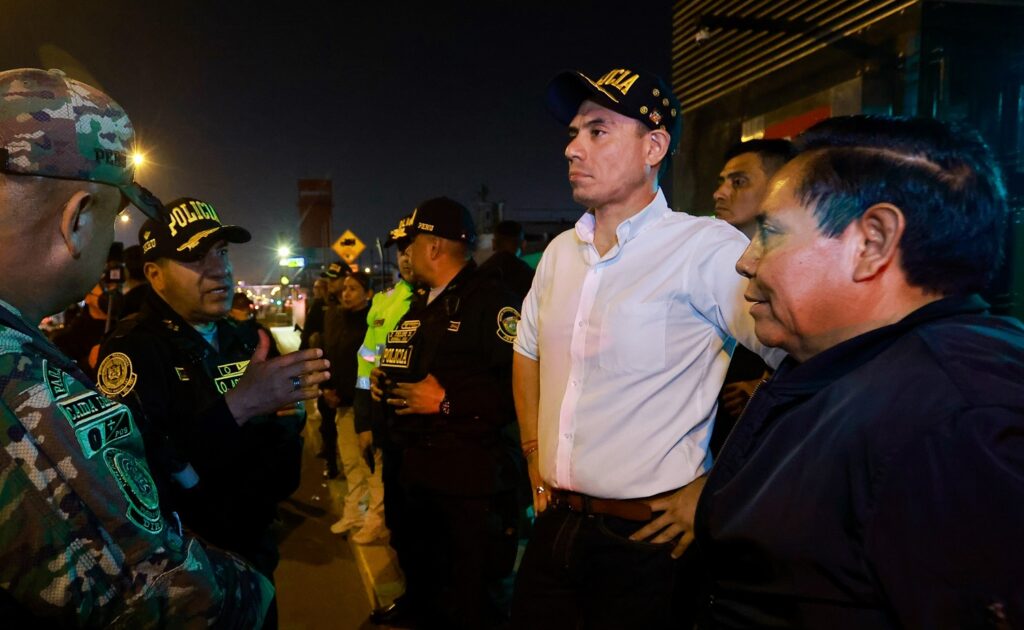
Jerí: Hasta el momento, se ha enfocado principalmente en el despliegue militar y policial en las calles, declarando el estado de emergencia sin abordar las causas estructurales del crimen.
2.- APOYO POLÍTICO Y FINANCIACIAMIENTO
Bukele: Contó con un amplio respaldo político que le permitió aprobar leyes y asignar presupuestos significativos para su estrategia de seguridad.
Jerí: Enfrenta una mayor fragmentación política y limitaciones presupuestarias, lo que dificulta la implementación de medidas a gran escala.
3.- CONTROL CARCELARIO
Bukele: Estableció un control férreo de las cárceles, impidiendo la comunicación de los reclusos con el exterior y desmantelando las estructuras de mando de las pandillas desde adentro. Jerí: Aún no ha logrado implementar medidas similares, y las cárceles peruanas siguen siendo un punto crítico en la gestión del crimen.
4.- TECNOLOGÍA E INTELIGECIA
Bukele: Invirtió fuertemente en tecnología de vigilancia, sistemas de inteligencia y análisis de datos para identificar y neutralizar a los criminales. Jerí: Aunque ha mostrado interés en la tecnología, la implementación efectiva aún está en desarrollo.
¿Por qué la diferencia en resultados?
La estrategia de Bukele se basa en un enfoque multifacético que aborda tanto la represión del delito como la prevención y rehabilitación. Además, contó con un contexto político favorable y recursos considerables. En contraste, el gobierno de Jerí enfrenta desafíos significativos en términos de gobernabilidad, financiamiento y la complejidad del crimen organizado en Perú.
QUE NOS REVELA LA CONDUCTA DE JERÍ ORÉ AL FRENTE DEL EJECUTIVO
1.- Temor a la Clase Política y Limitaciones de Poder:
Jerí podría estar enfrentando presiones y restricciones por parte de la clase política que lo llevó a la presidencia. Implementar medidas drásticas al estilo Bukele podría generar conflictos con ciertos sectores que prefieren mantener el statu quo o que tienen intereses creados en el sistema actual.
El temor a perder el apoyo político o a desestabilizar su gobierno podría estar limitando su capacidad para tomar decisiones audaces y contundentes.
2.- Conciencia de la Administración de la Crisis:
Jerí podría ser consciente de que no tiene la capacidad o los recursos para transformar estructuralmente el problema del crimen organizado en Perú. En lugar de ello, podría estar optando por administrar la crisis, implementando medidas paliativas que buscan contener la situación sin abordar las causas de fondo.
Esta estrategia podría ser una forma de evitar comprometerse con soluciones a largo plazo que requieren una inversión significativa y un cambio profundo en el sistema.
3.- Falta de Recursos y Capacidades:
A diferencia de Bukele, Jerí podría no contar con los recursos financieros, tecnológicos y humanos necesarios para implementar una estrategia integral contra el crimen. La falta de inversión en inteligencia, tecnología de vigilancia y capacitación policial podría estar limitando su capacidad para combatir eficazmente a las organizaciones criminales.
La escasez de recursos podría obligar a Jerí a priorizar medidas de corto plazo que ofrecen resultados visibles, aunque no sean sostenibles a largo plazo.
4.- Diferencias en el Contexto Social y Político:
El contexto social y político en Perú es diferente al de El Salvador. La historia de violencia política, la corrupción arraigada y la presencia de diversos actores criminales (narcotráfico, minería ilegal, extorsión) podrían hacer que la estrategia de Bukele no sea directamente aplicable en Perú.
Jerí podría estar adaptando su enfoque a la realidad peruana, aunque esto implique una menor efectividad en comparación con los resultados obtenidos por Bukele en El Salvador.
5.- Falta de Voluntad Política:
Podría existir una falta de voluntad política genuina para enfrentar el problema del crimen organizado. Algunos sectores podrían estar beneficiándose de la situación actual o podrían temer las consecuencias de una lucha frontal contra el crimen.
La falta de un compromiso real con la seguridad ciudadana podría estar llevando a Jerí a implementar medidas superficiales que no atacan las raíces del problema.
CONCLUSIONES
Si bien es prematuro juzgar el éxito o fracaso de la estrategia de Jerí, los primeros resultados sugieren que copiar superficialmente el “estilo Bukele” no es suficiente. Se requiere un plan integral, sostenido y adaptado a la realidad peruana para lograr un impacto real en la seguridad ciudadana.
Es probable que una combinación de estos factores esté influyendo en la capacidad de Jerí para implementar medidas efectivas contra el crimen organizado. El temor a la clase política, la conciencia de administrar la crisis, la falta de recursos y las diferencias en el contexto social y político podrían estar limitando su margen de acción y obligándolo a adoptar un enfoque más cauteloso y menos ambicioso que el de Bukele.
Fuente: Agencia Peruana de Noticias PRENSAPERU.PE https://www.prensaperu.pe Twitter: @prensaperupe
English Translation
Jerí and Bukele’s Mirror: “Lessons and Challenges in the Fight Against Crime, an Insurmountable Barrier for an Executive with Feet of Clay”.
Peruvian News Agency PRENSAPERU.PE https://www.prensaperu.pe Twitter: @prensaperupe In his first weeks as interim president, José Enrique Jerí Oré has attempted to implement a security approach similar to that of President Nayib Bukele in El Salvador, seeking to replicate his success in reducing crime. However, initial figures paint a discouraging picture: 127 homicides nationwide in the first month, with 29 of them concentrated in Lima and Callao, despite the state of emergency.
The most important decision that the young and inexperienced Peruvian interim president, Jerí Oré, is afraid to make in the fight against organized crime is to rethink the legal framework for combating it. The government’s hands are tied by its own will. Laws such as 31990, 31388, 32104, 31751, 32108, and 32181 are detrimental to building a society and a country with order and justice. What is the current administration proposing to Peruvians: security or risks? It seems that the debate and discussion needed to find a consensus-based solution to this challenge facing our nation will be absent for the entire duration of this governmental transition.
What did Bukele do that Jerí has failed to replicate?
1.- Comprehensive Approach vs. ISOLATED MEASURES
Bukele: Implemented a comprehensive plan that included legislative reforms, investment in technology, improved prison conditions, and a massive deployment of security forces. The “Territorial Control Plan” and the “State of Emergency” were fundamental pillars, accompanied by a strong communication campaign. Jerí: So far, he has focused primarily on deploying the military and police in the streets, declaring a state of emergency without addressing the root causes of crime.
2.- POLITICAL SUPPORT AND FUNDING
Bukele: He enjoyed broad political support, which allowed him to pass laws and allocate significant budgets for his security strategy. Jerí: He faces greater political fragmentation and budgetary constraints, making it difficult to implement large-scale measures.
3.- PRISON CONTROL
Bukele: He established tight control of prisons, preventing inmates from communicating with the outside world and dismantling gang command structures from within. Jerí: He has not yet managed to implement similar measures, and Peruvian prisons remain a critical issue in crime management.
4.- TECHNOLOGY AND INTELLIGENCE
Bukele: Invested heavily in surveillance technology, intelligence systems, and data analysis to identify and neutralize criminals. Jerí: Although he has shown interest in technology, effective implementation is still under development.
Why the difference in results?
Bukele’s strategy is based on a multifaceted approach that addresses both crime repression and prevention and rehabilitation. Furthermore, he benefited from a favorable political context and considerable resources. In contrast, Jerí’s government faces significant challenges in terms of governance, financing, and the complexity of organized crime in Peru.
WHAT JERÍ ORÉ’S CONDUCT AS HEAD OF THE EXECUTIVE REVEALS
1.- Fear of the Political Class and Limitations of Power:
Jerí may be facing pressure and restrictions from the political class that brought him to the presidency. Implementing drastic measures in the style of Bukele could generate conflicts with certain sectors that prefer to maintain the status quo or that have vested interests in the current system.
The fear of losing political support or destabilizing his government may be limiting his ability to make bold and decisive decisions.
2.- Awareness of Crisis Management:
Jerí may be aware that he lacks the capacity or resources to structurally transform the problem of organized crime in Peru. Instead, he may be opting to manage the crisis, implementing palliative measures that seek to contain the situation without addressing the root causes.
This strategy could be a way to avoid committing to long-term solutions that require significant investment and profound systemic change.
3.- Lack of Resources and Capabilities:
Unlike Bukele, Jerí may lack the necessary financial, technological, and human resources to implement a comprehensive anti-crime strategy. The lack of investment in intelligence, surveillance technology, and police training could be limiting his ability to effectively combat criminal organizations.
The scarcity of resources could force Jerí to prioritize short-term measures that offer visible results, even if they are not sustainable in the long term.
4.- Differences in the Social and Political Context:
The social and political context in Peru is different from that of El Salvador. The history of political violence, entrenched corruption, and the presence of various criminal actors (drug trafficking, illegal mining, extortion) could mean that Bukele’s strategy is not directly applicable in Peru.
Jerí may be adapting his approach to the Peruvian reality, even if this implies less effectiveness compared to the results obtained by Bukele in El Salvador.
5.- Lack of Political Will:
There could be a genuine lack of political will to confront the problem of organized crime. Some sectors may be benefiting from the current situation or may fear the consequences of a direct fight against crime.
The lack of a real commitment to citizen security could be leading Jerí to implement superficial measures that do not address the root causes of the problem.
CONCLUSIONS
While it is premature to judge the success or failure of Jerí’s strategy, the initial results suggest that superficially copying the “Bukele style” is not enough. A comprehensive, sustained plan adapted to the Peruvian reality is required to achieve a real impact on citizen security.
It is likely that a combination of these factors is influencing Jerí’s ability to implement effective measures against organized crime. Fear of the political class, the awareness of managing the crisis, the lack of resources, and the differences in the social and political context could be limiting his room for maneuver and forcing him to adopt a more cautious and less ambitious approach than Bukele’s.
Source: Peruvian News Agency PRENSAPERU.PE https://www.prensaperu.pe Twitter: @prensaperupe