
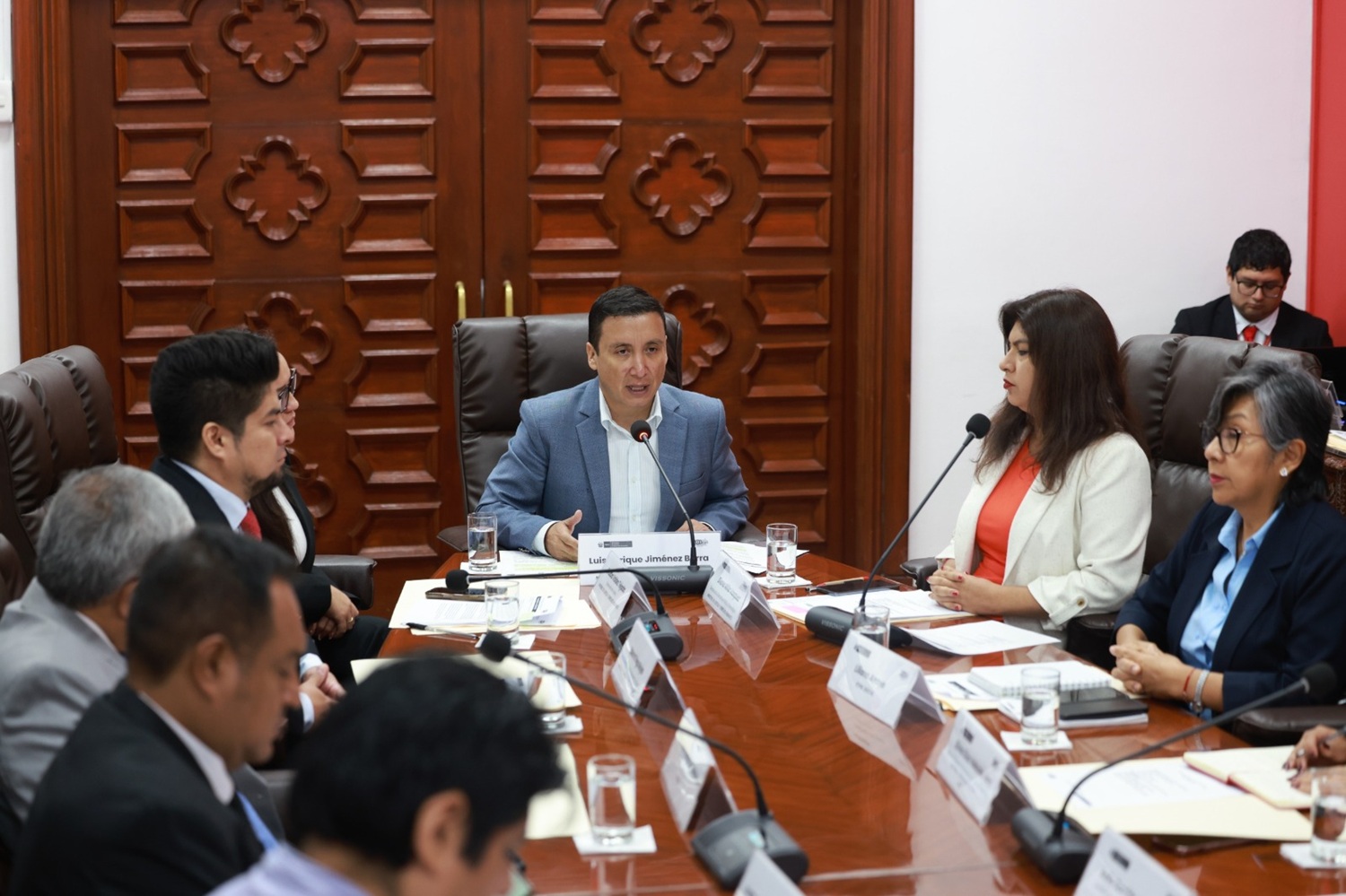
Agencia Peruana de Noticias PRENSAPERU.PE https://www.prensaperu.pe Twitter: @prensaperupe El ministro de Justicia y Derechos Humanos, Luis Jiménez Borra, encabezó este día un foro interinstitucional de alto nivel centrado en la prevención social del delito aplicada a poblaciones de adolescentes y jóvenes en situación de vulnerabilidad criminógena. El propósito fundamental fue generar una arquitectura de cooperación estatal que articule esfuerzos transversales para evitar la incorporación de estos grupos al ecosistema delictivo, abordando tanto factores individuales como estructurales que predisponen a la comisión de ilícitos.
PALABRAS DEL MINISTRO JIMÉNEZ BORRA
En su discurso inaugural, el titular del sector justicia destacó que la prevención constituye un instrumento estratégico de gobernanza de la seguridad que permite actuar en la fase pre-delictiva, antes de que los jóvenes incurran en conductas que los pongan en conflicto jurídico penal. En este contexto, enfatizó la relevancia del Decreto Legislativo N.º 1710, una norma que institucionaliza el enfoque de intervención temprana y busca fortalecer las estrategias estatales para mitigar los determinantes sociales de riesgo —como la marginación, la falta de oportunidades educativas y laborales, y la desarticulación familiar— que exponen a los jóvenes a escenarios delictivos.
“El fenómeno criminal no es un hecho aislado ni espontáneo. Suele estar intrínsecamente ligado a condiciones de vulnerabilidad socioeconómica que restringen el abanico de opciones de vida de los jóvenes, llevándolos en algunos casos a tomar decisiones contraproducentes para su desarrollo y para la convivencia social. Por ello, el Estado debe adoptar un enfoque dual: por un lado, ejercer su función de control normativo sancionando los ilícitos cometidos; por otro, desarrollar acciones proactivas que anticipen y neutralicen las causas que generan la criminalidad”, manifestó el ministro.
Asimismo, subrayó que aunque la sanción penal proporcional es un pilar indispensable para el mantenimiento del orden jurídico, el país requiere de políticas públicas de impacto estructural que atiendan las raíces sociales de la delincuencia, especialmente en comunidades que enfrentan la pobreza multidimensional o la exclusión social estructural.
DESTACAN TRABAJO ARTICULADO Y LIDERAZGO DE LA VICEMINISTRA VALDEZ
En esta línea, el ministro destacó la gestión que viene desarrollando la viceministra de Justicia, Shadia Valdez, en la promoción de iniciativas orientadas a fortalecer la prevención comunitaria del delito y la implementación de programas basados en el modelo de desarrollo humano sostenible para poblaciones en riesgo. También reconoció el compromiso institucional de todos los actores presentes para materializar acuerdos en acciones concretas y medibles.
“El gran reto actual es convertir el marco normativo vigente en intervenciones efectivas que brinden alternativas reales de formación, inserción laboral y participación ciudadana a los jóvenes, antes de que sean captados por dinámicas ilícitas. Si aspiramos a consolidar la seguridad pública democrática y el desarrollo integral de nuestros ciudadanos, es imprescindible contar con una estrategia de prevención robusta, sustentada en políticas claras y en la coordinación intersectorial efectiva”, afirmó el titular del MINJUSDH.
INTERVENCIÓN DE LA VICEMINISTRA SHADIA VALDEZ
Por su parte, la viceministra de Justicia, Shadia Valdez, agradeció la participación de representantes de diversos sectores estatales, destacando que este espacio refleja la voluntad política colectiva de trabajar de manera conjunta en la prevención social del riesgo criminógeno en poblaciones juveniles y adolescentes. Asimismo, alertó sobre la tendencia al incremento de casos de adolescentes involucrados en hechos delictivos de diversa índole, lo que evidencia la urgencia de reforzar las acciones preventivas desde una perspectiva transversal y multisectorial.
PARTICIPANTES EN EL ENCUENTRO
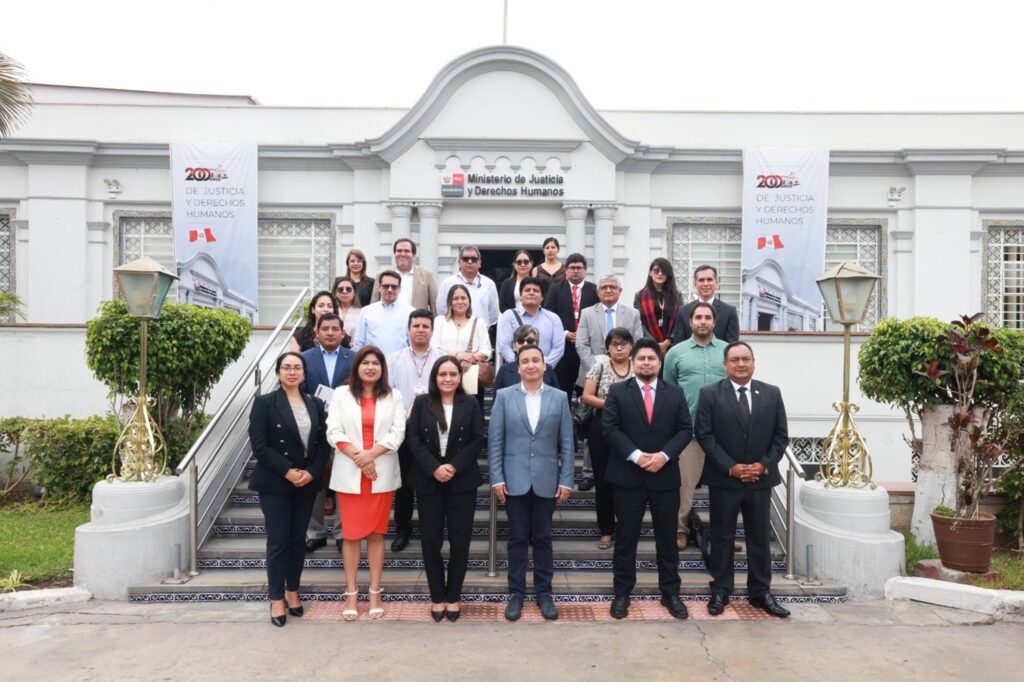
Además del ministro Jiménez Borra y la viceministra Valdez, en el foro estuvieron presentes el director general de Asuntos Criminológicos, Alberto Vega, y la directora de Política Criminológica del MINJUSDH, Diana Milla. Asimismo, asistieron representantes del Ministerio del Interior (enfocado en la prevención policial comunitaria), Ministerio de Salud (con énfasis en la salud mental y la prevención de adicciones), Ministerio de Trabajo y Promoción del Empleo (centrado en la inserción laboral juvenil), Ministerio de la Producción, Ministerio de la Mujer y Poblaciones Vulnerables, Poder Judicial, Ministerio Público, Defensoría del Pueblo y la Comisión Nacional para el Desarrollo y Vida sin Drogas.
DATOS
1.- La prevención es una inversión en el futuro del país: La intervención temprana en poblaciones jóvenes en riesgo criminógeno no solo reduce la incidencia del delito, sino que construye capital humano y fortalece la cohesión social, generando retornos positivos para el desarrollo nacional a largo plazo.
2.- La articulación intersectorial es imprescindible: Ninguna institución puede abordar de manera aislada los factores que generan el riesgo criminógeno; solo mediante la cooperación entre sectores como justicia, interior, salud, trabajo y educación se pueden diseñar e implementar estrategias efectivas.
3.- El marco normativo requiere de implementación concreta: El Decreto Legislativo N.º 1710 proporciona la base legal necesaria, pero es fundamental traducirlo en programas, recursos y acciones tangibles que lleguen directamente a las comunidades y jóvenes que más lo necesitan.
Fuente: Agencia Peruana de Noticias PRENSAPERU.PE https://www.prensaperu.pe Twitter: @prensaperupe
Translate
Prevention Before Punishment: “MINJUSDH Leads Multisectoral Meeting to Protect Young People from Criminal Circuits; Work on Social Roots Will Prevent Them from Falling into Crime”.
Peruvian News Agency PRENSAPERU.PE https://www.prensaperu.pe Twitter: @prensaperupe The Minister of Justice and Human Rights, Luis Jiménez Borra, headed a high-level inter-institutional forum today focused on the social prevention of crime applied to adolescents and young people in criminogenic vulnerability situations. The fundamental purpose was to generate a framework for state cooperation that coordinates cross-cutting efforts to prevent these groups from being incorporated into the criminal ecosystem, addressing both individual and structural factors that predispose them to commit offenses.
REMARKS BY MINISTER JIMÉNEZ BORRA
In his inaugural address, the head of the justice sector emphasized that prevention is a strategic tool for security governance that enables action in the pre-offense phase, before young people engage in conduct that puts them in criminal legal conflict. In this context, he highlighted the relevance of Legislative Decree No. 1710, a regulation that institutionalizes the early intervention approach and seeks to strengthen state strategies to mitigate social risk determinants — such as marginalization, lack of educational and employment opportunities, and family breakdown — that expose young people to criminal scenarios.
“The criminal phenomenon is not an isolated or spontaneous event. It is often intrinsically linked to socioeconomic vulnerability conditions that restrict young people’s range of life choices, leading them in some cases to make decisions that are counterproductive for their development and social coexistence. For this reason, the State must adopt a dual approach: on the one hand, exercise its regulatory control function by sanctioning committed offenses; on the other, develop proactive actions that anticipate and neutralize the causes that generate crime,” the minister stated.
He also emphasized that while proportional criminal punishment is an essential pillar for maintaining legal order, the country needs structural impact public policies that address the social roots of delinquency, especially in communities facing multidimensional poverty or structural social exclusion.
JOINT WORK AND LEADERSHIP OF VICE MINISTER VALDEZ HIGHLIGHTED
Along these lines, the minister highlighted the work being carried out by the Vice Minister of Justice, Shadia Valdez, in promoting initiatives aimed at strengthening community crime prevention and implementing programs based on the sustainable human development model for at-risk populations. He also recognized the institutional commitment of all participating entities to turn agreements into concrete and measurable actions.
“The great challenge today is to transform the current regulatory framework into effective interventions that provide real alternatives for training, labor integration, and citizen participation to young people before they are drawn into illicit activities. If we aim to consolidate democratic public security and the comprehensive development of our citizens, it is essential to have a robust prevention strategy, supported by clear policies and effective intersectoral coordination,” the head of MINJUSDH affirmed.
INTERVENTION BY VICE MINISTER SHADIA VALDEZ
For her part, the Vice Minister of Justice, Shadia Valdez, thanked the representatives of various state sectors for their participation, noting that this space reflects the collective political will to work together on the social prevention of criminogenic risk in youth and adolescent populations. She also warned about the upward trend in cases of adolescents involved in various types of criminal acts, which demonstrates the urgency of strengthening preventive actions from a cross-cutting and multisectoral perspective.
MEETING PARTICIPANTS
In addition to Minister Jiménez Borra and Vice Minister Valdez, the forum was attended by the General Director of Criminological Affairs, Alberto Vega, and the Director of Criminological Policy at MINJUSDH, Diana Milla. Representatives also participated from the Ministry of the Interior (focused on community police prevention), Ministry of Health (with emphasis on mental health and addiction prevention), Ministry of Labor and Employment Promotion (centered on youth labor integration), Ministry of Production, Ministry of Women and Vulnerable Populations, Judiciary, Public Ministry, Office of the Ombudsman, and the National Commission for Development and Life without Drugs.
DATA
1.- Prevention is an investment in the country’s future: Early intervention with young populations at criminogenic risk not only reduces crime rates but also builds human capital and strengthens social cohesion, generating positive returns for national development in the long term.
2.- Intersectoral coordination is essential: No single institution can address the factors that generate criminogenic risk in isolation; only through cooperation between sectors such as justice, interior, health, labor, and education can effective strategies be designed and implemented.
3.- The regulatory framework requires concrete implementation: Legislative Decree No. 1710 provides the necessary legal basis, but it is essential to translate it into programs, resources, and tangible actions that reach the communities and young people who need them most.
Source: Peruvian News Agency PRENSAPERU.PE https://www.prensaperu.pe Twitter: @prensaperupe