Agencia Peruana de Noticias PRENSAPERU.PE https://www.prensaperu.pe Twitter: @prensaperupe El Centro de Promoción y Comercialización de “Cárceles Productivas”, una iniciativa emblemática del Ministerio de Justicia y Derechos Humanos (MINJUSDH), ha celebrado su primer aniversario en el corazón del Centro de Lima, consolidándose como un faro de esperanza y oportunidad para miles de personas privadas de libertad en el Perú. Este espacio no es simplemente una tienda; es un puente tangible hacia la reinserción social y laboral, donde el arte y la artesanía se convierten en herramientas de dignificación y autodescubrimiento para quienes buscan una segunda oportunidad.
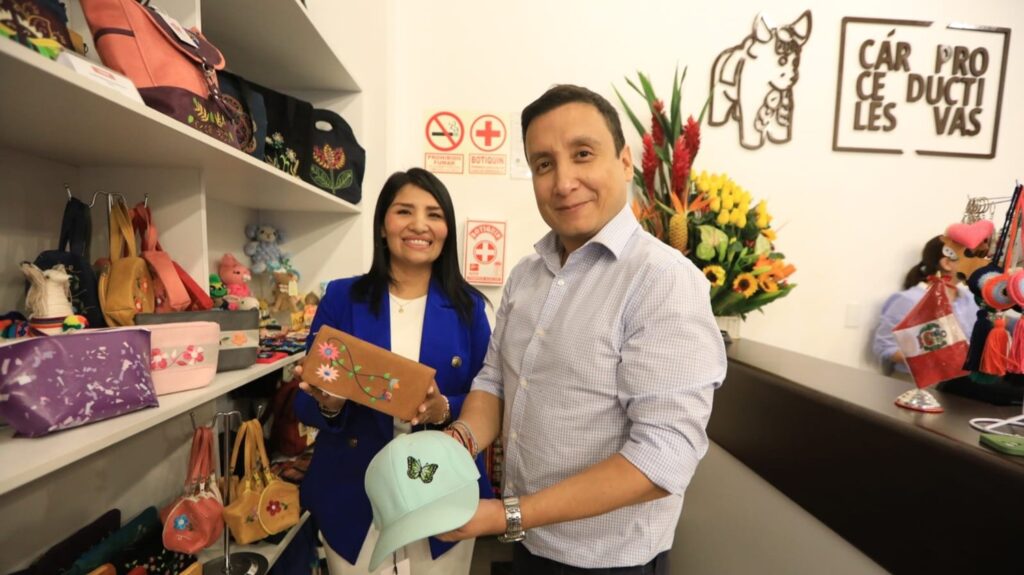
El ministro Luis Jiménez Borra, en su visita al local, no solo destacó el valor intrínseco de este programa, sino que profundizó en su impacto transformador. “Este programa no solo da una segunda oportunidad a los internos, sino que eleva significativamente su autoestima”, afirmó, subrayando la capacidad de los participantes para redescubrir su potencial creativo y productivo. Para las personas privadas de libertad, el acto de crear, de ver sus productos exhibidos y comercializados con éxito, es un poderoso catalizador de cambio, un recordatorio de que su valor como individuos trasciende sus errores pasados. La calidad de los productos, como él mismo enfatizó, es “de primerísimo nivel”, desmitificando preconcepciones y evidenciando el talento y la dedicación invertidos.
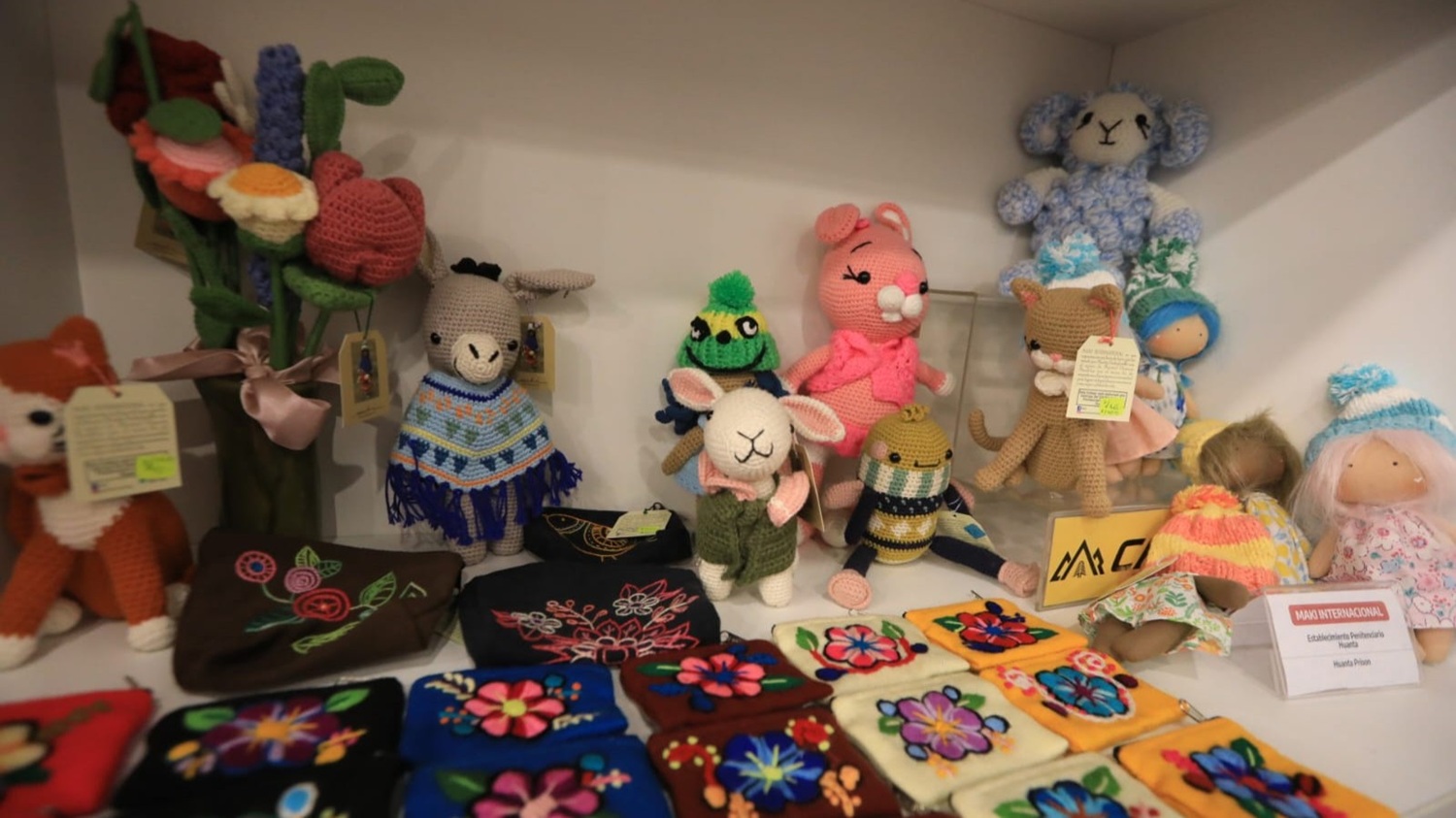
Durante su recorrido, el ministro pudo constatar la diversidad y la excelencia de los casi 1000 productos en stock, una vasta colección que representa la rica tradición artesanal de diversas regiones del país. Desde delicados tejidos y elaborados trabajos en madera, hasta piezas de bisutería, cerámica, orfebrería y artículos textiles, cada objeto es el resultado de un proceso de aprendizaje y superación. Esta variedad no solo enriquece la oferta comercial, sino que también refleja la riqueza cultural y la habilidad manual que florece incluso en los entornos más restrictivos.
La ceremonia de aniversario no fue solo un evento protocolar. Fue un acto de reconocimiento y celebración, que incluyó una emotiva exhibición de los productos más destacados de la población penitenciaria y la develación de una placa conmemorativa en la estratégica ubicación del jirón Ica 197, Cercado de Lima. Este espacio físico, por lo tanto, se erige como un símbolo de la resiliencia humana y la capacidad de transformación.
“Cárceles Productivas” se define como un esfuerzo articulado y multifacético. Impulsa la reinserción social mediante el desarrollo de habilidades y la valorización del trabajo, y la reinserción laboral al generar oportunidades económicas concretas. El programa ha logrado integrar la participación activa de 40 unidades productivas, distribuidas en 23 establecimientos penitenciarios a lo largo de 8 regiones del país. Esta expansión geográfica y la creciente cantidad de talleres productivos demuestran la consolidación y el alcance de la iniciativa, que va mucho más allá de un simple programa, configurándose como un movimiento de impacto social a gran escala.
La jornada contó además con la participación de figuras clave como la viceministra de Justicia, Shadia Valdez Tejada, y el presidente del INPE, Henry Cotos, quienes reafirmaron el compromiso institucional con el programa. La presencia de empresarios y, especialmente, de exinternos que han pasado por “Cárceles Productivas”, añadió un testimonio vivo de la efectividad del programa, inspirando a otros a seguir este camino de cambio y esperanza. Este encuentro no solo celebró un año de logros, sino que proyectó un futuro donde la rehabilitación y la dignidad son pilares fundamentales del sistema penitenciario peruano.
DATOS
1.- Impacto Dual: Reinserción y Dignificación a Través del Trabajo: El programa “Cárceles Productivas” va más allá de la simple comercialización, operando como un potente catalizador para la reinserción social y laboral, y, crucialmente, elevando la autoestima y el sentido de valía de las personas privadas de libertad mediante el reconocimiento de sus habilidades y el valor de su trabajo.
2.- Modelo de Gestión Eficaz y Extensible: La consolidación del Centro de Promoción y Comercialización en Lima y la integración de 40 unidades productivas de 23 penitenciarías en 8 regiones, demuestran la viabilidad y la capacidad de expansión del programa, estableciéndolo como un modelo exitoso de gestión penitenciaria con un profundo impacto social y económico.
3.- Calidad Artesanal como Herramienta de Transformación: La alta calidad y diversidad de los productos elaborados por los internos no solo desmiente prejuicios, sino que posiciona el trabajo artesanal como una vía efectiva para el desarrollo de nuevas habilidades, la generación de ingresos y la reconstrucción de la identidad personal, facilitando así una transición más exitosa a la vida en libertad.
Fuente: Agencia Peruana de Noticias PRENSAPERU.PE https://www.prensaperu.pe Twitter: @prensaperupe
Translate
Beyond the Prison Walls: Art and work flourish in “Productive Prisons”, promoting the reintegration and dignity of Peruvians deprived of liberty.
Peruvian News Agency PRENSAPERU.PE https://www.prensaperu.pe Twitter: @prensaperupe The Center for the Promotion and Marketing of “Productive Prisons”, an emblematic initiative of the Ministry of Justice and Human Rights (MINJUSDH), has celebrated its first anniversary in the heart of Downtown Lima, consolidating itself as a beacon of hope and opportunity for thousands of people deprived of liberty in Peru. This space is not simply a store; It is a tangible bridge towards social and labor reintegration, where art and crafts become tools of dignity and self-discovery for those seeking a second chance.
Minister Luis Jiménez Borra, during his visit to the premises, not only highlighted the intrinsic value of this program, but also delved into its transformative impact. “This program not only gives inmates a second chance, but also significantly raises their self-esteem,” he said, underlining the participants’ ability to rediscover their creative and productive potential. For people deprived of liberty, the act of creating, of seeing their products displayed and marketed successfully, is a powerful catalyst for change, a reminder that their value as individuals transcends their past mistakes. The quality of the products, as he himself emphasized, is “of the highest level”, demystifying preconceptions and evidencing the talent and dedication invested.
Minister Luis Jiménez Borra, during his visit to the premises, not only highlighted the intrinsic value of this program but also delved into its transformative impact. “This program not only gives a second chance to inmates but also significantly boosts their self-esteem,” he affirmed, emphasizing the participants’ ability to rediscover their creative and productive potential. For persons deprived of liberty, the act of creating, of seeing their products exhibited and successfully commercialized, is a powerful catalyst for change, a reminder that their value as individuals transcends their past mistakes. The quality of the products, as he himself emphasized, is “of the highest level,” debunking preconceptions and evidencing the invested talent and dedication.
During his tour, the minister was able to ascertain the diversity and excellence of the nearly 1000 products in stock, a vast collection that represents the rich artisanal tradition of various regions of the country. From delicate textiles and elaborate woodworking, to jewelry, ceramics, goldsmithing, carving, and textile articles, each object is the result of a process of learning and overcoming. This variety not only enriches the commercial offer but also reflects the cultural richness and manual skill that flourishes even in the most restrictive environments.
The anniversary ceremony was not just a protocol event. It was an act of recognition and celebration, which included an emotional exhibition of the most outstanding products of the prison population and the unveiling of a commemorative plaque at the strategic location of Jirón Ica 197, Cercado de Lima. This physical space, therefore, stands as a symbol of human resilience and the capacity for transformation.
“Productive Prisons” is defined as an articulated and multifaceted effort. It promotes social reintegration through the development of skills and the valorization of work, and labor reintegration by generating concrete economic opportunities. The program has successfully integrated the active participation of 40 productive units, distributed in 23 penitentiary establishments across 8 regions of the country. This geographical expansion and the growing number of productive workshops demonstrate the consolidation and scope of the initiative, which goes far beyond a simple program, establishing itself as a large-scale social impact movement.
The day also featured the participation of key figures such as the Vice Minister of Justice, Shadia Valdez Tejada, and the president of INPE, Henry Cotos, who reaffirmed the institutional commitment to the program. The presence of entrepreneurs and, especially, ex-inmates who have gone through “Productive Prisons,” added a living testimony to the program’s effectiveness, inspiring others to follow this path of change and hope. This gathering not only celebrated a year of achievements but also projected a future where rehabilitation and dignity are fundamental pillars of the Peruvian penitentiary system.
DATA
1.- Dual Impact: Reintegration and Dignification Through Work: The “Productive Prisons” program goes beyond simple commercialization, operating as a powerful catalyst for social and labor reintegration, and, crucially, elevating the self-esteem and sense of worth of persons deprived of liberty through the recognition of their skills and the value of their work.
2.- Effective and Expandable Management Model: The consolidation of the Promotion and Commercialization Center in Lima and the integration of 40 productive units from 23 penitentiaries in 8 regions demonstrate the viability and capacity for expansion of the program, establishing it as a successful model of penitentiary management with a profound social and economic impact.
3.- Artisanal Quality as a Tool for Transformation: The high quality and diversity of the products made by inmates not only debunks prejudices but also positions artisanal work as an effective way to develop new skills, generate income, and reconstruct personal identity, thus facilitating a more successful transition to life in freedom.
Source: Peruvian News Agency PRENSAPERU.PE https://www.prensaperu.pe Twitter: @prensaperupe