Agencia Peruana de Noticias PRENSAPERU.PE https://www.prensaperu.pe Twitter: @prensaperupe En un esfuerzo colaborativo que promete un impacto significativo en el desarrollo integral de la niñez puneña, La Iglesia de Jesucristo de los Santos de los Últimos Días ha formalizado su apoyo a una iniciativa que busca mitigar la vulnerabilidad escolar en la región de Puno. Este proyecto, denominado “Agua, Nutrición y Sostenibilidad: Estrategias para la reducción de la vulnerabilidad escolar en Puno”, es ejecutado por la reconocida organización Global Humanitaria Perú y cuenta con el respaldo fundamental de entidades gubernamentales locales y regionales, incluyendo al Gobierno Regional de Puno, la Unidad de Gestión Educativa Local (UGEL) de Puno y la Municipalidad distrital de Atuncolla.
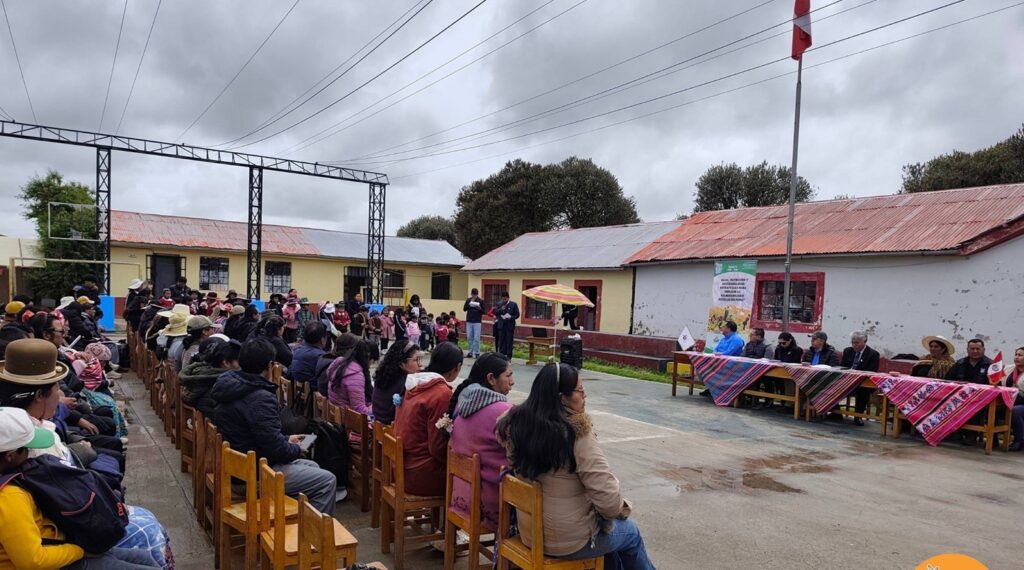
El lanzamiento oficial de esta ambiciosa propuesta tuvo lugar en las instalaciones de la Institución Educativa 70042 Palcamayo, ubicada en el pintoresco distrito de Atuncolla. El evento congregó a representantes de las 25 instituciones educativas que se beneficiarán directamente de este programa, así como a destacadas autoridades locales, entre ellas el Profesor Edwin Martín Bohórquez Barriga, jefe del Área de Gestión Pedagógica, en representación de la UGEL Puno. La presencia de la comunidad educativa y de los líderes locales subrayó la trascendencia de esta colaboración para el futuro de los escolares de la zona.
Durante la ceremonia, los representantes de La Iglesia de Jesucristo, principal entidad financiadora, expresaron su profunda satisfacción y gratitud por la puesta en marcha de un proyecto de tal envergadura. Su compromiso financiero y moral es un testimonio de su dedicación al servicio comunitario y al mejoramiento de las condiciones de vida. Por su parte, Global Humanitaria Perú, en su rol de entidad ejecutora y con una vasta experiencia en intervenciones sociales, reafirmó su compromiso inquebrantable con la mejora de la calidad de vida y el desarrollo pleno de la niñez.
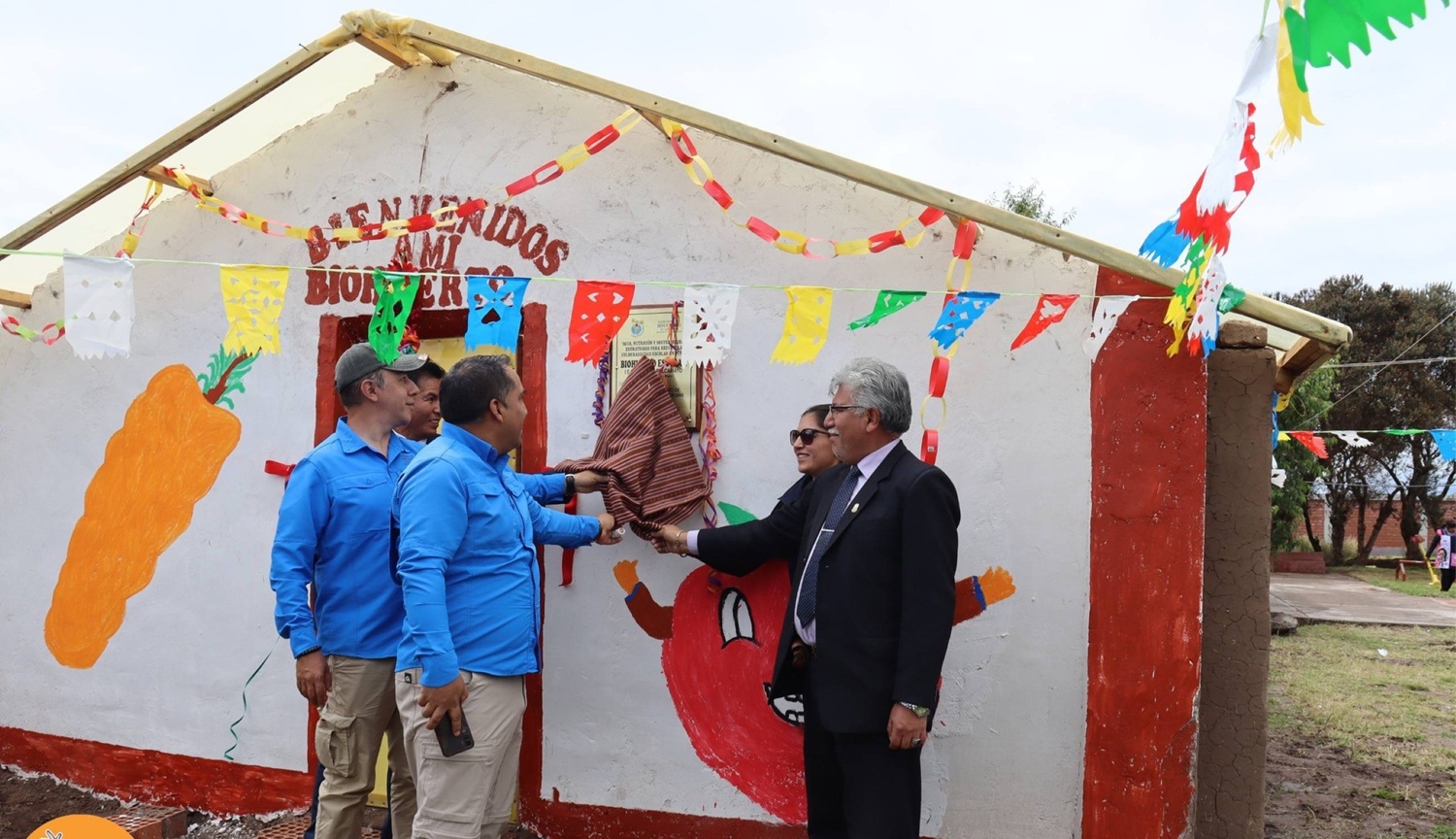
La jornada fue más allá de los discursos protocolares, con una participación vibrante de los niños y niñas, quienes deleitaron a los asistentes con números artísticos que incluyeron fonomímica y poesía, demostrando el talento y la alegría que el proyecto busca fomentar. Como elementos simbólicos y perdurables, se llevó a cabo la develación de una placa conmemorativa, marcando un hito en la historia educativa de la región. Un momento especialmente instructivo y aplaudido fue la demostración práctica realizada por el equipo de Global Humanitaria sobre la adecuada siembra y cosecha de hortalizas en biohuertos escolares. Esta actividad no solo ilustró la dimensión práctica y sostenible del proyecto, sino que también sembró una semilla de conocimiento y empoderamiento en los más jóvenes, preparándolos para adoptar prácticas de autosuficiencia alimentaria.
En retrospectiva, fue una jornada cargada de significado, profundamente valorada por toda la comunidad de Puno. Este proyecto no solo representa la promesa de acceso a agua segura, una nutrición adecuada y prácticas sostenibles, sino que también establece un modelo de cooperación interinstitucional que, sin duda, sentará un precedente para futuras iniciativas de desarrollo social en el país. El impacto de estas acciones concretas se proyecta más allá del ámbito escolar, contribuyendo a la resiliencia y el bienestar de toda la comunidad puneña.
DATOS
1.- Modelo de Cooperación Interinstitucional Exitoso: El proyecto en Puno ejemplifica la efectividad de las alianzas estratégicas entre organizaciones de fe (La Iglesia de Jesucristo), ONG especializadas (Global Humanitaria Perú) y entidades gubernamentales (Gobierno Regional, UGEL, Municipalidad), creando un modelo replicable para abordar desafíos sociales complejos y maximizar el impacto en las comunidades vulnerables.
2.- Enfoque Integral en el Desarrollo Infantil y Comunitario: Al abordar las áreas de agua, nutrición y sostenibilidad a través de biohuertos escolares, la iniciativa demuestra una comprensión holística de la vulnerabilidad escolar, promoviendo no solo el bienestar inmediato de los niños, sino también el empoderamiento a largo plazo y la resiliencia de toda la comunidad frente a desafíos ambientales y alimentarios.
Fuente: Agencia Peruana de Noticias PRENSAPERU.PE https://www.prensaperu.pe Twitter: @prensaperupe
Translate
Puno Florece: The Church of Jesus Christ and strategic allies sow well-being and future in vulnerable schools.
Peruvian News Agency PRENSAPERU.PE https://www.prensaperu.pe Twitter: @prensaperupe In a collaborative effort that promises significant impact on the comprehensive development of Puno’s children, The Church of Jesus Christ of Latter-day Saints has formalized its support for an initiative aimed at mitigating school vulnerability in the Puno region. This project, titled “Water, Nutrition, and Sustainability: Strategies for Reducing School Vulnerability in Puno,” is executed by the renowned organization Global Humanitaria Perú and benefits from the fundamental backing of local and regional government entities, including the Regional Government of Puno, the Local Educational Management Unit (UGEL) of Puno, and the Municipal District of Atuncolla.
The official launch of this ambitious proposal took place at the facilities of Educational Institution 70042 Palcamayo, located in the picturesque district of Atuncolla. The event brought together representatives from the 25 educational institutions that will directly benefit from this program, as well as prominent local authorities, including Professor Edwin Martín Bohórquez Barriga, Head of the Pedagogical Management Area, representing UGEL Puno. The presence of the educational community and local leaders underscored the significance of this collaboration for the future of the region’s schoolchildren.
During the ceremony, representatives of The Church of Jesus Christ, the main funding entity, expressed their deep satisfaction and gratitude for the launch of such a substantial project. Their financial and moral commitment is a testament to their dedication to community service and the improvement of living conditions. For its part, Global Humanitaria Perú, in its role as executing entity and with vast experience in social interventions, reaffirmed its unwavering commitment to improving the quality of life and full development of children.
The day went beyond protocol speeches, with vibrant participation from children who delighted attendees with artistic performances including lip-syncing and poetry, demonstrating the talent and joy that the project seeks to foster. As symbolic and lasting elements, a commemorative plaque was unveiled, marking a milestone in the educational history of the region. An especially instructive and applauded moment was the practical demonstration carried out by the Global Humanitaria team on the proper planting and harvesting of vegetables in school bio-gardens. This activity not only illustrated the practical and sustainable dimension of the project but also sowed a seed of knowledge and empowerment in the youngest, preparing them to adopt self-sufficiency food practices.
In retrospect, it was a profoundly meaningful day, highly valued by the entire community of Puno. This project not not only promises access to safe water, adequate nutrition, and sustainable practices, but it also establishes a model of inter-institutional cooperation that will undoubtedly set a precedent for future social development initiatives in the country. The impact of these concrete actions extends beyond the school environment, contributing to the resilience and well-being of the entire Puno community.
DATA
1. Successful Inter-institutional Cooperation Model: The project in Puno exemplifies the effectiveness of strategic alliances between faith-based organizations (The Church of Jesus Christ), specialized NGOs (Global Humanitaria Perú), and governmental entities (Regional Government, UGEL, Municipality), creating a replicable model for addressing complex social challenges and maximizing impact in vulnerable communities.
2. Integrated Approach to Child and Community Development: By addressing the areas of water, nutrition, and sustainability through school bio-gardens, the initiative demonstrates a holistic understanding of school vulnerability, promoting not only the immediate well-being of children but also long-term empowerment and resilience of the entire community in the face of environmental and food challenges.
Source: Peruvian News Agency PRENSAPERU.PE https://www.prensaperu.pe Twitter: @prensaperupe