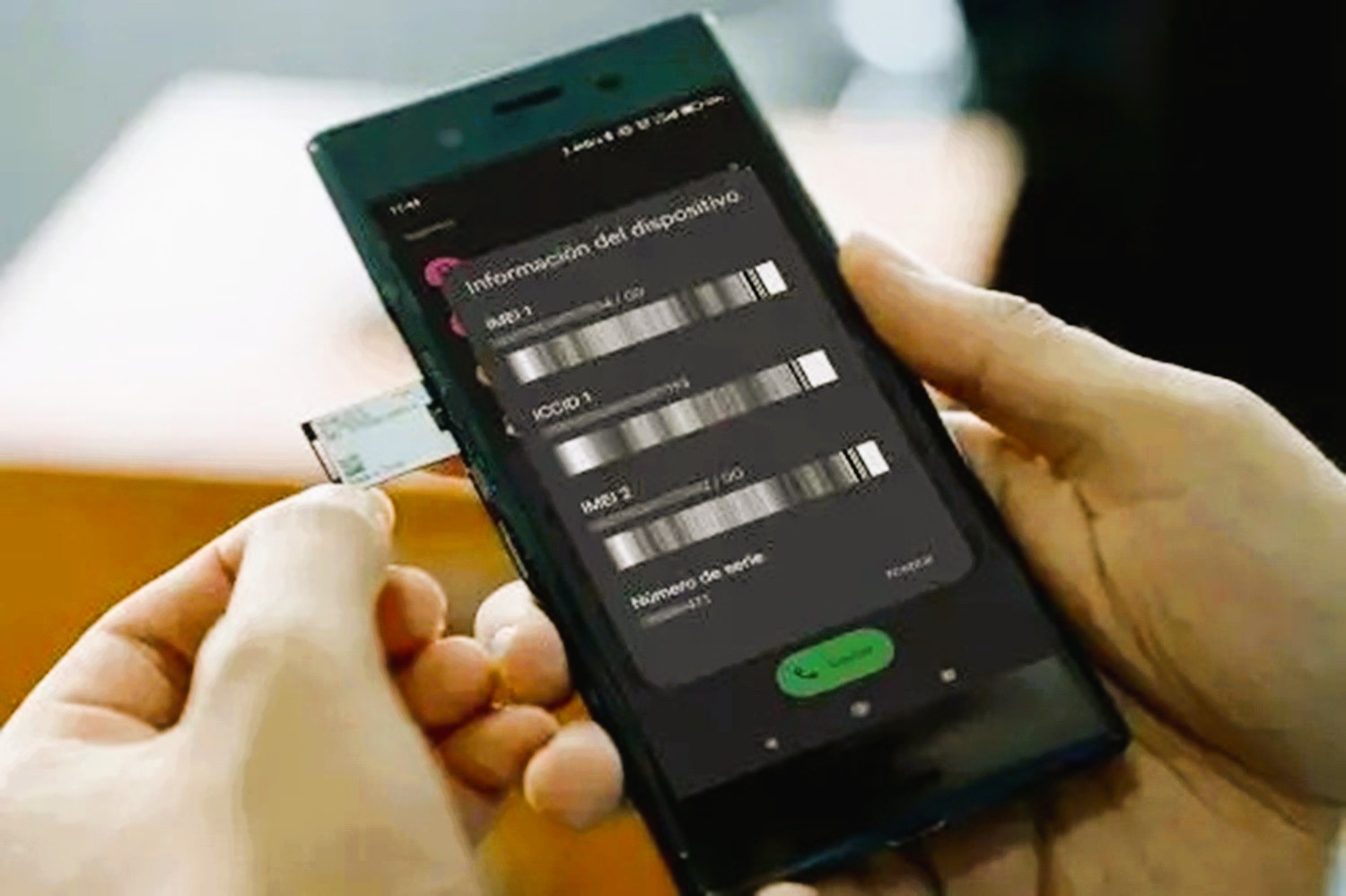
Agencia Peruana de Noticias PRENSAPERU.PE https://www.prensaperu.pe Twitter: @prensaperupe En el marco del sólido compromiso que mantiene el Poder Ejecutivo con la erradicación de la inseguridad urbana, desde el mes de abril del año corriente se ha logrado el bloqueo escalonado de más de 2,5 millones de dispositivos móviles que no contaban con registro en la lista autorizada del Registro Nacional de Equipos Terminales Móviles para la Seguridad (Renteseg) y que estaban asociados a sujetos con antecedentes recurrentes de modificación o clonación de códigos IMEI.
La iniciativa, impulsada por la Presidencia del Consejo de Ministros y ejecutada a través del Organismo Supervisor de Inversión Privada en Telecomunicaciones (Osiptel), permitió superar la meta establecida para 2025 tras la orden de bloqueo del último lote de 100.000 teléfonos celulares. Este hito se alcanzó gracias a la coordinación constante entre el ente regulador y las operadoras de telecomunicaciones, que aplicaron los lineamientos técnicos necesarios para identificar y neutralizar los equipos no autorizados.
Con base en la información consignada en el sistema Renteseg, el organismo regulador desarrolla labores de detección de dispositivos que, además de estar ausentes en la lista blanca, mantienen vínculos reiterados con el empleo de códigos IMEI inválidos o duplicados, así como con personas involucradas en investigaciones en curso de la Policía Nacional del Perú (PNP) o del Ministerio Público. Esta labor de monitoreo continuo permite anticipar el uso de equipos móviles en actividades ilícitas, reduciendo el riesgo de daños a los ciudadanos.
Estas acciones se intensificaron tras la declaratoria del estado de emergencia dispuesta por el Gobierno nacional en diversas localidades del país. En ese escenario, desde el 28 de octubre hasta la actualidad se han bloqueado más de 650.000 dispositivos móviles adicionales bajo esta modalidad, constituyendo un elemento fundamental de la respuesta integral del Estado frente a la delincuencia organizada y desorganizada. Este aumento en la operatividad se debió a la incorporación de herramientas tecnológicas avanzadas que agilizaron el proceso de identificación de equipos no registrados.
Esta medida se suma a otras estrategias impulsadas por el Ejecutivo para desmantelar la cadena que facilita delitos como la extorsión y la usurpación de identidad, entre ellas los operativos conjuntos realizados en zonas comerciales de Lima para impedir la activación y comercialización ilegal de tarjetas SIM. Estas acciones cuentan con la participación de Osiptel, la PNP, el Ministerio Público, el Registro Nacional de Identificación y Estado Civil (Reniec) y los gobiernos regionales y locales, logrando una articulación multisectorial que amplía su alcance y efectividad.
El Renteseg, creado en 2017, es liderado por el Ministerio del Interior, mientras que Osiptel se encarga de la puesta en marcha y el funcionamiento de este sistema. Su finalidad principal es prevenir y combatir el hurto, el robo y el comercio ilícito de dispositivos móviles, formando parte integral del proceso de fortalecimiento de la seguridad ciudadana en el país. A lo largo de estos años, el sistema ha sido actualizado para adaptarse a los nuevos retos tecnológicos que plantea la delincuencia en el ámbito digital.
De este modo, el Gobierno nacional refuerza una estrategia holística que articula el control de dispositivos móviles y líneas telefónicas, el fortalecimiento de la vigilancia y la persecución penal, con el propósito de proteger la identidad de los ciudadanos y disminuir el uso de servicios móviles en actividades delictivas. Esta aproximación integral busca no solo neutralizar los instrumentos utilizados por los delincuentes, sino también fortalecer los mecanismos de protección de los derechos de la población.
CONCLUSIONES
1.- El bloqueo escalonado de más de 2,5 millones de dispositivos móviles no registrados en Renteseg ha superado la meta 2025, demostrando la efectividad de la estrategia gubernamental contra la inseguridad urbana.
2.- La articulación entre el Poder Ejecutivo, Osiptel, la PNP y otros entes permite detectar equipos vinculados a IMEI clonados e investigaciones penalizadas, anticipando el uso ilícito de tecnología.
3.- La declaratoria del estado de emergencia ha impulsado el bloqueo de 650.000 equipos adicionales, reflejando la adaptación de la respuesta estatal a contextos de mayor riesgo.
4.- El Renteseg, liderado por el Ministerio del Interior y operado por Osiptel, se ha consolidado desde 2017 como herramienta clave para combatir el hurto, robo y comercio ilegal de dispositivos móviles.
5.- La estrategia holística gubernamental combina control tecnológico, fiscalización y persecución penal para proteger la identidad ciudadana y reducir el uso de servicios móviles en actividades delictivas.
Fuente: Agencia Peruana de Noticias PRENSAPERU.PE https://www.prensaperu.pe Twitter: @prensaperupe

English Translation
More than 2.5 million unregistered cell phones blocked: Government surpasses 2025 goal in the fight against insecurity and crimes using mobile technology.
Peruvian News Agency PRENSAPERU.PE https://www.prensaperu.pe Twitter: @prensaperupe As part of the Executive Branch’s strong commitment to eradicating urban insecurity, since April of this year, more than 2.5 million mobile devices have been blocked in stages. These devices were not registered on the authorized list of the National Registry of Mobile Terminal Equipment for Security (Renteseg) and were associated with individuals who had a history of modifying or cloning IMEI codes.
The initiative, spearheaded by the Presidency of the Council of Ministers and implemented through the Supervisory Agency for Private Investment in Telecommunications (Osiptel), surpassed the established 2025 target following the blocking of the final batch of 100,000 cell phones. This milestone was achieved thanks to the ongoing coordination between the regulatory body and telecommunications operators, who applied the necessary technical guidelines to identify and neutralize unauthorized devices.
Based on information recorded in the Renteseg system, the regulatory body is working to detect devices that, in addition to being absent from the whitelist, have repeated links to the use of invalid or duplicated IMEI codes, as well as to individuals involved in ongoing investigations by the Peruvian National Police (PNP) or the Public Prosecutor’s Office. This continuous monitoring allows for the anticipation of the use of mobile devices in illicit activities, reducing the risk of harm to citizens.
These actions intensified following the declaration of a state of emergency by the national government in various parts of the country. In this context, from October 28th to the present, more than 650,000 additional mobile devices have been blocked under this modality, constituting a fundamental element of the State’s comprehensive response to organized and disorganized crime. This increase in operations was due to the incorporation of advanced technological tools that expedited the process of identifying unregistered devices.
This measure complements other strategies implemented by the Executive Branch to dismantle the network that facilitates crimes such as extortion and identity theft, including joint operations carried out in commercial areas of Lima to prevent the activation and illegal sale of SIM cards. These actions involve the participation of Osiptel (the Peruvian telecommunications regulator), the National Police, the Public Prosecutor’s Office, the National Registry of Identification and Civil Status (Reniec), and regional and local governments, achieving multisectoral coordination that broadens their reach and effectiveness.
The National Registry of Mobile Device Security (Renteseg), created in 2017, is led by the Ministry of the Interior, while the Supervisory Agency for Private Investment in Telecommunications (Osiptel) is responsible for its implementation and operation. Its main purpose is to prevent and combat the theft, robbery, and illicit trade of mobile devices, forming an integral part of the process of strengthening citizen security in the country. Over the years, the system has been updated to adapt to the new technological challenges posed by crime in the digital sphere.
In this way, the national government is reinforcing a holistic strategy that integrates the control of mobile devices and telephone lines, strengthened surveillance, and criminal prosecution, with the aim of protecting citizens’ identities and reducing the use of mobile services in criminal activities. This comprehensive approach seeks not only to neutralize the tools used by criminals but also to strengthen mechanisms for protecting the rights of the population.
CONCLUSIONS
1.- The phased blocking of more than 2.5 million unregistered mobile devices in the Renteseg system has surpassed the 2025 target, demonstrating the effectiveness of the government’s strategy against urban insecurity.
2.- The collaboration between the Executive Branch, Osiptel (the Peruvian telecommunications regulator), the National Police, and other entities allows for the detection of devices linked to cloned IMEI numbers and criminal investigations, anticipating the illicit use of technology.
3.- The declaration of a state of emergency has led to the blocking of an additional 650,000 devices, reflecting the adaptation of the government’s response to higher-risk contexts.
4.- Since 2017, Renteseg, led by the Ministry of the Interior and operated by Osiptel, has become a key tool in combating the theft, robbery, and illegal trade of mobile devices.
5.- The government’s holistic strategy combines technological control, oversight, and criminal prosecution to protect citizens’ identity and reduce the use of mobile services in criminal activities.
Source: Peruvian News Agency PRENSAPERU.PE https://www.prensaperu.pe Twitter: @prensaperupe