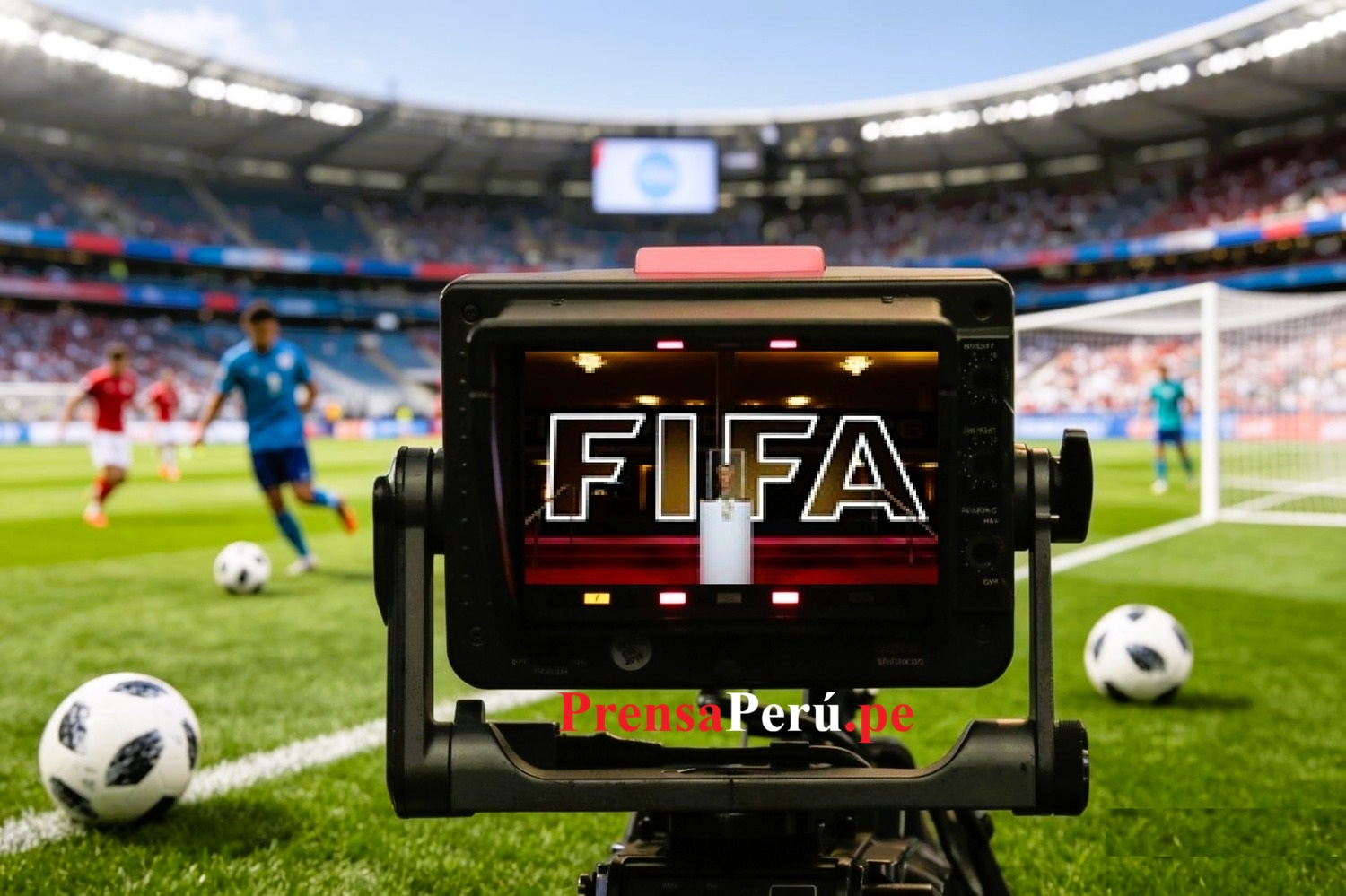
Agencia Peruana de Noticias PRENSAPERU.PE https://www.prensaperu.pe Twitter: @prensaperupe En pocas horas se abrirá el telón de un evento histórico: la Copa Mundial de Fútbol 2026. No se trata solo de un torneo deportivo más, sino de una cita que reúne al mundo entero bajo el mismo sentimiento. Por primera vez en la historia, tres naciones de Norteamérica serán anfitrionas, marcando un hito que va mucho más allá del césped. Es la oportunidad perfecta para mirar a todo el continente americano, reconocer su fuerza y reflexionar sobre lo que nos une, más allá de las distancias y las diferencias.
DEFINICIONES CONCEPTUALES
Copa Mundial de la FIFA
El torneo más importante del deporte rey, capaz de convocar a miles de millones de personas y movilizar economías enteras.
Soberanía nacional
Derecho fundamental de cada país a decidir su destino sin interferencias externas, base de la convivencia internacional.
Cortina de humo mediática
Uso de eventos masivos para desviar la atención pública de decisiones polémicas, crisis o baja popularidad de los gobernantes.
Hegemonía
Influencia desigual de una potencia sobre sus vecinos, que puede expresarse en declaraciones, políticas o incluso en la imposición de nombres geográficos.
UN TORNEO CON UNA PARADOJA POLÍTICA: ORGANIZADORES Y TENSIONES
El Mundial 2026 reúne a tres países, pero su convivencia institucional no está exenta de contradicciones profundas, especialmente por las posturas del gobierno de Estados Unidos:
Estados Unidos: Entre el espectáculo y las pretensiones
El presidente Donald Trump ha generado polémica internacional con declaraciones que trascienden lo administrativo y cuestionan la soberanía de sus socios:
1.- Canadá como “estado 51”: Recientemente ha repetido públicamente que Canadá “estaría mejor” si se integrara como el estado número 51 de su país. Frase que, más allá de la retórica, representa una visión de dominio que rompe todas las reglas de respeto entre naciones independientes. Para muchos analistas, es una declaración aberrante desde el punto de vista diplomático, un verdadero terremoto político que pone en duda la igualdad entre los organizadores.
2.- Cambio del Golfo de México a “Golfo de América”: Por orden ejecutiva, su administración modificó el nombre histórico reconocido internacionalmente desde el siglo XVI, en un gesto que busca imponer una visión hegemónica y borrar la identidad mexicana y continental . México y gran parte de América rechazan este cambio, que no tiene validez fuera del territorio estadounidense .
3.- Baja popularidad y uso político: El mandatario atraviesa una caída sostenida en las encuestas desde hace meses. El Mundial se convierte así en una herramienta estratégica: proyectar imagen de liderazgo y unidad mientras la atención se centra en el fútbol.
México y Canadá: Soberanía compartiendo escenario
Ambos países mantienen postura firme: rechazan cualquier forma de anexión o imposición, defienden su identidad y cooperan en el torneo sin renunciar a su independencia. La paradoja es evidente: comparten organización con un líder que ha puesto en duda su propia existencia como naciones libres.
TURISMO Y ECONOMÍA: OPORTUNIDADES, PERO NO CIEGAS
Se estima que llegarán más de 5 millones de visitantes y se generarán más de 150 000 millones de dólares en actividad económica. Sin embargo, la pregunta es inevitable: ¿podrá el brillo económico ocultar las tensiones políticas? ¿Se permitirá que la fiesta opaque las críticas sobre la soberanía y la igualdad entre países?
EL FÚTBOL COMO CORTINA DE HUMO: UN ANÁLISIS IMPRESCINDIBLE
Esta es la dimensión más importante. La historia enseña que grandes eventos deportivos suelen usarse para adormecer la conciencia ciudadana:
1.- Gobiernos con baja aprobación —como el actual en Estados Unidos— aprovechan para mejorar su imagen.
2.- En toda América, incluidos países como Perú, el fútbol puede desviar la mirada de decisiones polémicas, crisis económicas o incertidumbre institucional.
EL CONTEXTO PERUANO: PASIÓN Y REALIDAD INCIERTA
Mientras el mundo se prepara, en Perú vivimos una situación ejemplar: han pasado días desde la segunda vuelta presidencial y aún no hay resultados definitivos. Los organismos electorales mantienen a la población en vilo; la gente consulta encuestadoras privadas en lugar de confiar en la información oficial. Aquí el riesgo es claro: ¿el Mundial servirá para normalizar la lentitud, la falta de transparencia y la ausencia de respuestas democráticas?
DATOS
1.- La paradoja del torneo: El Mundial une deportivamente, pero revela tensiones profundas. Declaraciones como la de Canadá como “estado 51” o el cambio del nombre del golfo no son anécdotas: expresan una visión que niega la igualdad entre naciones.
2.- Riesgo de distracción estratégica: Tanto en Estados Unidos como en América Latina, el evento puede usarse para desviar la atención. Disfrutar del fútbol no significa dejar de exigir respeto a la soberanía y a la democracia.
3.- La verdadera integración va más allá del estadio: El deporte nos une, pero la verdadera fortaleza del continente se construye cuando defendemos la independencia, exigimos instituciones eficientes y no permitimos que ninguna distracción nos impida vigilar la política.
Fuente: Agencia Peruana de Noticias PRENSAPERU.PE https://www.prensaperu.pe Twitter: @prensaperupe
Translate
FIFA World Cup 2026: Celebration or distraction? Let’s enjoy the World Cup while remaining vigilant about our reality. The smokescreen of governments that live in denial of the popular will.
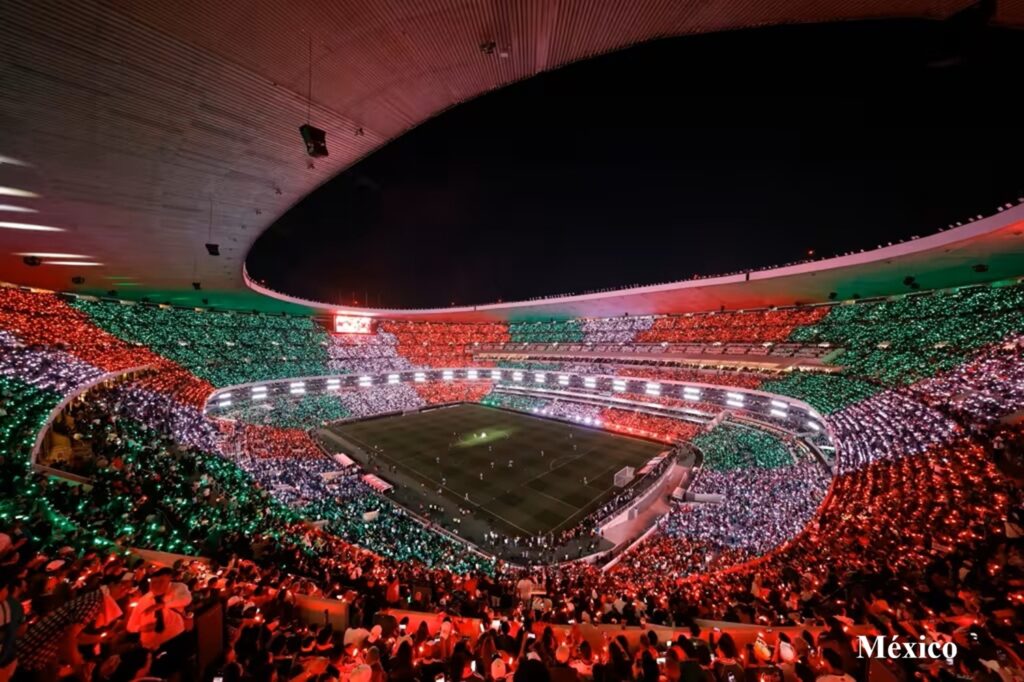
Peruvian News Agency PRENSAPERU.PE https://www.prensaperu.pe Twitter: @prensaperupe In just a few hours, the curtain will rise on a historic event: the 2026 FIFA World Cup. This is far more than just another sports tournament; it is a gathering that unites the entire world under a shared passion. For the first time in history, three North American nations will serve as hosts, marking a milestone that extends well beyond the playing field. It is the perfect opportunity to look across the entire American continent, recognize its strength, and reflect on what unites us, regardless of distances or differences.
CONCEPTUAL DEFINITIONS
FIFA World Cup
The most important tournament in world football, capable of bringing together billions of people and driving the economies of entire nations.
National sovereignty
The fundamental right of every country to determine its own destiny without external interference, serving as the foundation for international coexistence.
Media smokescreen
The use of large-scale events to divert public attention from controversial decisions, crises, or declining government approval ratings.
Hegemony
The unequal influence exerted by a powerful nation over its neighbors, which may be expressed through statements, policies, or even the imposition of geographic names.
A TOURNAMENT WITH A POLITICAL PARADOX: HOSTS AND TENSIONS
The 2026 World Cup brings together three countries, but their institutional cooperation is not without deep contradictions, particularly regarding the positions of the United States government:
United States: Between spectacle and ambition
President Donald Trump has sparked international controversy with statements that go beyond administrative matters and call into question the sovereignty of his co-hosts:
1.- Canada as the “51st state”: He has recently repeated publicly that Canada would “be better off” if it were integrated as the 51st state of the United States. Beyond rhetoric, this statement reflects a vision of dominance that violates all principles of respect for independent nations. For many analysts, it is diplomatically outrageous—a true political earthquake that calls into question the equality among the tournament’s organizers.
2.- Renaming the Gulf of Mexico to the “Gulf of America”: Through executive order, his administration changed the historic name—recognized internationally since the 16th century—in an attempt to impose a hegemonic narrative and erase Mexican and continental identity. Mexico and much of the Americas reject this change, which has no legal standing outside U.S. territory.
3.- Declining popularity and political use: The president has seen a steady drop in approval ratings over recent months. The World Cup thus becomes a strategic tool: an opportunity to project an image of leadership and unity while public attention is focused on football.
Mexico and Canada: Sovereignty on a shared stage
Both countries have maintained a firm stance: they reject any form of annexation or imposition, defend their national identity, and are cooperating in the organization of the tournament without compromising their independence. The paradox is clear: they are co-hosting an event alongside a leader who has openly questioned their very existence as free nations.
TOURISM AND THE ECONOMY: OPPORTUNITIES, BUT NOT WITHOUT CRITICISM
It is estimated that more than 5 million visitors will arrive, generating over 150 billion dollars in economic activity. However, an unavoidable question arises: will economic success be used to overshadow political tensions? Will the spectacle be allowed to distract from debates about sovereignty and equality among nations?
FOOTBALL AS A SMOKESCREEN: AN ESSENTIAL ANALYSIS
This is perhaps the most critical dimension. History shows that major sporting events are often used to lull public awareness:
1.- Governments with low approval ratings—such as the current administration in the United States—take advantage of such occasions to improve their public image.
2.- Across the Americas, including countries like Peru, football can serve as a distraction from controversial policies, economic crises, or institutional instability.
THE PERUVIAN CONTEXT: PASSION AND UNCERTAINTY
While the world prepares for the tournament, Peru is experiencing a telling situation: days have passed since the presidential runoff election, yet no final results have been announced. Electoral authorities have left the population in suspense; citizens are turning to private polling firms instead of trusting official information. Here, the risk is clear: will the World Cup be used to normalize delays, lack of transparency, and the absence of democratic accountability?
KEY POINTS
1.- The tournament’s paradox: Football brings nations together, but it also lays bare deep-seated tensions. Statements such as describing Canada as the “51st state” or renaming the Gulf of Mexico are not trivial: they reflect a worldview that rejects the equality of nations.
2.- Risk of strategic distraction: Both in the United States and across Latin America, the event could be exploited to shift focus. Enjoying the sport does not mean abandoning the defense of sovereignty and democracy.
3.- True integration goes beyond the stadium: Football unites us, but the continent’s real strength is built when we defend independence, demand effective institutions, and refuse to let any distraction stop us from holding power to account.
Source: Peruvian News Agency PRENSAPERU.PE https://www.prensaperu.pe Twitter: @prensaperupe