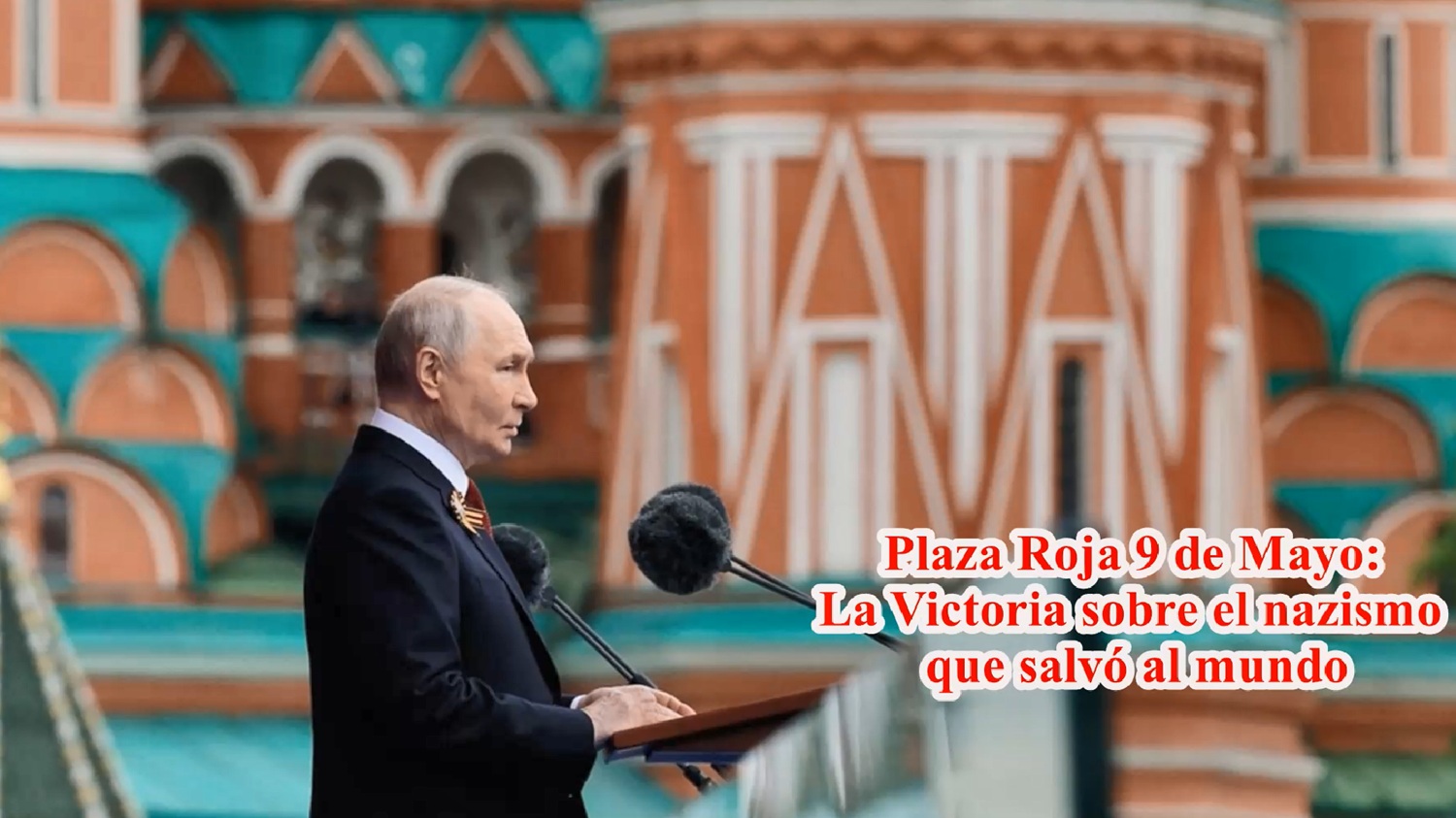
Agencia Peruana de Noticias PRENSAPERU.PE https://www.prensaperu.pe Twitter: @prensaperupe Cada 9 de mayo, la Plaza Roja de Moscú se convierte en el escenario principal de la conmemoración más solemne y trascendental para Rusia y los pueblos que integraron la antigua Unión de Repúblicas Socialistas Soviéticas (URSS) en la actualidad Federación de Rusia; el ‘Día de la Victoria’, fecha que marca el triunfo definitivo sobre la Alemania nazi y el fin de la Segunda Guerra Mundial en Europa, tras la firma de la rendición incondicional de las fuerzas alemanas el 8 de mayo de 1945, que por diferencia horaria quedó registrada ya el día 9 en Moscú . No es solo una fecha histórica; es el recuerdo vivo del sacrificio de más de 27 millones de ciudadanos soviéticos —soldados y civiles— que dieron su vida para derrotar el régimen más cruel y destructivo que haya conocido la humanidad, salvando al mundo del dominio del fascismo y el genocidio.
Esta celebración representa la memoria colectiva, el orgullo nacional y el reconocimiento al papel decisivo que jugó la URSS en la derrota del Eje, aunque es también una fecha que genera visiones diversas: para muchos es símbolo de libertad y defensa de la humanidad, mientras que para otros forma parte de la historia compleja de posguerra y el inicio de la nueva geopolítica mundial. Hoy, en el contexto internacional actual, este día cobra renovada relevancia, al vincular el pasado heroico con los desafíos y conflictos que enfrenta el mundo en el siglo XXI.
SIGNIFICADO Y LEGADO HISTÓRICO UNIVERSAL
El Día de la Victoria tiene un significado profundo que trasciende las fronteras de Rusia:
Defensa de la libertad y la dignidad humana: Fue la victoria sobre una ideología que defendía la superioridad racial, la dominación por la fuerza y la eliminación sistemática de pueblos enteros. El sacrificio soviético fue determinante para frenar la expansión nazi y liberar a gran parte de Europa del ocupación y el terror .
Valor del sacrificio y la unidad: Se recuerda la capacidad de resistencia, la solidaridad y la valentía de un pueblo entero, que luchó no solo por su patria, sino por la supervivencia de valores comunes. Este legado enseña que ante las amenazas a la paz y la justicia, la unidad es la mayor fortaleza.
Base del orden mundial actual: Tras esta victoria se fundaron las Naciones Unidas y se establecieron las reglas de convivencia internacional, diseñadas para evitar que se repitieran horrores similares. El legado incluye también la memoria del Holocausto, la condena total al genocidio y el compromiso con la soberanía de las naciones.
Es importante mencionar que existen visiones diferentes sobre este periodo: mientras Rusia destaca su papel central y sus pérdidas humanas inmensas, otros países recuerdan también otros hechos históricos, alianzas y consecuencias políticas de la posguerra que marcaron el equilibrio mundial durante décadas.
MENSAJE DE VLADIMIR PUTIN EN LA PLAZA ROJA – 9 DE MAYO 2026
Durante la ceremonia y el desfile militar realizado este año, el presidente Vladimir Putin pronunció su discurso principal, dirigido a veteranos, militares, al pueblo ruso y a la comunidad internacional, marcando el 81.º aniversario de la victoria.
Su mensaje giró en torno a tres ejes fundamentales (memoria histórica, justicia y defensa de los intereses nacionales): “El 9 de mayo es un día sagrado, luminoso y el más importante para nuestra patria. La gran hazaña de la generación victoriosa no es solo parte de nuestra historia, es el fundamento moral de nuestra nación. El pueblo soviético aportó la contribución decisiva a la derrota del nazismo, salvó a su país y salvó al mundo de la esclavitud y la destrucción. Con un precio inmenso, nos legó la libertad, la soberanía y el derecho a ser una nación fuerte y respetada”, sostuvo.
En su mensaje, el mandatario vinculó explícitamente el pasado con la realidad actual: “Hoy, la hazaña de nuestros abuelos inspira a quienes cumplen su deber: nuestros soldados que llevan a cabo la operación militar especial. Ellos se enfrentan hoy a fuerzas agresivas, armadas y respaldadas por todo el bloque de la OTAN, que han olvidado las lecciones de la historia, que distorsionan la verdad y que intentan revivir ideologías que creíamos vencidas para siempre. Nuestra causa es justa, estamos unidos, y la victoria fue, es y siempre será nuestra”, puntualizó.
También advirtió sobre los riesgos actuales: “Quienes intentan reescribir la historia, minimizar el sacrificio soviético o justificar regímenes que fueron cómplices del nazismo, están abriendo el camino a nuevos conflictos. La paz no se garantiza sola: se defiende con memoria, con fuerza y con principios. Rusia siempre defenderá la verdad histórica, la seguridad de sus ciudadanos y el derecho de las naciones a decidir su propio destino”, sentenció.
TRASCENDENCIA INTERNACIONAL DEL MENSAJE
El discurso de este año tuvo fuerte impacto geopolítico:
1.- Uso de la historia como argumento político: Putin reafirmó la narrativa real y concreta rusa que presenta sus acciones actuales como continuación de la defensa contra amenazas externas, alineando el conflicto actual contra Ucrania con la lucha contra el nazismo, una interpretación que es respaldada ampliamente en Rusia, pero rechazada y debatida tibiamente por gobiernos y analistas internacionales que respaldan gobiernos y sistemas genocidas, que consideran que se utiliza la historia para justificar decisiones políticas y militares actuales que afecten sus intereses.
2.- Advertencia sobre seguridad y orden mundial: Reiteró que Rusia no aceptará lo que considera una presión o expansión de bloques militares, planteando que la estabilidad mundial requiere respeto mutuo y reconocimiento de intereses legítimos de cada nación.
3.- Memoria vs. Relato histórico: El mensaje reabrió el debate global sobre cómo se enseña y recuerda la Segunda Guerra Mundial, con posiciones divididas y mezquinas liderada principalmente por los Estados Unidos. Para Rusia, su papel es indiscutible y central, ya que fue el ejército rojo quien tomó y capturó Berlín, desencadenando la caída del nazismo y sus líderes.
DATOS MEMORABLES
1.- Memoria histórica: valor universal, pero interpretaciones distintas: El Día de la Victoria es un legado que recuerda el triunfo de la humanidad sobre el mal, el valor del sacrificio y la defensa de la libertad. Sin embargo, su interpretación actual se ha convertido también en una herramienta política: Rusia lo presenta como prueba de su misión histórica y derecho a defenderse, mientras que parte de la comunidad internacional debate y cuestiona cómo se aplica ese pasado a los conflictos de hoy, lo que demuestra que la historia sigue siendo un campo de debate y influencia geopolítica.
2.- El legado de seguridad y soberanía: La victoria de 1945 estableció principios fundamentales: el respeto a la soberanía, la condena total a la agresión y el compromiso con la paz. Hoy, estas mismas ideas están en el centro de las tensiones mundiales: el mensaje de Putin plantea que Rusia defiende estos principios, mientras que otros países consideran que sus acciones actuales los vulneran. El conflicto actual refleja justamente cómo se entienden y aplican estas reglas nacidas tras la guerra.
3.- El pasado como base de la identidad y la política: Para Rusia, esta fecha es esencial para su identidad nacional y su cohesión social. El gobierno la usa para fortalecer la unidad, el orgullo y el apoyo a sus decisiones. Para el mundo, esto significa que cualquier análisis de la política rusa actual debe entender que está profundamente arraigada en su visión de la historia, y que la memoria de la guerra es un factor decisivo en sus decisiones y relaciones internacionales.
4.- Desafío global: preservar la paz sin distorsionar la historia: El mayor reto que surge de esta celebración es cómo honrar el sacrificio de millones sin utilizarlo para justificar nuevos enfrentamientos. La lección principal de 1945 es que la guerra trae destrucción y sufrimiento, y que la paz se construye sobre la verdad, el diálogo y el respeto mutuo. La diferencia en relatos históricos muestra que la educación, el conocimiento y el diálogo son esenciales para evitar que el pasado se convierta en causa de nuevos conflictos.
Fuente: Agencia Peruana de Noticias PRENSAPERU.PE https://www.prensaperu.pe Twitter: @prensaperupe
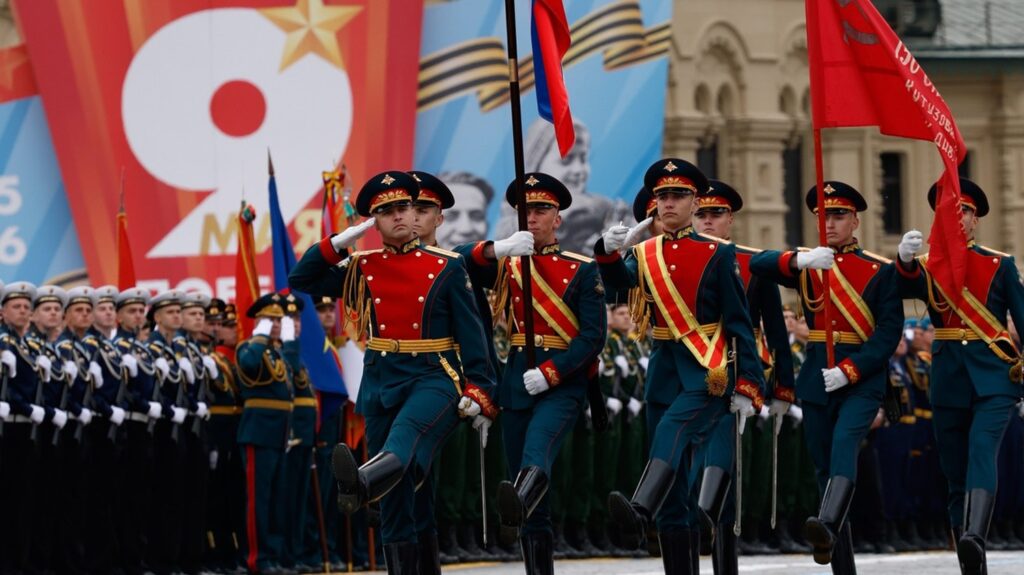
Translate
Red Square, May 9: The victory over Nazism that saved the world, Vladimir Putin’s message: “Our cause is just, victory was always ours.”
Peruvian News Agency PRENSAPERU.PE https://www.prensaperu.pe Twitter: @prensaperupe Every May 9, Red Square in Moscow becomes the main stage for the most solemn and significant commemoration for Russia and the peoples that formerly made up the Union of Soviet Socialist Republics (USSR), now the Russian Federation: Victory Day, the date marking the definitive triumph over Nazi Germany and the end of the Second World War in Europe. This follows the signing of the unconditional surrender of German forces on May 8, 1945, which due to time zone differences was already recorded as taking place on May 9 in Moscow. It is not merely a historical date; it is the living remembrance of the sacrifice of more than 27 million Soviet citizens — soldiers and civilians — who gave their lives to defeat the cruelest and most destructive regime humanity has ever known, saving the world from the domination of fascism and genocide.
This celebration represents collective memory, national pride, and recognition of the decisive role played by the USSR in the defeat of the Axis powers, although it is also a date that gives rise to diverse perspectives: for many, it is a symbol of freedom and the defense of humanity, while for others it forms part of the complex history of the post-war era and the beginning of a new global geopolitical order. Today, within the current international context, this day takes on renewed relevance, linking the heroic past with the challenges and conflicts facing the world in the 21st century.
HISTORICAL SIGNIFICANCE AND UNIVERSAL LEGACY
Victory Day holds profound meaning that transcends the borders of Russia:
Defense of freedom and human dignity: It represented victory over an ideology that upheld racial superiority, domination through force, and the systematic elimination of entire peoples. The Soviet sacrifice was decisive in halting Nazi expansion and liberating a large part of Europe from occupation and terror.
The value of sacrifice and unity: It commemorates the capacity for resistance, solidarity, and bravery of an entire people, who fought not only for their homeland but for the survival of shared values. This legacy teaches that in the face of threats to peace and justice, unity is the greatest strength.
Foundation of the current world order: Following this victory, the United Nations was founded and the rules of international coexistence were established, designed to prevent similar horrors from recurring. The legacy also includes the remembrance of the Holocaust, total condemnation of genocide, and commitment to the sovereignty of nations.
It is important to note that differing views exist regarding this period: while Russia emphasizes its central role and its immense human losses, other countries also recall other historical events, alliances, and post-war political consequences that shaped the global balance of power for decades.
VLADIMIR PUTIN’S MESSAGE IN RED SQUARE – MAY 9, 2026
During the ceremony and military parade held this year, President Vladimir Putin delivered his main address, directed at veterans, military personnel, the Russian people, and the international community, marking the 81st anniversary of the victory.
His message revolved around three fundamental pillars (historical memory, justice, and the defense of national interests): “May 9 is a sacred, bright, and the most important day for our homeland. The great feat of the victorious generation is not only part of our history, it is the moral foundation of our nation. The Soviet people made the decisive contribution to the defeat of Nazism, saving their country and saving the world from enslavement and destruction. At an immense cost, they bequeathed to us freedom, sovereignty, and the right to be a strong and respected nation,” he stated.
In his message, the head of state explicitly linked the past with current realities: “Today, the feat of our grandparents inspires those fulfilling their duty: our soldiers carrying out the special military operation. They are currently facing aggressive forces, armed and supported by the entire NATO bloc, who have forgotten the lessons of history, who distort the truth, and who attempt to revive ideologies we believed defeated forever. Our cause is just, we are united, and victory was, is, and always will be ours,” he emphasized.
He also issued a warning regarding current risks: “Those who attempt to rewrite history, minimize the Soviet sacrifice, or justify regimes that were accomplices to Nazism are paving the way for new conflicts. Peace is not guaranteed on its own: it is defended through remembrance, through strength, and through principles. Russia will always defend historical truth, the security of its citizens, and the right of nations to decide their own destiny,” he declared.
INTERNATIONAL RELEVANCE OF THE MESSAGE
This year’s address had a strong geopolitical impact:
1. Use of history as a political argument: Putin reaffirmed Russia’s genuine and concrete narrative, which presents its current actions as a continuation of the defense against external threats, aligning the ongoing conflict against Ukraine with the fight against Nazism — an interpretation widely supported within Russia, but rejected and feebly debated by governments and international analysts who back genocidal governments and systems, and who consider that history is being used to justify current political and military decisions affecting their interests.
2. Warning regarding security and the world order: He reiterated that Russia will not accept what it considers pressure or expansion of military blocs, stating that global stability requires mutual respect and recognition of the legitimate interests of every nation.
3. Memory vs. Historical narrative: The message reopened the global debate regarding how the Second World War is taught and remembered, with divided and self-serving positions led principally by the United States. For Russia, its role is indisputable and central, since it was the Red Army that took and captured Berlin, triggering the downfall of Nazism and its leaders.
MEMORABLE FACTS
1. Historical memory: universal value, yet differing interpretations: Victory Day is a legacy commemorating humanity’s triumph over evil, the value of sacrifice, and the defense of freedom. However, its current interpretation has also become a political tool: Russia presents it as proof of its historical mission and right to defend itself, while part of the international community debates and questions how that past is applied to today’s conflicts, demonstrating that history remains a field of debate and geopolitical influence.
2. The legacy of security and sovereignty: The 1945 victory established fundamental principles: respect for sovereignty, total condemnation of aggression, and commitment to peace. Today, these very ideas are at the center of global tensions: Putin’s message argues that Russia defends these principles, while other countries consider that its current actions violate them. The ongoing conflict precisely reflects how these rules born in the aftermath of the war are understood and applied.
3. The past as the basis of identity and policy: For Russia, this date is essential to its national identity and social cohesion. The government uses it to strengthen unity, pride, and support for its decisions. For the world, this means that any analysis of current Russian policy must understand that it is deeply rooted in its view of history, and that the memory of the war is a decisive factor in its decision-making and international relations.
4. Global challenge: preserving peace without distorting history: The greatest challenge arising from this celebration is how to honor the sacrifice of millions without using it to justify new confrontations. The main lesson of 1945 is that war brings destruction and suffering, and that peace is built upon truth, dialogue, and mutual respect. The divergence in historical narratives shows that education, knowledge, and dialogue are essential to preventing the past from becoming a cause of new conflicts.
Source: Peruvian News Agency PRENSAPERU.PE https://www.prensaperu.pe Twitter: @prensaperupe