
Agencia Peruana de Noticias PRENSAPERU.PE https://www.prensaperu.pe Twitter: @prensaperupe El Perú ha reafirmado su prestigio y se ha posicionado como un verdadero referente mundial en materia de turismo inteligente, gracias a su sobresaliente desempeño en el Foro Internacional de Destinos Turísticos Inteligentes (FIDI) Río de Janeiro 2026. Esta participación no solo ha proyectado la imagen país al más alto nivel, sino que ha permitido obtener importantes distinciones que demuestran resultados tangibles y una transformación profunda y exitosa del sector turismo a nivel nacional.
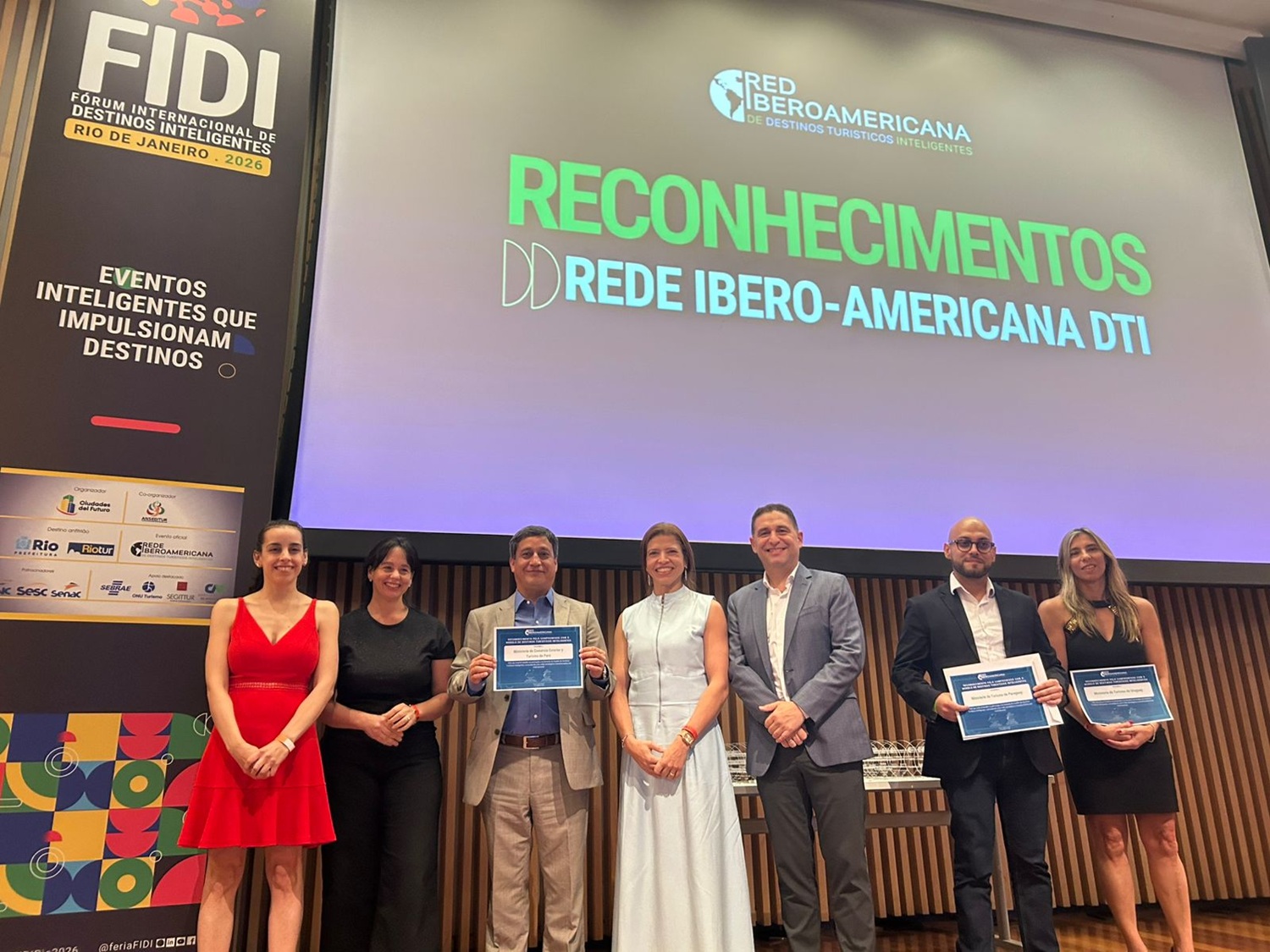
Durante la ceremonia inaugural del evento, llevada a cabo el pasado 27 de abril, el Ministerio de Comercio Exterior y Turismo (MINCETUR) recibió un merecido reconocimiento por su destacado liderazgo y firme compromiso con la implementación de la metodología de Destinos Turísticos Inteligentes (DTI) en todo el territorio. La distinción fue recibida por el director general de Estrategia Turística, en representación de la institución. De igual manera, la ciudad de Arequipa —primer destino peruano en alcanzar la categoría de DTI Adherido— fue también galardonada, validando así la correcta aplicación y expansión de este modelo innovador en el país.
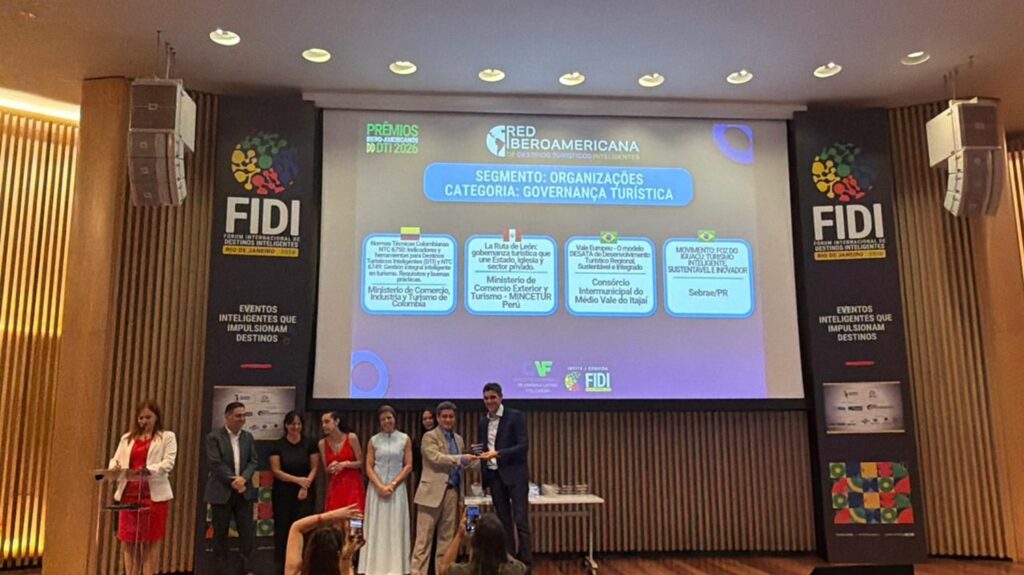
El momento cumbre se vivió en la gala de los Premios Iberoamericanos DTI 2026, donde el Perú cosechó un total de seis importantes reconocimientos internacionales. Entre los logros más destacados figura la iniciativa “Ruta del Papa León XIV”, la cual se alzó con dos premios (votación popular y fallo del jurado) en la categoría de . Asimismo, el “Sistema Nacional de Seguimiento y Evaluación de los Planes Estratégicos de Desarrollo Turístico Regional y Local (PERTUR)” obtuvo doble distinción en el área de Tecnología y Gestión de Datos, demostrando la solidez de la información y planificación nacional. Completando este exitoso panorama, la experiencia de turismo rural comunitario “Granja Porcón”, ubicada en Cajamarca, también recibió dos galardones que reconocen su excelente labor en sostenibilidad ambiental y responsabilidad social.
Esta tercera participación consecutiva del Perú en el FIDI evidencia una evolución constante y sólida. El país ha logrado transitar exitosamente desde una etapa inicial de adopción del modelo hacia una fase de madurez y consolidación con resultados medibles. Esta trayectoria ascendente se refleja en las cifras: tras obtener 2 reconocimientos en 2024 y 11 distinciones en 2025, el Perú se consolida hoy como la nación más galardonada de toda la región.
Ante estos logros, el ministro de Comercio Exterior y Turismo, José Reyes Llanos, resaltó que “estos resultados son el fiel reflejo del avance del Perú hacia un turismo moderno, donde la innovación, la tecnología y la gestión basada en evidencia permiten fortalecer la competitividad de nuestros destinos y, lo más importante, generar bienestar y beneficios concretos para nuestras comunidades”. Además, enfatizó que “estos éxitos son el resultado de un trabajo articulado y sinérgico entre el Gobierno Nacional, los gobiernos regionales y locales, el sector privado y la academia, consolidando un modelo de gestión turística que tiene como pilares fundamentales la sostenibilidad y la inclusión”.
Con estos nuevos laureles, el Perú reafirma su rol protagónico dentro de la Red Iberoamericana de Destinos Turísticos Inteligentes, estableciéndose inequívocamente como el líder regional en la implementación de este modelo y trazando el camino hacia un turismo cada vez más innovador, responsable y competitivo.
Para una mejor comprensión del texto, es importante definir:
Destino Turístico Inteligente (DTI): Es un espacio innovador, accesible y consolidado, dotado de infraestructura tecnológica que garantiza el desarrollo sostenible del territorio, facilita la experiencia del visitante y mejora la calidad de vida de la población local. Se basa en cinco pilares: Gobernanza, Innovación, Tecnología, Sostenibilidad y Accesibilidad.
Gobernanza Turística: Se refiere al conjunto de normas, procesos y políticas que permiten una coordinación eficaz entre los distintos actores públicos y privados para gestionar el turismo de manera ordenada y planificada.
PERTUR: Son los Planes Estratégicos de Desarrollo Turístico Regional y Local, instrumentos técnicos que sirven para orientar la inversión y el desarrollo de la actividad turística en cada región del país.
DATOS
1.- Liderazgo Regional Indiscutible: El Perú ha dejado de ser solo un adoptador de buenas prácticas para convertirse en un modelo a seguir en América Latina, demostrando que la implementación del modelo DTI es viable, exitosa y genera reconocimiento internacional constante.
2.- Enfoque Integral y Sostenible: Los premios obtenidos abarcan desde la tecnología y la planificación hasta el impacto social y ambiental, lo que demuestra que el desarrollo turístico nacional se basa en un equilibrio perfecto entre modernidad y respeto por el entorno y las comunidades.
3.- El Trabajo en Red como Clave del Éxito: Los logros alcanzados son la consecuencia directa de una visión de Estado que une esfuerzos entre todos los niveles de gobierno y la sociedad civil, demostrando que la unión de voluntades es el motor para transformar el sector.
Fuente: Agencia Peruana de Noticias PRENSAPERU.PE https://www.prensaperu.pe Twitter: @prensaperupe
Translate
The Peruvian Tourism Model Triumphs in Brazil: “Our country is the most awarded in the region in ‘Smart Tourism’ by winning FIDI 2026 and leading it in Ibero-America.”
Peruvian News Agency PRENSAPERU.PE https://www.prensaperu.pe Twitter: @prensaperupe Peru has reaffirmed its prestige and positioned itself as a true global reference in smart tourism, thanks to its outstanding performance at the International Forum of Smart Tourist Destinations (FIDI) Rio de Janeiro 2026. This participation has not only projected the country’s image at the highest level, but has also made it possible to obtain important distinctions that demonstrate tangible results and a profound and successful transformation of the tourism sector at the national level.
During the opening ceremony of the event, held last April 27, the Ministry of Foreign Trade and Tourism (MINCETUR) received well-deserved recognition for its outstanding leadership and firm commitment to the implementation of the methodology of Smart Tourist Destinations (DTI) throughout the territory. The distinction was received by the General Director of Tourism Strategy, representing the institution. Likewise, the city of Arequipa —the first Peruvian destination to reach the category of Affiliated DTI— was also awarded, thus validating the correct application and expansion of this innovative model in the country.
The highlight of the event took place at the gala of the Ibero-American DTI Awards 2026, where Peru garnered a total of six important international recognitions. Among the most outstanding achievements is the initiative “Route of Pope Leo XIV”, which won two awards (popular vote and jury’s decision) in the category of Tourism Governance. Likewise, the “National System for Monitoring and Evaluating the Strategic Plans for Regional and Local Tourism Development (PERTUR)” obtained a double distinction in the area of Technology and Data Management, demonstrating the solidity of national information and planning. Completing this successful panorama, the community rural tourism experience “Granja Porcón”, located in Cajamarca, also received two awards recognizing its excellent work in environmental sustainability and social responsibility.
This third consecutive participation of Peru in FIDI demonstrates a constant and solid evolution. The country has successfully transitioned from an initial stage of adopting the model to a phase of maturity and consolidation with measurable results. This upward trajectory is reflected in the figures: after obtaining 2 recognitions in 2024 and 11 distinctions in 2025, Peru is now consolidated as the most awarded nation in the entire region.
Regarding these achievements, the Minister of Foreign Trade and Tourism, José Reyes Llanos, highlighted that “these results are the faithful reflection of Peru’s progress towards modern tourism, where innovation, technology and evidence-based management allow us to strengthen the competitiveness of our destinations and, most importantly, generate well-being and concrete benefits for our communities”. Furthermore, he emphasized that “these successes are the result of coordinated and synergistic work between the National Government, regional and local governments, the private sector and academia, consolidating a tourism management model that has sustainability and inclusion as its fundamental pillars”.
With these new accolades, Peru reaffirms its leading role within the Ibero-American Network of Smart Tourist Destinations, establishing itself unequivocally as the regional leader in the implementation of this model and paving the way towards an increasingly innovative, responsible and competitive tourism sector.
For a better understanding of the text, it is important to define:
Smart Tourist Destination (DTI): It is an innovative, accessible and consolidated space, equipped with technological infrastructure that guarantees the sustainable development of the territory, facilitates the visitor’s experience and improves the quality of life of the local population. It is based on five pillars: Governance, Innovation, Technology, Sustainability and Accessibility.
Tourism Governance: Refers to the set of norms, processes and policies that allow effective coordination between different public and private actors to manage tourism in an orderly and planned manner.
PERTUR: These are the Strategic Plans for Regional and Local Tourism Development, technical instruments used to guide investment and the development of tourism activity in each region of the country.
DATA
1.- Undisputed Regional Leadership: Peru has ceased to be merely an adopter of good practices to become a model to follow in Latin America, demonstrating that the implementation of the DTI model is viable, successful and generates constant international recognition.
2.- Comprehensive and Sustainable Approach: The awards obtained range from technology and planning to social and environmental impact, which demonstrates that national tourism development is based on a perfect balance between modernity and respect for the environment and communities.
3.- Networking as the Key to Success: The achievements made are the direct consequence of a State vision that unites efforts between all levels of government and civil society, demonstrating that the union of wills is the engine to transform the sector.
Source: Peruvian News Agency PRENSAPERU.PE https://www.prensaperu.pe Twitter: @prensaperupe