
Agencia Peruana de Noticias PRENSAPERU.PE https://www.prensaperu.pe Twitter: @prensaperupe El Poder Ejecutivo ha dado un paso histórico y trascendental al oficializar la Ley N° 32590, norma que autoriza el incremento de la asignación económica mensual destinada a todo el personal que presta el Servicio Militar Acuartelado en las Fuerzas Armadas del Perú. Esta medida legislativa, publicada en el diario oficial El Peruano, representa mucho más que un ajuste económico: constituye un acto de justicia, valoración y reconocimiento explícito hacia los jóvenes que, con vocación de servicio, defienden la soberanía, la integridad territorial y los intereses de la nación.
El objetivo central de esta ley es actualizar la escala de ingresos que reciben los conscriptos y personal en servicio activo, alineándola con la realidad económica actual y, sobre todo, con la importancia, exigencia y responsabilidad de las funciones que cumplen diariamente. Se busca, de este modo, mejorar significativamente su bienestar personal y familiar, entendiendo que el joven que presta servicio militar no solo entrega su tiempo y esfuerzo, sino que también asume deberes que requieren dedicación exclusiva, disciplina y preparación física y mental.
¿QUIÉNES SE BENEFICIAN QUE IMPLCA ESTA NORMA?
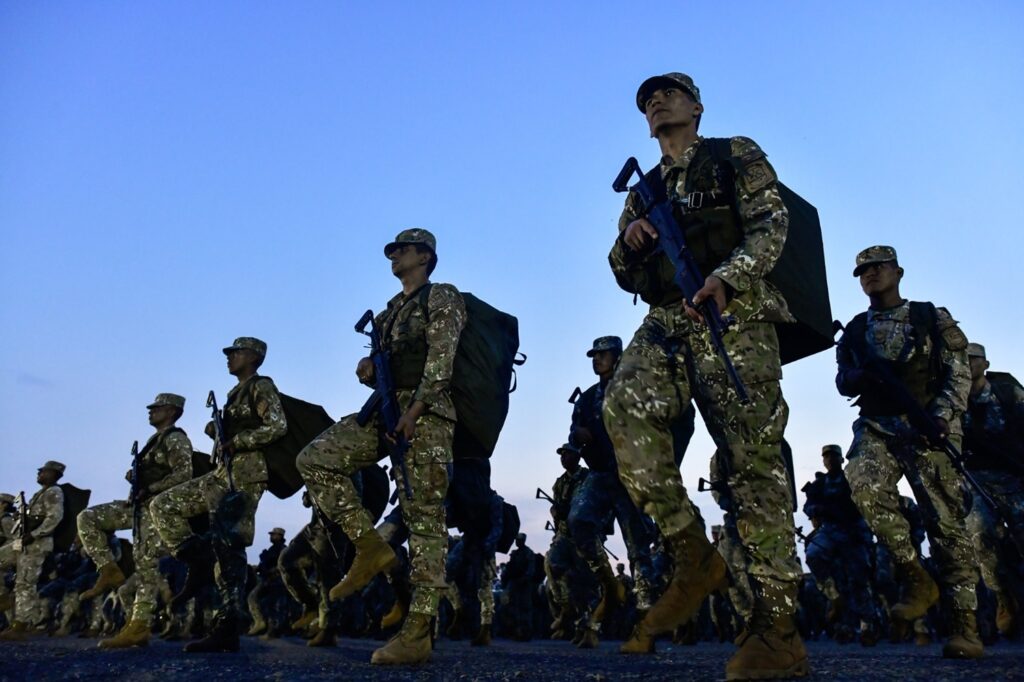
La ley alcanza de manera equitativa a las tropas de las tres instituciones que conforman las Fuerzas Armadas: el Ejército del Perú, la Marina de Guerra del Perú y la Fuerza Aérea del Perú. La norma establece que la retribución económica que perciben estos jóvenes debe ser acorde con las funciones y responsabilidades asumidas, rompiendo con una situación que, durante años, mantenía asignaciones muy por debajo del esfuerzo y la dedicación que el servicio a la patria exige.
SERVICIO MILITAR ACUARTELADO
El Servicio Militar Acuartelado es la prestación efectiva del servicio militar obligatorio o voluntario, mediante la incorporación del ciudadano a las unidades, instalaciones o dependencias de las Fuerzas Armadas, bajo régimen de internado, recibiendo instrucción militar, formación cívica y moral, y cumpliendo misiones de defensa y seguridad. Es una etapa fundamental de formación ciudadana y de preparación para la defensa nacional.
DECLARACIONES DEL PREMIER SOBRE EL ANUNCIO A LA ACCIÓN DIRECTA
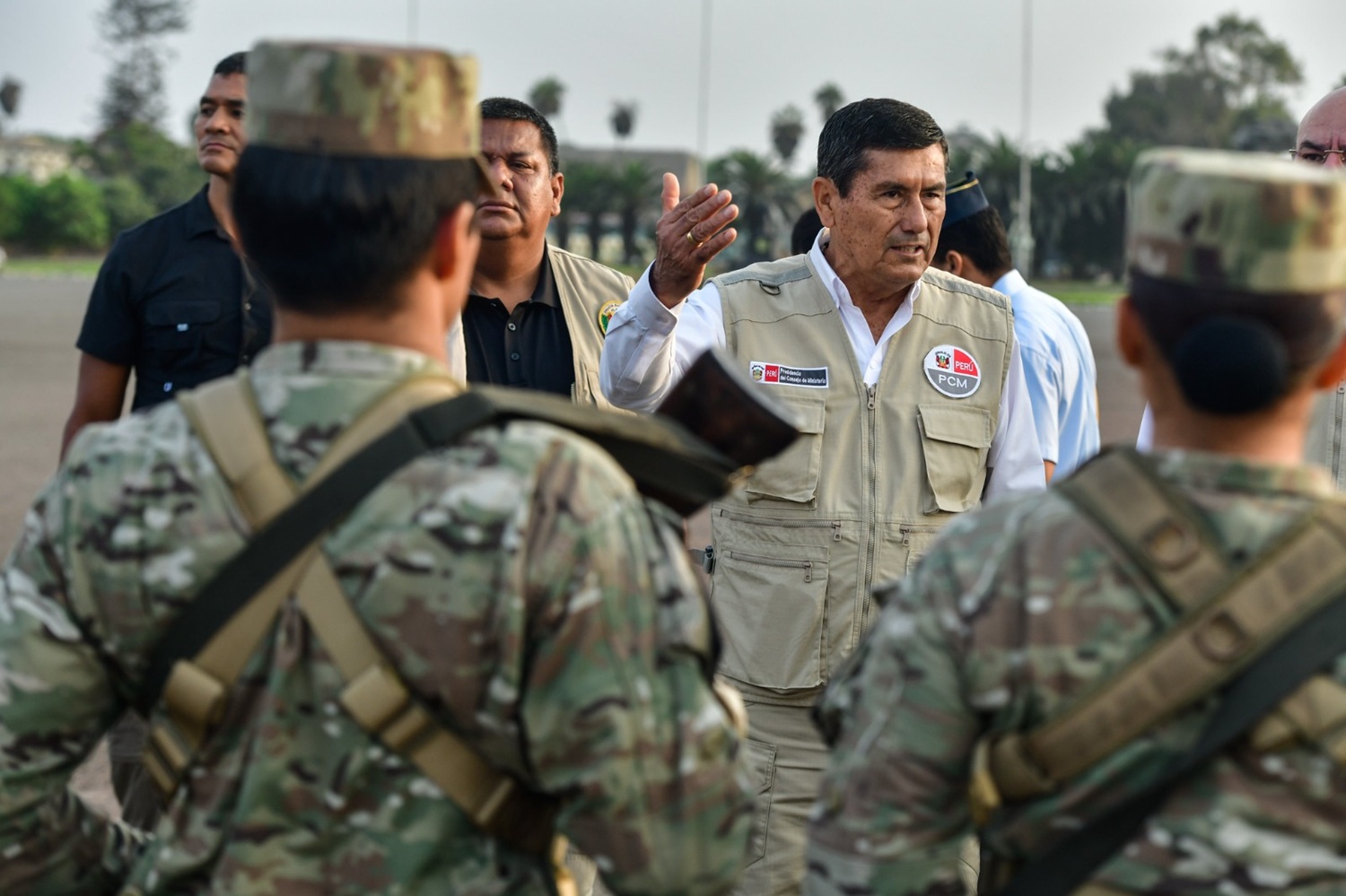
Durante la presentación oficial de la medida, el presidente del Consejo de Ministros, Luis Arroyo, resaltó el carácter transformador de esta iniciativa: “Con esta ley pasamos del anuncio a la acción para garantizar que nuestros soldados, marinos y aviadores tengan una vida digna mientras defienden nuestra soberanía. Un Estado que llega a sus defensores es un Estado que verdaderamente agradece su sacrificio.”
Estas palabras reflejan el espíritu de la norma: el reconocimiento de que quienes portan el uniforme merecen condiciones dignas que les permitan enfocarse plenamente en su entrenamiento y en el cumplimiento de su deber, sin que las necesidades económicas personales o familiares se conviertan en una carga o distracción. Además, se reconoce que el servicio militar debe ser, para cada joven, una experiencia formativa que le abra puertas y le brinde herramientas para su futuro desarrollo.
IMPLEMENTACIÓN, FINANCIAMIENTO Y VISIÓN ESTRATÉGICA
El incremento aprobado entrará en vigencia y se hará efectivo a partir del mes de junio del año fiscal 2026, fecha a partir de la cual se verán reflejados estos cambios en las asignaciones mensuales.
Para garantizar la sostenibilidad y viabilidad financiera de esta medida, el Gobierno ha dispuesto un financiamiento de hasta 20 millones de soles, monto que será cubierto con cargo al presupuesto institucional de las Fuerzas Armadas y a los recursos asignados al pliego del Ministerio de Defensa. Esta asignación presupuestaria ha sido planificada de manera técnica y responsable, asegurando que no afecte otras áreas esenciales de la gestión pública ni el funcionamiento operativo de las instituciones armadas.
AL RESPECTO EL PREMIER DETALLÓ UNA VISIÓN DE ESTADO FUNDAMENTAL
“Esta actualización no es un gasto, sino una inversión social que coadyuva al desarrollo del país y fortalece la seguridad ciudadana, pilar estratégico de la política general de Gobierno expuesta ante el Congreso.”
Esta distinción es clave: mejorar las condiciones del personal militar no solo beneficia al individuo, sino que fortalece la capacidad operativa y el compromiso de las Fuerzas Armadas, instituciones garantes de la paz, el orden y la seguridad de todos los peruanos. Una fuerza armada valorada y respaldada es sinónimo de una nación más segura y estable.
Asimismo, el titular de la Presidencia del Consejo de Ministros (PCM), Luis Enrique Arroyo Sánchez, expresó: “Esta gestión tiene la voluntad política de cumplir sus promesas y de otorgarles a los militares las herramientas necesarias para que su paso por el cuartel sea el inicio de un futuro con mayores oportunidades.”
La norma lleva la firma oficial del presidente de la República, José María Balcázar, y del propio jefe del Gabinete Ministerial, sellando así el compromiso irrenunciable del Poder Ejecutivo con la inclusión social, la equidad y la valoración del servicio a la Nación como uno de los valores más altos de nuestra sociedad, sentenció.
DATOS
1.- Reconocimiento y Dignificación del Servicio a la Patria: La Ley N° 32590 marca un hito histórico al actualizar las asignaciones económicas, dejando claro que el servicio militar es una labor de alto valor social y estratégico que merece una retribución justa, digna y acorde con las responsabilidades que implica, fortaleciendo así el vínculo entre el Estado y quienes lo defienden.
2.- Inversión Estratégica para la Seguridad y Desarrollo: Lejos de ser considerado un gasto, este incremento se define como una inversión social que impacta directamente en la calidad de vida de los jóvenes y sus familias, y al mismo tiempo refuerza la capacidad, motivación y estabilidad de las Fuerzas Armadas, pilares fundamentales para la seguridad ciudadana y la defensa de la soberanía nacional.
3.- Cumplimiento y Compromiso de Estado: La promulgación de esta norma reafirma la voluntad política del Gobierno de cumplir sus compromisos y de poner en práctica políticas de inclusión y justicia social. Se garantiza que el paso por el servicio militar sea una experiencia formativa positiva, que brinde oportunidades y preparación para el futuro personal y profesional de los jóvenes peruanos.
Fuente: Agencia Peruana de Noticias PRENSAPERU.PE https://www.prensaperu.pe Twitter: @prensaperupe
Translate
Military Service: Dignity and economic justice for those who defend Peru, ‘Armed Forces’ receive historic update in their monthly allowances effective from June 2026.
Peruvian News Agency PRENSAPERU.PE https://www.prensaperu.pe Twitter: @prensaperupe The Executive Branch has taken a historic and momentous step by officially enacting Law No. 32590, a regulation authorizing the increase in the monthly economic allowance for all personnel serving in Barracked Military Service within the Armed Forces of Peru. This legislative measure, published in the official gazette El Peruano, represents far more than an economic adjustment: it constitutes an act of justice, recognition, and explicit appreciation toward young people who, with a spirit of service, defend the sovereignty, territorial integrity, and interests of the nation.
The central objective of this law is to update the income scale received by conscripts and active-duty personnel, aligning it with current economic realities and, above all, with the importance, demands, and responsibilities of the duties they perform daily. In this way, it seeks to significantly improve their personal and family well-being, recognizing that young people performing military service not only give their time and effort but also assume duties that require exclusive dedication, discipline, and physical and mental preparation.
WHO BENEFITS AND WHAT DOES THIS REGULATION ENTAIL?
The law applies equally to the troops of the three institutions that make up the Armed Forces: the Peruvian Army, the Peruvian Navy, and the Peruvian Air Force. The regulation establishes that the economic remuneration received by these young people must be commensurate with the functions and responsibilities they undertake, putting an end to a situation that, for years, maintained allowances far below the effort and dedication that service to the homeland demands.
BARRACKED MILITARY SERVICE
Barracked Military Service refers to the effective provision of compulsory or voluntary military service, through the incorporation of citizens into units, facilities, or dependencies of the Armed Forces, under a residential regime, receiving military training, civic and moral education, and fulfilling defense and security missions. It constitutes a fundamental stage of civic formation and preparation for national defense.
STATEMENTS BY THE PRIME MINISTER REGARDING THE SHIFT FROM ANNOUNCEMENT TO DIRECT ACTION
During the official presentation of the measure, the President of the Council of Ministers, Luis Arroyo, highlighted the transformative nature of this initiative: “With this law, we move from announcement to action to ensure that our soldiers, sailors, and airmen enjoy a dignified life while defending our sovereignty. A State that stands by its defenders is a State that truly values their sacrifice.”
These words reflect the spirit of the regulation: the recognition that those who wear the uniform deserve dignified conditions that allow them to focus fully on their training and the fulfillment of their duty, without personal or family economic needs becoming a burden or distraction. Furthermore, it acknowledges that military service should be, for every young person, a formative experience that opens doors and provides tools for their future development.
IMPLEMENTATION, FUNDING, AND STRATEGIC VISION
The approved increase will enter into force and take effect as of June of the fiscal year 2026, the date from which these changes will be reflected in monthly allowances.
To ensure the sustainability and financial viability of this measure, the Government has allocated funding of up to 20 million soles, an amount to be covered by the institutional budget of the Armed Forces and resources assigned to the Ministry of Defense. This budget allocation has been planned in a technical and responsible manner, ensuring that it does not affect other essential areas of public administration or the operational functioning of the armed institutions.
IN THIS REGARD, THE PRIME MINISTER OUTLINED A FUNDAMENTAL STATE VISION
“This update is not an expense, but rather a social investment that contributes to the country’s development and strengthens citizen security, a strategic pillar of the Government’s general policy presented before Congress.”
This distinction is key: improving the conditions of military personnel not only benefits individuals but also strengthens the operational capacity and commitment of the Armed Forces, institutions that guarantee peace, order, and security for all Peruvians. A valued and supported armed force is synonymous with a safer and more stable nation.
Likewise, the head of the Presidency of the Council of Ministers (PCM), Luis Enrique Arroyo Sánchez, stated: “This administration has the political will to fulfill its promises and to provide military personnel with the necessary tools so that their time in the barracks marks the beginning of a future with greater opportunities.”
The regulation bears the official signature of the President of the Republic, José María Balcázar, and of the Head of the Ministerial Cabinet himself, thereby sealing the Executive Branch’s irrevocable commitment to social inclusion, equity, and the recognition of service to the Nation as one of the highest values of our society, he emphasized.
DATA
1.- Recognition and Dignification of Service to the Homeland: Law No. 32590 marks a historic milestone by updating economic allowances, making it clear that military service is a task of high social and strategic value that deserves fair, dignified remuneration commensurate with the responsibilities it entails, thereby strengthening the bond between the State and those who defend it.
2.- Strategic Investment for Security and Development: Far from being regarded as an expense, this increase is defined as a social investment that directly impacts the quality of life of young people and their families, while simultaneously reinforcing the capacity, motivation, and stability of the Armed Forces — fundamental pillars for citizen security and the defense of national sovereignty.
3.- Compliance and State Commitment: The enactment of this regulation reaffirms the Government’s political will to meet its commitments and to put into practice policies of inclusion and social justice. It ensures that military service becomes a positive formative experience that provides opportunities and preparation for the personal and professional future of young Peruvians.
Source: Peruvian News Agency PRENSAPERU.PE https://www.prensaperu.pe Twitter: @prensaperupe