
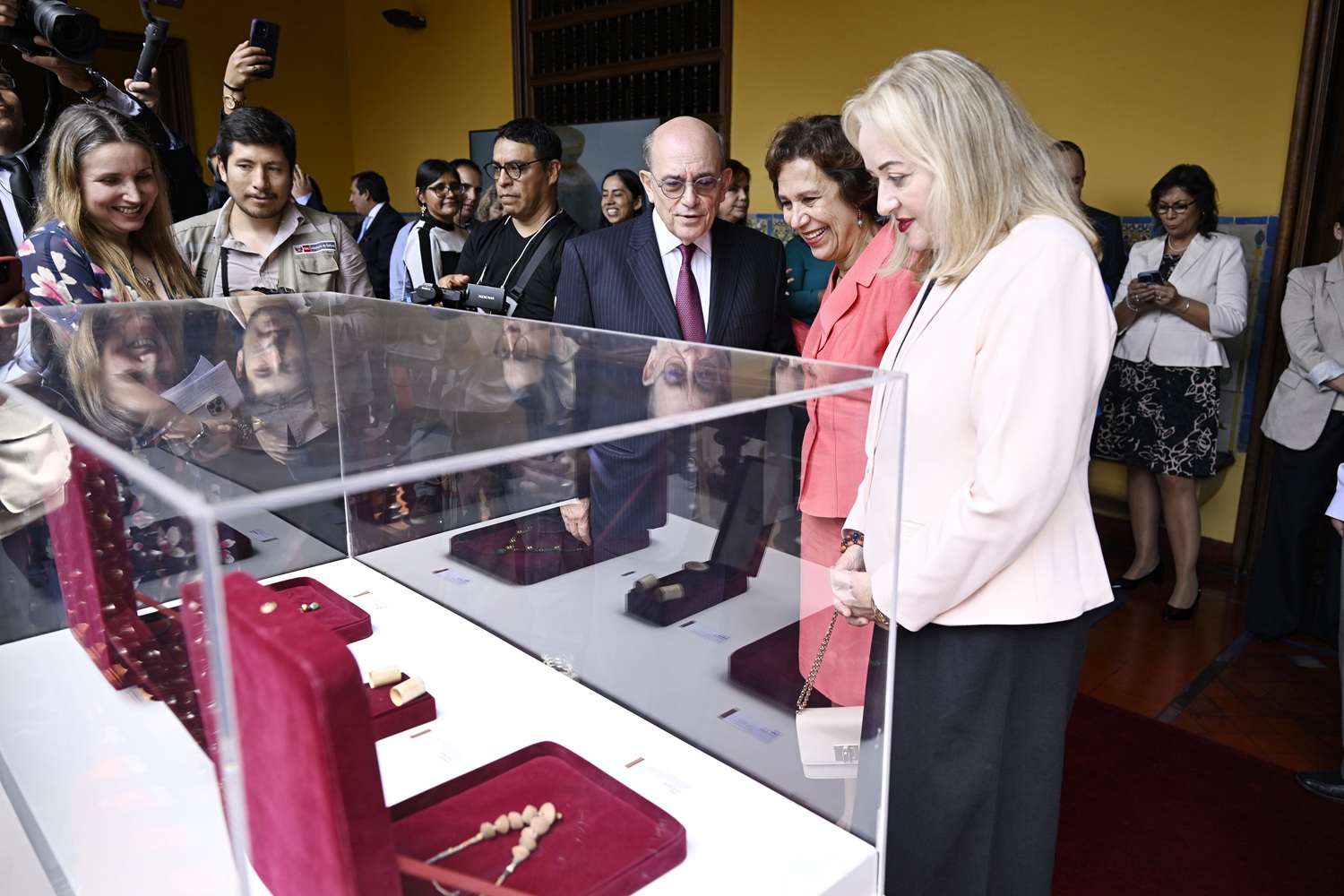
Agencia Peruana de Noticias PRENSAPERU.PE https://www.prensaperu.pe Twitter: @prensaperupe En un hito trascendental que marca dos siglos de fructíferas relaciones diplomáticas entre Perú y Estados Unidos, el Ministerio de Relaciones Exteriores del Perú inauguró hoy la conmovedora exposición “El retorno compartido: Patrimonio Cultural peruano repatriado desde los Estados Unidos de América”. Esta exhibición no es solo una celebración de la amistad bilateral, sino una poderosa manifestación del compromiso inquebrantable de ambas naciones con la protección y preservación del invaluable legado cultural peruano para las generaciones presentes y futuras.
La Cancillería: Custodia Activa del Patrimonio Nacional
La exposición ofrece una mirada detallada y fascinante al meticuloso y persistente trabajo de la Cancillería peruana. Desde el momento en que se tiene conocimiento de un posible caso de tráfico ilícito de bienes culturales, hasta la culminación del proceso con la repatriación de las piezas y su posterior entrega al Ministerio de Cultura, cada etapa se despliega con precisión. Este esfuerzo subraya el rol fundamental del Ministerio de Relaciones Exteriores no solo en la diplomacia internacional, sino también como un custodio activo del patrimonio cultural, utilizando sus redes y herramientas diplomáticas para recuperar lo que legítimamente pertenece a la nación.
El proceso de reclamación y repatriación es complejo y multifacético, implicando investigación, negociación y coordinación legal. La muestra ilustra cómo estos esfuerzos culminan en el retorno de tesoros que, a menudo, han sido sustraídos ilegalmente o exportados sin la debida autorización.
Patrimonio Cultural: Un Vínculo con la Identidad y la Responsabilidad Colectiva
Uno de los mensajes centrales de “El retorno compartido” es la profunda significación del patrimonio cultural. Este concepto se define como el conjunto de bienes materiales e inmateriales que son herencia de un grupo humano y que tienen un valor excepcional desde el punto de vista de la historia, el arte, la ciencia o la etnología. En el contexto peruano, abarca desde piezas arqueológicas precolombinas hasta obras de arte virreinales, documentos históricos y tradiciones orales.
La exposición busca, por tanto, no solo informar, sino también inspirar. Promueve el respeto intrínseco por el patrimonio cultural, fortaleciendo lo que se denomina sentido de pertenencia colectiva. Este se refiere a la conexión emocional y simbólica que los individuos sienten con su cultura, historia y comunidad, un sentimiento que se nutre y refuerza al ver regresar y exhibirse estos objetos que narran la historia y la identidad de un pueblo. Al mismo tiempo, remarca la necesidad imperante de proteger este patrimonio como una responsabilidad compartida. Esto implica que no es tarea exclusiva del Estado o de instituciones específicas, sino que recae en cada ciudadano, a nivel nacional e internacional, la obligación moral y ética de salvaguardar estos bienes para asegurar su preservación ininterrumpida para las generaciones actuales y las venideras.
Casos Emblemáticos: Historias de Éxito en la Recuperación
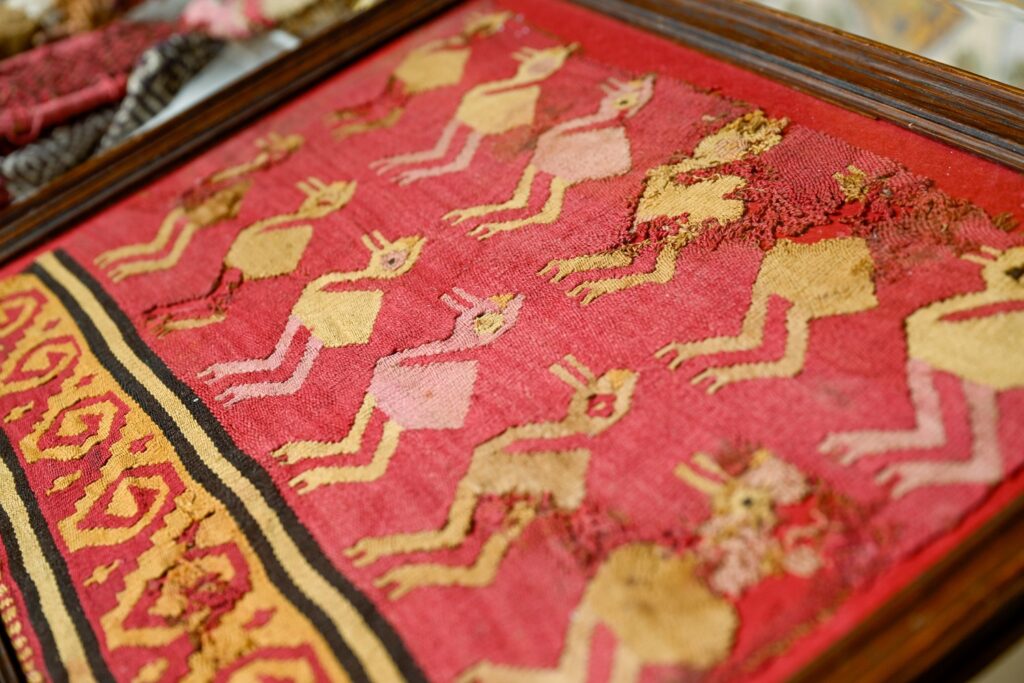
La muestra permite al visitante apreciar una diversidad de bienes culturales que han sido recientemente repatriados, cada uno con su propia historia de viaje y retorno. Además, se realiza un emotivo recuento de casos emblemáticos que han marcado hitos en la lucha por la recuperación del patrimonio peruano.
Entre estos casos destacados se encuentran las célebres piezas de Machu Picchu, devueltas por la Universidad de Yale después de un largo y complejo proceso de negociación y reclamación. Otro ejemplo es la Placa Echenique, un objeto de oro precolombino de incalculable valor histórico y artístico. Asimismo, se exhiben los lienzos de Hualahoyo, importantes obras de arte religioso virreinal, y elementos de la Colección Rowe, que incluyen diversas piezas arqueológicas. Estos casos, entre otros, no solo representan la recuperación material de objetos, sino la restitución de fragmentos de la memoria y la identidad de una nación.
La Diplomacia Cultural y la Cooperación Internacional: Aliados Indispensables
La concreción de todas estas repatriaciones es el resultado de un esfuerzo conjunto ejemplar, una verdadera sinergia institucional. El Ministerio de Relaciones Exteriores y el Ministerio de Cultura han trabajado de la mano, complementando sus respectivas competencias y recursos. A ellos se han sumado otras entidades involucradas, tanto a nivel nacional como internacional.
La nota destaca el “valioso apoyo” de socios estratégicos en Estados Unidos, lo que pone de relieve el concepto de cooperación internacional en la protección del patrimonio cultural. Esta se refiere a la colaboración entre diferentes países y sus instituciones para combatir el tráfico ilícito de bienes culturales y facilitar su retorno. Entre los actores clave mencionados se encuentran:
Departamento de Estado de EE. UU.: La principal agencia de política exterior de Estados Unidos, cuya participación enmarca estos esfuerzos dentro de acuerdos y relaciones bilaterales.
Federal Bureau of Investigation (FBI): La agencia de investigación criminal del gobierno federal de Estados Unidos, cuya unidad de delitos de arte es fundamental en la identificación y recuperación de bienes robados o traficados.
Homeland Security Investigations (HSI): Una rama de investigación criminal del Departamento de Seguridad Nacional de EE. UU., que se enfoca en crímenes transnacionales, incluyendo el tráfico de antigüedades.
Además, el apoyo de universidades, museos y ciudadanos estadounidenses comprometidos con la protección del patrimonio cultural demuestra una creciente conciencia global y un respeto mutuo por las herencias culturales.
Esta exposición no solo celebra el pasado recuperado, sino que también proyecta un futuro donde la diplomacia cultural y la cooperación internacional seguirán siendo herramientas poderosas para salvaguardar la riqueza milenaria del Perú. Es un recordatorio palpable de que el patrimonio cultural es un tesoro compartido, cuya protección y valoración nos enriquece a todos.
DATOS DIPLOMÁTICOS IMPORTANTES
1.- La Diplomacia como Guardiana del Patrimonio: La exposición “El retorno compartido” es una prueba fehaciente de cómo la diplomacia y las relaciones internacionales, lideradas por la Cancillería, son herramientas esenciales para la protección y recuperación del patrimonio cultural de una nación, trascendiendo las funciones tradicionales para actuar como un escudo contra el tráfico ilícito y la pérdida de la identidad.
2.- El Patrimonio Cultural como Símbolo de Identidad y Responsabilidad Global: La muestra refuerza la idea de que el patrimonio cultural no es solo un conjunto de objetos antiguos, sino un vínculo vital con la historia y la identidad colectiva de un pueblo. Su protección y repatriación son una responsabilidad compartida que va más allá de las fronteras, involucrando la cooperación internacional y la conciencia ética de instituciones y ciudadanos de diversos países.
3.- La Sinergia Interinstitucional como Clave del Éxito: Los emblemáticos casos de repatriación demuestran que el éxito en la recuperación de bienes culturales es resultado de una articulación efectiva entre diversas entidades nacionales (Cancillería, Ministerio de Cultura) e internacionales (FBI, HSI, Departamento de Estado, universidades, museos), sentando un precedente para futuras colaboraciones en la salvaguarda del legado cultural.
4.- Exhibición Cultural: La muestra puede ser visitada de lunes a viernes de 9am a 12pm, de forma gratuita, previa inscripción en el siguiente enlace: https://forms.cloud.microsoft/r/wDAKbJp05y
Fuente: Agencia Peruana de Noticias PRENSAPERU.PE https://www.prensaperu.pe Twitter: @prensaperupe
Translate
The Shared Return! “Peru and the U.S. celebrate 200 years of friendship with ‘Rescuing History,’ the epic repatriation of Machu Picchu artifacts leads cultural exhibition.”
Peruvian News Agency PRENSAPERU.PE https://www.prensaperu.pe Twitter: @prensaperupe In a transcendental milestone that marks two centuries of fruitful diplomatic relations between Peru and the United States, the Ministry of Foreign Affairs of Peru today inaugurated the moving exhibition “The Shared Return: Peruvian Cultural Heritage repatriated from the United States of America.” This exhibition is not only a celebration of bilateral friendship but a powerful manifestation of the unwavering commitment of both nations to the protection and preservation of invaluable Peruvian cultural legacy for present and future generations.
The Chancellery: Active Custodian of National Heritage
The exhibition offers a detailed and fascinating look at the meticulous and persistent work of the Peruvian Chancellery. From the moment a possible case of illicit trafficking of cultural goods comes to light, until the culmination of the process with the repatriation of the pieces and their subsequent delivery to the Ministry of Culture, each stage unfolds with precision. This effort underscores the fundamental role of the Ministry of Foreign Affairs not only in international diplomacy but also as an active custodian of cultural heritage, using its networks and diplomatic tools to recover what legitimately belongs to the nation.
The reclamation and repatriation process is complex and multifaceted, involving investigation, negotiation, and legal coordination. The exhibition illustrates how these efforts culminate in the return of treasures that have often been illegally extracted or exported without due authorization.
Cultural Heritage: A Link with Identity and Collective Responsibility
One of the central messages of “The Shared Return” is the profound significance of cultural heritage. This concept is defined as the set of tangible and intangible assets that are the inheritance of a human group and that have exceptional value from the point of view of history, art, science, or ethnology. In the Peruvian context, it spans from pre-Columbian archaeological pieces to viceregal artworks, historical documents, and oral traditions.
The exhibition seeks, therefore, not only to inform but also to inspire. It promotes intrinsic respect for cultural heritage, strengthening what is called a sense of collective belonging. This refers to the emotional and symbolic connection that individuals feel with their culture, history, and community, a feeling that is nurtured and reinforced by seeing these objects that narrate the history and identity of a people return and be exhibited. At the same time, it emphasizes the imperative need to protect this heritage as a shared responsibility. This implies that it is not the exclusive task of the State or specific institutions, but that it falls to every citizen, nationally and internationally, the moral and ethical obligation to safeguard these assets to ensure their uninterrupted preservation for current and future generations.
Emblematic Cases: Success Stories in Recovery
The exhibition allows visitors to appreciate a diversity of recently repatriated cultural assets, each with its own story of journey and return. In addition, an emotional recount of emblematic cases that have marked milestones in the struggle for the recovery of Peruvian heritage is presented.
Among these prominent cases are the celebrated pieces from Machu Picchu, returned by Yale University after a long and complex negotiation and claim process. Another example is the Echenique Plaque, a pre-Columbian gold object of incalculable historical and artistic value. Likewise, the Hualahoyo canvases, important viceregal religious artworks, and elements from the Rowe Collection, which include various archaeological pieces, are exhibited. These cases, among others, not only represent the material recovery of objects but the restitution of fragments of the memory and identity of a nation.
Cultural Diplomacy and International Cooperation: Indispensable Allies
The realization of all these repatriations is the result of an exemplary joint effort, a true institutional synergy. The Ministry of Foreign Affairs and the Ministry of Culture have worked hand in hand, complementing their respective competencies and resources. Other entities involved, both nationally and internationally, have joined them.
The note highlights the “valuable support” of strategic partners in the United States, which underscores the concept of international cooperation in the protection of cultural heritage. This refers to the collaboration between different countries and their institutions to combat the illicit trafficking of cultural goods and facilitate their return. Among the key actors mentioned are:
U.S. Department of State: The principal foreign policy agency of the United States, whose participation frames these efforts within bilateral agreements and relations.
Federal Bureau of Investigation (FBI): The criminal investigative agency of the U.S. federal government, whose art crime unit is fundamental in identifying and recovering stolen or trafficked goods.
Homeland Security Investigations (HSI): A criminal investigative branch of the U.S. Department of Homeland Security, which focuses on transnational crimes, including antiquities trafficking.
In addition, the support of universities, museums, and committed U.S. citizens dedicated to the protection of cultural heritage demonstrates a growing global awareness and mutual respect for cultural legacies.
This exhibition not only celebrates the recovered past but also projects a future where cultural diplomacy and international cooperation will continue to be powerful tools to safeguard Peru’s millenary wealth. It is a palpable reminder that cultural heritage is a shared treasure, whose protection and appreciation enrich us all.
IMPORTANT DIPLOMATIC DATA
1.- Diplomacy as Guardian of Heritage: The exhibition “The Shared Return” is clear proof of how diplomacy and international relations, led by the Chancellery, are essential tools for the protection and recovery of a nation’s cultural heritage, transcending traditional functions to act as a shield against illicit trafficking and the loss of identity.
2.- Cultural Heritage as a Symbol of Identity and Global Responsibility: The exhibition reinforces the idea that cultural heritage is not just a set of ancient objects, but a vital link with the history and collective identity of a people. Its protection and repatriation are a shared responsibility that goes beyond borders, involving international cooperation and the ethical awareness of institutions and citizens of various countries.
3.- Interinstitutional Synergy as Key to Success: The emblematic cases of repatriation demonstrate that success in recovering cultural assets is the result of effective articulation between various national entities (Chancellery, Ministry of Culture) and international ones (FBI, HSI, Department of State, universities, museums), setting a precedent for future collaborations in safeguarding cultural legacy.
4.- Cultural Exhibition: The exhibition can be visited from Monday to Friday from 9 am to 12 pm, free of charge, with prior registration at the following link: https://forms.cloud.microsoft/r/wDAKbJp05y
Source: Peruvian News Agency PRENSAPERU.PE https://www.prensaperu.pe Twitter: @prensaperupe