
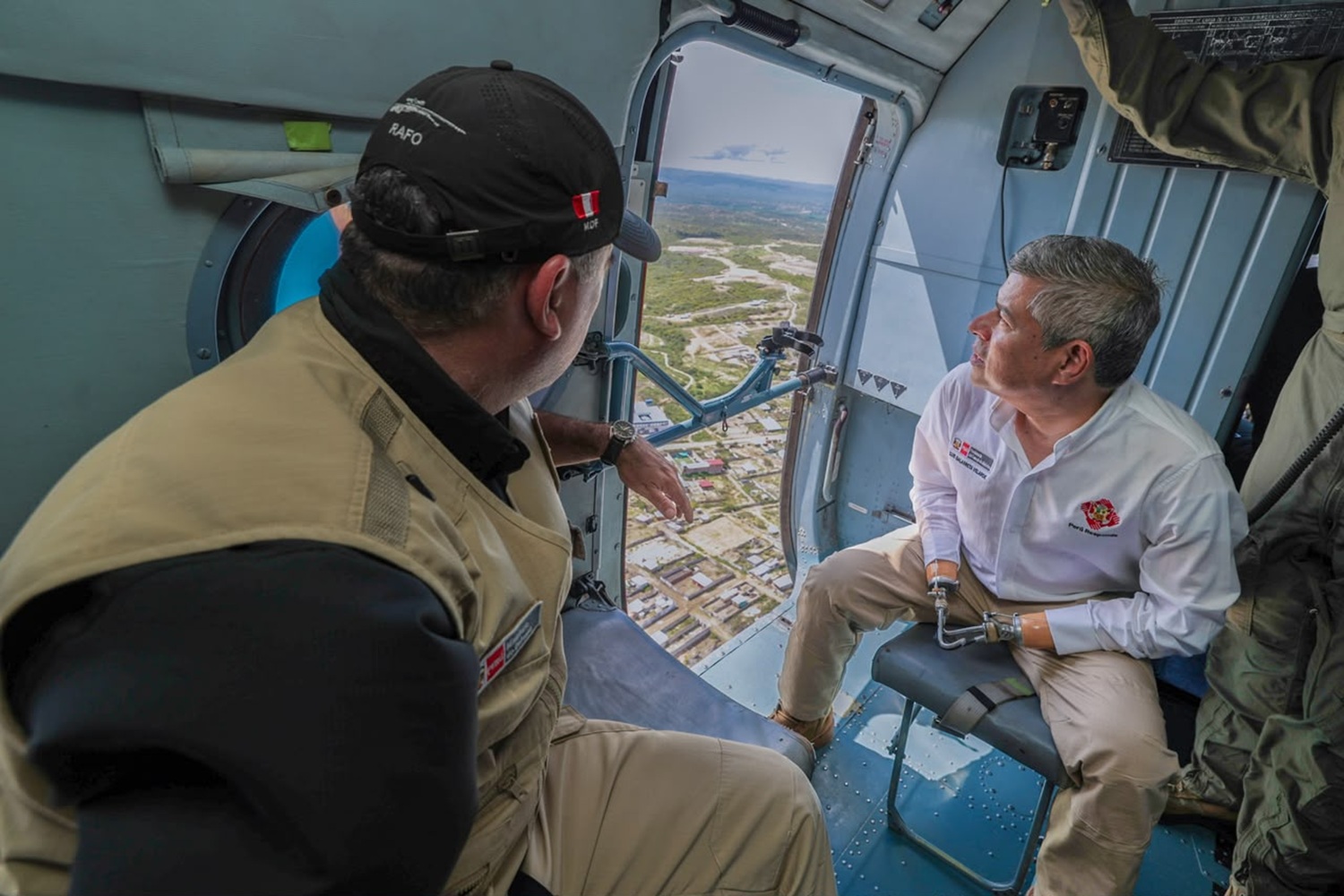
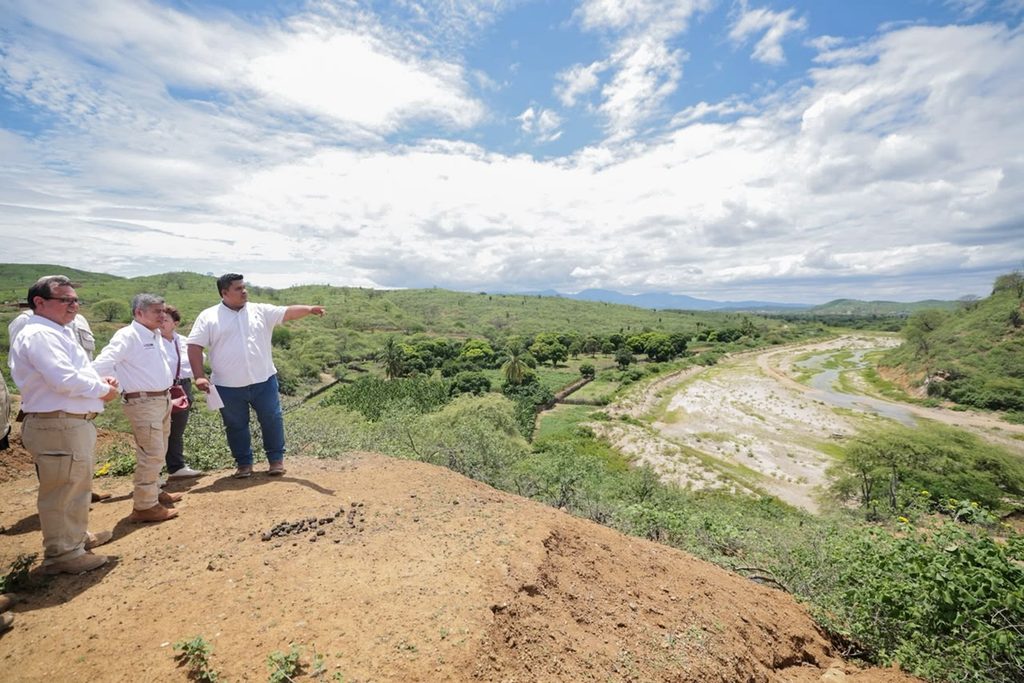
Agencia Peruana de Noticias PRENSAPERU.PE https://www.prensaperu.pe Twitter:@prensaperupe El presidente del Consejo de Ministros, Luis Galarreta, junto con el ministro de Defensa, Rafael Belaunde, y el ministro de Desarrollo Agrario y Riego, Marco Vinelli, recorrieron el distrito de Casitas en la región Tumbes para supervisar directamente los trabajos de limpieza y restablecimiento de las vías de acceso afectadas por recientes deslizamientos de tierra. La visita se enmarca en las acciones preventivas que el Ejecutivo viene impulsando de cara a los efectos del Fenómeno El Niño, conocido como el Meganiño, que pronostica lluvias intensas en diversas regiones del país.
EL CONTEXTO Y LA SITUACIÓN EN EL TERRENO
Los deslizamientos registrados habían interrumpido la transitabilidad en puntos estratégicos del distrito, aislando a sectores poblacionales y dificultando el traslado de personas, productos de primera necesidad y atención de emergencia. Las labores de despeje de vías se ejecutan con el objetivo de garantizar que las rutas de comunicación permanezcan operativas ante el incremento de lluvias que se prevé en los próximos meses. En esta zona, más de 2.600 ciudadanos dependen de estas vías para su conexión con centros de abastecimiento y servicios.
LA PROPUESTA CENTRAL: AGILIZAR LA DECLARATORIA DE EMERGENCIA
Durante su intervención, el premier Galarreta anunció una modificación sustancial en la forma en que el Estado responde ante situaciones de crisis: “Una de las primeras facultades que vamos a usar es que el Instituto Nacional de Defensa Civil no tenga que pasar por procesos largos para declarar en emergencia a un distrito. Esta medida debe ser simple, como una decisión política, y no un trámite burocrático.”
Esta declaración pone el énfasis en uno de los problemas históricos de la gestión de riesgos en el país: la demora en activar recursos por exceso de procedimientos administrativos. Al simplificar la declaratoria de emergencia, el Gobierno busca que lleguen antes los recursos, el personal especializado y los equipos necesarios a las zonas afectadas.
ANÁLISIS Y PERSPECTIVA
Fortalezas de la medida:
1.- Inmediatez: Reduce los tiempos de espera entre que ocurre una emergencia y llega la ayuda oficial.
2.- Enfoque preventivo: No solo se actúa cuando ya hay daño, sino que se prepara antes de que las lluvias empeoren.
3.- Coordinación intersectorial: La presencia conjunta de los sectores de Defensa y Desarrollo Agrario refleja una acción articulada entre instituciones.
Desafíos a considerar:
1.- Es necesario garantizar que la agilidad en la declaratoria de emergencia no signifique falta de control ni rendición de cuentas. La simplicidad del trámite debe ir acompañada de mecanismos transparentes de asignación y uso de los recursos públicos.
2.- La medida debe estar acompañada también de inversión en infraestructura resiliente a largo plazo, porque limpiar caminos es necesario, pero evitar que se caigan requiere obras sostenidas en el tiempo.
3.- La autoridad política debe escuchar también a las autoridades locales y a las poblaciones afectadas, que son quienes mejor conocen su territorio y sus riesgos.
Soluciones complementarias sugeridas:
1.- Establecer un registro único y en tiempo real de zonas vulnerables para actuar de forma proactiva.
2.- Capacitar a las municipalidades para que reporten riesgos con anticipación.
3.- Garantizar que los recursos asignados lleguen efectivamente a las familias más vulnerables, con seguimiento ciudadano.
CONCLUSIÓN
La visita a Casitas y el anuncio del premier Galarreta reflejan una intención clara: pasar de la respuesta tardía a la acción oportuna. Frente a un fenómeno climático que amenaza con afectar amplias zonas del país, reducir la burocracia para atender emergencias es una decisión acertada. Sin embargo, su éxito dependerá de que esa agilidad se traduzca en ayuda real y oportuna a las familias, y no se convierta solo en un mecanismo para disponer de recursos sin el debido control. El verdadero éxito será que, cuando lleguen las lluvias más fuertes, los ciudadanos sientan que el Estado llegó antes de que sea demasiado tarde.
Fuente: Agencia Peruana de Noticias PRENSAPERU.PE https://www.prensaperu.pe Twitter: @prensaperupe
Translate
Premier Luis Galarreta: “Declaring a state of emergency will be a political decision, not a bureaucratic procedure. In the face of the ‘Mega-Niño’ [weather phenomenon], the government is clearing roads in Casitas (Tumbes) and expediting disaster response, benefiting more than 2,600 citizens.”
Peruvian News Agency PRENSAPERU.PE https://www.prensaperu.pe Twitter: @prensaperupe The President of the Council of Ministers, Luis Galarreta, accompanied by the Minister of Defense, Rafael Belaunde, and the Minister of Agrarian Development and Irrigation, Marco Vinelli, toured the district of Casitas in the Tumbes region to directly oversee the clearing and restoration of access roads affected by recent landslides. The visit forms part of the preventive actions being promoted by the Executive branch in anticipation of the effects of El Niño, known as the Meganiño, which forecasts heavy rainfall across several regions of the country.
THE CONTEXT AND SITUATION ON THE GROUND
The recorded landslides had disrupted traffic at key points throughout the district, isolating communities and hindering the movement of people, essential goods, and emergency services. Road-clearing work is being carried out to ensure that communication routes remain operational amid the expected increase in rainfall over the coming months. In this area, more than 2,600 residents depend on these roads to access supply centers and essential services.
THE CENTRAL PROPOSAL: STREAMLINING EMERGENCY DECLARATIONS
During his remarks, Prime Minister Galarreta announced a substantial change in how the State responds to crisis situations:
“One of the first powers we will exercise is ensuring that the National Institute of Civil Defense no longer has to go through lengthy processes to declare a district in a state of emergency. This declaration should be a simple political decision, not a bureaucratic procedure.”
This statement addresses one of the longstanding challenges in disaster risk management in the country: delays in mobilizing resources due to excessive administrative hurdles. By simplifying emergency declarations, the Government aims to ensure that resources, specialized personnel, and essential equipment reach affected areas more quickly.
ANALYSIS AND PERSPECTIVE
Strengths of the measure:
1.- Immediacy: Reduces the waiting time between the onset of an emergency and the arrival of official assistance.
2.- Preventive approach: Action is taken not only after damage has occurred, but also in preparation before rainfall worsens.
3.- Intersectoral coordination: The joint presence of the Defense and Agrarian Development sectors reflects coordinated action across institutions.
Challenges to consider:
1..- It must be ensured that streamlined emergency declarations do not result in a lack of oversight or accountability. Simplified procedures must be accompanied by transparent mechanisms for the allocation and use of public funds.
2.- The measure should be paired with long-term investment in resilient infrastructure. Clearing roads is necessary, but preventing them from collapsing requires sustained works over time.
3.- Political authorities must also listen to local governments and affected communities, who possess the most detailed knowledge of their territories and hazards.
Suggested complementary solutions:
1.-Establish a unified, real-time registry of vulnerable areas to enable proactive action.
2.- Strengthen the capacity of local municipalities to report hazards in advance.
3.- Ensure that allocated resources effectively reach the most vulnerable families, with citizen oversight mechanisms in place.
CONCLUSION
The visit to Casitas and Prime Minister Galarreta’s announcement reflect a clear objective: to move from delayed response to timely action. In the face of a climatic phenomenon that threatens large areas of the country, cutting through red tape to respond to emergencies is a welcome step. However, its success will depend on whether this agility translates into genuine, timely assistance to families, rather than simply becoming a mechanism to access funds without proper oversight. The ultimate measure of success will be whether, when the heaviest rains arrive, citizens feel that the State reached them before it was too late.
Source: Peruvian News Agency PRENSAPERU.PE https://www.prensaperu.pe Twitter: @prensaperupe