
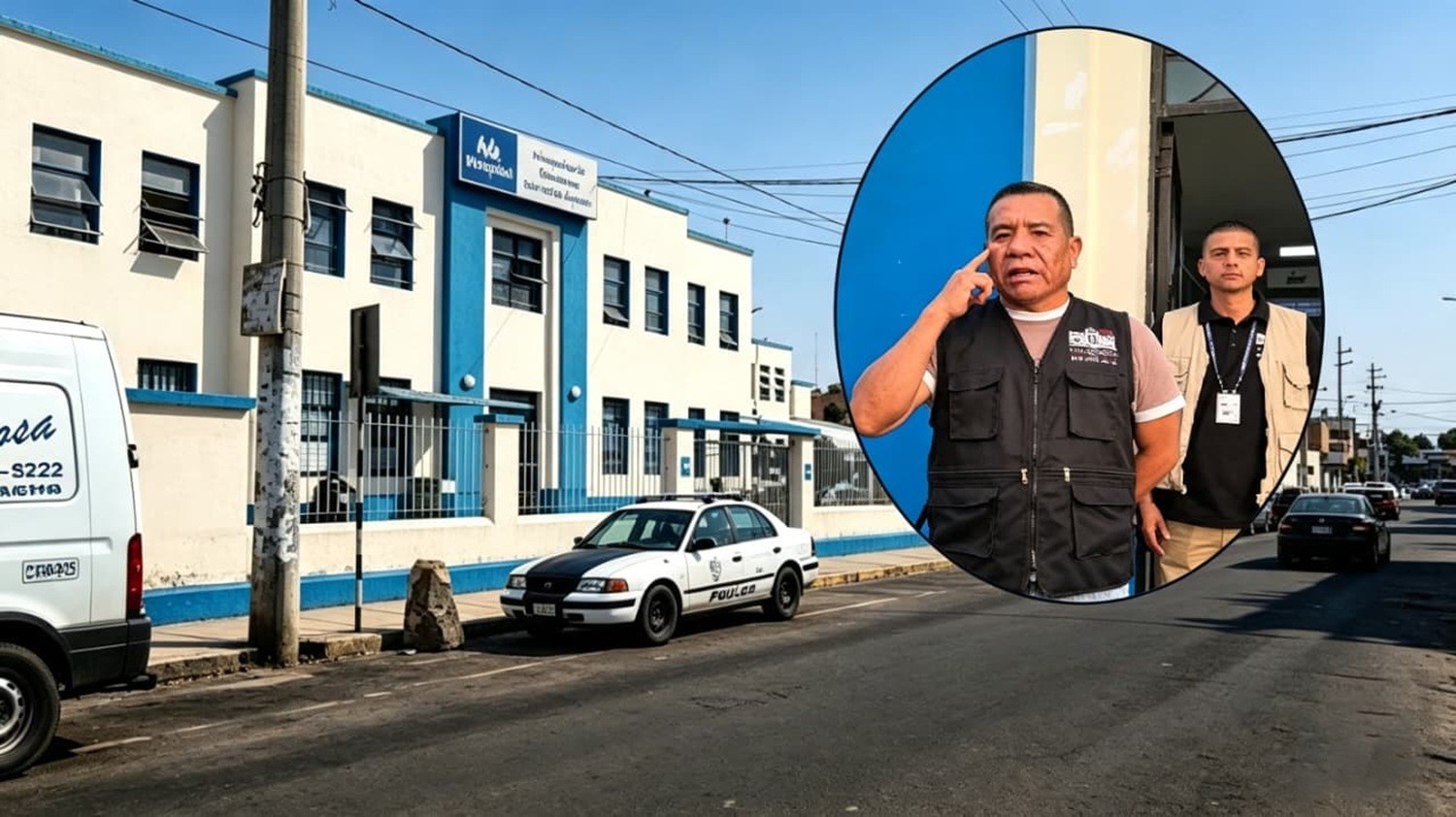
Agencia Peruana de Noticias PRENSAPERU.PE https://www.prensaperu.pe Twitter: @prensaperupe El congresista Eusebio Padilla, diputado de la República, realizó una visita inopinada al Hospital Gustavo Lanatta Luján de EsSalud, ubicado en la ciudad de Huacho, capital de la región Lima, con el propósito de verificar directamente las condiciones de atención, equipamiento y gestión del centro hospitalario. La inspección sorpresa reveló una situación crítica que afecta directamente a miles de usuarios y pacientes de toda la jurisdicción, dejando al descubierto deficiencias estructurales, falta de equipos y presuntas irregularidades en la gestión de la dirección del hospital.
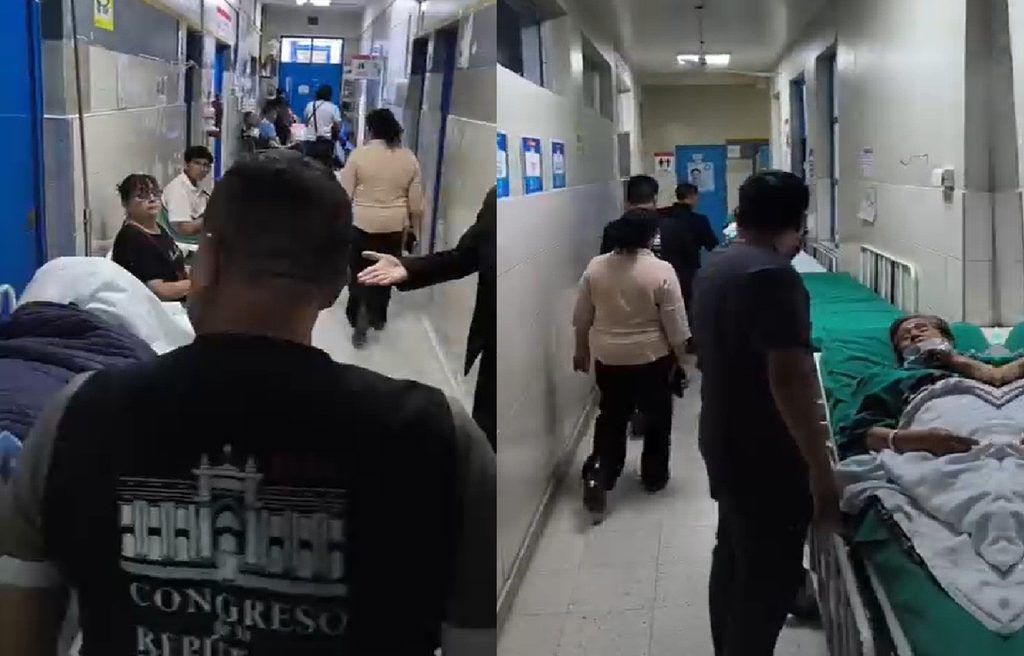
Durante su recorrido por las instalaciones, el parlamentario constató que el centro de salud, que cumple la función de hospital de referencia para una extensa población, cuenta con una sola sala de operaciones en funcionamiento, lo que limita drásticamente la capacidad de respuesta quirúrgica y demora intervenciones que requieren atención oportuna. Asimismo, verificó la ausencia de servicios fundamentales de diagnóstico: los equipos de tomografía y ecografía se encuentran fuera de servicio, y según el personal del hospital, la justificación oficial es que están «en reparación», sin que exista un cronograma claro de cuándo volverán a operar.
Pero uno de los hechos que el legislador calificó de más grave fue la situación administrativa del establecimiento: el director del hospital cuyo nombre es Javier Rey Etto se habría tomado vacaciones estando la institución en estado de emergencia, una decisión que el congresista considera irregular y contraria a la normativa, tratándose de un cargo de confianza que exige presencia y responsabilidad permanente.
EN SUS PROPIAS PALABRAS, EL DIPUTADO EUSEBIO PADILLA
«Estoy en la capital de la provincia —es inaudito realmente lo que sucede en la capital de la región—, solamente existe una sala de operaciones, no hay tomografía, no hay ecografía, dicen que están en reparación. El director se dio de vacaciones estando en emergencia el hospital. Yo lo que tengo es conocimiento de que los directores no pueden tener vacaciones, son un cargo de confianza, ¿Cómo va a irse de vacaciones? Ya que se queda nomás en su casa.»
Las declaraciones del representante legislativo ponen de manifiesto una crisis que trasciende lo meramente operativo y alcanza lo institucional: la falta de equipos diagnósticos funcionalmente operativos retrasa o impide el diagnóstico temprano de patologías, una sola sala de operaciones genera listas de espera que ponen en riesgo la salud de los pacientes, y la ausencia del responsable máximo del centro asistencial en un momento de crisis refleja una falta de liderazgo y supervisión que no puede justificarse.
Huacho y su zona de influencia concentran una población numerosa que no debería verse obligada a trasladarse a Lima u otras ciudades para acceder a servicios básicos de diagnóstico y cirugía. El hospital de la capital regional debe ser el primer nivel de atención compleja y el pilar de la salud pública en la zona, no un centro con servicios recortados y sin autoridad presente. La visita del parlamentario busca visibilizar esta realidad y activar los mecanismos de supervisión, corrección y exigencia de responsabilidades que corresponden tanto a EsSalud como a las autoridades competentes del sector salud.
DATOS CONCEPTUALES
Visita inopinada: Inspección o supervisión que realizan las autoridades —en este caso un congresista— sin aviso previo, con el fin de verificar el estado real de una institución, sus servicios y su gestión, evitando que se preparen condiciones artificiales para la ocasión. Es un mecanismo de control político y fiscalización fundamental.
Hospital de referencia: Establecimiento de salud de mayor complejidad dentro de una jurisdicción, al que se derivan los pacientes que requieren atención que los centros de salud de menor nivel no pueden brindar. Su correcto funcionamiento es determinante para toda la red de salud de su zona de influencia.
Cargo de confianza: Designación que recae directamente sobre una persona por decisión de la autoridad competente, sin necesidad de concurso público. Se basa en la confianza, responsabilidad y disponibilidad permanente, por lo que la presencia y el cumplimiento de funciones son exigibles de manera continua, especialmente en instituciones que prestan servicios esenciales.
Servicios de diagnóstico por imágenes: Conjunto de tecnologías —tomografía, ecografía, radiografía— que permiten ver el interior del cuerpo para detectar enfermedades, lesiones o alteraciones. Cuando estos equipos no funcionan, el diagnóstico se retrasa, el tratamiento se demora y el pronóstico del paciente puede empeorar.
Emergencia hospitalaria: Situación en la que un centro de salud enfrenta mayor demanda, limitación de recursos o crisis sanitaria, que requiere que toda la dirección y el equipo directivo estén presentes y disponibles para tomar decisiones inmediatas. En este contexto, la ausencia del director se considera una falta administrativa grave.
CONCLUSIONES
1.- La situación del Hospital Gustavo Lanatta Luján en Huacho no es un problema aislado, sino una deficiencia estructural: contar con una sola sala de operaciones y sin equipos de tomografía y ecografía operativos significa que miles de personas no tienen acceso a diagnósticos oportunos ni a intervenciones quirúrgicas necesarias, violando el derecho fundamental a la salud.
2.- La ausencia del director del hospital de vacaciones durante un estado de emergencia revela una falla de gestión y de responsabilidad institucional. Siendo un cargo de confianza, su presencia debe ser permanente, especialmente cuando la institución atraviesa dificultades. Irse de vacaciones en ese momento es renunciar a la función de liderazgo que el puesto exige.
3.- La justificación de que los equipos están «en reparación» sin fechas ni plazos claros es insuficiente e inaceptable para la ciudadanía. Los equipos médicos no son accesorios, son herramientas esenciales para salvar vidas. EsSalud debe informar públicamente cuándo se reactivarán los servicios y garantizar soluciones provisionales mientras tanto.
4.- La fiscalización del Congreso es necesaria pero no suficiente: las deficiencias detectadas exigen acciones inmediatas por parte de la administración de EsSalud, el Ministerio de Salud y la propia autoridad regional. La salud de la población de la región Lima no puede esperar a que se resuelvan problemas administrativos o de gestión.
Fuente: Agencia Peruana de Noticias PRENSAPERU.PE https://www.prensaperu.pe Twitter: @prensaperupe
Translate
“Unheard of!” Congressman Eusebio Padilla’s statements after surprise visit to Gustavo Lanata Luján Hospital in Huacho: “Only one operating room, no CT scanner, no ultrasound — and its senior-trust director is on vacation”
Peruvian News Agency PRENSAPERU.PE https://www.prensaperu.pe Twitter: @prensaperupe Congressman Eusebio Padilla, Member of the Congress of the Republic, conducted an unannounced visit to the Gustavo Lanata Luján Hospital, operated by EsSalud, located in the city of Huacho, capital of the Lima Region, with the purpose of verifying firsthand the conditions of care, equipment, and management at the health facility. The surprise inspection revealed a critical situation directly affecting thousands of users and patients across the jurisdiction, exposing structural deficiencies, lack of equipment, and alleged irregularities in the hospital director’s management.
During his tour of the facilities, the legislator confirmed that the health center —which functions as a referral hospital for a large population— operates with only one single operating room, drastically limiting surgical capacity and delaying procedures requiring timely attention. He also verified the absence of essential diagnostic services: computed tomography and ultrasound equipment are out of service, and according to hospital staff, the official explanation is that the machines are “under repair”, with no clear timeline for when they will become operational again.
However, one of the issues the legislator described as most serious concerns the facility’s administrative situation: the hospital director, Javier Rey Etto, reportedly took vacation leave while the institution is in a state of emergency —a decision the congressman considers irregular and contrary to regulations, given that this is a position of trust requiring permanent presence and accountability.
IN HIS OWN WORDS, CONGRESSMAN EUSEBIO PADILLA STATED
“I am in the capital of the province —what is happening here in the capital of the region is truly unheard of— there is only one operating room, there is no CT scanner, no ultrasound, they say the equipment is under repair. The director went on vacation while the hospital is in a state of emergency. It is my understanding that hospital directors are not entitled to vacation leave; they hold positions of trust. How can someone go on vacation at such a time? They should simply stay at their post.”
The representative’s statements highlight a crisis that goes beyond operational issues and reaches the institutional level: the lack of functional diagnostic equipment delays or prevents early detection of medical conditions, while a single operating room creates waiting lists that put patients’ health at risk. Furthermore, the absence of the facility’s highest authority during a crisis reflects a failure of leadership and oversight that cannot be justified.
Huacho and its surrounding area are home to a large population that should not be forced to travel to Lima or other cities to access basic diagnostic and surgical services. A regional capital hospital should function as the primary complex-care facility and the pillar of public health in its area —not as an institution with reduced services and absent leadership. The legislator’s visit aims to bring this reality to light and trigger oversight, corrective action, and accountability mechanisms corresponding to both EsSalud and the competent health authorities.
CONCEPTS AND DEFINITIONS
Unannounced Visit: An inspection or oversight carried out by authorities —in this case a congressman— without prior notice, intended to verify the actual state of an institution, its services, and its management, preventing authorities from preparing artificial conditions for the occasion. It constitutes a fundamental mechanism of political oversight and fiscal control.
Referral Hospital: A health facility providing the highest level of care within a jurisdiction, to which patients requiring services unavailable at lower-level health centers are referred. Its proper functioning is critical to the entire regional health network it serves.
Position of Trust: An appointment made directly by a competent authority, without requiring a competitive selection process. It is based on trust, accountability, and permanent availability, meaning presence and performance of duties are required continuously —especially in institutions providing essential public services.
Diagnostic Imaging Services: Technologies including computed tomography, ultrasound, and radiology that enable visualization of the internal body to detect disease, injury, or abnormalities. When this equipment is non-functional, diagnosis is delayed, treatment is postponed, and patient outcomes may worsen.
Hospital Emergency: A situation in which a health facility faces increased demand, resource constraints, or a public health crisis, requiring all members of the leadership team to remain present and available to make immediate decisions. Under these circumstances, the director’s absence is considered a serious administrative breach.
CONCLUSIONS
1.- The situation at the Gustavo Lanata Luján Hospital in Huacho is not an isolated incident but a structural deficiency: operating with only one functioning operating room and without CT or ultrasound capabilities means thousands of people are denied timely diagnosis and necessary surgical care —a violation of the fundamental right to health.
2.- The hospital director’s decision to take vacation leave during a declared state of emergency demonstrates a failure of management and institutional accountability. As a position of trust, permanent presence is required —especially when the institution faces difficulties. Leaving one’s post at such a time constitutes an abandonment of the leadership responsibilities inherent to the role.
3.- The justification that equipment is “under repair”, without providing specific dates or timelines, is insufficient and unacceptable to the public. Medical equipment is not an accessory —it is an essential tool for saving lives. EsSalud must publicly disclose when services will be restored and implement interim solutions until they are fully operational.
4.- Congressional oversight is necessary but not sufficient: the deficiencies identified demand immediate action from EsSalud administration, the Ministry of Health, and regional authorities. The health of the people of the Lima Region cannot wait while administrative and management issues are resolved.
Source: Peruvian News Agency PRENSAPERU.PE https://www.prensaperu.pe Twitter: @prensaperupe