
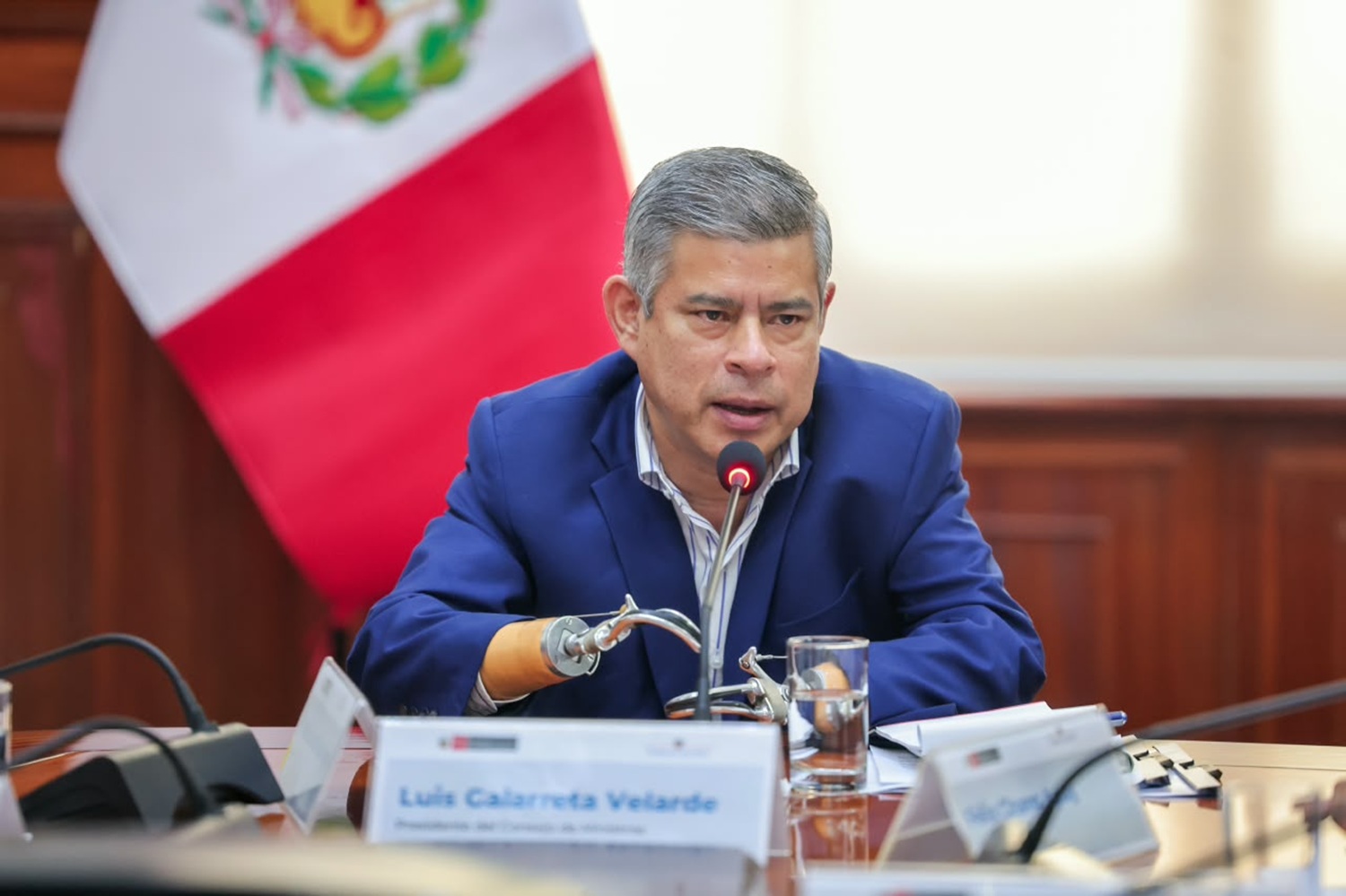
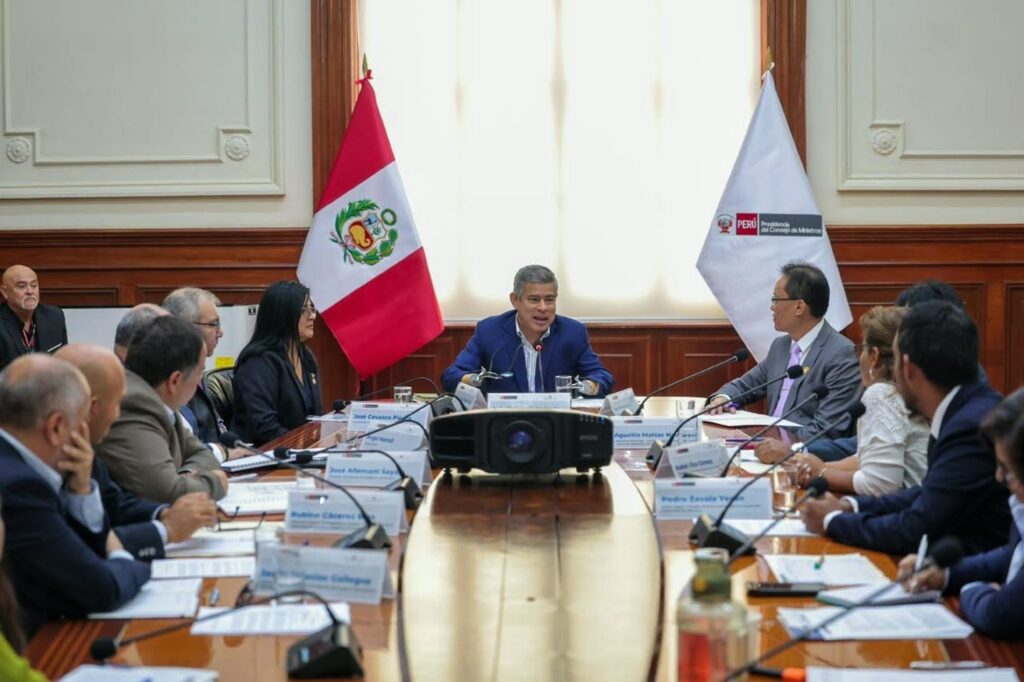
Agencia Peruana de Noticias PRENSAPERU.PE https://www.prensaperu.pe Twitter: @prensaperupe El presidente del Consejo de Ministros, Luis Galarreta Velarde, se reunió con los diputados María Luisa Silupú, Félix Chang y dirigentes de maricultores de la bahía de Sechura, en Piura, para dar a conocer el plan de acción del Ejecutivo frente al Fenómeno El Niño. La estrategia se sostiene sobre dos ejes centrales: salvaguardar la vida de la población y reducir los daños a la infraestructura, los bienes y la capacidad productiva del país.
En cuanto a la protección de la vida, se busca prevenir pérdidas humanas no solo por lluvias intensas, desbordes o deslaves, sino también por enfermedades que suelen aparecer tras las emergencias, como infecciones respiratorias, gastrointestinales o enfermedades transmitidas por vectores. En el segundo eje, el Estado trabaja para proteger el patrimonio de las familias y garantizar que las actividades económicas puedan seguir funcionando o recuperarse pronto.
El jefe del gabinete informó que se han identificado más de mil puntos críticos en todo el país, de los cuales ya se está interviniendo en más de la mitad. Se emplea tecnología para enfrentar problemas de exceso de agua o sequías, ambos efectos del cambio climático. Asimismo, designó al ministro de Desarrollo Agrario y Riego, Marco Vinelli, como responsable de liderar la Comisión Nacional de Gestión del Riesgo del Fenómeno El Niño.
De otro lado, Galarreta Velarde adelantó que se preparan también medidas políticas, tributarias y económicas para apoyar a las industrias afectadas, tanto formales como informales, incluyendo a pequeños pescadores y agricultores que dependen directamente del clima.
APOYO DIRECTO AL SECTOR MARICULTOR
Ante el impacto que el Fenómeno El Niño puede causar en las actividades marinas, el Fondo Nacional de Desarrollo Pesquero (Fondepes) ha decidido suspender los créditos otorgados a los maricultores que fueron sujetos de préstamo durante el 2025. Así lo confirmó su director general de Proyectos y Gestión Financiera, Rufino Cáceres, quien indicó que se ajusta la normativa para aplicar esta medida de alivio.
El diputado Félix Chang pidió acelerar los trabajos de mitigación y limpieza de ríos en Piura, y valoró la voluntad del Ejecutivo de respaldar al sector. Por su parte, el director general de Acuicultura del Ministerio de la Producción, José Allemant Sayán, recordó la importancia de esta actividad: el Perú exporta el 70 % de la producción nacional de concha de abanico, generando más de 45 000 puestos de trabajo.
DATOS CONCEPTUALES
Fenómeno El Niño (FEN): Calentamiento anormal de las aguas del océano Pacífico que altera el clima, provocando lluvias intensas, sequías y cambios en los ecosistemas marinos y terrestres.
Puntos críticos: Lugares identificados con alto riesgo de sufrir daños por lluvias, desbordes o deslaves, que requieren atención prioritaria.
Mitigación: Conjunto de acciones para reducir o evitar los daños de un fenómeno, como limpiar ríos, reforzar riberas o desviar aguas.
Descolmatación: Limpieza y remoción de sedimentos, basura y obstáculos de los cauces de los ríos para que el agua fluya sin causar inundaciones.
Maricultura: Cultivo de organismos marinos como conchas, peces o algas en su medio natural o controlado, actividad principal de miles de familias en zonas costeras.
Medidas tributarias: Cambios en impuestos o facilidades de pago para aliviar la carga económica de quienes sufren daños.
DATOS CONTEXTUALES
1.- El plan del Gobierno tiene dos prioridades claras: proteger ante todo la vida de los peruanos y cuidar los bienes y la producción nacional para que el país no se detenga.
2.- Se han identificado más de mil puntos de riesgo en todo el territorio y ya se atiende a más de la mitad, con el respaldo de tecnología y coordinación nacional.
3.- El sector maricultor recibe un alivio importante: se suspenden los pagos de créditos otorgados en 2025, reconociendo su vulnerabilidad ante cambios en el mar.
4.- El apoyo no se limita a obras físicas: se preparan también facilidades económicas y tributarias para proteger a los pequeños productores y mantener miles de empleos.
Fuente: Agencia Peruana de Noticias PRENSAPERU.PE https://www.prensaperu.pe Twitter: @prensaperupe
Translate
“Premier Galarreta: Gobierno actúa para proteger la vida y defender la producción en la bahía de Sechura (Piura) ante el Fenómeno El Niño. Se activa un alivio para los maricultores que recibieron préstamos en 2025”.
Peruvian News Agency PRENSAPERU.PE https://www.prensaperu.pe Twitter: @prensaperupe The President of the Council of Ministers, Luis Galarreta Velarde, met with Congresswomen María Luisa Silupú, Congressman Félix Chang and representatives of shellfish farmers from Sechura Bay in Piura, to present the Executive Branch’s action plan regarding the El Niño Phenomenon. The strategy is based on two central pillars: safeguarding the lives of the population and reducing damage to infrastructure, property and the country’s productive capacity.
Regarding the protection of life, the aim is to prevent loss of life not only from heavy rains, overflows or landslides, but also from diseases that typically emerge after emergencies, such as respiratory infections, gastrointestinal illnesses or vector-borne diseases. Under the second pillar, the State is working to protect families’ assets and ensure that economic activities can continue operating or recover quickly.
The Head of the Cabinet reported that more than one thousand critical points have been identified throughout the country, of which over half are already being addressed. Technology is being used to tackle problems of excess water or drought, both effects of climate change. Furthermore, he appointed the Minister of Agrarian Development and Irrigation, Marco Vinelli, as the official responsible for leading the National Commission for Risk Management of the El Niño Phenomenon.
In addition, Galarreta Velarde announced that political, tax and economic measures are also being prepared to support affected industries, both formal and informal, including small-scale fishermen and farmers who depend directly on climate conditions.
DIRECT SUPPORT FOR THE SHELLFISH FARMING SECTOR
In light of the potential impact of the El Niño phenomenon on marine activities, the National Fisheries Development Fund (Fondepes) has decided to suspend loan repayments for mariculturists who received financing in 2025. This was confirmed by Rufino Cáceres, the Director General of Projects and Financial Management, who noted that regulations are being adjusted to implement this relief measure.
Congressman Félix Chang requested that mitigation and river cleaning works in Piura be accelerated, and expressed satisfaction with the Executive Branch’s willingness to support the sector. Meanwhile, the Director General of Aquaculture of the Ministry of Production, José Allemant Sayán, recalled the importance of this activity: Peru exports 70 % of the national scallop production, generating more than 45,000 jobs.
CONCEPTUAL DATA
El Niño Phenomenon (FEN): An abnormal warming of Pacific Ocean waters that alters climate patterns, causing heavy rains, droughts and changes in marine and terrestrial ecosystems.
Critical points: Identified locations at high risk of suffering damage from rains, overflows or landslides, which require priority attention.
Mitigation: Set of actions to reduce or prevent damage from a phenomenon, such as cleaning rivers, reinforcing riverbanks or diverting water flows.
Desilting: Cleaning and removal of sediment, waste and obstacles from riverbeds so that water flows without causing flooding.
Shellfish farming: Cultivation of marine organisms such as shellfish, fish or seaweed in their natural or controlled environment, the main livelihood of thousands of families in coastal areas.
Tax measures: Changes to taxes or payment facilities to ease the financial burden on those affected.
CONTEXTUAL DATA
1.- The Government’s plan has two clear priorities: above all, to protect the lives of Peruvians, and to safeguard property and national production so that the country does not come to a halt.
2.- More than one thousand risk points have been identified across the territory and over half are already being addressed, supported by technology and national coordination.
3.- The shellfish farming sector receives significant relief: payments on loans granted in 2025 are suspended, recognizing its vulnerability to changes in the sea.
4.- Support is not limited to physical works: economic and tax relief measures are also being prepared to protect small-scale producers and maintain thousands of jobs.
Source: Peruvian News Agency PRENSAPERU.PE https://www.prensaperu.pe Twitter: @prensaperupe