
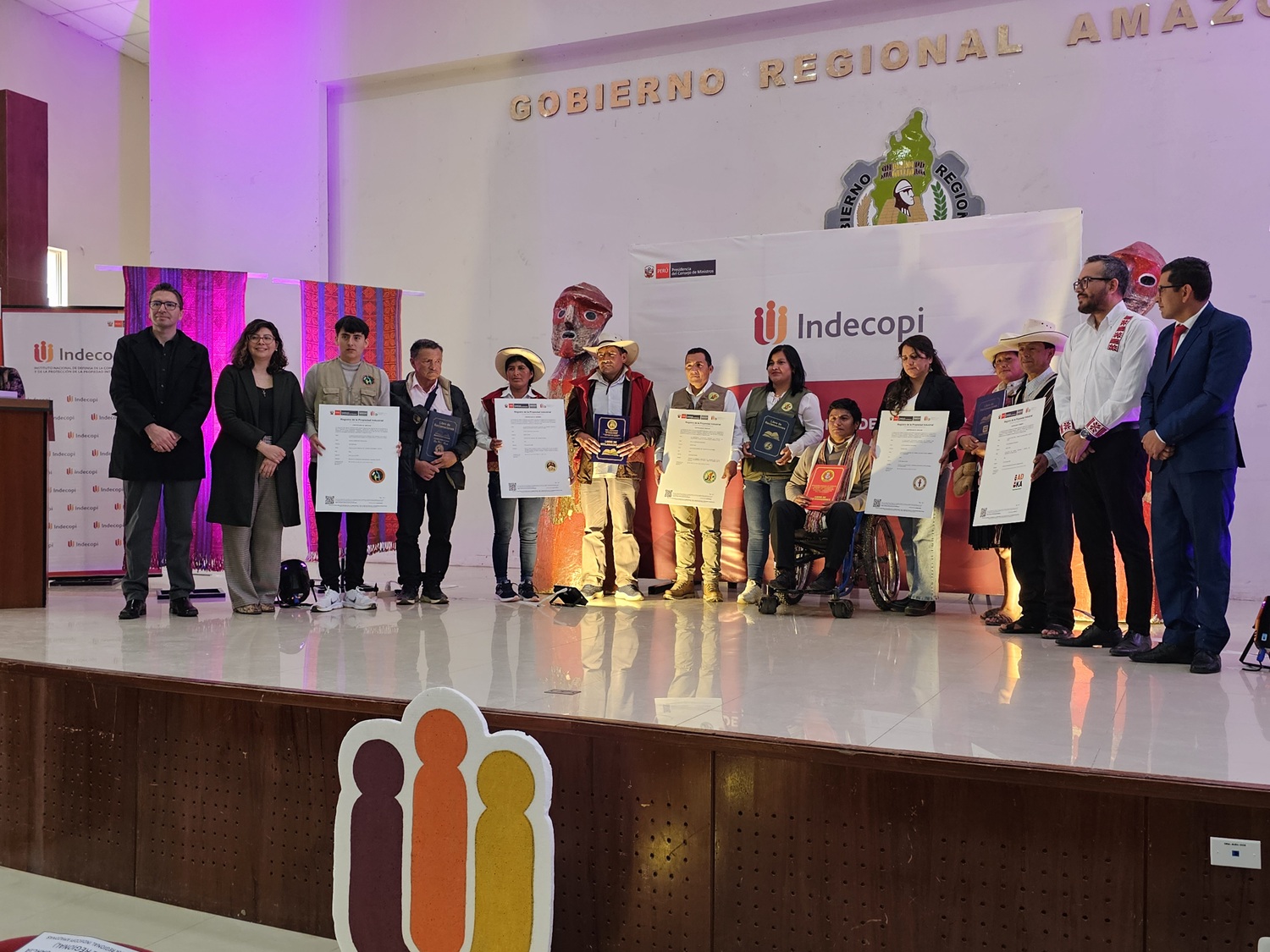
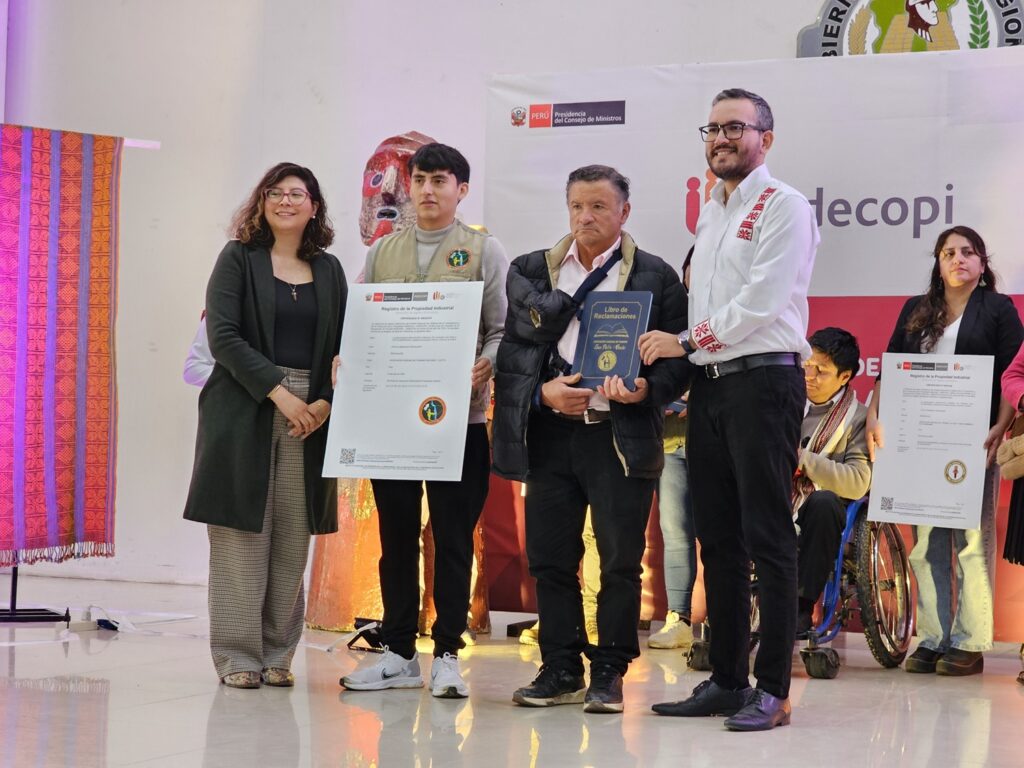
Agencia Peruana de Noticias PRENSAPERU.PE https://www.prensaperu.pe Twitter: @prensaperupe En una apuesta firme por el desarrollo sostenible y la promoción del turismo comunitario, el Ministerio de Comercio Exterior y Turismo (Mincetur), en colaboración con el Indecopi, ha formalizado la entrega de 33 marcas colectivas a cinco Organizaciones de Base Comunitaria (OBC) en la ciudad de Chachapoyas, Amazonas. Esta iniciativa, sin precedentes, busca consolidar la identidad comercial y fortalecer las capacidades de las comunidades locales dedicadas al turismo.
Las asociaciones de Karajía, Revash, Cocachimba, San Pablo y Leymebamba fueron las beneficiarias de este programa, logrando registrar sus marcas de manera gratuita gracias a los beneficios ofrecidos por el Estado. Este apoyo representó un ahorro significativo de S/ 17 651.07 para estas organizaciones, permitiéndoles invertir en la mejora de sus servicios y en la promoción de sus destinos. En total, esta acción impacta positivamente a 286 familias de la región, impulsando su economía y mejorando su calidad de vida.
El fortalecimiento de capacidades fue otro pilar fundamental de esta iniciativa. Un total de 103 asociados de las OBC recibieron capacitación especializada en el uso del Libro de Reclamaciones, gestión de reclamos y protección al consumidor. Este entrenamiento tiene como objetivo elevar los estándares de servicio ofrecidos a los visitantes, garantizando una experiencia turística de alta calidad y fomentando la confianza en los destinos comunitarios.
Destinos emblemáticos como Gocta ya están experimentando los resultados de estas acciones. Se proyecta que Gocta cierre el año con la recepción de 30 482 visitantes, lo que refleja una notable recuperación tras los desafíos impuestos por la pandemia. Es importante destacar que el mercado nacional representa entre el 70 % y 80 % de este flujo turístico, lo que subraya la importancia de fortalecer la oferta y la promoción a nivel nacional.
EXPANSIÓN DIGITAL DEL TURISMO COMUNITARIO
En un esfuerzo por modernizar la promoción turística, el Mincetur y la Universidad Nacional Toribio Rodríguez de Mendoza (UNTRM) implementaron el proyecto piloto “Estrategias de Marketing Digital en Redes Sociales”. Este programa se centró en profesionalizar la promoción del turismo comunitario a través de herramientas digitales, capacitando a diez emprendedores de las OBC de Cocachimba, San Pablo y Karajía.
El programa incluyó talleres teórico-prácticos, producción audiovisual, planificación de contenidos y la creación de identidades digitales. Como resultado, se activaron perfiles oficiales en plataformas clave como WhatsApp, Facebook, Instagram y TikTok. Los participantes produjeron más de 50 piezas audiovisuales y diseñaron calendarios de contenido para fortalecer la exposición comercial de sus respectivas OBC. Este modelo de articulación entre la universidad, el Estado y la comunidad ha demostrado ser un catalizador para el desarrollo turístico sostenible.
Estas intervenciones forman parte de una estrategia integral que busca impulsar la formalización, la protección de la propiedad intelectual, la calidad del servicio turístico y el fortalecimiento de las capacidades digitales de las comunidades. Durante las ceremonias celebradas en Chachapoyas, las autoridades del Mincetur, Indecopi, la Universidad Nacional Toribio Rodríguez de Mendoza y la Dircetur Amazonas resaltaron que estos avances marcan un nuevo estándar en la formalización y competitividad del turismo comunitario. Además, se anunció una segunda fase del proyecto digital, que incluirá la creación de un manual de comunicación para las OBC y un sistema de indicadores de impacto liderado por el Mincetur.
DATO RELEVANTE
La marca colectiva es un instrumento valioso que permite a los miembros de un grupo de productores, comerciantes o prestadores de servicios identificar y diferenciar sus productos o servicios, garantizando un origen, calidad y características comunes. La obtención de una marca colectiva no solo ayuda a distribuir los costos de promoción y a enfrentar el mercado de manera conjunta, sino que también contribuye a incrementar las ventas, fidelizar a los clientes, proteger contra posibles falsificaciones y agregar valor a los productos o servicios ofrecidos.
CONCLUSIONES
1.- Empoderamiento Económico: La entrega de marcas colectivas y la capacitación digital fortalecen la autonomía económica de las comunidades, permitiéndoles gestionar sus propios recursos y promover sus destinos de manera efectiva.
2.- Desarrollo Sostenible: La formalización y la protección de la propiedad intelectual contribuyen a un desarrollo turístico sostenible, garantizando que los beneficios del turismo se distribuyan de manera equitativa entre los miembros de la comunidad.
3.- Innovación y Competitividad: La adopción de estrategias de marketing digital y la mejora de la calidad del servicio impulsan la innovación y la competitividad de los destinos comunitarios, atrayendo a un mayor número de visitantes y generando mayores ingresos.
4.- Colaboración Interinstitucional: La colaboración entre el Mincetur, el Indecopi, la Universidad Nacional Toribio Rodríguez de Mendoza y las Dircetur Amazonas demuestra la importancia de un enfoque coordinado para el desarrollo del turismo comunitario.
5.- Impacto a Largo Plazo: Estas iniciativas sientan las bases para un crecimiento sostenido del turismo comunitario en Amazonas, promoviendo la conservación del patrimonio cultural y natural, y mejorando la calidad de vida de las comunidades locales.
Fuente: Agencia Peruana de Noticias PRENSAPERU.PE https://www.prensaperu.pe Twitter: @prensaperupe
English Translation
Amazonas promotes its development through “Community-Based Tourism,” with collective branding standards and digital strategies.
Peruvian News Agency PRENSAPERU.PE https://www.prensaperu.pe Twitter: @prensaperupe In a firm commitment to sustainable development and the promotion of community-based tourism, the Ministry of Foreign Trade and Tourism (Mincetur), in collaboration with Indecopi, has formalized the awarding of 33 collective brands to five Community-Based Organizations (CBOs) in the city of Chachapoyas, Amazonas. This unprecedented initiative seeks to consolidate the commercial identity and strengthen the capacities of local communities dedicated to tourism.
The associations of Karajía, Revash, Cocachimba, San Pablo, and Leymebamba were the beneficiaries of this program, registering their brands free of charge thanks to the benefits offered by the State. This support represented a significant savings of S/ 17,651.07 for these organizations, allowing them to invest in improving their services and promoting their destinations. In total, this action positively impacts 286 families in the region, boosting their economy and improving their quality of life.
Capacity building was another key pillar of this initiative. A total of 103 members of Community-Based Tourism Organizations (CBOs) received specialized training in the use of the Complaints Book, complaint management, and consumer protection. This training aims to raise the service standards offered to visitors, guaranteeing a high-quality tourism experience and fostering trust in community-based destinations.
Iconic destinations like Gocta are already experiencing the results of these actions. Gocta is projected to close the year with 30,482 visitors, reflecting a remarkable recovery after the challenges imposed by the pandemic. It is important to note that the domestic market represents between 70% and 80% of this tourist flow, which underscores the importance of strengthening the offering and promotion at the national level.
DIGITAL EXPANSION OF COMMUNITY-BASED TOURISM
In an effort to modernize tourism promotion, the Ministry of Foreign Trade and Tourism (MINCETUR) and the National University Toribio Rodríguez de Mendoza (UNTRM) implemented the pilot project “Digital Marketing Strategies on Social Media.” This program focused on professionalizing the promotion of community-based tourism through digital tools, training ten entrepreneurs from the Community-Based Organizations (CBOs) of Cocachimba, San Pablo, and Karajía.
The program included theoretical and practical workshops, audiovisual production, content planning, and the creation of digital identities. As a result, official profiles were activated on key platforms such as WhatsApp, Facebook, Instagram, and TikTok. Participants produced more than 50 audiovisual pieces and designed content calendars to strengthen the commercial exposure of their respective CBOs. This model of collaboration between the university, the government, and the community has proven to be a catalyst for sustainable tourism development.
These initiatives are part of a comprehensive strategy aimed at promoting formalization, protecting intellectual property, improving the quality of tourism services, and strengthening the digital capabilities of communities. During the ceremonies held in Chachapoyas, authorities from the Ministry of Foreign Trade and Tourism (MINCETUR), the National Institute for the Defense of Competition and the Protection of Intellectual Property (INDECOPI), the Toribio Rodríguez de Mendoza National University, and the Amazonas Regional Directorate of Foreign Trade and Tourism (DIRCTUR) emphasized that these advances set a new standard for the formalization and competitiveness of community-based tourism. Furthermore, a second phase of the digital project was announced, which will include the creation of a communication manual for Community-Based Tourism Organizations (CBTOs) and an impact indicator system led by MINCETUR.
KEY FACT
A collective brand is a valuable tool that allows members of a group of producers, merchants, or service providers to identify and differentiate their products or services, guaranteeing a common origin, quality, and characteristics. Obtaining a collective trademark not only helps to distribute promotional costs and face the market together, but also contributes to increasing sales, building customer loyalty, protecting against potential counterfeits, and adding value to the products or services offered.
CONCLUSIONS
1.- Economic Empowerment: The provision of collective trademarks and digital training strengthens the economic autonomy of communities, enabling them to manage their own resources and effectively promote their destinations.
2.- Sustainable Development: Formalization and intellectual property protection contribute to sustainable tourism development, ensuring that the benefits of tourism are distributed equitably among community members.
3.- Innovation and Competitiveness: The adoption of digital marketing strategies and improved service quality drive innovation and competitiveness in community-based destinations, attracting more visitors and generating higher revenues.
4.- Interinstitutional Collaboration: The collaboration between the Ministry of Foreign Trade and Tourism (MINCETUR), the National Institute for the Defense of Competition and the Protection of Intellectual Property (INDECOPI), the National University Toribio Rodríguez de Mendoza, and the Amazonas Regional Directorate of Foreign Trade and Tourism (DIRCTUR) demonstrates the importance of a coordinated approach to the development of community-based tourism.
5.- Long-Term Impact: These initiatives lay the foundation for sustained growth of community-based tourism in Amazonas, promoting the conservation of cultural and natural heritage and improving the quality of life of local communities.
Source: Peruvian News Agency PRENSAPERU.PE https://www.prensaperu.pe Twitter: @prensaperupe