
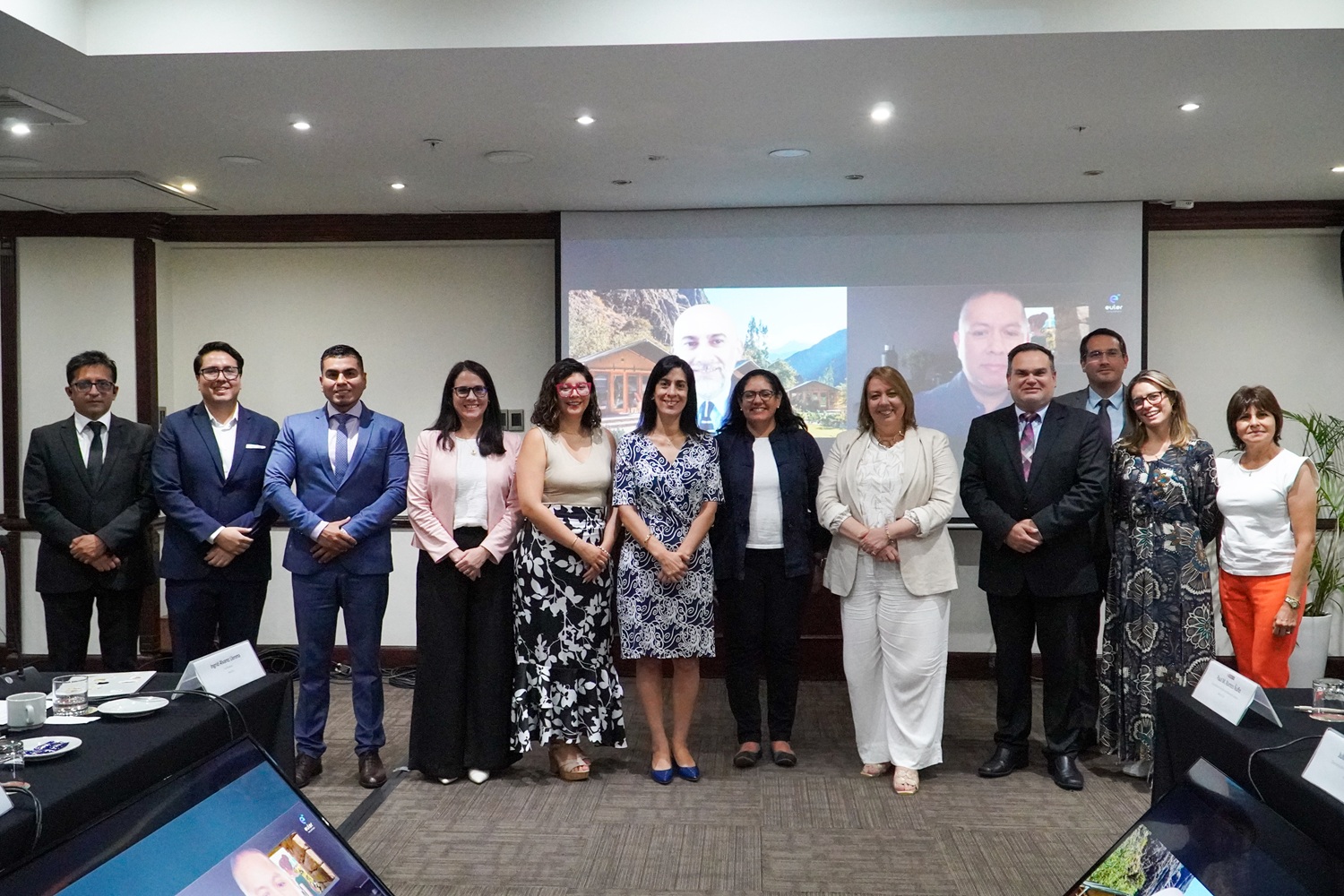
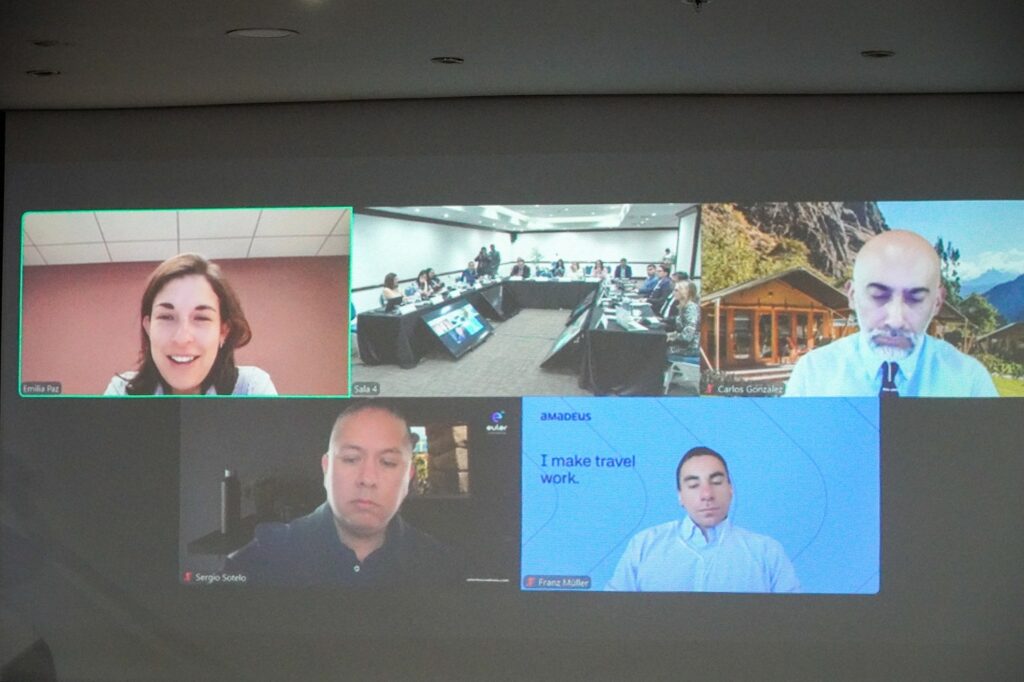
Agencia Peruana de Noticias PRENSAPERU.PE https://www.prensaperu.pe Twitter: @prensaperupe En una jornada estratégica centrada en la convergencia entre tecnología y turismo, el Ministerio de Comercio Exterior y Turismo (Mincetur) oficializó la instalación del Comité de Expertos en Inteligencia Artificial (IA) aplicada al Turismo —un cuerpo técnico que acompañará la formulación del Marco Nacional para la Adopción de la Inteligencia Artificial en el Sector Turismo. Este instrumento estratégico se erige como una guía fundamental para impulsar la transformación digital del sector peruano, asegurando que la incorporación de tecnologías emergentes se realice de manera responsable, inclusiva y alineada con las necesidades del país y los estándares globales.
UN ALIANZA MULTISECTORIAL PARA LA INNOVACIÓN TURÍSTICA
La actividad contó con la participación destacada de la viceministra de Turismo, Aracelly Laca Ramos, quien enfatizó que “la IA representa una oportunidad única para redefinir cómo gestionamos nuestros destinos, atendemos a los visitantes y construimos un turismo más sostenible”. Asimismo, la directora ejecutiva de ONU Turismo, Natalia Bayona, subrayó la importancia de integrar estas herramientas tecnológicas para fortalecer la competitividad de los destinos y avanzar en modelos de desarrollo turístico que equilibren el crecimiento económico con la protección del patrimonio natural y cultural.
Inteligencia Artificial en el turismo se define como el conjunto de tecnologías que permiten simular procesos de razonamiento humano para automatizar tareas, analizar datos en tiempo real, predecir tendencias y personalizar experiencias. En el contexto peruano —con un patrimonio cultural y natural de relevancia mundial— su aplicación busca optimizar la gestión de destinos, mejorar la experiencia del visitante y garantizar que el crecimiento del sector sea inclusivo y sostenible.
UN MARCO ESTRATÉGICO BASADO EN NORMATIVIDAD Y EXCELENCIA
La conformación del comité responde a la necesidad de estructurar la adopción de la IA en el turismo peruano bajo un marco sectorial que se articule con la normativa nacional vigente: la Ley N.° 31814 (que regula el desarrollo y uso responsable de la IA en el país) y la Política Nacional de Transformación Digital al 2030, que establece las líneas maestras para la modernización de todos los sectores económicos.
Este marco nacional tendrá carácter orientador y establecerá principios fundamentales como transparencia, equidad, responsabilidad y respeto por los derechos humanos; además de definir estándares éticos, buenas prácticas y líneas de acción concretas para actores de todos los niveles:
Entidades públicas: Para optimizar la gestión de infraestructura turística y la prestación de servicios.
Gobiernos regionales y locales: Para diseñar estrategias de desarrollo territorial adaptadas a cada destino.
Empresas turísticas, gremios, academia y emprendimientos tecnológicos: Para fomentar la innovación y la adopción de soluciones basadas en IA.
Entre sus principales ámbitos de aplicación se incluyen:
Gestión de destinos inteligentes que integren datos para mejorar la movilidad, la seguridad y la calidad de vida de residentes y visitantes.
Análítica de demanda y marketing digital para conocer mejor las preferencias de los turistas y promocionar destinos de manera más efectiva.
Gestión de flujos turísticos para prevenir la saturación de espacios y garantizar una distribución equitativa del beneficio económico.
Sostenibilidad ambiental, mediante herramientas que monitoreen el impacto del turismo en ecosistemas sensibles.
Accesibilidad e inclusión, desarrollando soluciones que permitan a personas con capacidades diversas disfrutar plenamente de los destinos.
Seguridad y ciberseguridad, para proteger la información de usuarios y garantizar la integridad de los sistemas turísticos.
UN COMITÉ CON REPRESENTACIÓN MULTIDISCIPLINAR
El comité estará integrado por representantes del sector público, privado y académico, conformando un equipo de expertos con perfiles complementarios: especialistas en desarrollo de IA, expertos en regulación digital, líderes del sector tecnológico y turístico, así como autoridades vinculadas a la modernización tecnológica del país. Su objetivo principal es asegurar un enfoque técnico riguroso, alineado a estándares internacionales como los de la Alianza para la IA (AI Alliance) y las directrices de ONU Turismo, y centrado en resultados tangibles que beneficien a todo el ecosistema turístico.
La iniciativa se enmarca en el posicionamiento del Perú como referente en la agenda regional de transformación digital aplicada al turismo, resultado del trabajo conjunto con ONU Turismo y la Declaración de Ollantaytambo realizada en el país en 2025. Este acuerdo regional reconoce la necesidad de avanzar en la adopción responsable de tecnologías emergentes para construir un turismo más resiliente y competitivo en América Latina.
COMPROMISO CON UNA TRANSFORMACIÓN DIGITAL ÉTICA Y ORIENTADA A RESULTADOS
Con la instalación del Comité de Expertos, el Mincetur reafirma su compromiso con una transformación digital que ponga en el centro a las personas, la sostenibilidad y la competitividad empresarial. La implementación del Marco Nacional de IA en turismo contribuirá a mejorar la experiencia del visitante, optimizar los procesos de las empresas del sector, y promover una gestión sostenible de los destinos turísticos peruanos —consolidando al país como un referente en innovación turística en la región.
DATOS
1.- La IA se convierte en un motor estratégico para el turismo peruano: La creación del marco nacional y el comité de expertos demuestra que el sector está apostando a la tecnología como herramienta para mejorar la competitividad, la sostenibilidad y la experiencia del visitante, alineándose con tendencias globales.
2.- La adopción de la IA se basa en normatividad y principios éticos: El enfoque responsable de la iniciativa se sustenta en la Ley N.° 31814 y la Política Nacional de Transformación Digital, garantizando que el uso de estas tecnologías respete los derechos humanos, la equidad y la transparencia.
3.- La colaboración multisectorial es clave para el éxito: La integración de actores públicos, privados y académicos en el comité asegura que el marco nacional sea inclusivo, tecnológicamente robusto y adaptado a las necesidades reales del sector turístico peruano.
4.- El Perú se posiciona como referente regional en innovación turística: La iniciativa se alinea con la Declaración de Ollantaytambo y las estrategias de ONU Turismo, consolidando al país como líder en la adopción de tecnologías emergentes para el desarrollo sostenible del turismo en América Latina.
Fuente: Agencia Peruana de Noticias PRENSAPERU.PE https://www.prensaperu.pe Twitter: @prensaperupe
Translate
Peru Launches Committee of Experts on AI for Tourism: “Mincetur Designs National Framework to Digitally Transform the Sector, Regulated by Law No. 31814 and the 2030 Digital Policy”.
Peruvian News Agency PRENSAPERU.PE https://www.prensaperu.pe Twitter: @prensaperupe In a strategic event focused on the convergence of technology and tourism, the Ministry of Foreign Trade and Tourism (Mincetur) officially established the Committee of Experts on Artificial Intelligence (AI) Applied to Tourism — a technical body that will support the formulation of the National Framework for the Adoption of Artificial Intelligence in the Tourism Sector. This strategic instrument serves as a fundamental guide to drive the digital transformation of Peru’s tourism sector, ensuring that the incorporation of emerging technologies is carried out responsibly, inclusively, and aligned with the country’s needs and global standards.
A MULTISECTORAL ALLIANCE FOR TOURISM INNOVATION
The event featured prominent participation from the Vice Minister of Tourism, Aracelly Laca Ramos, who emphasized that “AI represents a unique opportunity to redefine how we manage our destinations, serve visitors, and build a more sustainable tourism industry.” Additionally, the Executive Director of UN Tourism, Natalia Bayona, highlighted the importance of integrating these technological tools to strengthen the competitiveness of destinations and advance tourism development models that balance economic growth with the protection of natural and cultural heritage.
Artificial Intelligence in tourism is defined as the set of technologies that enable the simulation of human reasoning processes to automate tasks, analyze real-time data, predict trends, and personalize experiences. In the Peruvian context — with a world-renowned cultural and natural heritage — its application seeks to optimize destination management, enhance the visitor experience, and ensure that sector growth is inclusive and sustainable.
A STRATEGIC FRAMEWORK BASED ON REGULATION AND EXCELLENCE
The formation of the committee responds to the need to structure the adoption of AI in Peru’s tourism sector under a sectoral framework that aligns with current national regulations: Law No. 31814 (which governs the responsible development and use of AI in the country) and the National Digital Transformation Policy 2030, which establishes guidelines for the modernization of all economic sectors.
This national framework will be advisory in nature and will set fundamental principles such as transparency, equity, responsibility, and respect for human rights; in addition to defining ethical standards, good practices, and concrete lines of action for stakeholders at all levels:
Public entities: To optimize the management of tourism infrastructure and the provision of services.
Regional and local governments: To design territorial development strategies tailored to each destination.
Tourism businesses, guilds, academia, and technology startups: To foster innovation and the adoption of AI-based solutions.
Its main areas of application include:
Management of smart destinations that integrate data to improve mobility, safety, and quality of life for residents and visitors.
Demand analysis and digital marketing to better understand tourist preferences and promote destinations more effectively.
Management of tourist flows to prevent overcrowding and ensure equitable distribution of economic benefits.
Environmental sustainability, through tools that monitor the impact of tourism on sensitive ecosystems.
Accessibility and inclusion, developing solutions that allow people with diverse abilities to fully enjoy destinations.
Safety and cybersecurity, to protect user information and ensure the integrity of tourism systems.
A COMMITTEE WITH MULTIDISCIPLINARY REPRESENTATION
The committee will be composed of representatives from the public, private, and academic sectors, forming a team of experts with complementary profiles: AI development specialists, digital regulation experts, leaders from the technology and tourism sectors, as well as authorities linked to the country’s technological modernization. Its main objective is to ensure a rigorous technical approach, aligned with international standards such as those of the AI Alliance and UN Tourism guidelines, and focused on tangible results that benefit the entire tourism ecosystem.
The initiative is part of Peru’s positioning as a reference in the regional agenda for digital transformation applied to tourism, resulting from joint work with UN Tourism and the Ollantaytambo Declaration held in the country in 2025. This regional agreement recognizes the need to advance the responsible adoption of emerging technologies to build a more resilient and competitive tourism industry in Latin America.
COMMITMENT TO AN ETHICAL, RESULTS-DRIVEN DIGITAL TRANSFORMATION
With the establishment of the Committee of Experts, Mincetur reaffirms its commitment to a digital transformation that places people, sustainability, and business competitiveness at its core. The implementation of the National AI Framework for Tourism will help improve the visitor experience, optimize processes for sector businesses, and promote sustainable management of Peru’s tourist destinations — consolidating the country as a reference in tourism innovation in the region.
DATA POINTS
1.- AI becomes a strategic driver for Peru’s tourism sector: The creation of the national framework and expert committee demonstrates that the sector is betting on technology as a tool to improve competitiveness, sustainability, and the visitor experience, aligning with global trends.
2.- AI adoption is based on regulation and ethical principles: The initiative’s responsible approach is grounded in Law No. 31814 and the National Digital Transformation Policy, ensuring that the use of these technologies respects human rights, equity, and transparency.
3.- Multisectoral collaboration is key to success: The integration of public, private, and academic stakeholders in the committee ensures that the national framework is inclusive, technologically robust, and adapted to the real needs of Peru’s tourism sector.
4.- Peru positions itself as a regional reference in tourism innovation: The initiative aligns with the Ollantaytambo Declaration and UN Tourism strategies, consolidating the country as a leader in the adoption of emerging technologies for sustainable tourism development in Latin America.
Source: Peruvian News Agency PRENSAPERU.PE https://www.prensaperu.pe Twitter: @prensaperupe