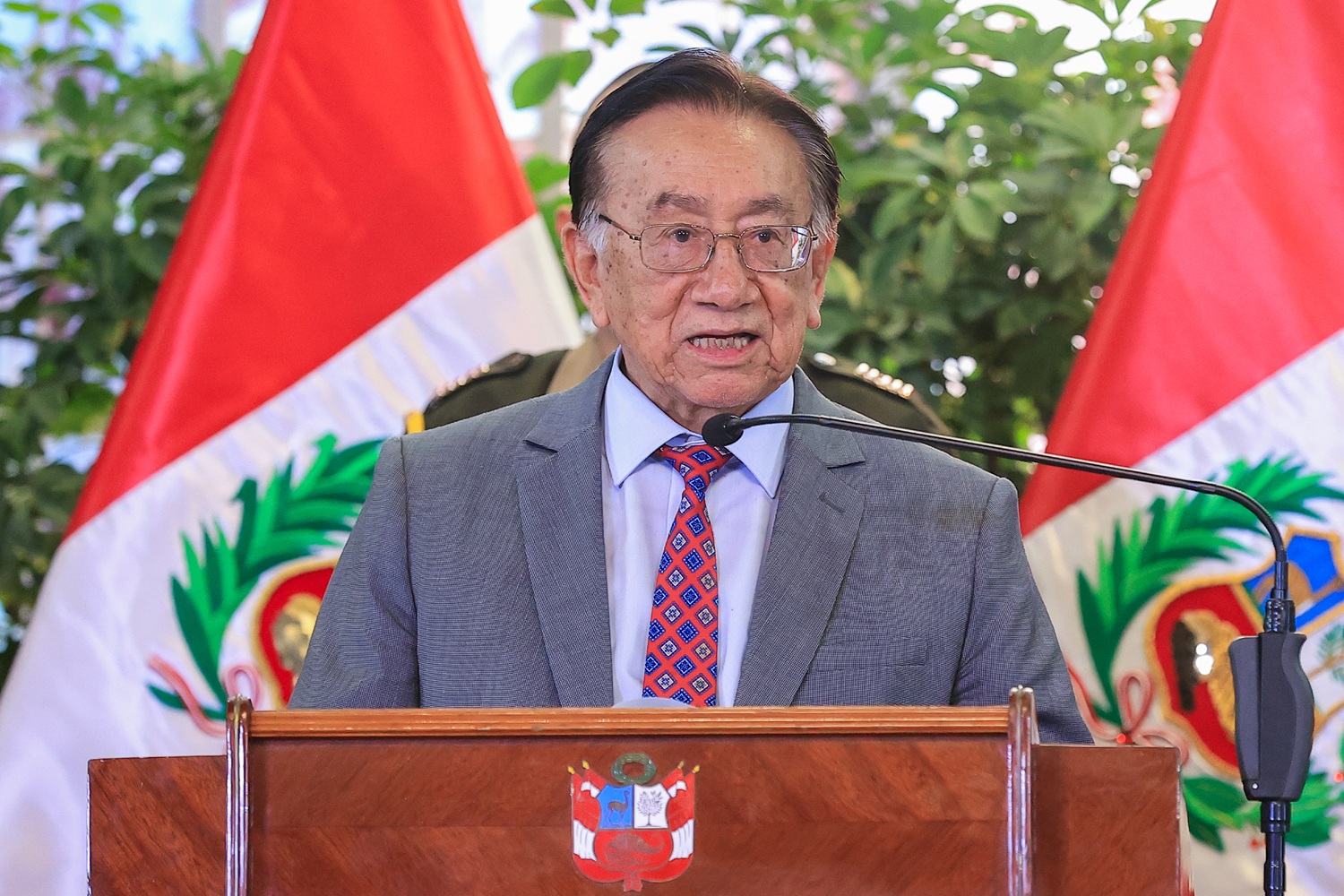
Agencia Peruana de Noticias PRENSAPERU.PE https://www.prensaperu.pe Twitter: @prensaperupe El presidente de la República, José María Balcázar, afirmó que el Gobierno realiza inversiones sin precedentes en el sector salud, considerado uno de los pilares centrales de su gestión. Explicó que este esfuerzo busca mejorar la atención, ampliar la cobertura y garantizar condiciones dignas para toda la población, en todo el territorio nacional.
En este marco, recordó avances concretos: ya funcionan establecimientos modernos como el Hospital Dos de Mayo, y pronto se inaugurará el Hospital Lorena, en Cusco — obra largamente esperada por años y que vendrá a cubrir una gran necesidad de la región sur.
“Estamos decididos a proteger la salud de cada peruano. Estamos invirtiendo con fuerza y decisión”, expresó el mandatario — y precisó que invertir también significa atender y prevenir enfermedades, siendo la vacunación una herramienta fundamental.
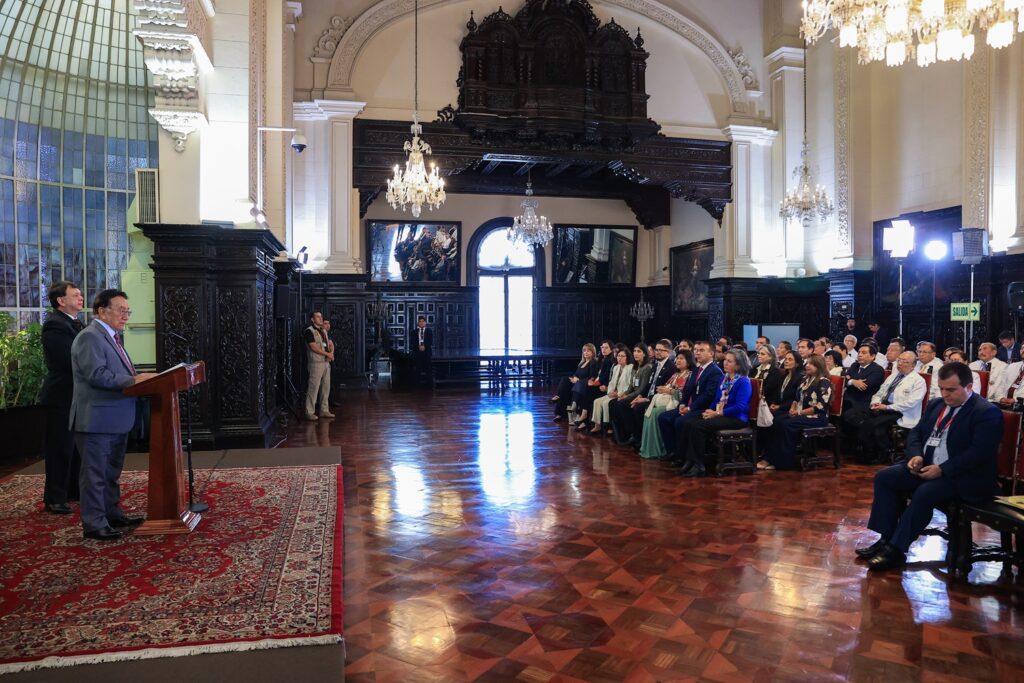
Estas declaraciones se dieron en Palacio de Gobierno, durante la firma de la resolución ministerial que aprueba el nuevo Esquema Nacional de Inmunizaciones, acto en el que también participó el ministro de Salud, Juan Carlos Velasco.
¿Qué es el Esquema Nacional de Inmunizaciones?
Definición: Es el conjunto organizado, oficial y actualizado de vacunas, dosis, edades y momentos en que deben aplicarse, según criterios científicos y sanitarios. Su fin es proteger a la población contra enfermedades que pueden evitarse.
Cambio principal: pasa de 18 a 23 vacunas incluidas → se amplía y moderniza la protección.
Beneficios directos:
1.- Refuerza la prevención de enfermedades inmunoprevenibles: aquellas que se evitan mediante vacunas.
2.- Cuida especialmente a grupos vulnerables: gestantes, recién nacidos, prematuros, personas con VIH o sistemas inmunitarios debilitados.
3.- Se apoya estrictamente en evidencia científica, lo que garantiza seguridad y eficacia.
Formación profesional: complemento indispensable
El presidente también destacó que la infraestructura y los insumos deben ir acompañados de mejor preparación humana. Recordó que ya desde su labor legislativa impulsó la creación de universidades y facultades de medicina: “mejorar la educación médica es garantizar profesionales más capaces para atender bien a la población”.
DATOS
1.- La salud se asume como prioridad de Estado: con inversión histórica, nuevos hospitales y mejor infraestructura, se avanza hacia un sistema más sólido y accesible.
2.- El nuevo esquema de vacunación — de 18 a 23 vacunas — representa un salto importante en prevención, protección científica y cuidado especial a grupos de mayor riesgo.
3.- La estrategia es integral: combina infraestructura, prevención y formación profesional, reconociendo que buenos centros y mejores profesionales son necesarios juntos.
Fuente: Agencia Peruana de Noticias PRENSAPERU.PE https://www.prensaperu.pe Twitter: @prensaperupe
Translate
Health New Immunization Schedule: “Historic investment and central focus of the ‘Prevention + Infrastructure + Training’ management by increasing from 18 to 23 vaccines, strengthening national protection.”
Peruvian News Agency PRENSAPERU.PE https://www.prensaperu.pe Twitter: @prensaperupe The President of the Republic, José María Balcázar, stated that the Government is making unprecedented investments in the health sector, regarded as one of the central pillars of his administration. He explained that this effort aims to improve care, expand coverage and ensure decent conditions for the entire population throughout the national territory.
Within this framework, he recalled concrete progress: modern facilities such as Dos de Mayo Hospital are already operating, and Lorena Hospital in Cusco will soon be inaugurated — a project long‑awaited for years and intended to meet a major need in the southern region.
“We are determined to protect the health of every Peruvian. We are investing with strength and resolve,” the President said — and clarified that investing also means treating and preventing diseases, with vaccination as a fundamental tool.
These statements were delivered at Palacio de Gobierno, during the signing of the ministerial resolution approving the new National Immunization Schedule, an event also attended by the Minister of Health, Juan Carlos Velasco.
What is the National Immunization Schedule?
Definition: It is the organised, official and updated set of vaccines, doses, ages and times at which they should be administered, according to scientific and health criteria. Its purpose is to protect the population against preventable diseases.
Main change: increases from 18 to 23 vaccines included → protection is expanded and modernised.
Direct benefits:
1.- Strengthens prevention of vaccine‑preventable diseases: those that can be avoided through immunisation.
2.- Pays special attention to vulnerable groups: pregnant women, newborns, premature infants, people living with HIV or those with weakened immune systems.
3.- Is strictly based on scientific evidence, thus ensuring safety and efficacy.
Professional training: an essential complement
The President also emphasised that infrastructure and supplies must go hand‑in‑hand with better‑trained human resources. He recalled that, already during his legislative term, he promoted the creation of universities and medical faculties: “improving medical education means guaranteeing more capable professionals to provide quality care for the population.”
FACTS
1.- Health is treated as a State priority: through historic investment, new hospitals and improved infrastructure, progress is being made toward a stronger and more accessible system.
2.- The new immunisation schedule — from 18 to 23 vaccines — represents a major step forward in prevention, evidence‑based protection and targeted care for higher‑risk groups.
3.- The strategy is comprehensive: it combines infrastructure, prevention and professional training, recognising that good facilities and well‑qualified professionals are both essential.
Source: Peruvian News Agency PRENSAPERU.PE https://www.prensaperu.pe Twitter: @prensaperupe