
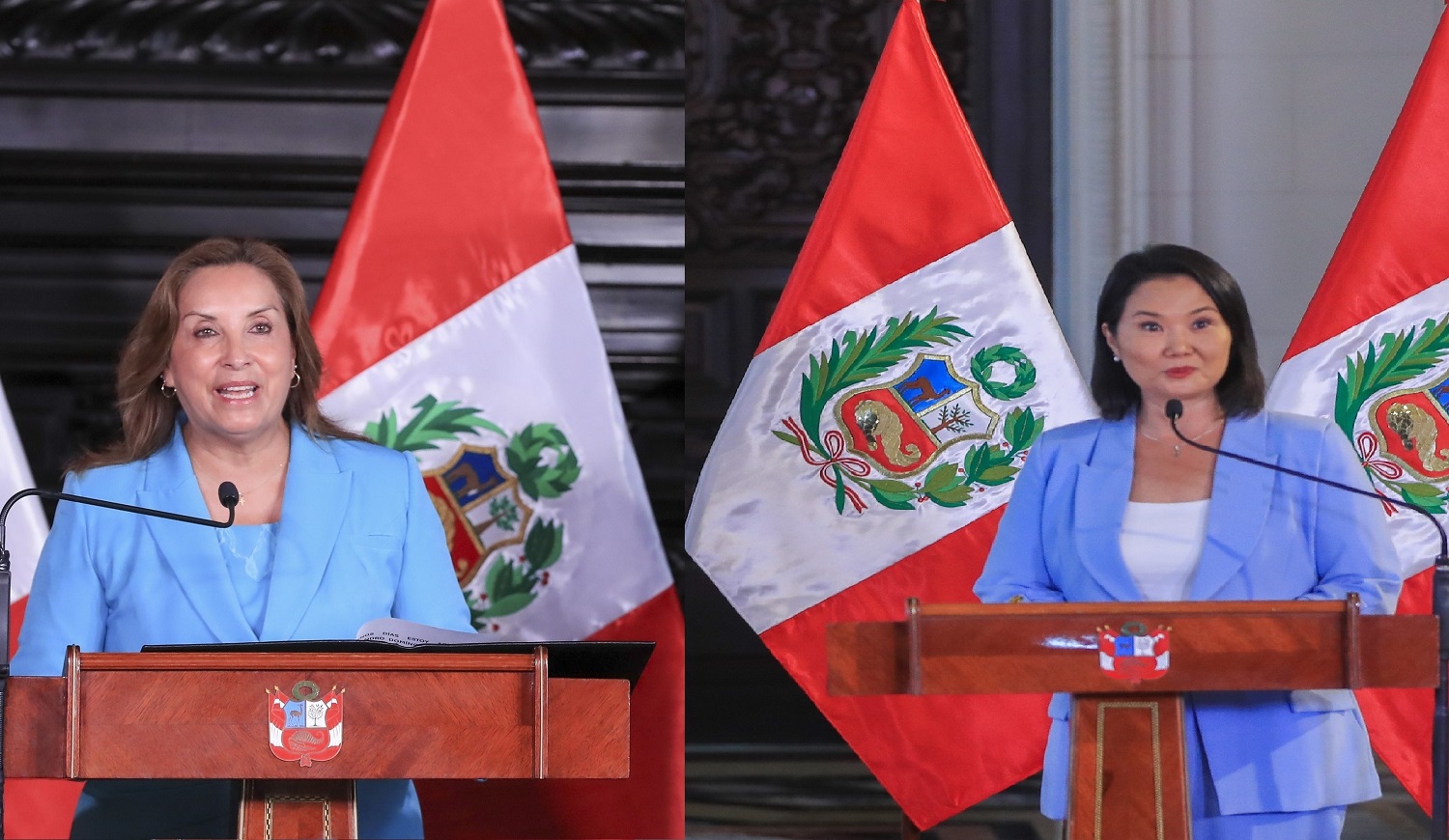
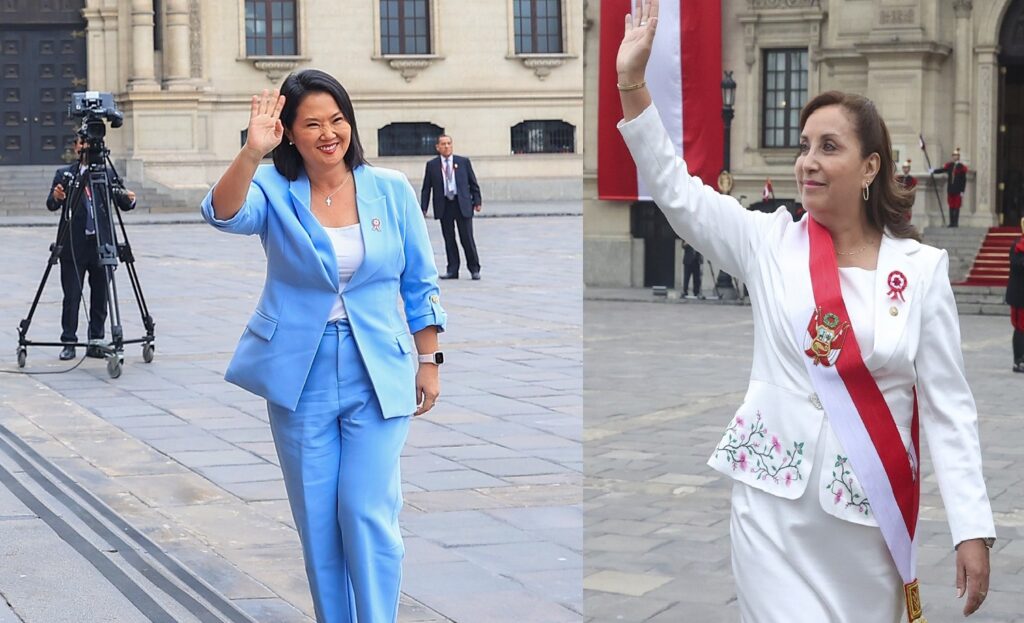
Agencia Peruana de Noticias PRENSAPERU.PE https://www.prensaperu.pe Twitter: @prensaperupe (Editorial del Director: Fernando Palomares Arévalo) El presente análisis surge a raíz de las recientes declaraciones de la presidenta electa Keiko Fujimori Higuchi, quien señaló públicamente: “Me siento orgullosa de ser la primera mujer en ser elegida por el voto popular”. Esta afirmación ha generado debate, pues Dina Boluarte Zegarra también fue elegida por el voto popular al integrar la plancha presidencial ganadora de 2021 y ejerció la titularidad de la Presidencia durante más de tres años.
Es indispensable aclarar un punto constitucional irrenunciable: quien asume la presidencia por sucesión no actúa como reemplazo, suplente ni delegado, sino como Presidenta Constitucional de la República con todas las facultades propias del cargo. Este hecho define de manera definitiva el reconocimiento histórico.
DESARROLLO: LAS CATEGORÍAS QUE EXPLICAN LA REALIDAD:
I.- El sentido de la plancha presidencial y la sucesión.
El Artículo 111° de la Constitución establece que presidente y vicepresidentes son elegidos en fórmula conjunta, precisamente para que, en caso de impedimento, vacancia o falta del titular, el primer vicepresidente asuma la presidencia en pleno derecho, no como sustituto temporal.
II.- El punto decisivo: No es reemplazo, es titularidad plena.
Cuando Dina Boluarte Zegarra asumió, pasó a ser Presidenta Constitucional de la República:
1.- Personifica al Estado y a la Nación.
2.- Suscribe, promulga y refrenda decretos, leyes y resoluciones con la misma autoridad que cualquier otro titular.
3.- Ejerce todas las atribuciones, obligaciones y representación del cargo, sin limitaciones por haber accedido por sucesión.
No gobernó “como vicepresidenta en funciones”: gobernó como Presidenta. Por tanto, es indiscutiblemente la primera mujer en ejercer la Presidencia de la República del Perú.
III.- La distinción que no contradice, pero sí precisa.
1.- Dina Boluarte Zegarra: Elegida como Vicepresidenta dentro de una fórmula democrática; luego asume la titularidad plena de la Presidencia por mandato constitucional. Es la primera mujer presidenta de la historia peruana.
2.- Keiko Fujimori Higuchi: Elegida directamente como candidata titular a la Presidencia. Es la primera mujer elegida por el voto popular con el propósito directo de encabezar el Estado.
La imprecisión en la declaración radica en omitir que Dina Boluarte también contó con respaldo popular y ejerció el cargo en su plenitud.
DATOS CNCEPTUALES
Sucesión constitucional plena: Mecanismo por el cual el vicepresidente pasa a ser titular del cargo, sin perder ni delegar ninguna facultad presidencial.
Titularidad de la Presidencia: Ejercicio completo y exclusivo de la jefatura de Estado y de Gobierno, con independencia de la vía de acceso.
Mandato por fórmula conjunta: El voto respalda tanto el proyecto como el orden legítimo de sucesión previsto en la ley.
Elección directa a la titularidad: Sufragio emitido expresamente para que una persona encabece el Estado desde el inicio del período.
CONCLUSIONES OBJETIVAS
1. Dimensión constitucional: Al asumir por sucesión, Dina Boluarte Zegarra se convirtió en Presidenta Constitucional en pleno derecho —no es reemplazo ni suplente—, por lo que es la primera mujer en ejercer la titularidad del cargo.
2. Dimensión democrática: Ambas (Dina y Keiko) cuentan con respaldo popular, una como parte de fórmula legítima que le permitió acceder a la presidencia, la otra como candidata directa a la misma.
3. Dimensión histórica: El registro consignará ambos hitos, Dina Boluarte Zegarra como la primera mujer presidenta, Keiko Fujimori Higuchi como la primera elegida directamente para el cargo.
4. Dimensión social: La claridad sobre la titularidad plena es necesaria para no alterar la verdad histórica ni desconocer el camino abierto por la primera mujer que llegó al mando supremo.
Fuente: Agencia Peruana de Noticias PRENSAPERU.PE https://www.prensaperu.pe Twitter: @prensaperupe
Translate
Historical and Constitutional Truth: Dina Boluarte is the First Woman to Govern Peru; Those Who Assume Office by Succession Exercise the Presidency with Full Authority. Keiko Fujimori Will Be the Country’s Second Female Ruler.
Peruvian News Agency PRENSAPERU.PE https://www.prensaperu.pe Twitter: @prensaperupe (Editorial by the Director: Fernando Palomares Arévalo) This analysis arises from the recent statements by President-elect Keiko Fujimori Higuchi, who publicly stated: “I am proud to be the first woman to be elected by popular vote.” This assertion has sparked debate, as Dina Boluarte Zegarra was also elected by popular vote as part of the winning presidential ticket in 2021 and held the full title of the Presidency for more than three years.
It is essential to clarify an unrenounceable constitutional point: whoever assumes the presidency by succession does not act as a replacement, interim or delegate, but as Constitutional President of the Republic with all the powers inherent to the office. This fact definitively defines historical recognition.
DEVELOPMENT: THE CATEGORIES THAT EXPLAIN REALITY
I.- The purpose of the presidential ticket and succession.
Article 111 of the Constitution establishes that the President and Vice Presidents are elected in a joint formula, precisely so that, in the event of impediment, vacancy or absence of the incumbent, the First Vice President assumes the presidency in full right, not as a temporary substitute.
II.- The decisive point: It is not replacement, it is full tenure.
When Dina Boluarte Zegarra took office, she became Constitutional President of the Republic:
1.- She personifies the State and the Nation.
2.- She signs, promulgates and endorses decrees, laws and resolutions with the same authority as any other incumbent.
3.- She exercises all the powers, obligations and representation of the office, with no limitations for having accessed it through succession.
She did not govern “as Acting Vice President”: she governed as President. Therefore, she is undoubtedly the first woman to exercise the Presidency of the Republic of Peru.
III.- The distinction that does not contradict, but does clarify.
1.- Dina Boluarte Zegarra: Elected as Vice President within a democratic formula; then assumes the full tenure of the Presidency by constitutional mandate. She is the first woman president in Peruvian history.
2.- Keiko Fujimori Higuchi: Elected directly as the official candidate for the Presidency. She is the first woman elected by popular vote with the direct purpose of leading the State.
The imprecision in the statement lies in omitting that Dina Boluarte also had popular support and exercised the office in its fullness.
CONCEPTUAL DATA
Full constitutional succession: Mechanism by which the Vice President becomes the incumbent of the office, without losing or delegating any presidential power.
Tenure of the Presidency: Full and exclusive exercise of the Head of State and Head of Government, regardless of the way of access.
Mandate by joint formula: The vote supports both the government proposal and the legitimate order of succession provided for by law.
Direct election to tenure: Suffrage expressly cast for a person to lead the State from the beginning of the term.
OBJECTIVE CONCLUSIONS
1.- Constitutional dimension: By assuming office through succession, Dina Boluarte became Constitutional President in full right —she is not a replacement or interim—, therefore she is the first woman to exercise the tenure of the office.
2.- Democratic dimension: Both (Dina and Keiko) have popular support: one as part of a legitimate formula that allowed her to access the presidency, the other as a direct candidate for it.
3.- Historical dimension: The record will include both milestones: Dina Boluarte as the first woman president, Keiko Fujimori as the first woman elected directly to the office.
4.- Social dimension: Clarity regarding full tenure is necessary so as not to alter historical truth or disregard the path opened by the first woman to reach supreme command.
Source: Peruvian News Agency PRENSAPERU.PE https://www.prensaperu.pe Twitter: @prensaperupe