
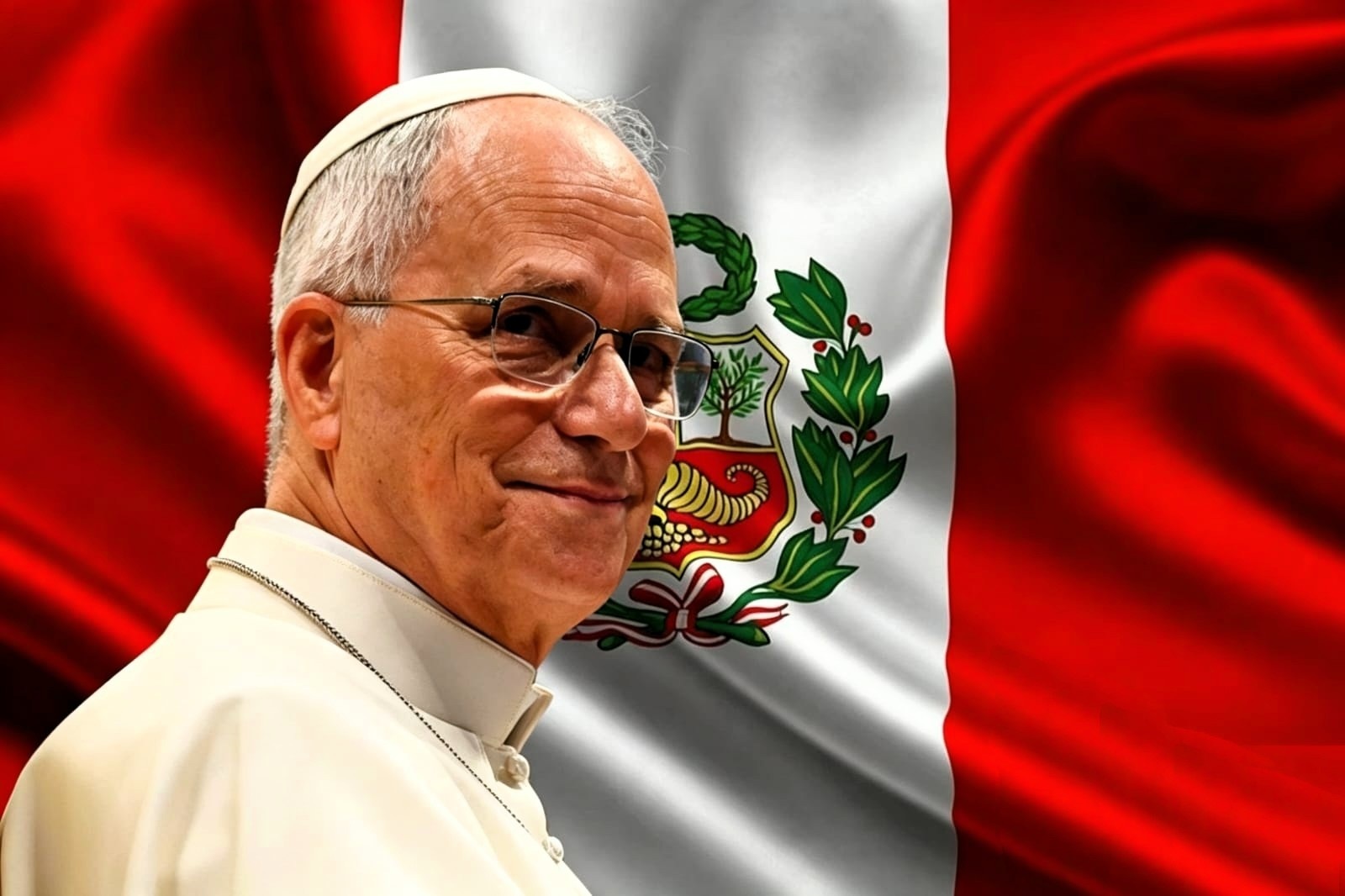
Agencia Peruana de Noticias PRENSAPERU.PE https://www.prensaperu.pe Twitter: @prensaperupe Como se sabe del 11 al 17 de noviembre de 2026, el Perú será el escenario de la etapa más extensa y cargada de significado del Viaje Apostólico del Papa León XIV por Sudamérica. Serán siete días en los que el Sumo Pontífice recorrerá Lima, Chiclayo, Cuzco y Pucallpa, en un recorrido que abarca costa, sierra y selva, y que representa mucho más que una visita oficial: es el regreso a la tierra donde construyó gran parte de su vida espiritual y pastoral.
El vínculo del Papa con el Perú es profundamente personal. Llegó al país en 1985 y desde entonces desarrolló una larga y fructífera labor misionera. Entre 2015 y 2023 ejerció como obispo de Chiclayo, cargo que dejó para asumir la alta responsabilidad de Prefecto del Dicasterio para los Obispos en el Vaticano. Por eso, su llegada es también un reencuentro con un pueblo y una Iglesia que conoce de cerca, a los que ha servido y con los que comparte vínculos de afecto y cercanía.
El presidente de la Conferencia Episcopal Peruana, monseñor Carlos García Camader, recibió la noticia con alegría y convocó a todo el país a prepararse espiritualmente: “Su presencia entre nosotros será un verdadero regalo para nuestro pueblo y una oportunidad para renovar nuestra fe, fortalecer la esperanza y caminar unidos como Iglesia al servicio del Evangelio”.
El Perú es una nación donde la fe católica tiene raíces profundas y extensas. De sus aproximadamente 34,3 millones de habitantes, unos 22,98 millones son católicos, lo que equivale al 67% de la población. La Iglesia peruana cuenta con una amplia estructura de servicio: 46 circunscripciones eclesiásticas, 1.587 parroquias y 6.771 centros de atención pastoral. Cuenta además con 90 obispos, 3.260 sacerdotes, 5.697 religiosas consagradas y más de 55 mil catequistas que llevan la enseñanza evangélica a cada rincón del país. Todo esto en un territorio de enorme riqueza cultural, donde conviven el español, el quechua, el aimara y decenas de lenguas originarias.
El recorrido del Papa refleja la diversidad del Perú: desde la capital Lima hacia Chiclayo, en la costa norte; luego al Cuzco, en el corazón de los Andes; y finalmente a Pucallpa, en plena Amazonía. La visita a esta última ciudad tiene un valor especial: es un mensaje de atención a la selva peruana, a sus pueblos originarios, a su riqueza cultural y a los grandes retos sociales y ambientales que enfrenta esa región.
Con este viaje, León XIV se convierte en el quinto Papa en visitar Sudamérica, tras San Pablo VI (1968), San Juan Pablo II, Benedicto XVI y Francisco. Su recorrido por Uruguay, Argentina y el Perú —que abarca once días en total— lo llevará a conocer tres realidades eclesiales distintas: una sociedad profundamente secularizada, una tierra que guarda la memoria de Francisco, y un país donde él mismo forjó su vocación.
DATOS CONCEPTUALES
Viaje Apostólico: Visita oficial del Papa a un país o región, con fines pastorales, espirituales y de encuentro con la Iglesia local. Es la forma en que el Sumo Pontífice manifiesta su cercanía y guía espiritual a los fieles del mundo entero.
Conferencia Episcopal Peruana: Organismo que reúne a todos los obispos del Perú. Su función es coordinar la labor pastoral, promover la unidad de la Iglesia y orientar la acción evangelizadora en todo el territorio nacional.
Circunscripción eclesiástica: División territorial de la Iglesia católica, que puede ser una diócesis, arquidiócesis o vicariato, bajo la autoridad de un obispo. Es la unidad básica de organización de la Iglesia en cada país.
Dicasterio: Es el nombre que reciben los distintos organismos o departamentos del Vaticano, encargados de áreas específicas de la administración de la Iglesia universal. El Dicasterio para los Obispos es el que se ocupa de todo lo relacionado con el ministerio y la vida de los obispos del mundo.
Secularización: Proceso por el cual la sociedad reduce la influencia de la religión en la vida pública, en las costumbres y en las instituciones, dando mayor protagonismo a valores seculares o terrenales.
DATOS CONTEXTUALES
1.- La visita de León XIV al Perú es única y especial, porque no es la llegada de un jefe de Estado extranjero, sino el regreso de quien vivió, trabajó y sirvió en el país durante décadas, lo que le da un valor afectivo y espiritual sin igual.
2.- El recorrido por Lima, Chiclayo, Cuzco y Pucallpa refleja la realidad misma del Perú: una nación diversa, con costa, sierra y selva, y con una Iglesia presente y activa en cada uno de sus rincones.
3.- La visita confirma la vitalidad de la fe católica en el Perú, donde más de dos tercios de la población se identifica como creyente y miles de personas dedican su vida al servicio pastoral y evangelizador.
4.- El viaje tiene también un mensaje claro: la Iglesia debe estar presente en todos los territorios, incluyendo la Amazonía, cuidando tanto a las personas como a la naturaleza y reconociendo el valor de las culturas originarias.
Fuente: Agencia Peruana de Noticias PRENSAPERU.PE https://www.prensaperu.pe Twitter: @prensaperupe
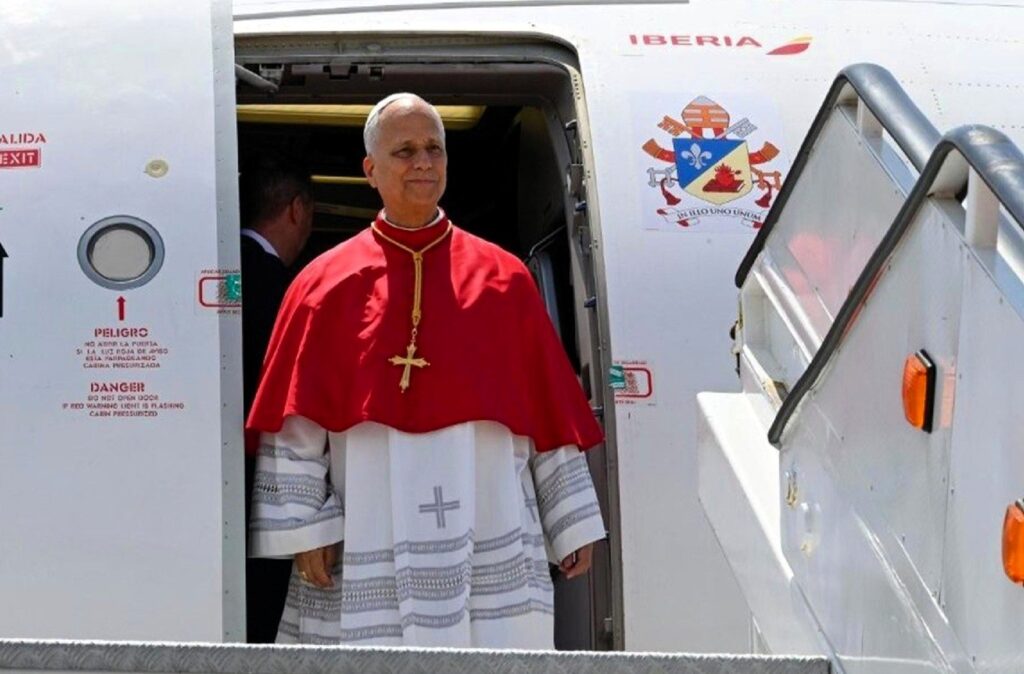
Translate
More Details on the Return of Pope Leo XIV! Peru Welcomes the Fifth Pope to Visit South America. He Will Stay in Our Country for a Full Week in a Historic and Spiritual Journey, Awaited by More Than 22 Million Catholics.
Peruvian News Agency PRENSAPERU.PE https://www.prensaperu.pe Twitter: @prensaperupe As is known, from November 11 to 17, 2026, Peru will host the most extensive and significant stage of Pope Leo XIV’s Apostolic Journey to South America. Over seven days, the Holy Father will travel through Lima, Chiclayo, Cusco and Pucallpa, covering the coast, highlands and jungle — a journey that means far more than an official visit: it is the return to the land where he built much of his spiritual and pastoral life.
The Pope’s bond with Peru is deeply personal. He arrived in the country in 1985 and has since carried out long and fruitful missionary work. Between 2015 and 2023, he served as Bishop of Chiclayo, a position he left to assume the high responsibility of Prefect of the Dicastery for Bishops at the Vatican. For this reason, his arrival is also a reunion with a people and a Church he knows closely, whom he has served, and with whom he shares deep bonds of affection and closeness.
The President of the Peruvian Episcopal Conference, Archbishop Carlos García Camader, received the news with joy and called upon the entire nation to prepare spiritually: “His presence among us will be a true gift for our people and an opportunity to renew our faith, strengthen hope, and walk together as a Church in service to the Gospel.”
Peru is a nation where the Catholic faith has deep and widespread roots. Of its approximately 34.3 million inhabitants, some 22.98 million are Catholic, equivalent to 67% of the population. The Peruvian Church maintains an extensive service structure: 46 ecclesiastical circumscriptions, 1,587 parishes and 6,771 pastoral care centers. It also counts 90 bishops, 3,260 priests, 5,697 consecrated religious women, and more than 55,000 catechists who bring Gospel teaching to every corner of the country. All this within a territory of immense cultural richness, where Spanish, Quechua and Aymara coexist alongside dozens of indigenous languages.
The Pope’s itinerary reflects Peru’s diversity: from the capital Lima to Chiclayo on the northern coast; then to Cusco, in the heart of the Andes; and finally to Pucallpa, deep in the Amazon. The visit to this last city holds special value: it is a message of attention to the Peruvian jungle, its native peoples, its cultural wealth, and the great social and environmental challenges facing that region.
With this journey, Leo XIV becomes the fifth Pope to visit South America, following Saint Paul VI (1968), Saint John Paul II, Benedict XVI and Francis. His eleven-day tour of Uruguay, Argentina and Peru will bring him to three distinct ecclesial realities: a deeply secularized society; a land that keeps alive the memory of Francis; and a country where he himself forged his vocation.
CONCEPTUAL DATA
Apostolic Journey: Official visit by the Pope to a country or region, for pastoral, spiritual and meeting purposes with the local Church. It is the way the Holy Father expresses his closeness and spiritual guidance to the faithful throughout the world.
Peruvian Episcopal Conference: Body that brings together all bishops of Peru. Its purpose is to coordinate pastoral work, promote Church unity, and guide evangelizing action across the national territory.
Ecclesiastical Circumscription: Territorial division of the Catholic Church, which may be a diocese, archdiocese or vicariate, under the authority of a bishop. It is the basic organizational unit of the Church in each country.
Dicastery: The name given to the various bodies or departments of the Vatican, responsible for specific areas of the universal Church’s administration. The Dicastery for Bishops oversees all matters related to the ministry and life of bishops worldwide.
Secularization: The process by which society reduces the influence of religion in public life, customs and institutions, giving greater prominence to secular or worldly values.
CONTEXTUAL DATA
1. Pope Leo XIV’s visit to Peru is unique and special, because it is not the arrival of a foreign head of State, but the return of one who lived, worked and served in the country for decades, giving it an emotional and spiritual value without equal.
2. The itinerary through Lima, Chiclayo, Cusco and Pucallpa mirrors Peru’s very reality: a diverse nation spanning coast, highlands and jungle, with a Church present and active in every corner.
3. The visit confirms the vitality of the Catholic faith in Peru, where more than two-thirds of the population identify as believers and thousands dedicate their lives to pastoral and evangelizing service.
4. The journey also carries a clear message: the Church must be present in all territories, including the Amazon, caring for both people and nature, and recognizing the value of native cultures.
Source: Peruvian News Agency PRENSAPERU.PE https://www.prensaperu.pe Twitter: @prensaperupe