
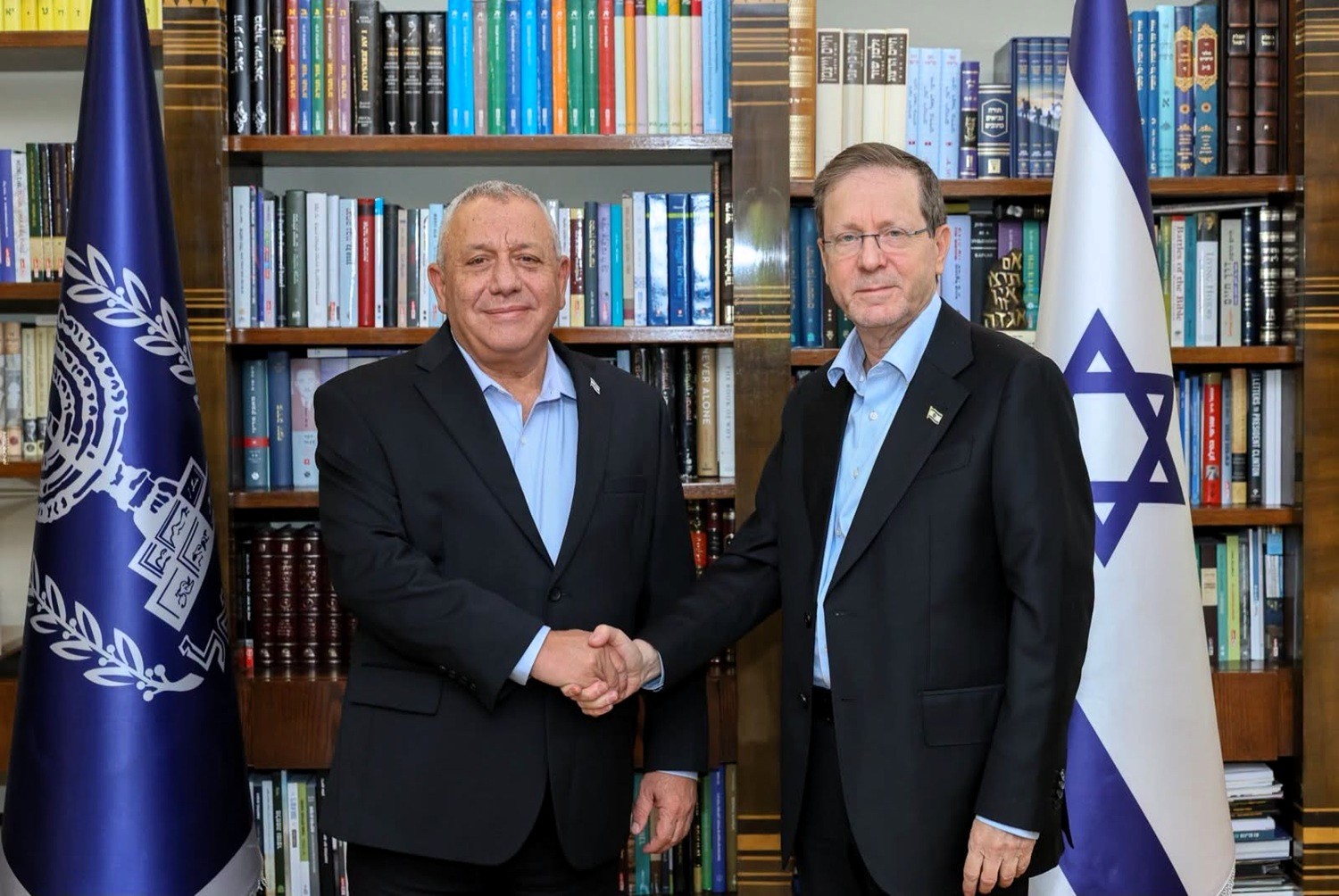
Agencia Peruana de Noticias PRENSAPERU.PE https://www.prensaperu.pe Twitter: @prensaperupe Tras la conclusión del ciclo de consultas realizadas por el Presidente del Estado de Israel, Isaac Herzog, luego de las elecciones parlamentarias celebradas recientemente, se ha anunciado que se llevarán a cabo reuniones complementarias durante el fin de semana para consolidar los consensos necesarios. El día siete de noviembre, víspera del día de descanso sabático, el Presidente comunicó formalmente a Gadi Eisenkot, líder del partido Yesh Atid, su decisión de encomendarle la misión de conformar el nuevo gobierno del país. La ceremonia oficial de entrega del encargo se realizará el día ocho de noviembre a las diecisiete horas en la Residencia Presidencial.
Los resultados del proceso de consultas reflejan una distribución clara de apoyos en el Parlamento israelí conocido como Knesset. Un total de sesenta y siete miembros pertenecientes a distintas facciones parlamentarias han manifestado su respaldo a Gadi Eisenkot para liderar la formación del próximo gobierno. Por su parte, cuarenta y seis legisladores han recomendado al actual Primer Ministro y líder del partido Likud, Benjamin Netanyahu, para continuar en dicha responsabilidad. Una facción compuesta por siete parlamentarios ha decidido no emitir recomendación alguna a ningún candidato durante esta etapa del proceso.
El Presidente Herzog mantuvo reuniones sostenidas con los principales actores del escenario político nacional, entre ellas encuentros específicos con ambos líderes mencionados, en los que expuso el panorama político general y los fundamentos de su decisión institucional. El marco legal que regula este proceso establece que, desde el momento en que se confiere el encargo de formar gobierno, la persona designada dispone de un plazo de veintiocho días para lograr la conformación del gabinete. Si resultara necesario extender este lapso, la ley faculta al Presidente del Estado para otorgar una única prórroga de hasta catorce días adicionales, plazo máximo permitido por la normativa vigente.
DEFINICIONES CONCEPTUALES
Knesset: Es el órgano legislativo unicameral del Estado de Israel. Cuenta con ciento veinte miembros elegidos mediante sufragio universal y representa el poder legislativo en el sistema de gobierno parlamentario de ese país.
Ley Fundamental El Gobierno: Constituye uno de los cuerpos normativos de rango constitucional en el ordenamiento jurídico israelí. Regula la estructura, conformación y funcionamiento del Poder Ejecutivo, así como los plazos y procedimientos para la designación y formación de cada gobierno.
Facciones parlamentarias: Son las agrupaciones formadas por los representantes de cada partido o alianza política dentro del Parlamento. Cada una cuenta con voz propia durante las consultas que realiza el Presidente para determinar quién cuenta con el respaldo mayoritario necesario.
Sistema parlamentario: Es aquel en el cual el gobierno se constituye sobre la base de la confianza del Parlamento, y su designación pasa por una etapa de consultas y encargo presidencial antes de presentar el gabinete para su aprobación legislativa.
CONCLUSIONES
1.- El resultado de las consultas demuestra que ninguna fuerza política obtuvo por sí sola la mayoría absoluta en las elecciones, por lo que la formación del gobierno dependerá inevitablemente de la construcción de alianzas entre distintas agrupaciones parlamentarias con visiones y bases sociales diferentes.
2.- El umbral de sesenta y siete recomendaciones representa una mayoría inicial considerable, aunque no garantiza por sí solo la estabilidad del gobierno, ya que los apoyos manifestados en la etapa de consultas pueden variar al momento de la votación final de investidura en el pleno del Knesset.
3.- El hecho de que siete parlamentarios no recomendaran a ningún candidato evidencia la existencia de una tercera fuerza política relevante que podría funcionar como elemento de negociación o equilibrio durante todo el proceso de formación y ejercicio del próximo gobierno.
4.- Los plazos legales de veintiocho días ampliables a cuarenta y dos en total obligan a las partes a alcanzar acuerdos programáticos y de distribución de responsabilidades en un lapso limitado, lo que suele favorecer consensos pragmáticos frente a posiciones extremas.
5.- El rol del Presidente del Estado se manifiesta como una función institucional de articulación y legitimación democrática, más allá de su capacidad de decisión personal, actuando como garante del cumplimiento del marco legal y del proceso democrático en su conjunto.
Fuente: Agencia Peruana de Noticias PRENSAPERU.PE https://www.prensaperu.pe Twitter: @prensaperupe
Translate
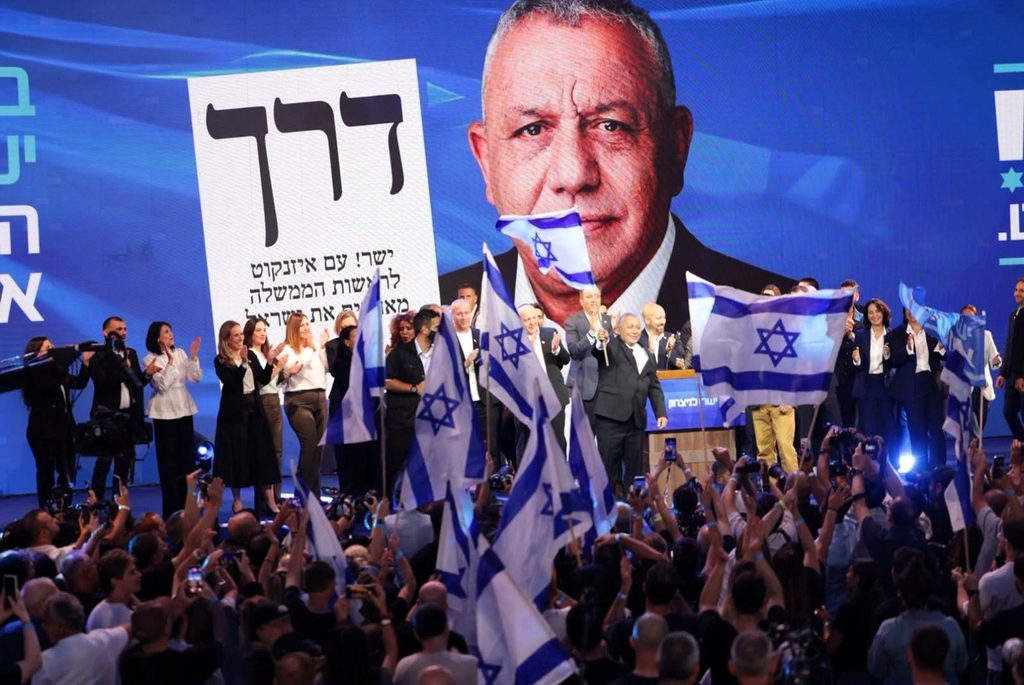
Gadi Eisenkot has received a presidential mandate to form a new government in Israel, following majority support in Parliament, which provided sixty-seven recommendations in his favor. The new government must be formed by next December.
Peruvian News Agency PRENSAPERU.PE https://www.prensaperu.pe Twitter: @prensaperupe Following the conclusion of the consultation cycle conducted by the President of the State of Israel, Isaac Herzog, after the recent parliamentary elections, it was announced that additional meetings would take place over the weekend to consolidate the necessary consensus. On November seventh, on the eve of the Sabbath day of rest, the President formally communicated to Gadi Eisenkot, leader of the Yesh Atid party, his decision to entrust him with the task of forming the country’s new government. The official ceremony to confer this mandate will be held on November eighth at five p.m. at the Presidential Residence.
The results of the consultation process reflect a clear distribution of support in the Israeli Parliament known as the Knesset. A total of sixty-seven members from various parliamentary factions have expressed their backing for Gadi Eisenkot to lead the formation of the next government. Meanwhile, forty-six legislators have recommended the current Prime Minister and leader of the Likud party, Benjamin Netanyahu, to continue in that role. One faction comprising seven parliamentarians has decided not to issue any recommendation to either candidate during this stage of the process.
President Herzog held extensive meetings with key actors on the national political scene, including specific meetings with both aforementioned leaders, during which he presented the general political landscape and the foundations of his institutional decision. The legal framework governing this process establishes that from the moment the task of forming a government is conferred, the designated person has a period of twenty-eight days to successfully form the cabinet. Should an extension of this timeframe become necessary, the law empowers the President of the State to grant a single extension of up to fourteen additional days, which is the maximum term permitted under current regulations.
CONCEPTUAL DEFINITIONS
Knesset: This is the unicameral legislative body of the State of Israel. It consists of one hundred and twenty members elected by universal suffrage and represents the legislative branch within that country’s parliamentary system of government.
Basic Law: The Government: This constitutes one of the normative instruments with constitutional rank in the Israeli legal system. It regulates the structure, composition and functioning of the Executive Branch, as well as the timeframes and procedures for the appointment and formation of each government.
Parliamentary factions: These are the groups formed by the representatives of each political party or alliance within Parliament. Each one has its own voice during the consultations conducted by the President to determine who commands the necessary majority support.
Parliamentary system: This is a system in which the government is formed on the basis of parliamentary confidence, and its appointment goes through a stage of consultations and a presidential mandate before presenting the cabinet for legislative approval.
CONCLUSIONS
1.- The outcome of the consultations demonstrates that no single political force won an absolute majority in the elections, meaning that government formation will inevitably depend on building alliances among different parliamentary groups holding differing visions and social bases.
2.- The threshold of sixty-seven recommendations represents a substantial initial majority, although it does not in itself guarantee government stability, since the support expressed during the consultation stage may shift when the final investiture vote is held in the plenary of the Knesset.
3.- The fact that seven parliamentarians did not recommend any candidate reveals the existence of a relevant third political force that could serve as a negotiating or balancing element throughout the entire process of forming and operating the next government.
4.- The legal timeframe of twenty-eight days extendable to forty-two days in total compels the parties to reach programmatic agreements and arrangements on the distribution of responsibilities within a limited period, which generally fosters pragmatic consensus over extreme positions.
5.- The role of the President of the State emerges as an institutional function of coordination and democratic legitimacy, going beyond personal decision-making authority, acting as guarantor of compliance with the legal framework and the democratic process as a whole.
Source: Peruvian News Agency PRENSAPERU.PE https://www.prensaperu.pe Twitter: @prensaperupe