
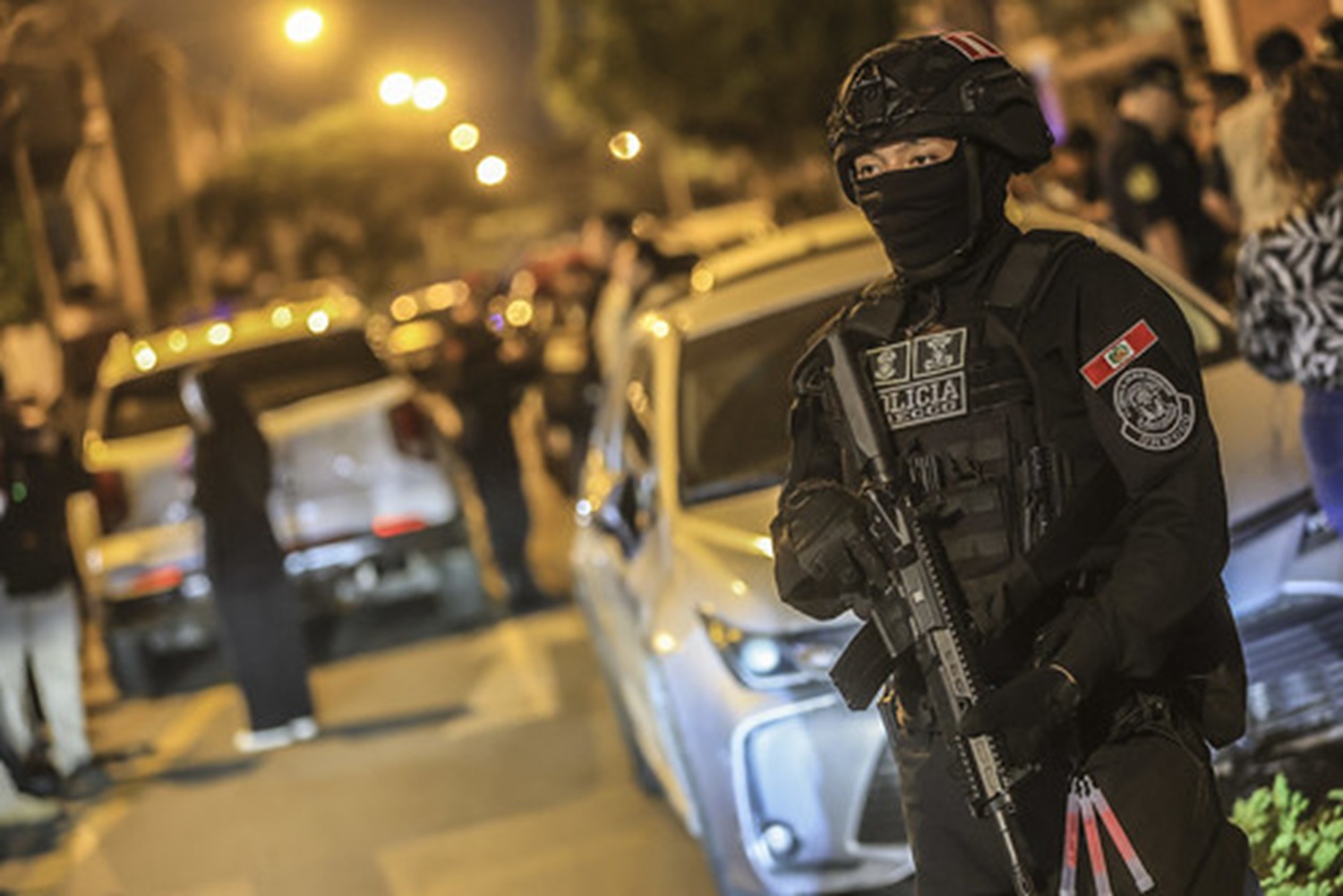
Agencia Peruana de Noticias PRENSAPERU.PE https://www.prensaperu.pe Twitter: @prensaperupe El estado de emergencia es una medida excepcional prevista en la Constitución Política del Perú y en la Ley N° 25.475, que permite al Gobierno adoptar disposiciones especiales para hacer frente a situaciones que pongan en riesgo la seguridad nacional, el orden público o la integridad de la población y sus bienes. Durante su vigencia, se pueden restringir temporalmente algunos derechos constitucionales (como la libertad de tránsito o la inviolabilidad del domicilio en casos específicos), siempre y cuando se mantenga el respeto a los derechos humanos fundamentales. La duración máxima inicial es de 60 días, pudiendo prorrogarse si las condiciones que motivaron su declaración persisten.
ESTADO DE EMERGENCIA POR LUCHA CONTRA LA CRIMINALIDAD
Distritos y regiones beneficiarias
La medida se implementará por 60 días en:
Región Ayacucho (provincia de La Mar): Distritos de Anco, Ayna, Santa Rosa, Samugari, Anchihuay, Río Magdalena y Unión Progreso.
Región Cusco (provincia de La Convención): Distritos de Kimbiri, Villa Kintiarina, Villa Virgen, Echarate, Megantoni, Kumpirushiato, Cielo Punco y Manitea.
Región Junín (provincia de Satipo): Distritos de Pangoa y Río Tambo.
Región Piura: Distritos de Piura, Castilla, Veintiséis de Octubre, Catacaos, Sullana, Bellavista, y toda la provincia de Talara.
Objetivos y delitos abordados
La disposición tiene como fin combatir el tráfico ilícito de drogas –actividad que afecta la seguridad ciudadana, la salud pública y el desarrollo económico del país–, así como otros delitos conexos (como el blanqueo de capitales, el contrabando y la violencia asociada a grupos criminales).
Zonas excluidas y criterios de intervención
Quedan excluidos los centros poblados y zonas estratégicas vinculadas al Eje Energético del Gas de Camisea (que suministra gas natural a gran parte del país) y al Corredor Operacional Fluvial-Terrestre del Ene (importante vía de transporte y desarrollo económico), ya que cuentan con disposiciones de emergencia específicas para su protección.
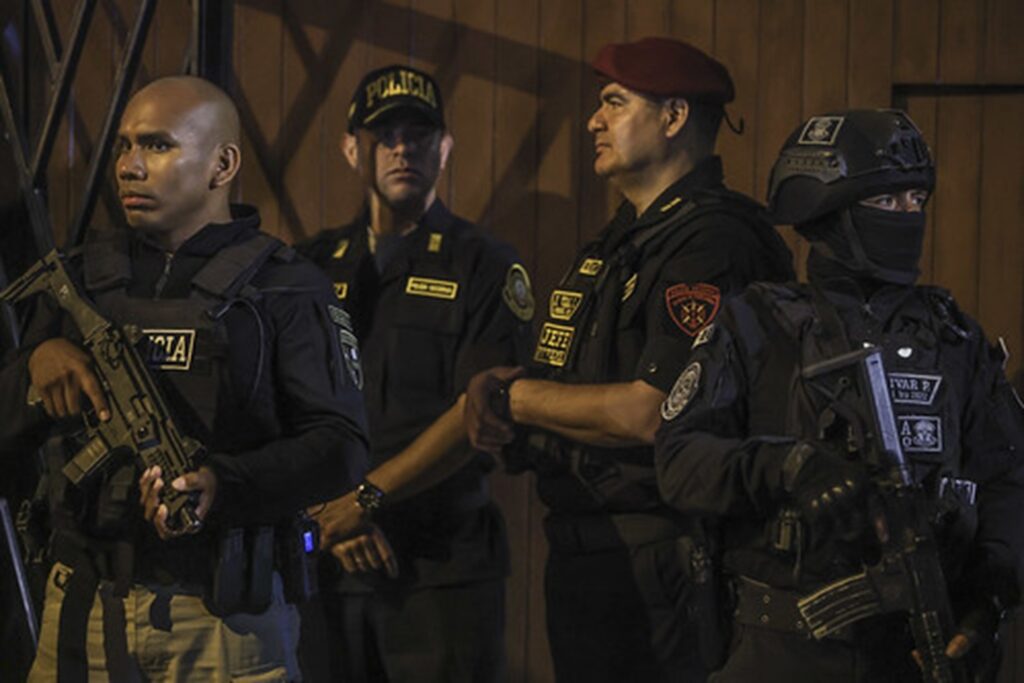
La Policía Nacional del Perú (PNP) será la entidad encargada del control del orden interno, con apoyo de las Fuerzas Armadas. La definición de zonas de intervención se basará en información de inteligencia, estadísticas de delincuencia, mapas del delito y otros instrumentos técnicos que permitan enfocar las acciones donde sean más necesarias.
ESTADO DE EMERGENCIA POR IMPACTO Y PELIGRO DE LLUVIAS
Nuevas declaraciones en Ayacucho
Se establece por 60 días en 16 distritos de la región Ayacucho: Chilcas, Luis Carranza, Samugari, Unión Progreso, Uchuraccay, Asquipata, Huamanquiquia, Vilcanchos, Accomarca, Concepción, Independencia, Vilcashuaman, Belén, Paico, Sancos y Pullo. El objetivo es ejecutar acciones de excepción, inmediatas y necesarias de respuesta (como evacuaciones, atención a damnificados) y rehabilitación (reconstrucción de infraestructura, carreteras, viviendas) frente al daño causado por las precipitaciones.
Prorrogación en 19 regiones
A partir del 11 de marzo, se prorroga por 60 días el estado de emergencia en 298 distritos de 19 regiones del país: Amazonas, Áncash, Apurímac, Arequipa, Ayacucho, Cajamarca, Cusco, Huancavelica, Huánuco, Ica, Junín, Loreto, Madre de Dios, Moquegua, Pasco, Puno, San Martín, Tacna y Ucayali. Esta prórroga responde al peligro inminente de intensas precipitaciones pluviales, permitiendo continuar con medidas de prevención, mitigación y atención de emergencias para proteger la vida y los bienes de la población.
DATOS
1.- La medida busca abordar dos desafíos prioritarios: El Gobierno ha concentrado esfuerzos en hacer frente tanto a la amenaza criminal –especialmente el tráfico de drogas en zonas estratégicas– como a los efectos del fenómeno climático, demostrando una gestión integral de situaciones de riesgo para el país.
2.- Se mantiene el enfoque en zonas estratégicas y protección de infraestructuras clave: La exclusión de áreas vinculadas al Gas de Camisea y el Corredor del Ene evidencia la preocupación por garantizar el funcionamiento de servicios esenciales y vías de desarrollo, mientras se actúa en otras zonas afectadas.
3.- La planificación se basa en datos técnicos y flexibilidad temporal: Tanto la lucha contra la delincuencia como la atención a las lluvias se sustentan en instrumentos de análisis, y la duración de 60 días (con posibilidad de prórroga) permite adaptar las acciones a la evolución de cada situación.
Fuente: Agencia Peruana de Noticias PRENSAPERU.PE https://www.prensaperu.pe Twitter: @prensaperupe
Translate
Over 300 Districts Under State of Emergency: “Government Acts Against Crime and Rains; Camisea Gas and Ene Corridor Excluded from These Measures”.
Peruvian News Agency PRENSAPERU.PE https://www.prensaperu.pe Twitter: @prensaperupe The state of emergency is an exceptional measure provided for in the Political Constitution of Peru and Law No. 25,475, which allows the Government to adopt special provisions to address situations that endanger national security, public order, or the safety of the population and their property. During its validity, some constitutional rights (such as freedom of movement or inviolability of the home in specific cases) may be temporarily restricted, provided that respect for fundamental human rights is maintained. The maximum initial duration is 60 days, which may be extended if the conditions that led to its declaration persist.
STATE OF EMERGENCY FOR THE FIGHT AGAINST CRIME
Beneficiary Districts and Regions
The measure will be implemented for 60 days in:
Ayacucho Region (La Mar Province): Districts of Anco, Ayna, Santa Rosa, Samugari, Anchihuay, Río Magdalena, and Unión Progreso.
Cusco Region (La Convención Province): Districts of Kimbiri, Villa Kintiarina, Villa Virgen, Echarate, Megantoni, Kumpirushiato, Cielo Punco, and Manitea.
Junín Region (Satipo Province): Districts of Pangoa and Río Tambo.
Piura Region: Districts of Piura, Castilla, Veintiséis de Octubre, Catacaos, Sullana, Bellavista, and the entire Talara Province.
Objectives and Crimes Addressed
The provision aims to combat drug trafficking – an activity that affects citizen security, public health, and the country’s economic development – as well as other related crimes (such as money laundering, smuggling, and violence associated with criminal groups).
Excluded Areas and Intervention Criteria
Settlements and strategic areas linked to the Camisea Gas Energy Axis (which supplies natural gas to much of the country) and the Ene River-Land Operational Corridor (an important transport and economic development route) are excluded, as they have specific emergency provisions for their protection.
The National Police of Peru (PNP) will be responsible for maintaining internal order, with support from the Armed Forces. The definition of intervention areas will be based on intelligence information, crime statistics, crime maps, and other technical tools to focus actions where they are most needed.
STATE OF EMERGENCY FOR THE IMPACT AND DANGER OF RAINS
New Declarations in Ayacucho
It is established for 60 days in 16 districts of the Ayacucho Region: Chilcas, Luis Carranza, Samugari, Unión Progreso, Uchuraccay, Asquipata, Huamanquiquia, Vilcanchos, Accomarca, Concepción, Independencia, Vilcashuaman, Belén, Paico, Sancos, and Pullo. The objective is to carry out exceptional, immediate, and necessary response actions (such as evacuations, assistance to victims) and rehabilitation actions (reconstruction of infrastructure, roads, housing) to address damage caused by rainfall.
Extension in 19 Regions
Starting March 11, the state of emergency is extended for 60 days in 298 districts of 19 regions of the country: Amazonas, Áncash, Apurímac, Arequipa, Ayacucho, Cajamarca, Cusco, Huancavelica, Huánuco, Ica, Junín, Loreto, Madre de Dios, Moquegua, Pasco, Puno, San Martín, Tacna, and Ucayali. This extension responds to the imminent danger of heavy rainfall, allowing the continuation of prevention, mitigation, and emergency response measures to protect the lives and property of the population.
DATA
1.- The measure seeks to address two priority challenges: The Government has focused efforts on tackling both the criminal threat – especially drug trafficking in strategic areas – and the effects of climate phenomena, demonstrating comprehensive management of risk situations for the country.
2.- Focus is maintained on strategic areas and protection of key infrastructure: The exclusion of areas linked to Camisea Gas and the Ene Corridor reflects concern for ensuring the operation of essential services and development routes, while acting in other affected areas.
3.- Planning is based on technical data and temporal flexibility: Both the fight against crime and the response to rains are supported by analysis tools, and the 60-day duration (with the possibility of extension) allows actions to be adapted to the evolution of each situation.
Source: Peruvian News Agency PRENSAPERU.PE https://www.prensaperu.pe Twitter: @prensaperupe