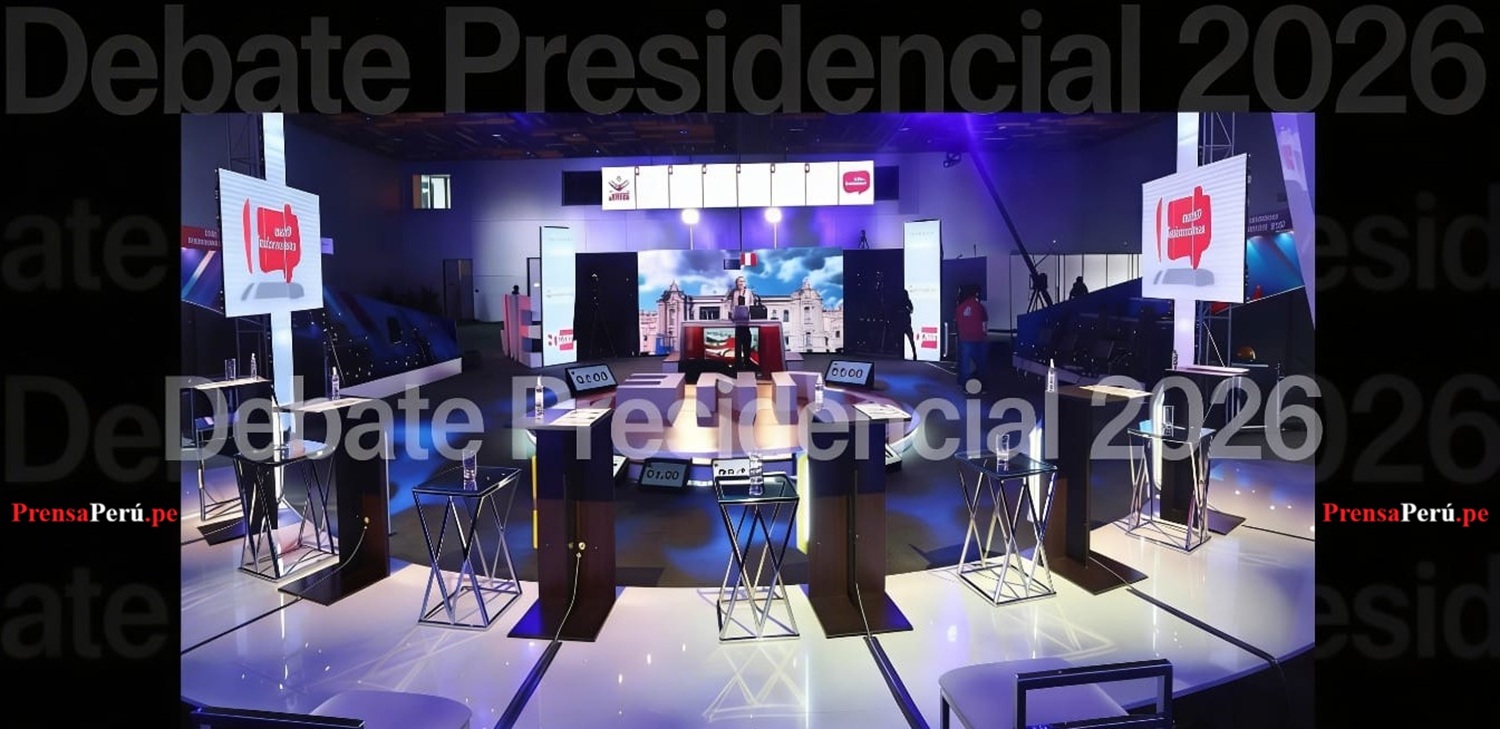
Agencia Peruana de Noticias PRENSAPERU.PE https://www.prensaperu.pe Twitter: @prensaperupe Con apenas horas para el inicio del primer encuentro de los postulantes a la máxima magistratura del país, el Jurado Nacional de Elecciones (JNE) pone en marcha los debates presidenciales de las Elecciones Generales 2026 (EG-2026), un espacio clave que busca garantizar que la ciudadanía tome decisiones informadas en las urnas.
El primer capítulo se desarrollará este lunes 23 a las 8 pm en el Centro de Convenciones de Lima (San Borja), con continuidad los días martes 24 y miércoles 25. Posteriormente, se realizarán tres fechas más entre el 30 de abril y el 1 de mayo, siempre a la misma hora, con la participación total de 35 candidatos que representan a distintas fuerzas políticas del país.
En la jornada de este lunes participarán 11 postulantes de organizaciones como Avanza País-Partido de Integración Social, Podemos Perú, Cooperación Popular, Alianza para el Progreso, Ahora Nación-AN, Primero la Gente-Comunidad, Ecología, Libertad y Progreso, Partido Demócrata Verde, Renovación Popular, Integridad Democrática, País para Todos y Frente de la Esperanza 2021. Para las dos siguientes jornadas se sumará un candidato más, llegando a 12 participantes por fecha; el orden de intervención de los cuatro grupos formados por jornada fue definido mediante sorteo.
La estructura del debate ha sido diseñada para cubrir temas prioritarios para la nación: el primer bloque se centrará en “Seguridad ciudadana y lucha contra la criminalidad”, con un minuto de exposición por candidato. Luego, un bolsón de tiempo de dos minutos y medio por postulante permitirá dialogar y responder a las intervenciones del moderador.
El segundo bloque consistirá en la “Pregunta ciudadana”, donde cada aspirante responderá en un minuto y medio a consultas seleccionadas por un comité de revisión, enviadas por electores de todo el territorio nacional. El tercer apartado abordará “Integridad pública y lucha contra la corrupción”, siguiendo la misma dinámica que el primer bloque, y el cierre se dará con un mensaje final de un minuto por candidato, enfocado en su visión de país y síntesis de propuestas. La duración total de cada jornada será de aproximadamente tres horas.
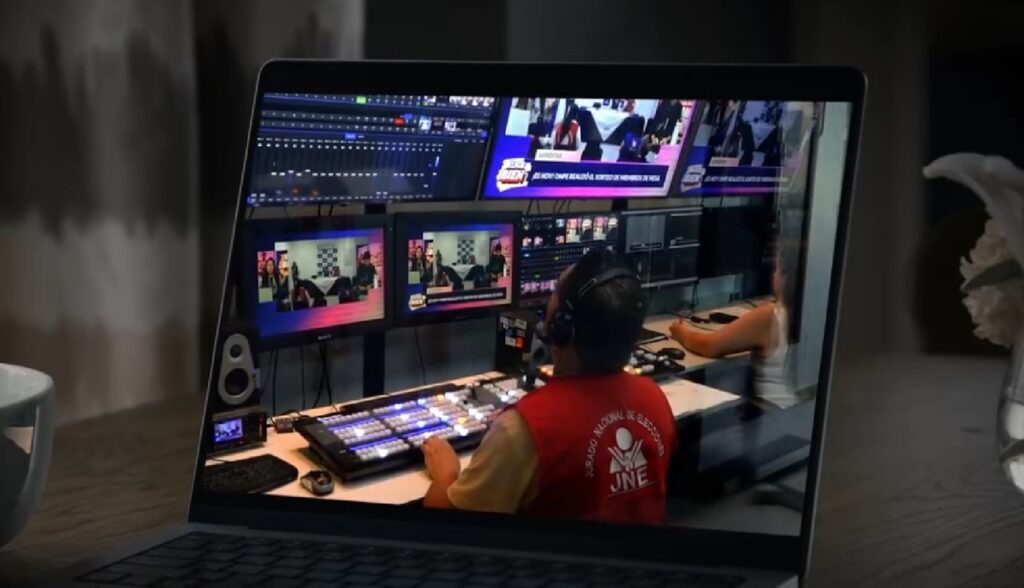
Los periodistas Claudia Chiroque y Fernando Carvallo fueron elegidos por los partidos políticos como moderadores de estas primeras tres fechas. La transmisión se realizará en directo a nivel nacional por TV Perú, el canal JNE Media y las redes sociales institucionales del organismo electoral.
Este evento cumple con uno de los compromisos del Pacto Ético Electoral suscrito el 18 de diciembre de 2025, que busca garantizar la exposición clara de propuestas para fortalecer la democracia peruana.
DATOS
1.- El debate es un espacio fundamental para la democracia: Al dar cabida a múltiples voces y temas prioritarios, el JNE busca asegurar que el voto de los peruanos se base en el conocimiento de las propuestas de cada candidato.
2.- La estructura garantiza equidad y cobertura de temas clave: Con bloques dedicados a seguridad, integridad pública y preguntas ciudadanas, se busca abordar los asuntos que más preocupan a la población, con tiempos igualitarios para todos los postulantes.
3.- El proceso cumple con compromisos éticos: El desarrollo de los debates responde al Pacto Ético Electoral, reflejando el acuerdo entre las fuerzas políticas para promover una contienda electoral transparente y informada.
Fuente: Agencia Peruana de Noticias PRENSAPERU.PE https://www.prensaperu.pe Twitter: @prensaperupe
Translate
“The moment has arrived! This Monday the 23rd, the JNE’s grand presidential debate for the 2026 General Elections begins.”
Peruvian News Agency PRENSAPERU.PE https://www.prensaperu.pe Twitter: @prensaperupe With just hours to go before the first meeting of the candidates for the country’s highest office, the National Jury of Elections (JNE, from its Spanish acronym) is launching the presidential debates for the 2026 General Elections (GE-2026) – a key space aimed at ensuring citizens make informed decisions at the polls.
The first chapter will take place this Monday, March 23rd at 8 PM at the Lima Convention Center (San Borja), continuing on Tuesday the 24th and Wednesday the 25th. Later, three more sessions will be held between April 30th and May 1st, always at the same time, with the participation of 35 candidates representing different political forces in the country.
On Monday, 11 candidates from organizations including Avanza País-Social Integration Party, Podemos Perú, Popular Cooperation, Alliance for Progress, Now Nation-AN, People First-Community, Ecology, Freedom and Progress, Green Democratic Party, Popular Renewal, Democratic Integrity Party, Country for All Party and Hope Front 2021 will take part. For the next two sessions, one more candidate will join, bringing the total to 12 participants per day; the order of intervention for the four groups formed per session was determined by draw.
The debate structure has been designed to cover priority issues for the nation: the first block will focus on “Citizen Security and Fighting Crime”, with one minute of presentation per candidate. Next, a time slot of two and a half minutes per candidate will allow dialogue and responses to the moderator’s interventions.
The second block will consist of the “Citizen Question”, where each candidate will answer in one and a half minutes to queries selected by a review committee, submitted by voters from across the country. The third section will address “Public Integrity and Fighting Corruption”, following the same format as the first block, and the event will close with a one-minute final message from each candidate, focused on their vision for the country and summary of proposals. Each session will last approximately three hours.
Journalists Claudia Chiroque and Fernando Carvallo were chosen by political parties as moderators for these first three sessions. The broadcast will be live nationwide on TV Perú, the JNE Media channel and the electoral body’s official social media.
This event fulfills one of the commitments of the Ethical Electoral Pact signed on December 18th, 2025, which seeks to ensure clear presentation of proposals to strengthen Peruvian democracy.
DATA
1.- The debate is a fundamental space for democracy: By giving space to multiple voices and priority issues, the JNE aims to ensure Peruvians’ votes are based on knowledge of each candidate’s proposals.
2.- The structure ensures equity and coverage of key issues: With blocks dedicated to security, public integrity and citizen questions, the goal is to address the issues that concern the population most, with equal time for all candidates.
3.- The process complies with ethical commitments: The organization of the debates responds to the Ethical Electoral Pact, reflecting the agreement between political forces to promote a transparent and informed electoral contest.
Source: Peruvian News Agency PRENSAPERU.PE https://www.prensaperu.pe Twitter: @prensaperupe