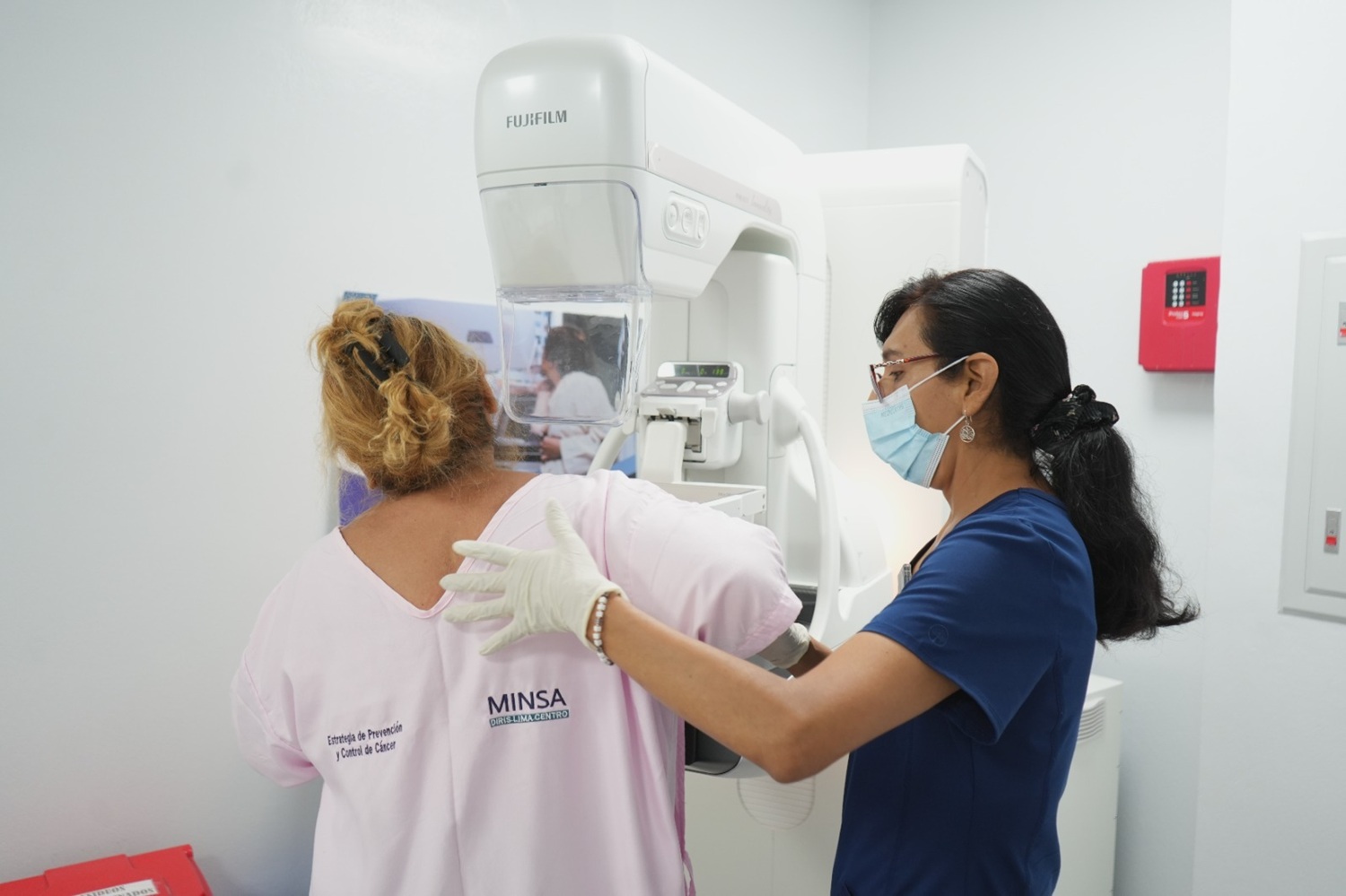
Agencia Peruana de Noticias PRENSAPERU.PE https://www.prensaperu.pe Twitter: @prensaperupe En un esfuerzo contundente por salvaguardar la salud de las mujeres peruanas, la Dirección de Redes Integradas de Salud (Diris) Lima Centro del Ministerio de Salud (Minsa) ha revelado cifras alentadoras en su campaña de prevención y detección temprana del cáncer de mama. Entre enero y marzo del presente año, la Diris Lima Centro llevó a cabo un impresionante total de 9587 exámenes clínicos de mama (ECM) y 2138 tamizajes de mamografía bilateral. Estos últimos, de vital importancia diagnóstica, se concentraron en el Centro de Salud Magdalena, destacando la infraestructura y el personal capacitado dedicados a esta causa.
Estas cifras no son solo números; representan los importantes avances y el compromiso decidido en el fortalecimiento del tamizaje y la prevención del cáncer de mama a nivel nacional. La prevención se refiere a las acciones destinadas a reducir el riesgo de desarrollar una enfermedad, mientras que el tamizaje es la aplicación de pruebas sencillas a una población aparentemente sana para detectar precozmente una enfermedad. Ambas estrategias constituyen uno de los principales ejes de la gestión del ministro de Salud, Juan Carlos Velasco Guerrero, quien ha puesto énfasis en la salud preventiva como pilar fundamental de su administración.
El cáncer de mama sigue siendo una de las principales causas de mortalidad en mujeres a nivel global y en Perú. Sin embargo, la buena noticia, y un mensaje crucial que el Minsa busca difundir, es que cuando se detecta en etapas iniciales, las probabilidades de supervivencia pueden alcanzar hasta el 90%. Esta estadística subraya la diferencia abismal que puede hacer la detección temprana en el pronóstico y tratamiento de la enfermedad, convirtiéndola en una patología altamente tratable si se aborda a tiempo.
Por esta razón, la mamografía se erige como una herramienta clave e insustituible para el tamizaje de cáncer de mama. La mamografía bilateral implica la toma de imágenes de rayos X de ambos senos, permitiendo a los especialistas identificar anomalías incluso antes de que sean palpables. El Minsa recomienda enfáticamente que todas las mujeres en el rango de edad de 40 a 69 años se realicen esta prueba de manera periódica, específicamente cada dos años. Esta recomendación se basa en evidencia científica que demuestra la mayor eficacia de la mamografía en este grupo etario para la detección oportuna.
El Ministerio de Salud destaca y valora enormemente la coordinación y el esfuerzo mancomunado de las diferentes autoridades de salud no solo en Lima Metropolitana y el Callao, sino también en todas las regiones del país. Este trabajo articulado es esencial para ampliar la cobertura preventiva – es decir, la proporción de la población que accede a estos servicios de detección – y mejorar los índices de detección temprana, acercando los servicios de salud a las comunidades más apartadas y vulnerables.
De esta manera, el Minsa reafirma su rol indeclinable en la prevención de enfermedades, especialmente aquellas de alto impacto como el cáncer que afecta a las mujeres. A través de estas iniciativas, el ministerio garantiza la atención oportuna y de calidad para todos los peruanos, con un enfoque particular en los más vulnerables, asegurando que el acceso a servicios de salud esenciales no sea un privilegio, sino un derecho universal. Este compromiso no solo busca salvar vidas, sino también mejorar la calidad de vida y el bienestar general de la sociedad peruana.
DATOS
1.- La Detección Temprana es la Clave para la Supervivencia: Las cifras de tamizaje de la Diris Lima Centro, especialmente en mamografías, refuerzan la idea de que la identificación precoz del cáncer de mama es el factor más determinante para alcanzar altas tasas de supervivencia, haciendo de la prevención una inversión vital en salud pública.
2.- El Minsa Demuestra un Compromiso Genuino con la Salud de la Mujer: La gestión del Ministro Velasco Guerrero, enfocada en el fortalecimiento del tamizaje y la prevención, sumada a la coordinación interinstitucional, evidencia una estrategia integral y activa del Minsa para abordar una de las principales causas de mortalidad femenina, reafirmando su rol protector.
3.- La Mamografía es una Herramienta Insustituible y Requiere Difusión Activa: La recomendación específica para mujeres entre 40 y 69 años subraya la importancia crítica de la mamografía bilateral como método de tamizaje. Esto exige una campaña de concientización continua y accesible para asegurar que el mensaje llegue a toda la población objetivo.
4.- La Articulación Multisectorial es Esencial para Ampliar la Cobertura y Garantizar Equidad: El reconocimiento del esfuerzo coordinado en Lima y regiones enfatiza que la lucha contra el cáncer de mama es una tarea colectiva. La colaboración entre diversas autoridades y niveles de gobierno es crucial para expandir el alcance de la prevención y asegurar que los servicios de calidad lleguen a los segmentos más vulnerables de la población, promoviendo la equidad en salud.
Fuente: Agencia Peruana de Noticias PRENSAPERU.PE https://www.prensaperu.pe Twitter: @prensaperupe
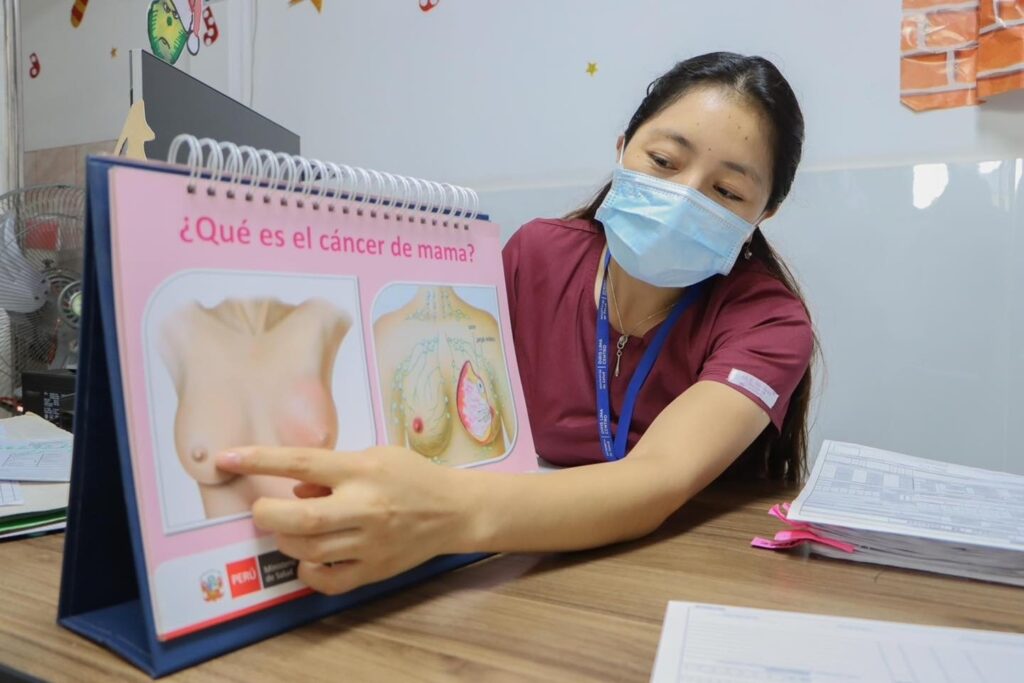
Translate
Diris Lima Center (Minsa) in front: “11.000 key exams reinforce the fight against breast cancer with quality care for the most vulnerable.”
Peruvian News Agency PRENSAPERU.PE https://www.prensaperu.pe Twitter: @prensaperupe In a strong effort to safeguard the health of Peruvian women, the Directorate of Integrated Health Networks (Diris) Lima Centro of the Ministry of Health (Minsa) has revealed encouraging figures in its breast cancer prevention and early detection campaign. Between January and March of this year, Diris Lima Centro carried out an impressive total of 9587 clinical breast exams (CBE) and 2138 bilateral mammography screenings. The latter, of vital diagnostic importance, were concentrated at the Magdalena Health Center, highlighting the infrastructure and trained personnel dedicated to this cause.
These figures are not just numbers; they represent the significant advances and determined commitment to strengthening breast cancer screening and prevention nationwide. Prevention refers to actions aimed at reducing the risk of developing a disease, while screening is the application of simple tests to an apparently healthy population to detect a disease early. Both strategies constitute one of the main axes of the management of the Minister of Health, Juan Carlos Velasco Guerrero, who has emphasized preventive health as a fundamental pillar of his administration.
Breast cancer continues to be one of the main causes of death in women globally and in Peru. However, the good news, and a crucial message that Minsa seeks to disseminate, is that when detected in initial stages, the chances of survival can reach up to 90%. This statistic underscores the abysmal difference that early detection can make in the prognosis and treatment of the disease, making it a highly treatable pathology if addressed in time.
For this reason, mammography stands as a key and irreplaceable tool for breast cancer screening. Bilateral mammography involves taking X-ray images of both breasts, allowing specialists to identify abnormalities even before they are palpable. Minsa emphatically recommends that all women in the age range of 40 to 69 years undergo this test periodically, specifically every two years. This recommendation is based on scientific evidence that demonstrates the greater effectiveness of mammography in this age group for timely detection.
The Ministry of Health highlights and greatly values the coordination and joint effort of the different health authorities not only in Metropolitan Lima and Callao, but also in all regions of the country. This articulated work is essential to expand preventive coverage – that is, the proportion of the population that accesses these detection services – and improve early detection rates, bringing health services closer to the most remote and vulnerable communities.
In this way, Minsa reaffirms its unwavering role in disease prevention, especially those with high impact such as cancer affecting women. Through these initiatives, the ministry guarantees timely and quality care for all Peruvians, with a particular focus on the most vulnerable, ensuring that access to essential health services is not a privilege, but a universal right. This commitment not only seeks to save lives, but also to improve the quality of life and general well-being of Peruvian society.
DATA
1.- Early Detection is Key to Survival: Diris Lima Centro’s screening figures, especially in mammography, reinforce the idea that early identification of breast cancer is the most determining factor for achieving high survival rates, making prevention a vital investment in public health.
2.- Minsa Demonstrates a Genuine Commitment to Women’s Health: Minister Velasco Guerrero’s management, focused on strengthening screening and prevention, coupled with inter-institutional coordination, evidences a comprehensive and active Minsa strategy to address one of the main causes of female mortality, reaffirming its protective role.
3.- Mammography is an Irreplaceable Tool and Requires Active Dissemination: The specific recommendation for women between 40 and 69 years old underscores the critical importance of bilateral mammography as a screening method. This demands a continuous and accessible awareness campaign to ensure that the message reaches the entire target population.
4.- Multisectoral Coordination is Essential to Expand Coverage and Guarantee Equity: The recognition of coordinated effort in Lima and regions emphasizes that the fight against breast cancer is a collective task. Collaboration between various authorities and levels of government is crucial to expand the reach of prevention and ensure that quality services reach the most vulnerable segments of the population, promoting health equity.
Source: Peruvian News Agency PRENSAPERU.PE https://www.prensaperu.pe Twitter: @prensaperupe