
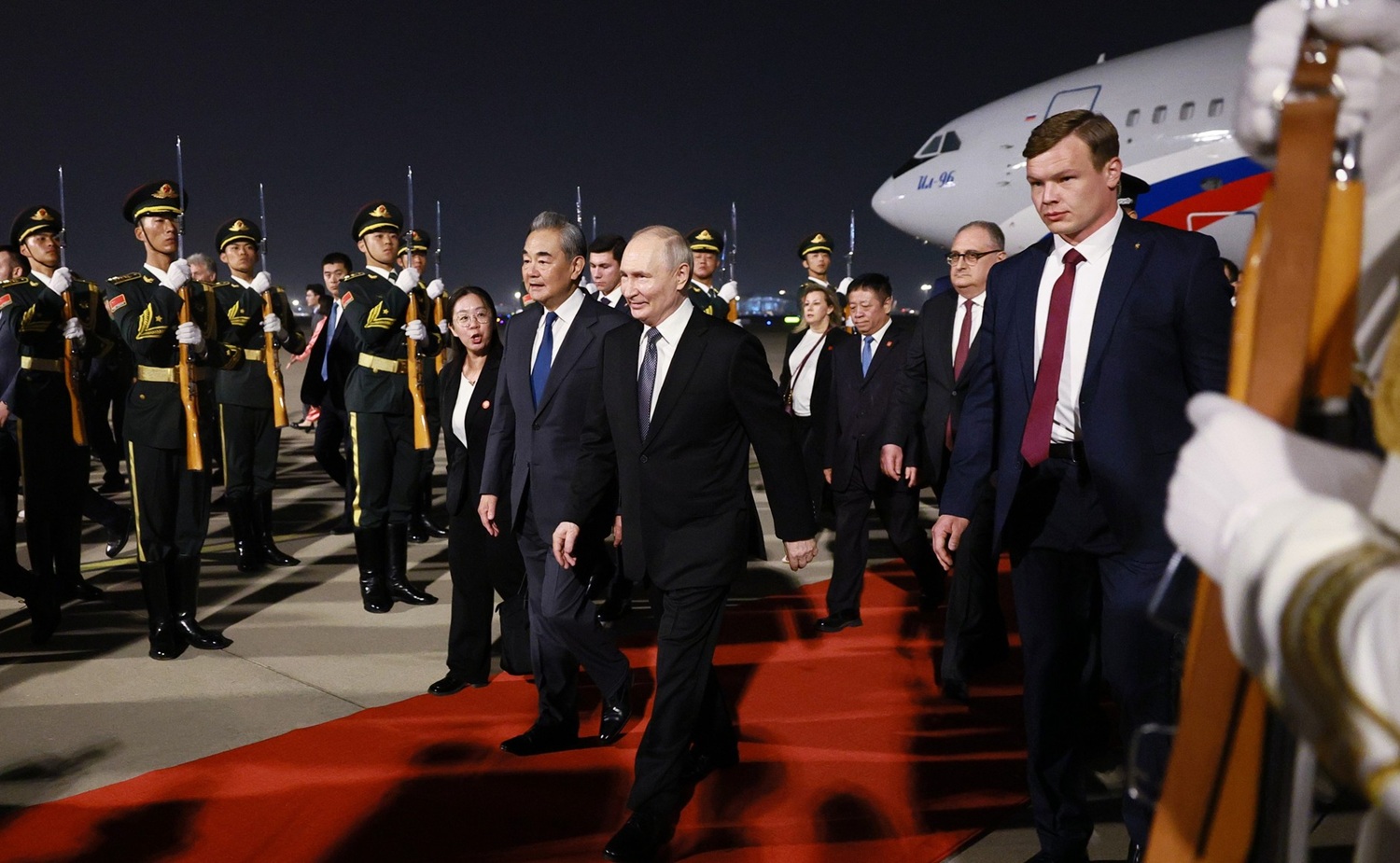
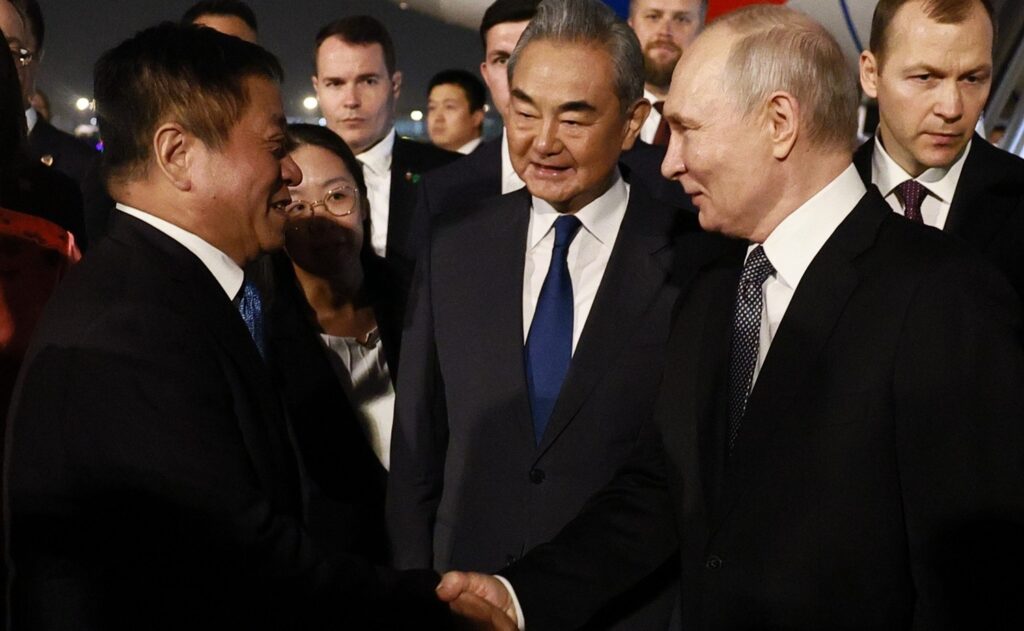
Agencia Peruana de Noticias PRENSAPERU.PE https://www.prensaperu.pe Twitter: @prensaperupe El presidente de Rusia, Vladímir Putin, ha llegado oficialmente a la ciudad de Pekín para llevar a cabo una visita de trabajo oficial que se extenderá durante los días 19 y 20 de mayo, según informó la agencia de noticias rusa TASS. Se trata de un encuentro de alto nivel que se enmarca dentro de la larga y dinámica relación de asociación estratégica que mantienen ambas naciones, y que adquiere especial relevancia en un escenario internacional caracterizado por cambios profundos, tensiones geopolíticas y transformaciones económicas a escala global .
El programa de actividades diseñado para esta visita es muy amplio y con una agenda de tareas extremadamente apretada, tal como lo explicó el asesor presidencial ruso, Yuri Ushakov, quien detalló los objetivos y los puntos centrales que se abordarán en cada instancia. Según declaraciones oficiales, el momento más importante y destacado de todo el recorrido será la reunión informal que sostendrá el mandatario ruso con su homólogo chino, Xi Jinping. Este encuentro, que se desarrollará en un clima de confianza y diálogo directo, está concebido como el espacio clave para analizar y debatir de manera reservada y profunda todos los asuntos internacionales que actualmente se encuentran en la cima de la agenda mundial y que generan mayores preocupaciones para la estabilidad global.
Antes de dar paso a este encuentro privado, se desarrollarán diversas actividades formales que permitirán analizar los avances en la cooperación bilateral y definir nuevas líneas de trabajo. En primer lugar, se celebrarán las negociaciones oficiales entre las delegaciones de ambos países, instancias en las que participarán representantes de alto nivel de distintos sectores: desde ministros y funcionarios de gobierno hasta directivos de empresas y organismos especializados, lo que refleja la amplitud de los temas que se tratarán. Además, está previsto un encuentro entre el presidente Putin y el primer ministro de China, Li Qiang, espacio dedicado principalmente a profundizar en los vínculos comerciales, económicos, industriales y de desarrollo conjunto, así como a revisar los proyectos en marcha y definir nuevas iniciativas que impulsen el crecimiento y el intercambio mutuo. A estas reuniones se suman los actos de carácter protocolar que dan marco y formalidad al encuentro, y que refuerzan el carácter especial de esta visita en el calendario de relaciones entre ambas naciones .
CONTEXTO Y SIGNIFICADO DE LA VISITA
Para comprender la importancia de este encuentro, es necesario analizar el marco en el que se inserta: las relaciones entre Rusia y China se han consolidado en las últimas décadas como una de las alianzas más relevantes del escenario internacional, basadas en principios de respeto mutuo, igualdad, beneficios compartidos y no intervención en los asuntos internos de cada país. Este tipo de asociación, que no se alinea con bloques políticos cerrados ni se orienta a confrontar a terceras naciones, se ha convertido en un elemento estabilizador en un mundo que atraviesa por profundos cambios históricos.
CONCEPTOS CLAVE PARA ENTENDER LA COOPERACIÓN BILATERAL
Asociación estratégica integral: Se refiere a un nivel de vínculo entre dos países que va más allá de los acuerdos convencionales, e implica una coordinación estrecha en políticas exteriores, cooperación en sectores clave como la energía, la industria, la tecnología y el transporte, así como una alineación de posturas ante los principales temas globales. Este tipo de relación se construye sobre la base de la confianza recíproca y el interés común por promover la estabilidad y el desarrollo.
Diplomacia de alto nivel: Es el conjunto de encuentros y negociaciones que se desarrollan entre los máximos representantes de las naciones, con el objetivo de definir líneas de acción, resolver diferencias si las hay, avanzar en acuerdos y dar continuidad a las relaciones bilaterales. Estos espacios permiten establecer las bases para la cooperación en mediano y largo plazo.
Agenda internacional apremiante: Se refiere al conjunto de temas que afectan a la comunidad mundial y que requieren respuestas coordinadas, como los conflictos geopolíticos, los retos en materia de seguridad, la situación económica global, las crisis de recursos naturales, los temas de desarrollo sostenible y los procesos de integración regional.
Durante el desarrollo de las negociaciones, se abordarán tanto los avances logrados hasta el momento como las perspectivas futuras de la cooperación. Entre los puntos centrales que se analizarán figuran el comercio bilateral, los proyectos de infraestructura, la cooperación tecnológica, la seguridad regional y global, así como la coordinación de posturas en foros internacionales como las Naciones Unidas, la Organización de Cooperación de Shanghai (OCS) o el grupo BRICS.
LA REUNIÓN INFORMAL: UN ESPACIO DE DIÁLOGO PRIVILEGIADO
Tal como lo señaló el asesor Ushakov, el encuentro privado entre Putin y Xi Jinping es el eje central de la visita. Este tipo de instancias, que se desarrollan en un entorno distendido y con la participación de un reducido grupo de colaboradores de confianza, permiten abordar temas de gran complejidad y sensibilidad con mayor apertura y claridad. En este espacio se analizarán los principales retos que enfrenta el mundo actual, se intercambiarán puntos de vista sobre las vías posibles para resolverlos y se buscará definir líneas de acción conjunta que contribuyan a mantener la paz, la seguridad y el desarrollo sostenible a nivel mundial.
ESTRUCTURA Y DESARROLLO DE LAS ACTIVIDADES
El recorrido de trabajo se organiza en distintas fases que combinan la revisión de los avances concretos con la definición de nuevos objetivos:
1.- Negociaciones entre delegaciones
Se trata de las instancias formales donde se reúnen los equipos técnicos y políticos de ambos países. Estas reuniones se desarrollan en dos formatos principales:
Formato reducido: Participan los jefes de Estado y un número limitado de colaboradores directos, con el fin de tratar los temas más estratégicos y reservados.
Formato ampliado: Se incorporan representantes de distintos ministerios, organismos especializados, bancos centrales y empresas líderes de ambos lados. En estos espacios se analizan los acuerdos vigentes, se evalúa su cumplimiento y se definen nuevos proyectos en sectores como la energía, la industria manufacturera, la agricultura, la tecnología digital, la salud, la educación y la cultura.
2.- Encuentro con el primer ministro Li Qiang
Este espacio se centra específicamente en la dimensión económica y de desarrollo. Durante el diálogo se revisan los indicadores de la cooperación comercial —como el volumen de intercambio de bienes y servicios, la diversificación de los mercados y la apertura de nuevas vías comerciales—, así como los proyectos de infraestructura que conectan a ambas naciones y que facilitan el movimiento de mercancías, personas y capitales. También se analizan las posibilidades de cooperación en materia de innovación, investigación científica y desarrollo de tecnologías avanzadas, áreas que se han convertido en motores fundamentales del progreso actual.
3.- La reunión informal con Xi Jinping
Tal como se ha destacado, este es el momento más relevante del programa. En este encuentro se profundizará en los asuntos de política internacional y regional, se analizarán las distintas situaciones que generan tensiones en diferentes zonas del mundo, se intercambiarán opiniones sobre los mecanismos para fomentar la cooperación y la convivencia pacífica entre las naciones, y se buscará construir consensos que contribuyan a un orden mundial más justo, equitativo y multipolar.
DATOS CONCEPTUALES
1.- La visita refleja la solidez y la importancia de la asociación ruso-china: El hecho de que el presidente Putin desarrolle una visita de trabajo de alto nivel a Pekín demuestra que las relaciones entre ambas naciones se encuentran en un momento de gran relevancia estratégica. Esta alianza, basada en principios de respeto mutuo y beneficio compartido, funciona como un elemento clave para mantener la estabilidad en el escenario internacional y aporta soluciones conjuntas ante los retos globales que se presentan.
2.- El diálogo sobre temas internacionales es un eje central de la cooperación: El encuentro informal entre los líderes de ambos países no se limita a revisar los vínculos bilaterales, sino que tiene como objetivo analizar y debatir los asuntos que afectan a todo el mundo. Esta postura demuestra que ambas naciones asumen su responsabilidad como actores internacionales y trabajan de manera coordinada para promover la paz, la seguridad y el desarrollo sostenible en distintos ámbitos geográficos y temáticos.
3.- La cooperación integral se expande a todos los sectores de la vida nacional: El programa de actividades incluye reuniones y acuerdos que abarcan desde la política y la seguridad hasta la economía, la tecnología, la educación y la cultura. Esto confirma que la asociación no se reduce a acuerdos puntuales, sino que se construye de manera estructural, generando beneficios tangibles para la población de ambos países y abriendo nuevas oportunidades de progreso y desarrollo en el futuro.
Fuente: Agencia Peruana de Noticias PRENSAPERU.PE https://www.prensaperu.pe Twitter: @prensaperupe
Translate
Putin in Beijing: Putin and Xi Jinping discuss the most pressing issues on the international agenda, reaffirming the strategic partnership between Russia and China at a key stage for the world.
Peruvian News Agency PRENSAPERU.PE https://www.prensaperu.pe Twitter: @prensaperupe The President of Russia, Vladimir Putin, has officially arrived in the city of Beijing to carry out an official working visit that will take place on May 19 and 20, according to information released by the Russian news agency TASS. This is a high-level meeting that forms part of the long and dynamic partnership relationship maintained by both nations, and it carries special significance in an international context characterized by profound changes, geopolitical tensions and economic transformations taking place on a global scale.
The activity schedule prepared for this visit is very extensive and includes an extremely tight agenda of tasks, as explained by the Russian Presidential Advisor Yuri Ushakov, who outlined the objectives and main points that will be addressed in each session. According to official statements, the most important and significant moment of the entire trip will be the informal meeting that the Russian leader will hold with his Chinese counterpart Xi Jinping. This meeting, which will take place in an atmosphere of trust and direct dialogue, is designed as the key space to analyze and discuss, in a reserved and in-depth manner, all international matters that currently top the global agenda and that generate the greatest concerns regarding global stability.
Before moving on to this private meeting, various formal activities will take place that will make it possible to review progress in bilateral cooperation and define new lines of work. First, official negotiations will be held between delegations from both countries, events in which high-level representatives from different sectors will participate: ranging from ministers and government officials to executives of companies and specialized organizations, which reflects the breadth of the topics that will be discussed. In addition, a meeting is scheduled between President Putin and the Premier of the State Council of the People’s Republic of China Li Qiang, an event focused primarily on strengthening commercial, economic, industrial and development links, as well as reviewing ongoing projects and defining new initiatives that will boost growth and mutual exchange. These meetings are complemented by ceremonial events that provide structure and formality to the gathering, and which emphasize the special nature of this visit in the calendar of relations between the two nations.
CONTEXT AND SIGNIFICANCE OF THE VISIT
To understand the importance of this meeting, it is necessary to examine the framework in which it is situated: relations between Russia and China have been consolidated over recent decades as one of the most relevant alliances in the international arena, based on principles of mutual respect, equality, shared benefit and non-interference in the internal affairs of each country. This type of partnership, which is not aligned with closed political blocs nor oriented toward confrontation with other nations, has become a stabilizing element in a world going through profound historical changes.
KEY CONCEPTS FOR UNDERSTANDING BILATERAL COOPERATION
Comprehensive strategic partnership: This refers to a level of relations between two countries that goes beyond conventional agreements, and involves close coordination in foreign policies, cooperation in key sectors such as energy, industry, technology and transport, as well as alignment of positions on major global issues. This type of relationship is built on the basis of mutual trust and shared interest in promoting stability and development.
High-level diplomacy: This is the set of meetings and negotiations that take place between the highest representatives of nations, with the aim of defining lines of action, resolving differences where they exist, advancing agreements and ensuring continuity in bilateral relations. These events make it possible to establish foundations for cooperation in the medium and long term.
Pressing international agenda: This refers to the set of issues that affect the global community and require coordinated responses, such as geopolitical conflicts, security challenges, the global economic situation, natural resource crises, sustainable development issues and regional integration processes.
During the course of the negotiations, both the progress achieved to date and the future prospects for cooperation will be addressed. Among the main points to be analyzed are bilateral trade, infrastructure projects, technological cooperation, regional and global security, as well as coordination of positions within international forums such as the United Nations, the Shanghai Cooperation Organization (SCO) or the BRICS group.
THE INFORMAL MEETING: A SPACE FOR PRIVILEGED DIALOGUE
As Advisor Ushakov has noted, the private meeting between Putin and Xi Jinping is the central focus of the visit. This type of event, which takes place in a relaxed environment and involves a small group of trusted collaborators, makes it possible to address topics of great complexity and sensitivity with greater openness and clarity. In this space, the main challenges facing the world today will be analyzed, perspectives on possible ways to resolve them will be exchanged, and efforts will be made to define joint lines of action that contribute to maintaining peace, security and sustainable development at the global level.
STRUCTURE AND DEVELOPMENT OF ACTIVITIES
The working program is organized into different phases that combine a review of concrete progress with the definition of new objectives:
1.- Negotiations between delegations
These are formal events where technical and political teams from both countries come together. These meetings take place in two main formats:
Small format: Heads of State and a limited number of direct collaborators participate, with the purpose of addressing the most strategic and reserved topics.
Expanded format: Representatives from various ministries, specialized organizations, central banks and leading companies from both sides take part. In these events, existing agreements are analyzed, their implementation is evaluated and new projects are defined in sectors such as energy, manufacturing industry, agriculture, digital technology, health, education and culture.
2.- Meeting with Premier Li Qiang
This event focuses specifically on the economic and development dimension. During the dialogue, indicators of commercial cooperation will be reviewed — such as the volume of exchange of goods and services, the diversification of markets and the opening of new trade routes — as well as infrastructure projects that connect the two countries and facilitate the movement of goods, people and capital. Possibilities for cooperation in innovation, scientific research and development of advanced technologies will also be analyzed; these areas have become fundamental drivers of current progress.
3.- The informal meeting with Xi Jinping
As has been emphasized, this is the most significant moment of the program. During this meeting, matters of international and regional policy will be explored in greater depth, situations that generate tensions in different parts of the world will be examined, opinions on mechanisms to promote cooperation and peaceful coexistence among nations will be exchanged, and efforts will be made to build consensus that contributes to the creation of a fairer, more equitable and multipolar world order.
CONCEPTUAL DATA
1.- The visit reflects the strength and importance of the Russia-China partnership: The fact that President Putin is carrying out a high-level working visit to Beijing demonstrates that relations between the two countries are at a stage of great strategic relevance. This alliance, based on principles of mutual respect and shared benefit, functions as a key element for maintaining stability in the international arena and provides joint solutions to the global challenges that arise.
2.- Dialogue on international issues is a central pillar of cooperation: The informal meeting between the leaders of both countries is not limited to reviewing bilateral links, but is aimed at analyzing and discussing issues that affect the entire world. This position shows that both nations assume their responsibility as international actors and work in a coordinated manner to promote peace, security and sustainable development in different geographical and thematic areas.
3.- Comprehensive cooperation extends to all sectors of national life: The activity program includes meetings and agreements that cover everything from politics and security to the economy, technology, education and culture. This confirms that the partnership is not limited to specific agreements, but is built on a structural basis, generating tangible benefits for the populations of both countries and opening new opportunities for progress and development in the future.
Source: Peruvian News Agency PRENSAPERU.PE https://www.prensaperu.pe Twitter: @prensaperupe