Agencia Peruana de Noticias PRENSAPERU.PE https://www.prensaperu.pe Twitter: @prensaperupe Con el firme propósito de transformar la realidad social y económica de una de las zonas más ricas y al mismo tiempo más alejadas del país, el Poder Ejecutivo aprobó un decreto supremo que establece la Intervención Multisectorial Articulada, una estrategia diseñada específicamente para poner en marcha los llamados Polos de Desarrollo Amazónico. Esta iniciativa representa un cambio de rumbo importante, ya que busca concentrar esfuerzos, recursos y capacidades para cerrar brechas históricas que han mantenido a las poblaciones de las regiones de Loreto, Ucayali y Madre de Dios en una situación de desventaja respecto al resto del territorio nacional.
CONCEPTOS CLAVE PARA COMPRENDER LA INICIATIVA
Para entender la magnitud de esta medida, es importante conocer algunos términos fundamentales que guían esta política pública:
Polos de Desarrollo: Se refieren a espacios geográficos estratégicos donde se concentran acciones, inversiones y servicios con el objetivo de generar dinámicas de crecimiento económico y bienestar social. A diferencia de proyectos aislados, estos polos funcionan como “núcleos de progreso” que actúan como motores: lo que se desarrolla en ellos se expande hacia las zonas aledañas, integrando a las poblaciones más alejadas y conectándolas con el resto del país y del mundo.
Intervención Multisectorial Articulada: Es una forma de trabajar en la que diferentes sectores del Estado —como salud, educación, energía, transporte, agricultura y medio ambiente— dejan de actuar de manera separada y desordenada. En su lugar, se organizan para trabajar de forma conjunta, coordinada y con metas comunes. Esto evita duplicidad de esfuerzos, optimiza los recursos y garantiza que las soluciones lleguen de manera completa y eficaz a la población.
Brechas Históricas: Son las diferencias y desigualdades que se han mantenido durante mucho tiempo entre distintas regiones o grupos de población. En el caso de la Amazonía, estas brechas se manifiestan en falta de servicios básicos, infraestructura limitada, escasas oportunidades de estudio y trabajo, y dificultades para acceder a los mismos derechos y beneficios que tiene la población de otras zonas del país.
DETALLES DE LA ESTRATEGIA Y ACCIONES IMPLEMENTADAS
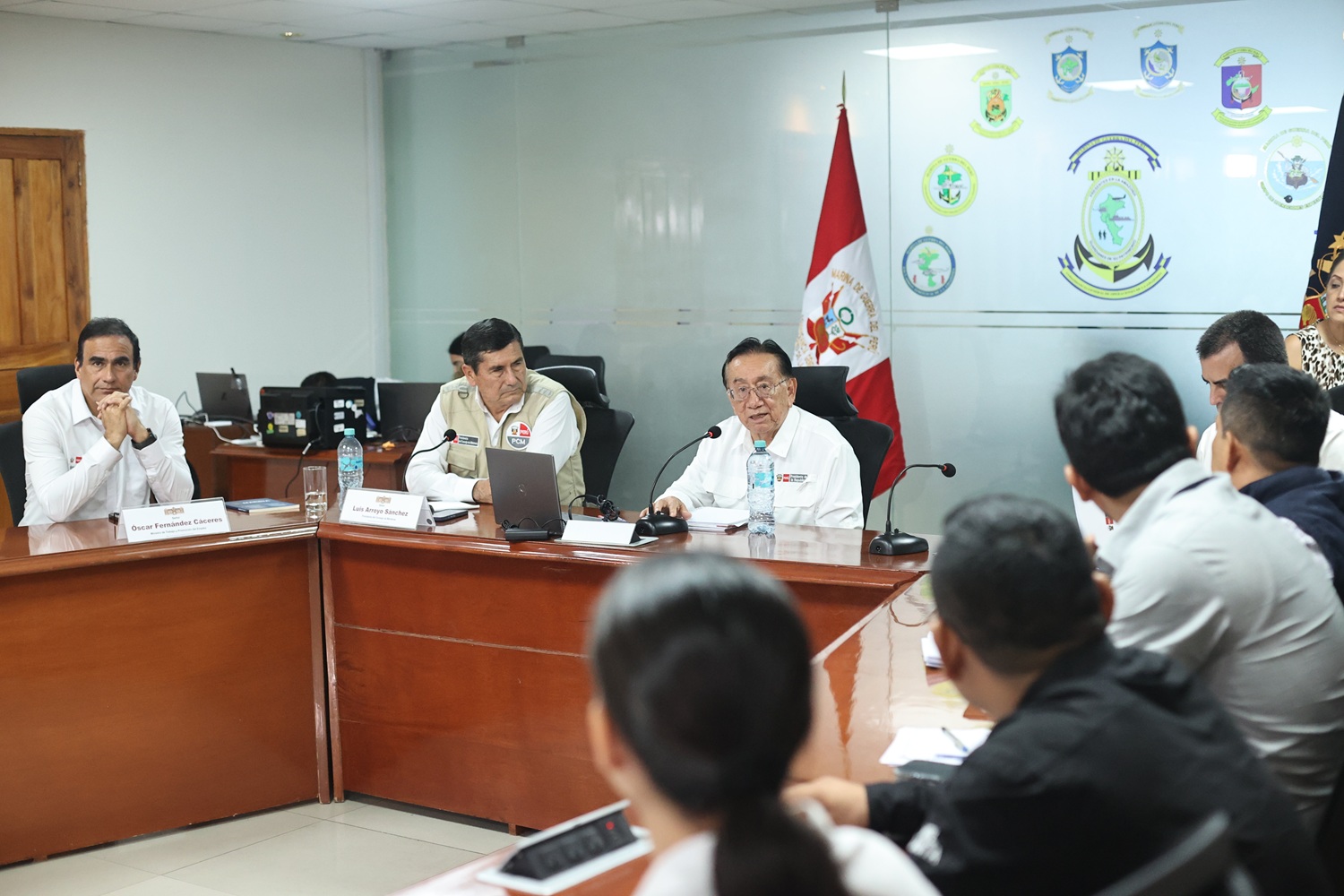
El presidente del Consejo de Ministros, Luis Arroyo, explicó el alcance de esta iniciativa destacando que: “La idea es formar núcleos de progreso para integrar a las poblaciones más alejadas. Tras ejecutar este plan piloto durante aproximadamente un mes, iniciaremos una marcha blanca; inmediatamente después replicaremos esta acción en los diferentes ámbitos de la zona norte de Loreto”.
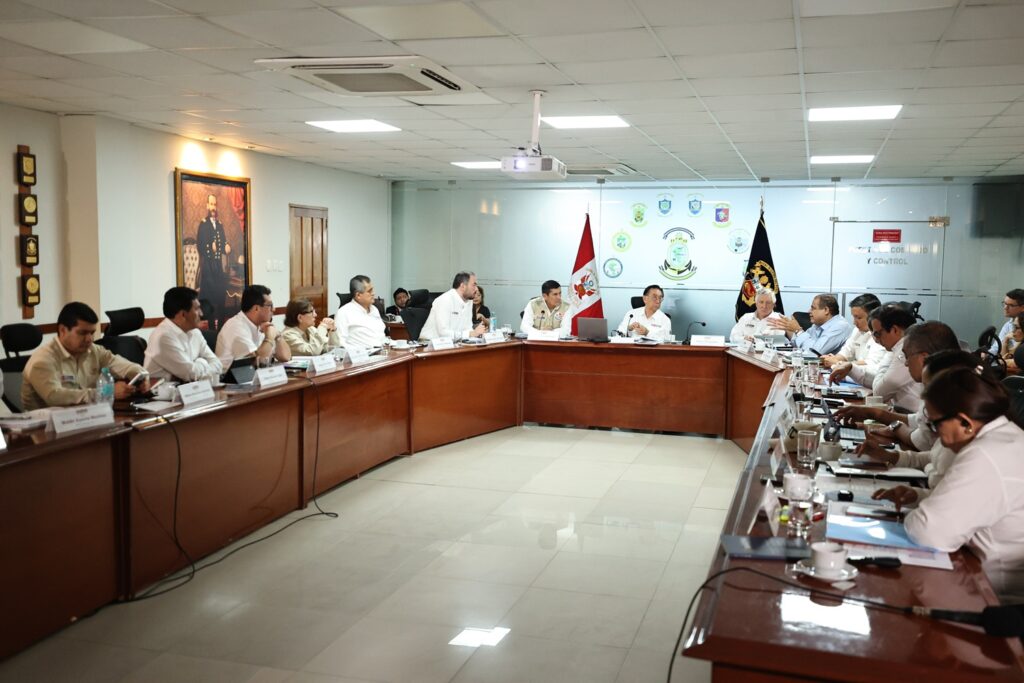
La medida obtuvo el respaldo unánime del gabinete ministerial durante la sesión del Consejo de Ministros que fue presidida por el jefe de Estado, José María Balcázar, realizada en la ciudad de Iquitos —capital de la región de Loreto y punto clave para el desarrollo de la zona.
La norma aprobada establece que la Presidencia del Consejo de Ministros (PCM) y ocho sectores adicionales del Estado tienen un plazo de 45 días calendario para ejecutar las acciones prioritarias definidas.
Para cumplir con este objetivo, cada cartera involucrada deberá:
1.- Identificar y priorizar las zonas con mayores dificultades y vulnerabilidades;
2.- Analizar los obstáculos operativos que impiden llegar con los servicios de manera oportuna;
3.- Centrar los esfuerzos en atender de forma inmediata las necesidades más urgentes de la población.
El objetivo final es generar cambios reales en áreas fundamentales como:
1.- Salud pública y atención médica
2.- Educación y acceso a estudios de calidad
3.- Conectividad y comunicación
4.- Acceso a energía eléctrica
5.- Infraestructura básica (caminos, puentes, agua, etc.)
6.- Desarrollo productivo sostenible, que respete los recursos naturales y genere riqueza
ACCIONES ESPECÍFICAS PARA LA REGIÓN DE LORETO
Como parte de esta estrategia integral, se han aprobado medidas concretas dirigidas a mejorar la calidad de vida de los habitantes de Loreto, una de las regiones más extensas y pobladas de la Amazonía peruana:
SALUD PÚBLICA Y PROYECTOS DE INVERSIÓN
El jefe del gabinete anunció la aprobación de cuatro decretos supremos que refuerzan el sistema de salud y permiten financiar obras importantes en los distritos de Pastaza, Napo y Soplín:
Se declaró emergencia sanitaria por 90 días en la provincia de Loreto, debido al riesgo elevado de brotes de tosferina y otras enfermedades respiratorias, que afectan principalmente a la población infantil y a los grupos más vulnerables. Esta medida permite actuar con mayor agilidad, destinar recursos adicionales y garantizar la atención médica necesaria sin trámites demorados.
Se autorizó la contratación de deuda interna para financiar obras locales, con inversiones que suman más de 79 millones de soles:
S/ 40 millones para siete proyectos en el distrito de Pastaza;
Más de S/ 11.4 millones para dos proyectos en Napo;
S/ 27 millones para cuatro proyectos en Soplín.
Estas obras incluyen mejoras en infraestructura educativa, centros de salud, sistemas de agua y alcantarillado, y vías de comunicación, entre otras necesidades prioritarias.
SERVICIOS BÁSICOS Y CAPACITACIÓN TÉCNICA
Para ampliar el acceso a servicios esenciales y preparar a los jóvenes para el mercado laboral, se han puesto en marcha dos iniciativas clave:
1.- PROYECTO DE ELECTRIFICACIÓN RURAL
Se inició la ampliación del servicio de energía eléctrica en 78 localidades de la provincia de Maynas, específicamente en los distritos de Alto Nanay, Iquitos y Punchana. Esta obra permitirá la instalación de 2,566 nuevas conexiones y contará con una inversión superior a los S/ 67 millones de soles.
Este proyecto va más allá de simplemente llevar luz: significa que las familias podrán contar con condiciones adecuadas para estudiar, trabajar y desarrollar sus actividades diarias. Además, permite que pequeños negocios, centros de salud y escuelas funcionen de manera eficiente, mejorando la calidad de vida de cientos de personas.
2.- BECAS DE CAPACITACIÓN TÉCNICA
El presidente Arroyo acompañó al jefe de Estado en la entrega de 120 becas otorgadas por el Servicio Nacional de Capacitación para la Industria de la Construcción (Sencico). A través de esta acción, el Gobierno nacional busca fomentar la empleabilidad de los jóvenes que se encuentran en situación de vulnerabilidad, brindándoles formación técnica especializada que se adapta a las necesidades de la región y que se imparte de manera descentralizada, sin que tengan que alejarse de sus comunidades para estudiar.
La formación en áreas técnicas permite a los jóvenes adquirir conocimientos prácticos y habilidades que les abren puertas para conseguir un trabajo digno, contribuir al desarrollo económico de su zona y mejorar sus condiciones de vida y las de sus familias.
DATOS ESTRATÉGICOS
1.- La Amazonía deja de ser una zona olvidada para convertirse en prioridad nacional: La aprobación de los Polos de Desarrollo Amazónico demuestra que el Estado reconoce la importancia estratégica de esta región, tanto por su riqueza natural como por el bienestar de sus pobladores, y asume el compromiso de reducir las desigualdades que han existido durante décadas.
2.- El trabajo coordinado es la base del éxito: Al unir esfuerzos de diferentes sectores y trabajar de manera articulada, se evitan demoras y se logran resultados más rápidos y completos, garantizando que los servicios y beneficios lleguen a quienes más lo necesitan, en el tiempo y forma adecuados.
3.- Desarrollo significa bienestar integral, no solo crecimiento económico: Las acciones implementadas muestran que el avance se construye al mismo tiempo en áreas como la salud, la educación, la energía y el trabajo, porque es en la mejora de estas condiciones donde se basa el progreso real y sostenible para las familias y las comunidades.
4.- Las políticas públicas deben llegar a todos los rincones del país: Iniciativas como la electrificación, la capacitación y la inversión en infraestructura confirman que el desarrollo no se concentra solo en las grandes ciudades, sino que debe extenderse también a las zonas más alejadas, para que todos los peruanos puedan acceder a las mismas oportunidades y derechos.
Fuente: Agencia Peruana de Noticias PRENSAPERU.PE https://www.prensaperu.pe Twitter: @prensaperupe
Translate
Government approves Amazonian Development Hubs: Multisectoral intervention to close historical gaps in Loreto, Ucayali and Madre de Dios; we will transform the reality of the Amazonian regions.
Peruvian News Agency PRENSAPERU.PE https://www.prensaperu.pe Twitter: @prensaperupe With the firm purpose of transforming the social and economic reality of one of the richest and at the same time most remote areas of the country, the Executive Power has approved a supreme decree establishing the Integrated Multisector Intervention, a strategy specifically designed to implement the so-called Amazonian Development Poles. This initiative represents an important change of direction, as it seeks to concentrate efforts, resources and capacities to reduce historical gaps that have kept populations in the regions of Loreto, Ucayali and Madre de Dios in a disadvantaged position compared to the rest of the national territory.
KEY CONCEPTS TO UNDERSTAND THE INITIATIVE
To understand the scope of this measure, it is important to know some fundamental terms that guide this public policy:
Development Poles: These refer to strategic geographic areas where actions, investments and services are concentrated with the aim of generating dynamics of economic growth and social welfare. Unlike isolated projects, these poles function as “centers of progress” that act as driving forces: what is developed within them extends to surrounding areas, integrating the most distant populations and connecting them with the rest of the country and the world.
Integrated Multisector Intervention: This is a way of working in which different State sectors — such as health, education, energy, transport, agriculture and environment — stop acting separately and in an uncoordinated manner. Instead, they organize themselves to work together, in a coordinated way and with common goals. This avoids duplication of efforts, optimizes resources and ensures that solutions reach the population in a complete and efficient manner.
Historical Gaps: These are the differences and inequalities that have persisted for a long time between different regions or population groups. In the case of the Amazon, these gaps are reflected in the lack of basic services, limited infrastructure, few educational and employment opportunities, and difficulties in accessing the same rights and benefits enjoyed by populations in other parts of the country.
DETAILS OF THE STRATEGY AND IMPLEMENTED ACTIONS
The President of the Council of Ministers, Luis Arroyo, explained the scope of this initiative, emphasizing that: “The idea is to create centers of progress to integrate the most distant populations. After implementing this pilot plan for approximately one month, we will begin a soft launch; immediately afterwards, we will replicate this action in the different areas of northern Loreto.”
The measure received unanimous support from the ministerial cabinet during the session of the Council of Ministers, chaired by the Head of State, José María Balcázar, held in the city of Iquitos — capital of the region of Loreto and a key point for the development of the area.
The approved regulation establishes that the Presidency of the Council of Ministers (PCM) and eight additional State sectors have a period of 45 calendar days to carry out the defined priority actions.
To achieve this goal, each ministry involved must:
1.- Identify and prioritize areas with the greatest difficulties and vulnerabilities;
2.- Analyze operational obstacles that prevent services from being provided in a timely manner;
3.- Focus efforts on addressing the most urgent needs of the population immediately.
The final objective is to generate real changes in fundamental areas such as:
1.- Public health and medical care
2.- Education and access to quality studies
3.- Connectivity and communication
4.- Access to electricity
5.- Basic infrastructure (roads, bridges, water, etc.)
6.- Sustainable productive development, which respects natural resources and generates wealth
SPECIFIC ACTIONS FOR THE REGION OF LORETO
As part of this comprehensive strategy, specific measures have been approved aimed at improving the quality of life of the inhabitants of Loreto, one of the largest and most populated regions of the Peruvian Amazon:
PUBLIC HEALTH AND INVESTMENT PROJECTS
The Head of the Cabinet announced the approval of four supreme decrees that strengthen the health system and make it possible to finance important works in the districts of Pastaza, Napo and Soplín:
A public health emergency has been declared for 90 days in the province of Loreto, due to the high risk of outbreaks of whooping cough and other respiratory diseases, which mainly affect children and the most vulnerable groups. This measure allows action to be taken with greater agility, allocate additional resources and ensure necessary medical care without delays caused by administrative procedures.
Internal borrowing has been authorized to finance local works, with investments totaling more than 79 million soles:
S/ 40 million for seven projects in the district of Pastaza;
More than S/ 11.4 million for two projects in Napo;
S/ 27 million for four projects in Soplín.
These works include improvements to educational infrastructure, health centers, water and sanitation systems, and transport routes, among other priority needs.
BASIC SERVICES AND TECHNICAL TRAINING
To expand access to essential services and prepare young people for the labor market, two key initiatives have been launched:
1.- RURAL ELECTRIFICATION PROJECT
The expansion of the electricity supply has begun in 78 localities in the province of Maynas, specifically in the districts of Alto Nanay, Iquitos and Punchana. This work will make it possible to install 2,566 new connections and will involve an investment of more than S/ 67 million soles.
This project goes far beyond simply providing electricity: it means that families will have adequate conditions to study, work and carry out their daily activities. In addition, it allows small businesses, health centers and schools to operate efficiently, improving the quality of life of hundreds of people.
2.- TECHNICAL TRAINING SCHOLARSHIPS
President Arroyo accompanied the Head of State in the delivery of 120 scholarships awarded by the National Service for Construction Industry Training (SENCICO). Through this action, the national Government seeks to promote employability among young people in vulnerable situations, providing them with specialized technical training adapted to the needs of the region and delivered in a decentralized manner, so that they do not have to leave their communities to study.
Training in technical areas allows young people to acquire practical knowledge and skills that open doors to obtaining decent employment, contributing to the economic development of their area and improving their living conditions and those of their families.
STRATEGIC DATA
1.- The Amazon ceases to be an overlooked area and becomes a national priority: The approval of the Amazonian Development Poles demonstrates that the State recognizes the strategic importance of this region, both for its natural wealth and for the well-being of its inhabitants, and assumes the commitment to reduce inequalities that have existed for decades.
2.- Coordinated work is the basis of success: By uniting efforts from different sectors and working in an integrated manner, delays are avoided and faster and more comprehensive results are achieved, ensuring that services and benefits reach those who need them most, at the right time and in the right way.
3.- Development means comprehensive well-being, not just economic growth: The actions implemented show that progress is built simultaneously in areas such as health, education, energy and work, because it is in the improvement of these conditions where real and sustainable progress for families and communities is based.
4.- Public policies must reach every corner of the country: Initiatives such as electrification, training and infrastructure investment confirm that development is not concentrated only in large cities, but must also extend to the most remote areas, so that all Peruvians can access the same opportunities and rights.
Source: Peruvian News Agency PRENSAPERU.PE https://www.prensaperu.pe Twitter: @prensaperupe