
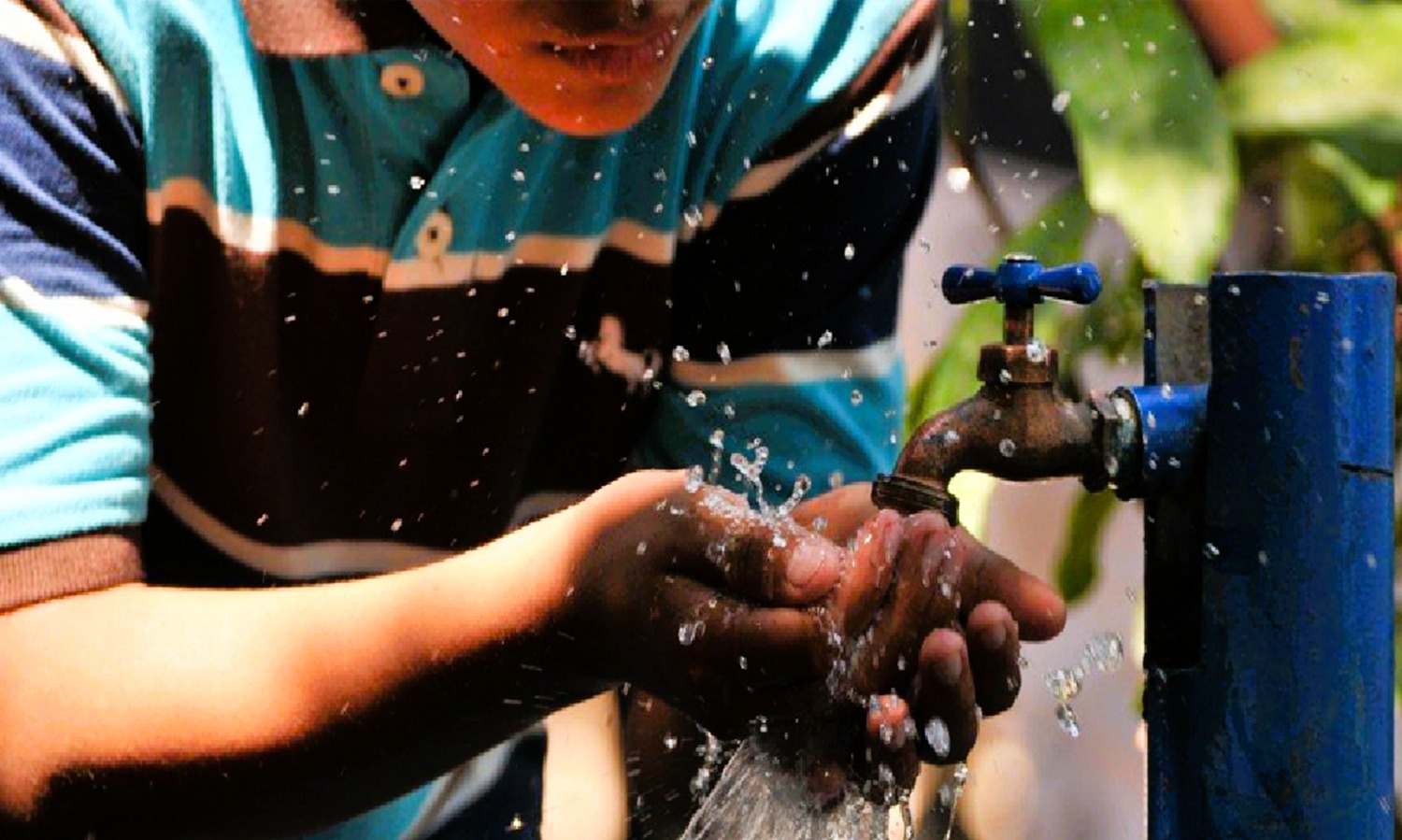
Agencia Peruana de Noticias PRENSAPERU.PE https://www.prensaperu.pe Twitter: @prensaperupe Con la aprobación por parte de la Presidencia del Consejo de Ministros (PCM), queda oficializada la hoja de ruta conjunta para agua potable y saneamiento hasta el 2050. Esta medida busca asegurar que el derecho a estos servicios básicos y de calidad llegue a cada ciudadano —especialmente a los grupos más expuestos y necesitados del territorio nacional.
DEFINICIONES CONCEPTUALES
Política Nacional Multisectorial: Marco de largo plazo que une a todos los sectores y niveles de gobierno bajo una misma meta, evitando acciones aisladas. Es una decisión de Estado, no solo de un gobierno.
Agua gestionada de manera segura: Agua que cumple normas sanitarias, se controla desde la fuente hasta el hogar y no representa riesgo para la salud —distinto de “tener agua”, sino tenerla segura.
Saneamiento gestionado de manera segura: Sistema que recoge, transporta, trata y dispone adecuadamente los desechos, evitando contaminación del ambiente y fuentes de agua.
Tratamiento de aguas residuales: Proceso que limpia el agua usada antes de devolverla al medio ambiente, protegiendo ríos, lagos y ecosistemas.
Metodología CEPLAN: Regla técnica oficial para diseñar políticas públicas coherentes, alineadas al desarrollo nacional y con pasos definidos para su elaboración, seguimiento y evaluación.
APROBACIÓN: UNA RESPUESTA NECESARIA DEL ESTADO
La Presidencia del Consejo de Ministros (PCM) aprobó la Política Nacional Multisectorial de Agua Potable y Saneamiento al 2050. Su objetivo principal: garantizar acceso universal y de calidad, poniendo especial atención en poblaciones vulnerables, zonas rurales y periferias, donde las carencias son más profundas.
Esta medida surge para cerrar brechas históricas: la falta de servicios seguros es causa directa de enfermedades diarreicas, parasitosis, desnutrición y baja productividad; además limita el desarrollo de familias, comunidades y actividades económicas. Por eso, ya no se trata solo de instalar tuberías, sino de dar solución duradera.
Como expresó el presidente del Consejo de Ministros, Luis Arroyo: “El acceso al agua potable y al saneamiento no solo es un servicio básico, sino una condición indispensable para el desarrollo humano, la salud y la competitividad del país. Con esta política sentamos bases para una acción articulada del Estado, para que ningún peruano quede excluido de este derecho fundamental”.
METAS AL 20250: CIFRAS CLARAS Y AMBICIOSAS
Se establecieron objetivos medibles para transformar la situación actual:
1.- Agua gestionada de forma segura: pasar del 20,7 % al 70,5 % → casi triplicar la cobertura con calidad garantizada.
2.- Saneamiento gestionado de forma segura: subir del 34,7 % al 70,2 % → duplicar el servicio adecuado.
3.- Tratamiento seguro de aguas residuales: elevar del 47,1 % al 76,8 % → proteger mejor nuestros cuerpos de agua y ambiente.
Para el titular de la PCM, esto significa crecimiento con inclusión: el progreso económico debe traducirse en mejores condiciones de vida y oportunidades reales para todos.
CÓMO FUE CONSTRUIDA QUIÉN PARTICIPA
La política fue impulsada por el Ministerio de Vivienda, Construcción y Saneamiento, y elaborada siguiendo estrictamente la metodología de CEPLAN —el ente rector de la planificación nacional— para asegurar que sea técnica, coherente y sostenible.
Se contó con participación amplia:
1.- Gobiernos nacional, regional y local
2.- Entidades operadoras y reguladoras
3.- Actores sociales, académicos y técnicos del sector
Esto garantiza que refleje la realidad de todo el país, no solo una visión parcial.
ORGANIZACIÓN, SEGUIMIENTO Y MEJORA CONTINUA
Uno de sus puntos fuertes es que ordena todo lo que se hace hoy: programas, proyectos, inversiones y normas quedan alineados bajo una sola visión estratégica hasta 2050. Así se evitan duplicidades, se optimizan recursos y se da continuidad más allá de cambios de gestión.
Además, incluye sistema permanente de seguimiento y evaluación:
1.- Monitoreo constante de avances
2.- Decisión basada en datos y evidencia
3.- Corrección y mejora durante el camino
DATOS ESTRATÉGICOS
1.- Es una política de Estado, no coyuntural: al proyectarse hasta 2050 y ser multisectorial, asegura continuidad y da estabilidad al sector agua y saneamiento.
2.- Pasa de “tener servicio” a “servicio seguro y de calidad”: las metas no miden solo cobertura, sino también gestión y tratamiento, lo que protege salud y medio ambiente.
3.- La articulación es su mayor fortaleza: al unir a los tres niveles de gobierno y actores clave, se ordenan inversiones y se usan los recursos con mayor eficiencia.
4.- El seguimiento con evidencia hace posible el éxito: monitorear y evaluar permite corregir el rumbo y asegurar que la inversión se traduzca realmente en mejor calidad de vida.
Fuente: Agencia Peruana de Noticias PRENSAPERU.PE https://www.prensaperu.pe Twitter: @prensaperupe
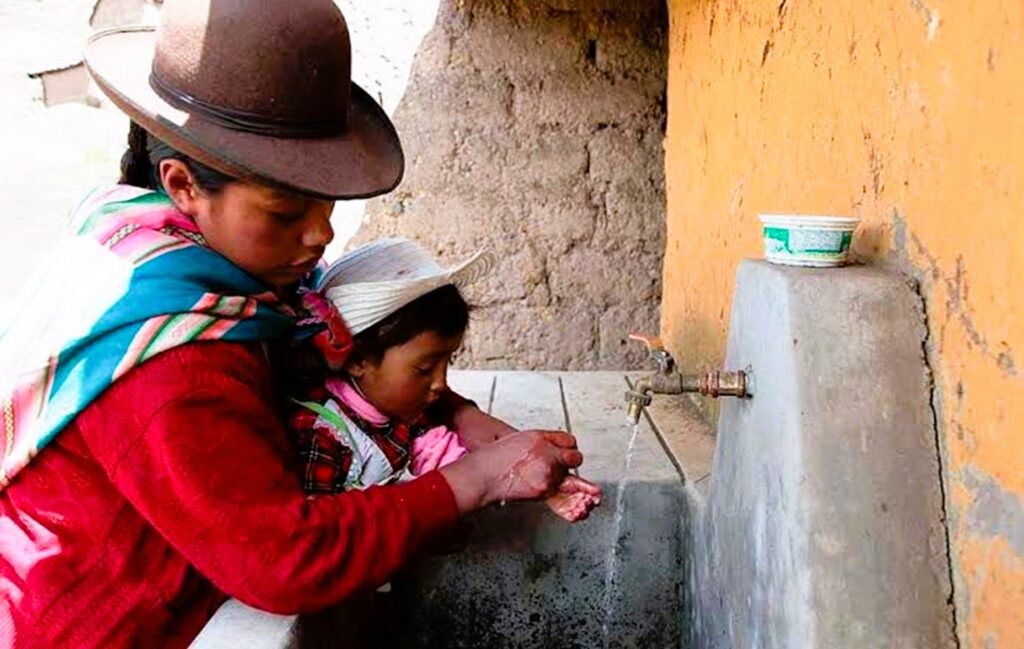
Translate
National Water and Sanitation Policy to 2050! “President Balcázar’s administration is paving the way for everyone to have access to safe services, especially the most vulnerable populations in the country.”
Peruvian News Agency PRENSAPERU.PE https://www.prensaperu.pe Twitter: @prensaperupe With the approval by the Presidency of the Council of Ministers (PCM), the joint roadmap for drinking water and sanitation until 2050 is now official. This measure seeks to ensure that the right to these basic and quality services reaches every citizen —especially the most vulnerable and needy groups in the country.
CONCEPTUAL DEFINITIONS
Multisectoral National Policy: Long‑term framework that brings together all sectors and levels of government around a common goal, avoiding isolated actions. It constitutes a State decision — not just a government initiative.
Safely managed water: Water that meets health standards, is controlled from source to household, and poses no risk to health — it means more than simply “having access”, but having safe access.
Safely managed sanitation: System that collects, transports, treats and properly disposes of waste, preventing pollution of the environment and water sources.
Wastewater treatment: Process that cleans used water before returning it to the environment, protecting rivers, lakes and ecosystems.
CEPLAN Methodology: Official technical guidelines used to design coherent public policies aligned with national development, with defined stages for formulation, monitoring and evaluation.
APPROVAL: A NECESSARY RESPONSE FROM THE STATE
The Presidency of the Council of Ministers (PCM) approved the Multisectoral National Policy on Drinking Water and Sanitation towards 2050. Its main objective: to guarantee universal, quality access, with special focus on vulnerable populations, rural areas and peripheral zones — where shortages are deepest.
This measure responds to the need to close historical gaps: lack of safe services is a direct cause of diarrhoeal diseases, parasitic infections, malnutrition and low productivity; it also limits development of families, communities and economic activities. Therefore, the goal goes beyond simply laying pipes — it aims at lasting solutions.
As stated by the President of the Council of Ministers, Luis Arroyo: “Access to drinking water and sanitation is not merely a basic service — it is an essential condition for human development, health and national competitiveness. By approving this policy, we lay the foundations for coordinated action by the State, so that no Peruvian is excluded from this fundamental right.”
GOALS TOWARDS 2050: CLEAR AND AMBITIOUS FIGURES
Measurable targets have been set to transform the current situation:
1.- Safely managed water: increase from 20.7 % to 70.5 % → nearly tripling coverage while guaranteeing quality.
2.- Safely managed sanitation: rise from 34.7 % to 70.2 % → doubling proper service provision.
3.- Safe wastewater treatment: increase from 47.1 % to 76.8 % → better protection of water bodies and the environment.
According to the Head of PCM, this means inclusive growth: economic progress must translate into better living conditions and real opportunities for all citizens.
HOW IT WAS DESIGNED AND WHO TOOK PART
The policy was promoted by the Ministry of Housing, Construction and Sanitation, and prepared strictly following the CEPLAN methodology — the governing body for national planning — to ensure technical soundness, consistency and sustainability.
Participation was broad‑based:
1.- National, regional and local governments
2.- Operating and regulatory entities
3.- Social, academic and technical stakeholders in the sector
This ensures the outcome reflects the country’s reality as a whole, rather than a partial view.
ORGANISATION, MONITORING AND CONTINUOUS IMPROVEMENT
One of its main strengths is that it organises all ongoing actions: programmes, projects, investments and regulations are aligned under a single strategic vision until 2050. This prevents duplication, optimises resources and ensures continuity regardless of administrative changes.
It also establishes a permanent monitoring and evaluation system:
1.- Constant progress tracking
2.- Decision‑making based on data and evidence
3.- Adjustments and improvements throughout implementation
STRATEGIC FINDINGS
1.- It is a State policy, not temporary: By extending to 2050 and adopting a multisectoral approach, it ensures continuity and stability for the water and sanitation sector.
2.- Shift from “having service” to “safe and quality service”: Targets measure not only coverage but also proper management and treatment — protecting both health and the environment.
3.- Coordination is its greatest strength: Bringing together the three government levels plus key stakeholders organises investments and improves resource efficiency.
4.- Evidence‑based monitoring enables success: Continuous tracking and evaluation allow corrections along the way and ensure investments truly translate into better quality of life.
Source: Peruvian News Agency PRENSAPERU.PE https://www.prensaperu.pe Twitter: @prensaperupe