
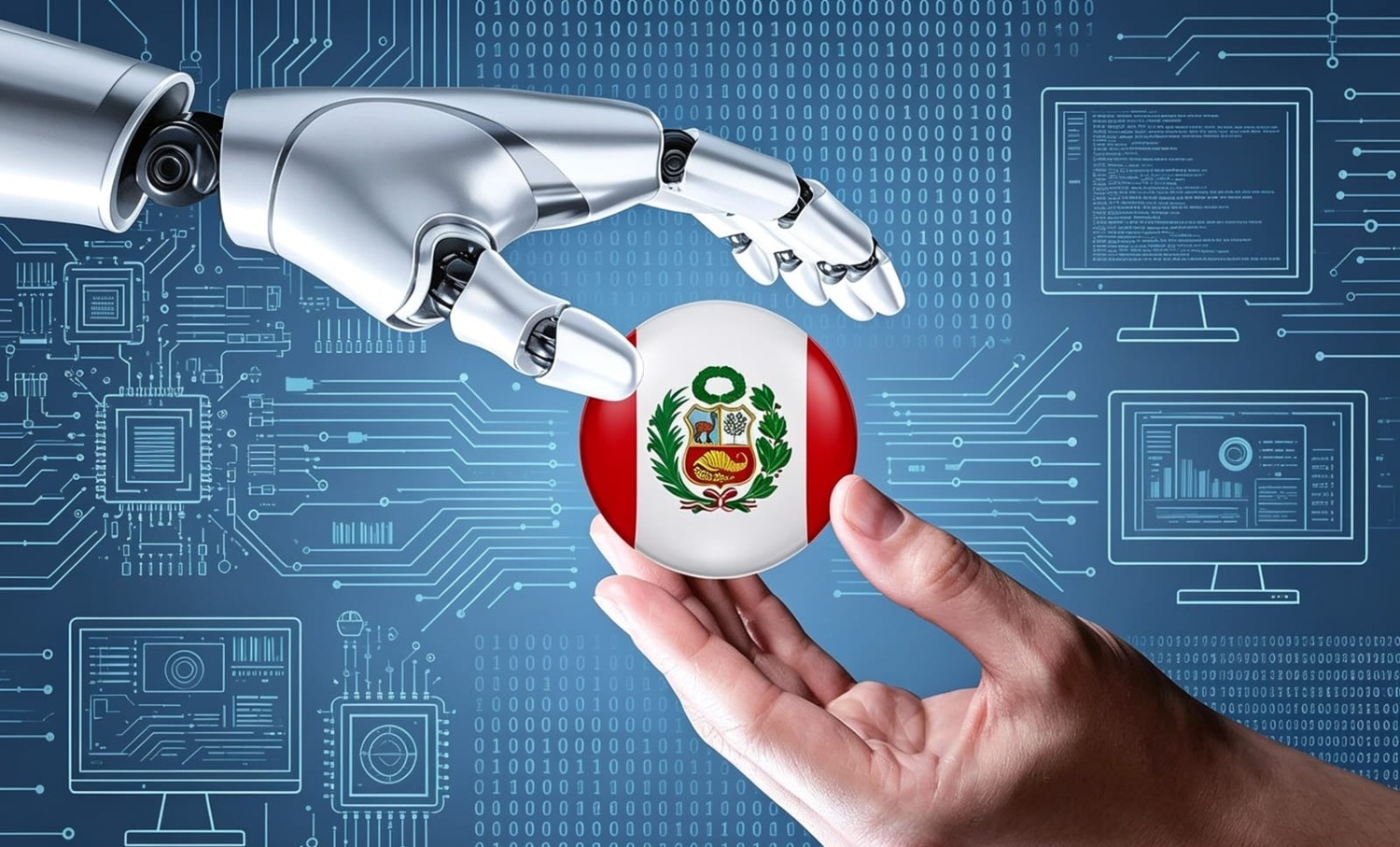
Agencia Peruana de Noticias PRENSAPERU.PE https://www.prensaperu.pe Twitter: @prensaperupe La Presidencia del Consejo de Ministros (PCM) destacó los avances que vienen registrando diversas entidades públicas en la incorporación de la Inteligencia Artificial (IA) para fortalecer sus procesos, optimizar sus servicios y mejorar la calidad de atención a todas las personas.
INTELIGENCIA ARTIFICIAL (IA)
Es la rama de la informática que desarrolla sistemas capaces de realizar tareas que normalmente requieren inteligencia humana, como comprender lenguaje, resolver problemas, aprender de la experiencia o brindar respuestas adaptadas. En el ámbito público, su fin no es sustituir a las personas, sino ampliar la cobertura, reducir tiempos y hacer los servicios más accesibles.
En esa línea, resaltó la creación del primer Laboratorio de Inteligencia Artificial instalado en el Ministerio de la Mujer y Poblaciones Vulnerables (MIMP). Este espacio nace con el objetivo de diseñar, probar y adaptar herramientas tecnológicas pensadas específicamente para atender a los sectores más necesitados.
Como parte de esta innovación, se incorporó un asistente virtual disponible en el portal institucional y en los programas sociales Warmi Ñan, Inabif y Gratitud. Su característica más importante es que brinda orientación e información en español, quechua, aimara y shipibo-konibo, permitiendo que niños, mujeres, adultos mayores y personas en situación de vulnerabilidad accedan a sus derechos y servicios sin barreras de idioma o distancia.
INCLUSIÓN DIGITAL
Se refiere a la capacidad de garantizar que todas las personas, independientemente de su ubicación, idioma, condición económica o cultural, puedan acceder y usar las tecnologías para mejorar su calidad de vida.
“Esta es una clara demostración de cómo las entidades públicas pueden desarrollar capacidades propias y aprovechar la IA para atender necesidades concretas de la ciudadanía. Además, contribuye a los objetivos de la Estrategia Nacional de Inteligencia Artificial, la cual promueve el uso ético, responsable e inclusivo de esta herramienta tecnológica al servicio de las personas”, enfatizó Ricardo Zapata, secretario de Gobierno y Transformación Digital de la PCM.
USO ÉTICO Y RESPONSABLE DE LA IA
Implica aplicar esta tecnología respetando siempre los derechos humanos, la privacidad de los datos, la igualdad de oportunidades y evitando cualquier tipo de discriminación o uso indebido de la información.
La Estrategia Nacional de Inteligencia Artificial constituye una de las apuestas más ambiciosas del actual Gobierno peruano en materia de innovación y transformación digital. Su objetivo es impulsar el desarrollo y uso responsable de esta tecnología para optimizar servicios públicos, reducir las brechas de acceso que separan a las zonas urbanas de las rurales y generar nuevas oportunidades de desarrollo para toda la población.
Como ente rector en esta materia, la PCM indicó que seguirá articulando esfuerzos con todas las entidades del Estado para fortalecer el desarrollo de soluciones de inteligencia artificial que generen beneficios concretos, medibles y que estén siempre orientados al bienestar de las personas.
DATOS CONTEXTUALES
1.- Tecnología con enfoque social: La incorporación de la IA en el sector público demuestra que la innovación no es un fin en sí mismo, sino una herramienta para acercar los servicios del Estado a quienes más lo necesitan.
2.- Atención sin barreras: El uso de idiomas originarios en el asistente virtual marca un hito en la inclusión, permitiendo que poblaciones históricamente excluidas accedan a información clara y oportuna.
3.- Cumplimiento de una política nacional: Esta iniciativa se alinea con la Estrategia Nacional de IA, garantizando que el avance tecnológico se dé bajo normas éticas y respetando los derechos de todos los ciudadanos.
4.- Modelo a seguir: La experiencia del Ministerio de la Mujer muestra que es posible desarrollar soluciones propias, adaptadas a la realidad peruana, sirviendo de ejemplo para que otras instituciones sigan este camino.
Fuente: Agencia Peruana de Noticias PRENSAPERU.PE https://www.prensaperu.pe Twitter: @prensaperupe

Translate
Artificial Intelligence at the service of people: Peru advances in digital transformation with a virtual assistant in four languages and inclusive care for women, children and the elderly.
Peruvian News Agency PRENSAPERU.PE https://www.prensaperu.pe Twitter: @prensaperupe The Presidency of the Council of Ministers (PCM) highlighted the progress being made by various public entities in incorporating Artificial Intelligence (AI) to strengthen their processes, optimize their services, and improve the quality of care provided to all citizens.
ARTIFICIAL INTELLIGENCE (AI)
It is the branch of computer science that develops systems capable of performing tasks that normally require human intelligence, such as understanding language, solving problems, learning from experience, or providing tailored responses. In the public sector, its purpose is not to replace people, but to expand coverage, reduce waiting times, and make services more accessible.
In this regard, it highlighted the creation of the first Artificial Intelligence Laboratory established at the Ministry of Women and Vulnerable Populations (MIMP). This initiative was created with the goal of designing, testing, and adapting technological tools specifically developed to serve the most vulnerable sectors of the population.
As part of this innovation, a virtual assistant was introduced on the institutional website and within the social programs Warmi Ñan, Inabif, and Gratitud. Its most notable feature is that it provides guidance and information in Spanish, Quechua, Aymara, and Shipibo-Konibo, enabling children, women, older adults, and people in vulnerable situations to access their rights and services without barriers related to language or location.
DIGITAL INCLUSION
It refers to the ability to ensure that all people, regardless of their location, language, economic status, or cultural background, can access and use technology to improve their quality of life.
“This is a clear demonstration of how public institutions can develop their own capabilities and leverage AI to address specific needs of the population. Furthermore, it contributes to the goals of the National Artificial Intelligence Strategy, which promotes the ethical, responsible, and inclusive use of this technological tool for the benefit of people,” emphasized Ricardo Zapata, Secretary of Government and Digital Transformation at the PCM.
ETHICAL AND RESPONSIBLE USE OF AI
It means applying this technology while always respecting human rights, data privacy, equal opportunities, and avoiding any form of discrimination or misuse of information.
The National Artificial Intelligence Strategy represents one of the most ambitious commitments of the current Peruvian Government in terms of innovation and digital transformation. Its objective is to promote the development and responsible use of this technology to improve public services, reduce access gaps between urban and rural areas, and create new development opportunities for the entire population.
As the governing body in this field, the PCM stated that it will continue coordinating efforts with all State institutions to strengthen the development of artificial intelligence solutions that deliver tangible, measurable benefits and are always focused on people’s well-being.
CONTEXTUAL INFORMATION
1.- Technology with a social focus: The integration of AI in the public sector shows that innovation is not an end in itself, but a tool to bring State services closer to those who need them most.
2.- Service without barriers: The use of indigenous languages in the virtual assistant marks a milestone in inclusion, allowing historically excluded populations to access clear and timely information.
3.- Alignment with national policy: This initiative is in line with the National AI Strategy, ensuring that technological progress takes place under ethical standards and respects the rights of all citizens.
4.- A model to follow: The experience of the Ministry of Women demonstrates that it is possible to develop homegrown solutions adapted to Peru’s reality, serving as an example for other institutions to follow.
Source: Peruvian News Agency PRENSAPERU.PE https://www.prensaperu.pe Twitter: @prensaperupe