
Agencia Peruana de Noticias PRENSAPERU.PE https://www.prensaperu.pe Twitter: @prensaperupe El Perú se ubica en el Cinturón de Fuego del Pacífico, zona de mayor actividad sísmica del planeta. Por ello, prevención, preparación y respuesta son prioridad permanente. El Gobierno ha destinado S/ 196 346 552 para 2026, dentro del Plan Multisectorial ante Sismos y Peligros Asociados 2026‑2028 ‑ PLANSIS, aprobado por Decreto Supremo N.º 082‑2026‑PCM.
Plan Multisectorial: Instrumento obligatorio que ordena recursos y tareas entre los tres niveles de gobierno para proteger vidas, infraestructura y funcionamiento de servicios esenciales.
Resiliencia: Capacidad de resistir y recuperarse rápido tras fenómenos peligrosos.
COBERTURA Y DISTRIBUCIÓN
La inversión busca reducir daños por sismos, tsunamis, movimientos en masa y desbordes glaciares, beneficiando a más de 21 millones de personas en zonas de riesgo. Se ejecutarán 56 intervenciones por 25 entidades :
1.- Vivienda, Construcción y Saneamiento: ~ S/ 156 millones → renovación de redes, bono para reforzar viviendas vulnerables y asistencia técnica.
2.- Ambiente – IGP e INAIGEM: S/ 15 018 878 → operación de redes sísmicas‑alerta, investigación y estudios de suelos.
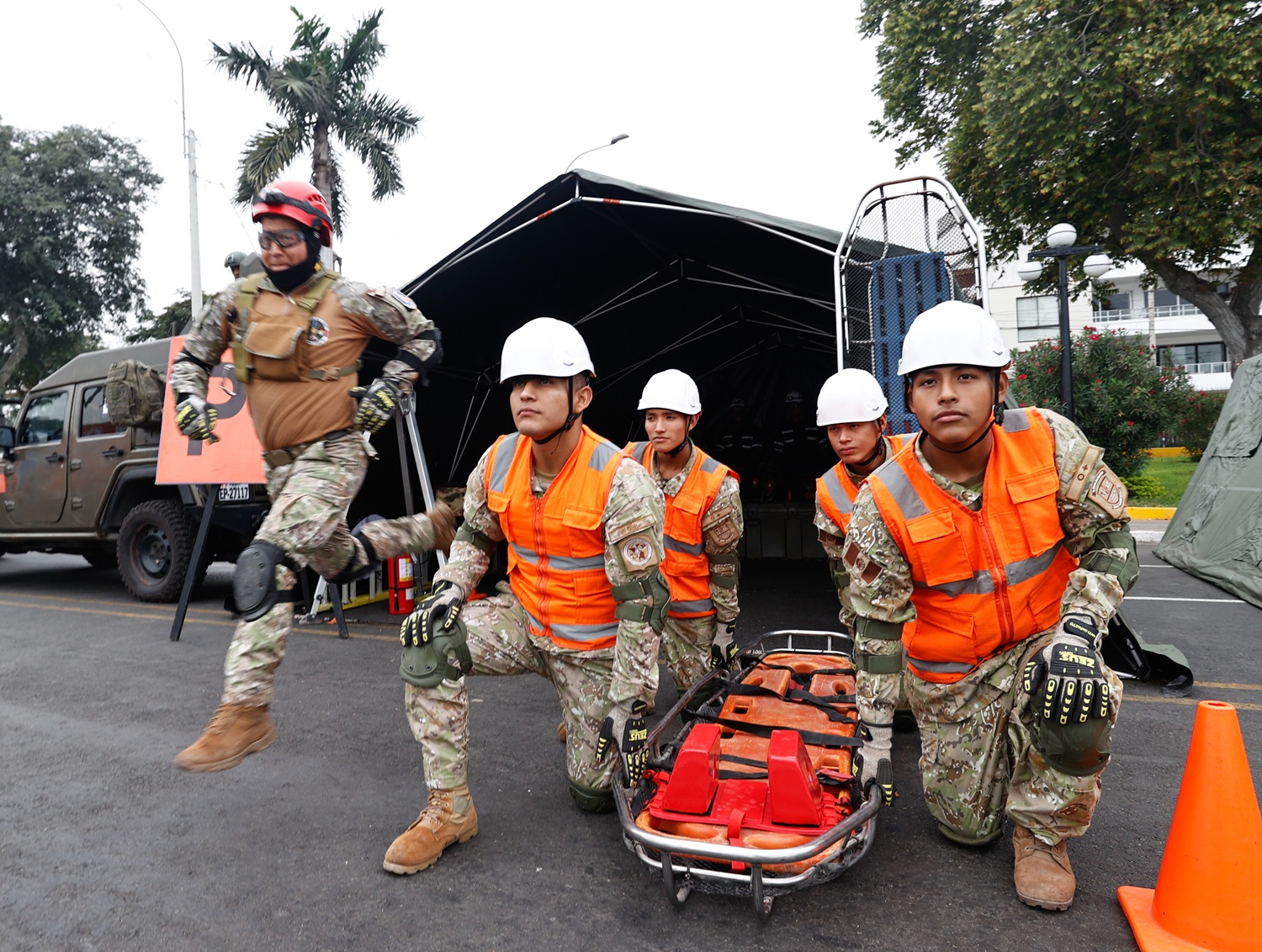
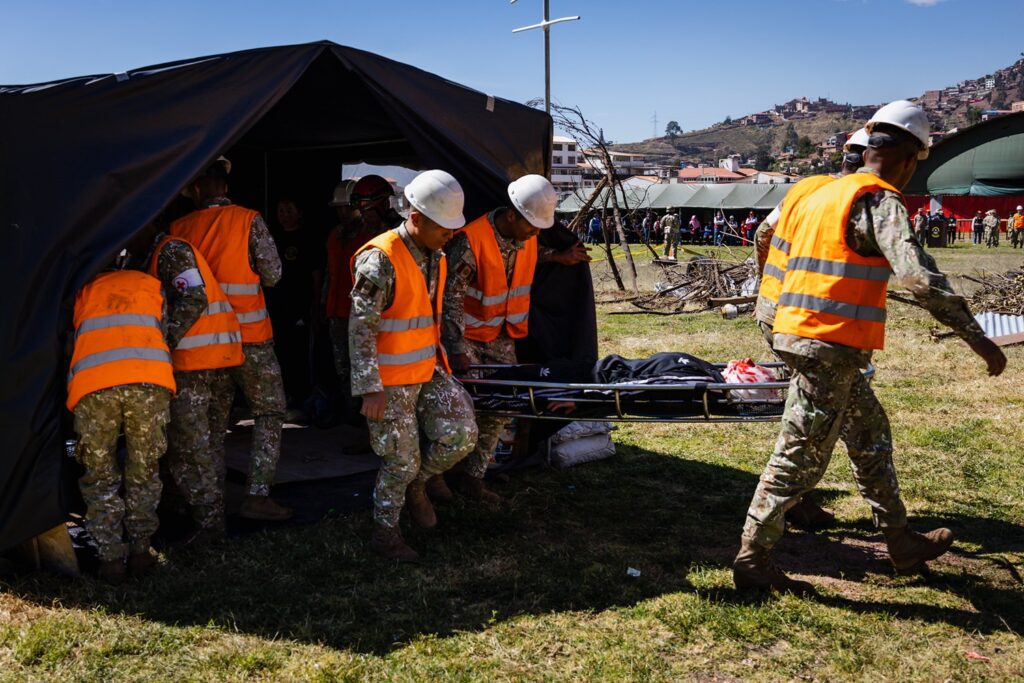
3.- Defensa: S/ 12 726 907 → brigadas especializadas, monitoreo tsunámico y entrenamiento comunitario.
4.- Interior: S/ 5 197 566 → brigadas policiales y capacitación de bomberos.
5.- INGEMMET: S/ 2 281 570 → caracterización de fallas y monitoreo de deslizamientos.
6.- También intervienen CISMID‑UNI y ANA, entre otros .
EL CUESTIONAMIENTO RECURRENTE: ¿Qué pasa con presupuestos anteriores?
Cada año se repite el mismo patrón: se anuncian asignaciones millonarias, pero ocurren hechos que generan dudas legítimas:
Baja ejecución: En 2025, del programa nacional de reducción de vulnerabilidad se dejaron sin usar más de S/ 425 millones. Los gobiernos locales son los que registran el menor avance, a veces menos del 30 %.
Diferencia entre asignar y ejecutar: Muchos recursos no se convierten en obras, estudios ni preparación real por trabas administrativas, falta de capacidad técnica o desvíos de propósito.
Asignaciones posteriores a tragedias: Tras eventos como el terremoto de Venezuela o movimientos sísmicos en Sudamérica, se amplían montos —lo que hace preguntar: ¿por qué no bastó lo entregado antes? ¿fue insuficiente, mal planeado o mal empleado?
Traslados que afectan otros sectores: A veces se amplían presupuestos quitando recursos a educación, salud o agricultura, que también necesitan inversión urgente.
Falta seguimiento claro: No siempre se explica públicamente qué se hizo con lo entregado a gobiernos nacionales, regionales y municipales.
Objetivo del PLANSIS
El Plan Multisectorial ante Sismos y Peligros Asociados 2026‑2028 ‑ PLANSIS, busca coordinar a los tres niveles, pero sigue pendiente asegurar que cada sol asignado se convierta en obra y preparación efectiva, y no solo en anuncio .
DATOS CONTEXTUALES
1.- Más de S/ 196 millones son necesarios por la ubicación sísmica del país, pero no bastan si no se ejecutan con eficacia y control.
2.- Persiste la debilidad principal: baja ejecución en gobiernos locales y regionales, y falta de transparencia sobre lo hecho con presupuestos anteriores.
3.- Se repite el ciclo: asignaciones anuales, ampliaciones tras emergencias y traslados que pueden afectar otros sectores prioritarios.
4.- El Plan es un marco válido, pero requiere acompañarse de control estricto para evitar desvíos o demoras.
5.- La prevención es más barata que reconstruir, pero requiere romper la costumbre de actuar solo después del desastre.
Fuente: Agencia Peruana de Noticias PRENSAPERU.PE https://www.prensaperu.pe Twitter: @prensaperupe
Translate
The government has allocated over S/ 196 million to address earthquakes, tsunamis, and other events; budgets are rising, but is prevention actually improving, or is it just a matter of announcements? Why is it always necessary to increase funding? Were the previous funds not used effectively?
Peruvian News Agency PRENSAPERU.PE https://www.prensaperu.pe Twitter: @prensaperupe Peru lies within the Pacific Ring of Fire, the zone with the highest seismic activity on the planet. Therefore, prevention, preparedness and response constitute a permanent priority. The Government has allocated S/ 196 346 552 for 2026 within the framework of the Multisectoral Plan for Earthquakes and Associated Hazards 2026‑2028 – PLANSIS, approved by Supreme Decree No. 082‑2026‑PCM.
Multisectoral Plan: Mandatory instrument that organizes resources and tasks among the three levels of government in order to protect lives, infrastructure and the operation of essential services.
Resilience: The capacity to withstand and recover rapidly following hazardous events.
COVERAGE AND ALLOCATION
This investment aims to reduce damage caused by earthquakes, tsunamis, mass movements and glacial lake outbursts, benefiting more than 21 million people living in risk zones. Fifty‑six actions will be carried out by twenty‑five agencies:
1.– Housing, Construction and Sanitation: approx. S/ 156 million → upgrading of supply and sewerage networks, subsidy for reinforcing vulnerable housing and technical assistance.
2.- Environment – IGP and INAIGEM: S/ 15 018 878 → operation of seismic and early‑warning networks, research and soil studies.
3.- Defence: S/ 12 726 907 → specialized response teams, tsunami monitoring and community training.
4.- Interior: S/ 5 197 566 → police search‑and‑rescue units and training for fire‑fighters.
5.- INGEMMET: S/ 2 281 570 → mapping of active faults and monitoring of landslides.
6.- Also participating: CISMID‑UNI and ANA, among others.
THE RECURRING QUESTION: What happens to previous budget allocations?
The same pattern repeats every year: multi‑million‑sol allocations are announced, yet facts raise legitimate doubts:
Low execution rate: In 2025, more than S/ 425 million under the national vulnerability‑reduction programme remained unused. Local governments recorded the lowest implementation levels, sometimes below 30 %.
Difference between allocation and implementation: Many resources never translate into works, studies or effective preparedness, owing to administrative hurdles, lack of technical capacity or diversion of funds.
Additional funding following disasters: After events such as the earthquake in Venezuela or seismic episodes elsewhere in South America, budgets are expanded — prompting the question: why were earlier amounts insufficient? Were they inadequate, poorly planned or misused?
Transfers affecting other sectors: Sometimes budget increases are funded by taking resources away from education, health or agriculture — areas also in urgent need of investment.
Lack of clear follow‑up: There is not always public reporting on how funds transferred to national, regional and municipal authorities have been employed.
OBJECTIVE OF PLANSIS
The Multisectoral Plan for Earthquakes and Associated Hazards 2026‑2028 – PLANSIS seeks coordination across the three levels of government, yet it remains a pending challenge to ensure every sol allocated translates into tangible works and effective preparedness, rather than mere announcements.
CONTEXTUAL DATA
1.- More than S/ 196 million is necessary given the country’s seismic location, yet insufficient unless implemented efficiently and subject to oversight.
2.- The main weakness persists: low execution by local and regional governments, together with lack of transparency regarding the use of prior allocations.
3.- A cycle repeats: yearly allocations, extensions declared after emergencies, and reallocations that may harm other priority sectors.
4.- Although the Plan provides a valid framework, it must be accompanied by strict monitoring to prevent misuse or delays.
5.- Prevention is less costly than reconstruction, but it requires breaking the habit of acting only once disaster strikes.
Source: Peruvian News Agency PRENSAPERU.PE https://www.prensaperu.pe Twitter: @prensaperupe