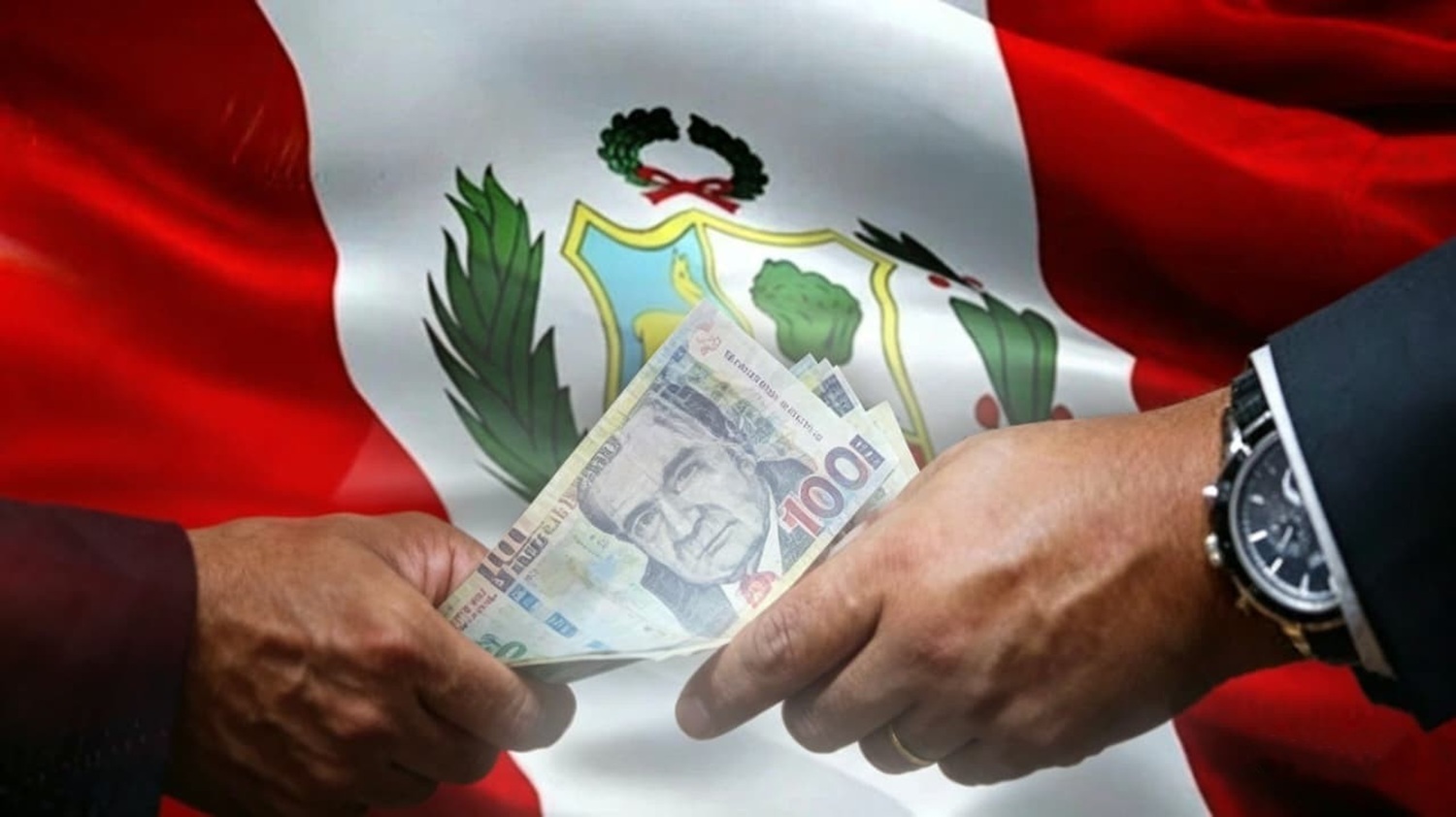
Agencia Peruana de Noticias PRENSAPERU.PE https://www.prensaperu.pe Twitter: @prensaperupe (Editorial del Director: Fernando Palomares Arévalo) La cultura organizacional es ese conjunto de valores, creencias y prácticas compartidas que define cómo actúan las personas dentro de una institución. Influye en cada decisión, en cómo se responden los desafíos y en cómo se relacionan entre sí. Aunque muchas organizaciones saben que existe, pocas logran definirla con claridad o dirigirla hacia el bien común. En el sector público, esta cultura tiene una importancia aún mayor: la confianza de la ciudadanía no depende solo de que se brinden servicios con eficacia, sino de que se hagan con equidad, transparencia y honradez .
Construir una cultura de integridad requiere mucho más que publicar códigos de conducta o dictar talleres aislados. Exige una inversión continua en la formación de los funcionarios, para que los valores no queden solo en el papel, sino que se transformen en práctica diaria. Cuando la integridad se vuelve parte de la forma de trabajar de todos, se crea la base sólida para prevenir, detectar y responder a la corrupción con eficacia .
La corrupción no es simplemente un problema de leyes o de normas: es, ante todo, un problema humano e institucional. Las mejores leyes y las tecnologías más avanzadas solo sirven si quienes las aplican tienen la formación, la convicción y el respaldo institucional para hacerlo bien. Por eso la capacitación es clave: sirve para cerrar la brecha entre lo que dicen las normas y lo que realmente ocurre en la práctica .
La historia de estos programas muestra una evolución importante. Hoy a la luz de los resultados, podemos afirmar categóricamente que en la década de 1990, las iniciativas de capacitación fueron impulsadas principalmente por organismos donantes y se centraron en talleres cortos. Ayudaron a crear conciencia, pero tuvieron poco impacto real porque no se adaptaban a las necesidades de cada país ni contaban con respaldo interno. Con el tiempo, los enfoques cambiaron: se pasó de intervenciones externas a programas integrados en los sistemas institucionales, diseñados para responder a necesidades reales y sostenerse en el tiempo .
De tal manera, que la capacitación ha dejado de ser algo puntual para convertirse en un proceso de aprendizaje continuo. Se han creado redes de intercambio entre profesionales e instituciones que permiten compartir experiencias y responder juntos a riesgos nuevos. La tecnología también ha transformado este campo: plataformas digitales, inteligencia artificial y análisis de datos hacen que la formación sea más accesible, personalizada y eficaz. Estas herramientas también ayudan a identificar riesgos, respaldar investigaciones y mejorar el intercambio de información .
Sin embargo, hay una verdad que los foros internacionales como APEC han puesto de relieve, la tecnología por sí sola no basta. En toda la región, el verdadero obstáculo no es la falta de herramientas, sino la falta de capacidad humana e institucional para usarlas bien. Sin personas formadas, sin instituciones sólidas y sin marcos regulatorios que respalden el uso de la tecnología, las herramientas más modernas quedan sin efecto .
En las economías de APEC se observa que mientras algunas avanzan con estas innovaciones, otras enfrentan serias dificultades: acceso desigual a la tecnología, apoyo institucional limitado, programas fragmentados y falta de sistemas para evaluar resultados. Por eso no existe una fórmula única que sirva para todos. Lo que sí funciona es combinar capacitación especializada, continua y adaptada a cada realidad, con el respaldo de instituciones fuertes y la cooperación entre países .
Para que la capacitación sea realmente eficaz, debe integrarse en la vida diaria de las instituciones: en la inducción de nuevos funcionarios, en la evaluación del desempeño y en la carrera pública. También debe medirse por resultados reales, no solo por cuántas personas asistieron a un curso. Y debe fortalecerse mediante el intercambio regional, aprendiendo de lo que otros hacen bien y adaptándolo a cada realidad. Al final, en la lucha contra la corrupción, la tecnología es solo un medio. Lo que realmente transforma son las personas capacitadas, las instituciones sólidas y una cultura que valora la integridad por encima de todo .
LA CORRUPCIÓN EN EL PERÚ: UN MAL ENDÉMICO QUE SOCAVA AL PAÍS
En el Perú, la corrupción ha dejado de ser hechos aislados para convertirse en un fenómeno endémico, presente en todos los niveles de la sociedad. Sin embargo, es la corrupción política la más grave y perjudicial, porque ocurre desde donde se toman las decisiones que definen el rumbo del país. Cuando quienes gobiernan, legislan o administran los recursos se apropian de ellos o los usan para beneficio propio, el daño no es a una sola persona: es a toda la nación.
Esta corrupción ha ido creciendo como una telaraña que abarca todos los poderes del Estado. Comienza en el Gobierno y el Parlamento, donde se deciden leyes, presupuestos y grandes proyectos. Pero ha penetrado también en las instituciones que deberían ser garantía de justicia: el Poder Judicial y el Ministerio Público, donde la confianza se ha visto seriamente afectada por casos que han puesto en duda su independencia .
La red se extiende también por todo el territorio nacional. En los gobiernos regionales, provinciales y distritales, se han identificado miles de casos de irregularidades, obras sobrevaloradas y recursos que nunca llegan a la población. Más del 50% de los gobiernos regionales registran niveles de riesgo alto o muy alto de corrupción, y se han detectado cientos de obras con graves indicios de irregularidades que suman miles de millones de soles .
Lo más preocupante es que esta influencia ha llegado también a espacios que deberían ser independientes: la prensa, que debería vigilar y denunciar, no escapa a la tentación ni a las presiones; las universidades y organismos de la sociedad civil, que deberían formar y fiscalizar, también han sido alcanzados por estas prácticas. Así, la corrupción ha encontrado cómplices o silencios en lugares donde la ciudadanía esperaba encontrar defensa.
El costo es inmenso: el país pierde cada año cerca de 23 mil millones de soles por corrupción, lo que equivale a cerca del 3% de su riqueza anual. Es dinero que no llega a escuelas, hospitales, carreteras ni a las familias que más lo necesitan . Y el daño va más allá de lo económico: erosiona la confianza en todo lo público, debilita las instituciones y hace que el pueblo pierda la fe en que las cosas puedan cambiar.
Por eso, cuando hablamos de cultura de integridad y de formación anticorrupción, no hablamos de algo abstracto o lejano. Hablamos de la única forma de cortar esa telaraña que ha ido apoderándose del país. Si la corrupción ha penetrado en todos los espacios, la respuesta debe ser también integral: formar a las personas, fortalecer las instituciones y recuperar la capacidad de decir la verdad sin miedo.
VEINTICINCO AÑOS DE GASTOS SIN RESULTADOS
La caída del régimen fujimorista en el año 2000 mostró al país, con evidencia palpable, hasta qué punto un gobierno podía estar corroído desde sus cimientos. No hace falta inventar nada: quedó demostrado que cuando la corrupción llega a las más altas esferas, todo el sistema se contamina. A partir de ese momento, en estos últimos veinticinco años, cada gobierno que ha llegado al poder —ya sea por iniciativa propia o en convenio con organismos internacionales— ha anunciado grandes planes, ha organizado miles de eventos, talleres y programas de capacitación, y ha gastado millones y millones de dólares en la lucha contra la corrupción.
Han sido el Banco Mundial, el Banco Interamericano de Desarrollo (BID), las Naciones Unidas y otros organismos provenientes de Estados Unidos, Europa y otras regiones, quienes han financiado y organizado, a lo largo y ancho del país, pomposos congresos, seminarios y foros con ponencias de renombrados especialistas y expertos internacionales. Se han dictado discursos memorables, se han firmado acuerdos y se han presentado informes que prometían transformar la realidad. Sin embargo, hoy, después de todo eso, no tenemos ni un resultado que demuestre que la corrupción ha disminuido. Al contrario: ha avanzado más que nunca.
Esto nos lleva a una pregunta ineludible: ¿Qué pasa con estos organismos? ¿Por qué no supervisan si su propio trabajo está dando frutos? ¿Por qué se siguen financiando iniciativas que no cambian nada? Hay una sensación creciente en la ciudadanía de que existe una complicidad silenciosa dentro del sistema para que todo continúe igual: se gastan los recursos, se cumplen las formalidades, se publican los informes, pero la raíz del problema se mantiene intacta.
La realidad es que la mayoría de esas capacitaciones fueron programas aislados, diseñados muchas veces desde fuera, sin arraigo en la realidad peruana y sin el respaldo de una voluntad política real. Se enseñaba sobre ética en salones lujosos, pero al mismo tiempo se permitía que las mismas instituciones que debían vigilar se siguieran pudriendo desde adentro. Se gastaba dinero en formar a personas, pero no se fortalecía la institucionalidad ni se cambiaban las reglas que permiten que la corrupción florezca. Casos como el Lava Jato demostraron que la red de sobornos y complicidades seguía funcionando con total normalidad, cruzando fronteras y alcanzando a quienes se presentaban como los grandes renovadores del país.
Hoy podemos afirmar que lo que se ha hecho hasta ahora no ha funcionado. Y no ha funcionado porque se ha atacado el síntoma y no la causa. Se han dictado cursos, se han organizado eventos y se han publicado informes, pero no se ha construido una cultura de integridad que sea sostenible, que forme parte de la gestión diaria del Estado y que cuente con el respaldo de instituciones realmente independientes. Mientras sigamos gastando millones en acciones que no transforman la forma de actuar de las personas ni de las instituciones, la corrupción seguirá avanzando, como lo ha hecho en estos veinticinco años, a pesar de todos los discursos, todos los programas y todos los organismos que han venido a decirnos cómo combatirla.
DATOS CONCEPTUALES
Cultura organizacional: Conjunto de valores, creencias, normas y prácticas compartidas que determinan cómo piensan, actúan y se relacionan las personas dentro de una institución.
Cultura de integridad: Forma de convivencia institucional donde se actúa de manera consistente con los principios éticos, el interés general y el rechazo a cualquier forma de corrupción.
Corrupción endémica: Mal que se encuentra extendido de forma permanente en todos los niveles de la sociedad y del Estado, formando parte de su funcionamiento cotidiano.
Corrupción política: Aquella que ocurre en las esferas de decisión del poder público, afectando directamente las leyes, los presupuestos, las obras y el rumbo económico del país.
Desarrollo de capacidades: Proceso que fortalece tanto a las personas como a las instituciones para que puedan cumplir sus funciones con eficacia y honestidad.
Integración institucional: Incorporación de la capacitación en los sistemas oficiales del Estado, para que no dependa de iniciativas externas o temporales.
Fracaso de las intervenciones aisladas: Programas, talleres y eventos que se realizan sin arraigo en la realidad nacional, sin respaldo político y sin evaluación real de resultados.
Complicidad sistémica: Situación en la que distintos actores, incluso organismos externos, permiten o no vigilan adecuadamente que los recursos y esfuerzos cumplan realmente su objetivo.
CONCLUSIONES
1.- La cultura de integridad es la base sobre la cual cualquier medida anticorrupción puede sostenerse; sin ella, leyes, tecnologías y programas quedan sin efecto real.
2.- En el Perú, la corrupción ha dejado de ser casos aislados para convertirse en un mal endémico que recorre todos los poderes del Estado y todos los niveles de gobierno.
3.- La corrupción política es la más dañina porque nace desde donde se toman las decisiones, afectando transversalmente la economía, la sociedad y el futuro del país.
4.- Durante veinticinco años, con el apoyo de organismos como el Banco Mundial, el BID y Naciones Unidas, se han gastado millones de dólares en eventos y capacitaciones, pero la corrupción ha avanzado en lugar de retroceder.
5.- El fracaso se debe a que se han atacado los síntomas y no las causas: programas aislados, diseñados desde fuera, sin voluntad política real y sin supervisión de resultados.
6.- Existe una deuda de transparencia con la ciudadanía: hay que preguntarse por qué organismos internacionales siguen financiando iniciativas que no cambian nada y si hay complicidad en el sistema para que todo continúe igual.
Fuente: Agencia Peruana de Noticias PRENSAPERU.PE https://www.prensaperu.pe Twitter: @prensaperupe
Translate
“Culture of Integrity! What no law or technology has achieved in 25 years. Corruption in Peru: from the highest spheres of power to every corner of the State. Millions spent and zero results in the fight against corruption.”
Peruvian News Agency PRENSAPERU.PE https://www.prensaperu.pe Twitter: @prensaperupe (Editorial by the Director: Fernando Palomares Arévalo) Organizational culture is the set of shared values, beliefs and practices that define how people act within an institution. It influences every decision, how challenges are faced, and how people relate to one another. Although many organizations are aware of its existence, few manage to define it clearly or direct it toward the common good. In the public sector, this culture holds even greater importance: public trust depends not only on services being delivered efficiently, but also on them being provided with fairness, transparency and integrity.
Building a culture of integrity requires far more than publishing codes of conduct or holding isolated workshops. It demands ongoing investment in the training of public officials, so that values remain not merely on paper but are transformed into daily practice. When integrity becomes part of everyone’s way of working, a solid foundation is created to prevent, detect and respond effectively to corruption.
Corruption is not simply a matter of laws or regulations: it is, above all, a human and institutional problem. The best laws and the most advanced technologies are only effective if those who apply them possess the training, conviction and institutional backing to do so properly. This is why training is key: it serves to bridge the gap between what the rules state and what actually occurs in practice.
The history of these programs reveals a significant evolution. Today, in light of the results, we can state categorically that in the 1990s, anti-corruption training initiatives were driven primarily by donor agencies and focused on short workshops. While they helped raise awareness, they had little real impact because they were not adapted to each country’s needs and lacked internal support. Over time, approaches shifted: moving from external interventions to programs integrated into institutional systems, designed to respond to real needs and be sustained over time.
Thus, training has ceased to be an occasional event and has become a continuous learning process. Exchange networks have been established among professionals and institutions, enabling the sharing of experiences and joint responses to emerging risks. Technology has also transformed this field: digital platforms, artificial intelligence and data analysis make training more accessible, personalized and effective. These tools also help identify risks, support investigations and improve information sharing.
However, there is a truth that international forums such as APEC have highlighted: technology alone is not enough. Across the region, the true obstacle is not a lack of tools, but rather the lack of human and institutional capacity to use them effectively. Without trained people, strong institutions and regulatory frameworks that support the use of technology, even the most advanced tools remain ineffective.
In APEC economies, it is observed that while some are advancing with these innovations, others face serious difficulties: unequal access to technology, limited institutional support, fragmented programs and a lack of systems to evaluate outcomes. Therefore, there is no single formula that works for everyone. What does work is combining specialized, continuous and context-adapted training with the backing of strong institutions and international cooperation.
For training to be truly effective, it must be integrated into the daily life of institutions: in the induction of new officials, in performance evaluations and in public service careers. It must also be measured by real results, not merely by attendance numbers. And it must be strengthened through regional exchange, learning from what others do well and adapting it to each reality. Ultimately, in the fight against corruption, technology is only a means. What truly transforms are trained people, strong institutions and a culture that values integrity above all else.
CORRUPTION IN PERU: AN ENDEMIC PLAGUE THAT UNDERMINES THE NATION
In Peru, corruption has ceased to be an isolated occurrence and has become an endemic phenomenon, present at every level of society. However, political corruption is the most serious and damaging, because it occurs at the very heart of decision-making that defines the country’s direction. When those who govern, legislate or manage resources appropriate them or use them for personal gain, the harm is not limited to one individual: it affects the entire nation.
This corruption has grown like a web that encompasses all branches of the State. It begins in the Government and Congress, where laws, budgets and major projects are decided. But it has also penetrated institutions that should be the guarantors of justice: the Judiciary and the Public Prosecutor’s Office, where public confidence has been severely shaken by cases that have cast doubt on their independence.
The network extends across the entire national territory. Thousands of cases of irregularities, overpriced works and resources that never reach the population have been identified in regional, provincial and district governments. More than 50% of regional governments register high or very high levels of corruption risk, and hundreds of projects have been detected with serious indications of irregularities amounting to billions of soles.
Most worrying is that this influence has reached spaces that should remain independent: the press, which should monitor and denounce, is not immune to temptation or pressure; universities and civil society organizations, which should educate and oversee, have also been affected by these practices. Thus, corruption has found accomplices or silence in places where citizens expected to find protection.
The cost is immense: the country loses approximately 23 billion soles annually to corruption, equivalent to roughly 3% of its annual wealth. This is money that never reaches schools, hospitals, roads or the families who need it most. And the damage extends beyond economics: it erodes trust in all public institutions, weakens the State and causes the people to lose faith that things can change.
Therefore, when we speak of a culture of integrity and anti-corruption training, we are not discussing something abstract or distant. We are speaking of the only way to cut through the web that has gradually taken hold of the country. If corruption has penetrated every sphere, the response must likewise be comprehensive: training people, strengthening institutions and recovering the ability to speak the truth without fear.
TWENTY-FIVE YEARS OF EXPENDITURE WITH NO RESULTS
The fall of the Fujimori regime in the year 2000 revealed to the nation, with palpable evidence, the extent to which a government could be corrupted to its very foundations. There is no need to invent anything: it was proven that when corruption reaches the highest spheres, the entire system becomes contaminated. Since that moment, over these past twenty-five years, every administration that has come to power — whether on its own initiative or in agreement with international organizations — has announced grand plans, organized thousands of events, workshops and training programs, and spent millions upon millions of dollars in the fight against corruption.
The World Bank, the Inter-American Development Bank (IDB), the United Nations and other organizations from the United States, Europe and other regions have funded and organized, throughout the length and breadth of the country, lavish congresses, seminars and forums featuring presentations by renowned specialists and international experts. Memorable speeches have been delivered, agreements signed and reports presented that promised to transform reality. Yet today, after all of this, we have not a single result demonstrating that corruption has diminished. On the contrary: it has advanced further than ever.
This leads us to an unavoidable question: What is happening with these organizations? Why do they not oversee whether their own work is bearing fruit? Why are initiatives that change nothing still being funded? There is a growing public perception of a silent complicity within the system designed to keep things exactly as they are: resources are spent, formalities are observed, reports are published, yet the root of the problem remains untouched.
The reality is that the vast majority of these training programs were isolated initiatives, often designed from abroad, without roots in Peruvian reality and without the backing of genuine political will. Ethics were taught in luxurious halls, yet at the same time, the very institutions tasked with oversight were allowed to rot from within. Money was spent training individuals, yet institutional strength was never built nor were the rules that allow corruption to flourish ever changed. Cases such as Lava Jato demonstrated that the network of bribes and complicity continued to function perfectly, crossing borders and reaching those who presented themselves as the great renewers of the nation.
Today we can affirm that what has been done thus far has not worked. It has failed because symptoms have been targeted rather than causes. Courses have been taught, events organized and reports published, yet a sustainable culture of integrity has never been built — one that forms part of the State’s daily management and is backed by truly independent institutions. As long as we continue spending millions on actions that fail to transform how people and institutions behave, corruption will continue to advance, just as it has over these twenty-five years, despite all the speeches, all the programs and all the organizations that have come to tell us how to fight it.
CONCEPTUAL DATA
Organizational culture: The set of shared values, beliefs, norms and practices that determine how people think, act and relate to one another within an institution.
Culture of integrity: A form of institutional coexistence where actions are consistent with ethical principles, the common good and the rejection of all forms of corruption.
Endemic corruption: A scourge permanently entrenched at every level of society and the State, becoming part of its daily functioning.
Political corruption: Corruption occurring within the spheres of public decision-making, directly affecting laws, budgets, public works and the country’s economic direction.
Capacity building: The process of strengthening both individuals and institutions so they may fulfill their functions effectively and with integrity.
Institutional integration: The incorporation of training into official State systems, ensuring it does not depend on external or temporary initiatives.
Failure of isolated interventions: Programs, workshops and events conducted without roots in national reality, without political backing and without genuine outcome evaluation.
Systemic complicity: A situation in which various actors, including external organizations, allow or fail to adequately oversee whether resources and efforts are truly achieving their intended purpose.
CONCLUSIONS
1.- A culture of integrity is the foundation upon which any anti-corruption measure may be sustained; without it, laws, technologies and programs remain without real effect.
2.- In Peru, corruption has ceased to be an isolated problem and has become an endemic plague spanning all branches of the State and every level of government.
3.- Political corruption is the most damaging because it originates at the very seat of decision-making, affecting the economy, society and the nation’s future in a cross-cutting manner.
4.- Over twenty-five years, with support from organizations including the World Bank, the IDB and the United Nations, millions of dollars have been spent on events and training programs, yet corruption has advanced rather than receded.
5.- The failure stems from addressing symptoms rather than causes: isolated programs designed externally, without genuine political will and without outcome oversight.
6.- A debt of transparency is owed to the citizenry: we must ask why international organizations continue funding initiatives that change nothing, and whether complicity exists within the system to maintain the status quo.
Source: Peruvian News Agency PRENSAPERU.PE https://www.prensaperu.pe Twitter: @prensaperupe