
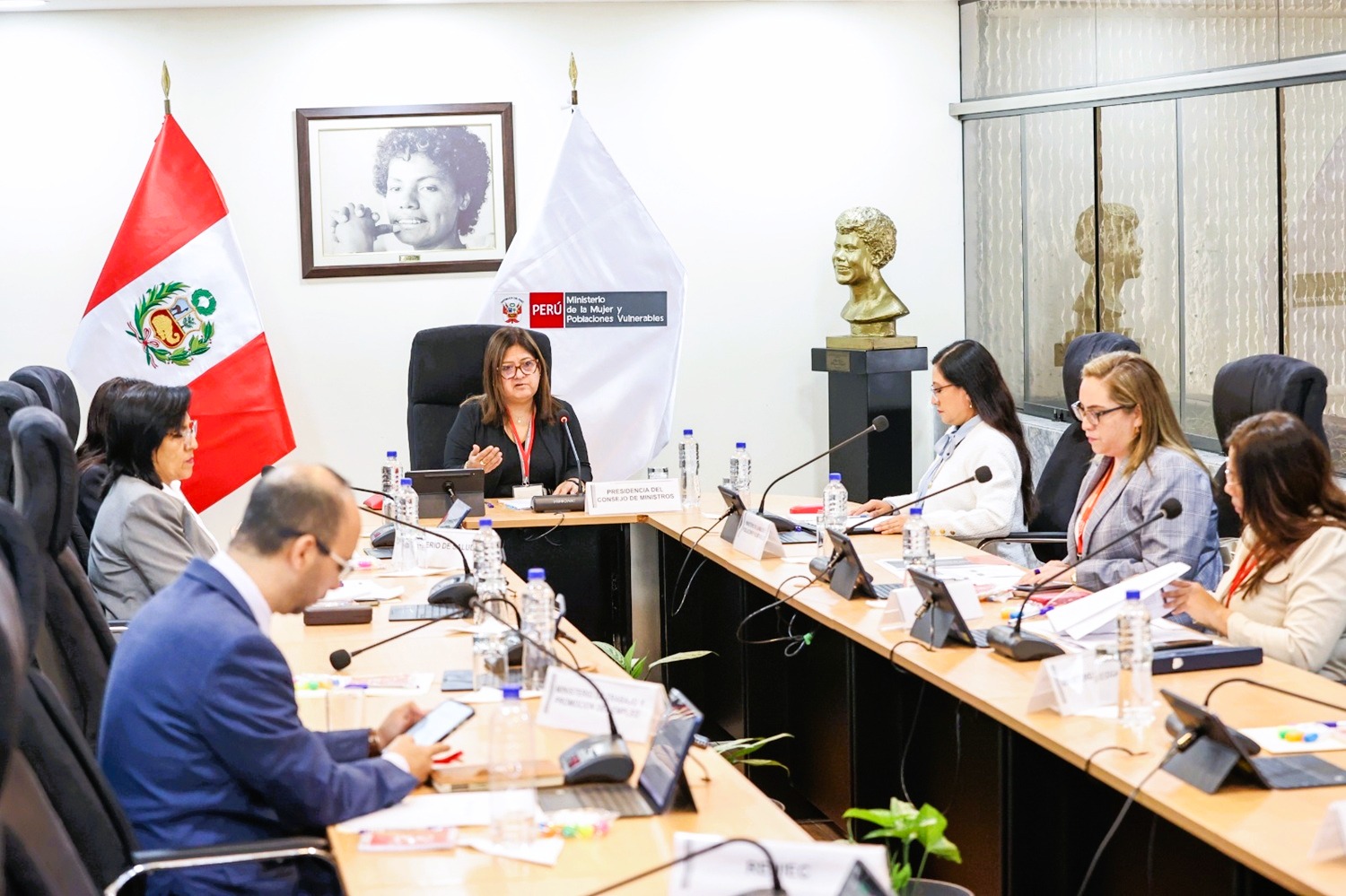
Agencia Peruana de Noticias PRENSAPERU.PE https://www.prensaperu.pe Twitter: @prensaperupe El Estado peruano ha dado un paso decisivo al instalar, por medio de la Presidencia del Consejo de Ministros – PCM, la Comisión Multisectorial de Alto Nivel en Materia de Protección de Niñas, Niños y Adolescentes en Situación de Orfandad. Su objetivo central es garantizar el acceso efectivo a salud, educación, cuidado integral y la construcción de un verdadero proyecto de vida para este grupo en condición de vulnerabilidad, que ha perdido a sus padres o responsables legales.
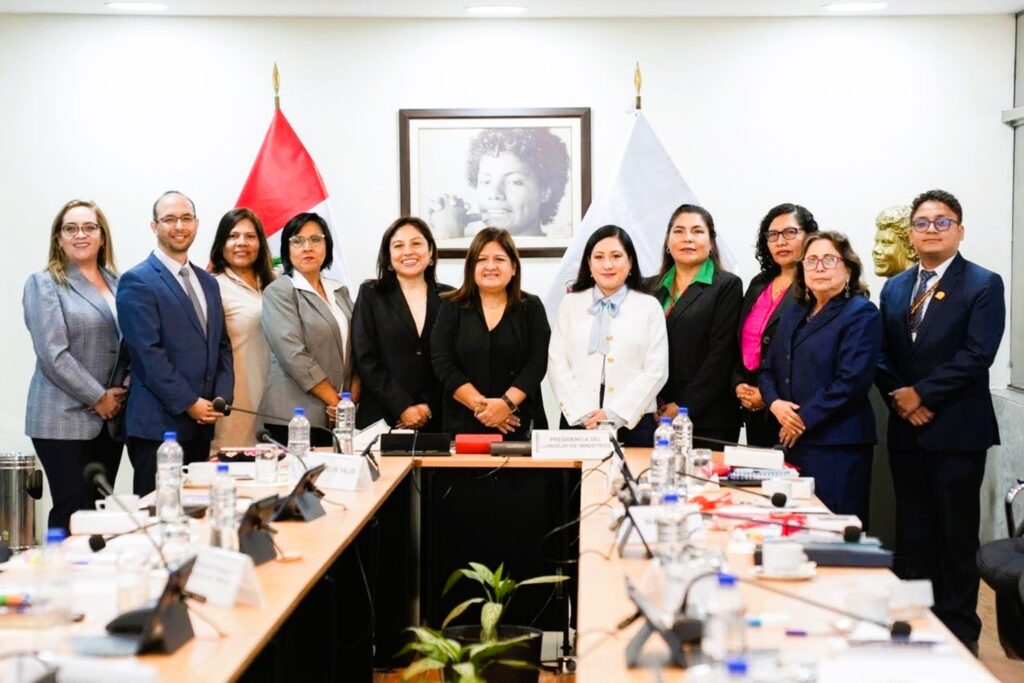
La ceremonia se llevó a cabo en la sede del Ministerio de la Mujer y Poblaciones Vulnerables, con la participación de Milagritos Pastor, secretaria de Coordinación en representación de la PCM, encargada de impulsar la articulación entre todos los sectores involucrados y asegurar que las acciones sean coordinadas, continuas y eficaces.
SITUACIÓN DE ORFANDAD
Condición en la que la persona menor de edad ha perdido total o parcialmente el cuidado, protección y sustento de sus padres o tutores legales, quedando expuesta a mayor riesgo y desprotección.
COMISIÓN MULTISECTORIAL
Espacio oficial donde confluyen distintas instituciones del Estado para planificar, ejecutar y vigilar medidas conjuntas — evitando acciones aisladas y logrando mayor impacto.
PROTECCIÓN INTEGRAL
No solo cubrir necesidades básicas, sino también salud física y mental, educación, afecto, inclusión social y oportunidades para crecer sanamente.
MARCO LEGAL Y BENEFICIOS ESTABLECIDOS: LEY N.º 31405
Promulgada en octubre de 2023, esta norma es la base principal de las acciones:
1.- Busca protección continua y acompañamiento profesional para cada menor beneficiario.
2.- Establece el apoyo económico bimestral de 200 soles, entregado por INABIF, dirigido a alimentación, educación, salud física y mental, terapias y todo aquello que favorezca su desarrollo completo.
3.- Se dirige prioritariamente a quienes viven en pobreza o pobreza extrema, donde la falta de recursos agrava más su situación.
TRABAJO ARTICULADO: INSTITUCIONES Y FUNCIONES
La Comisión reúne a actores esenciales: Ministerios de Salud, Educación, Desarrollo e Inclusión Social, Trabajo y Promoción del Empleo, además del Poder Judicial, Ministerio Público y RENIEC, entre otros.
PRINCIPALES TAREAS:
1.- Elaborar informes técnicos para mejorar las políticas públicas.
2.- Diseñar estrategias conjuntas.
3.- Vigilar estrictamente el cumplimiento de la Ley 31405.
4.- Aprobar su reglamento interno y plan de trabajo para actuar con rapidez y orden.
SERVICIOS Y PROGRAMAS QUE SE ACTIVAN:
1.- Atención prioritaria: salud mental, control de anemia, cuidados generales.
2.- Educación básica y continua.
3.- Acceso a iniciativas como Beca 18, para asegurar también formación superior.
Además, podrá invitar a especialistas, universidades, organismos internacionales y entidades privadas, y solicitar información para fortalecer su análisis y propuestas.
DATOS
1.- La instalación de esta Comisión convierte la protección en política coordinada y permanente, no solo acciones aisladas: la articulación entre sectores es la clave para llegar a todos los menores que lo necesiten.
2.- La Ley N.º 31405 y su pensión bimestral representan un apoyo concreto, pero van acompañados ahora de seguimiento, evaluación y ampliación de servicios — como salud especializada y educación superior — que dan mayor alcance al beneficio.
3.- Al involucrar a instituciones de justicia, registro y promoción social, el Estado reafirma que el desarrollo integral es un derecho, y no solo asistencia; se busca cerrar brechas y reducir vulnerabilidad desde la raíz.
Fuente: Agencia Peruana de Noticias PRENSAPERU.PE https://www.prensaperu.pe Twitter: @prensaperupe
Translate
Multisectoral Commission Established! “Total protection for orphaned minors based on ‘Law 31405’ guaranteeing: pension, health, education and support for this population”.
Peruvian News Agency PRENSAPERU.PE https://www.prensaperu.pe Twitter: @prensaperupe The Peruvian State has taken a decisive step by establishing — through the Presidency of the Council of Ministers – PCM — the High‑Level Multisectoral Commission for the Protection of Girls, Boys and Adolescents in Situations of Orphanhood. Its central purpose is to guarantee effective access to health, education, comprehensive care and the building of a true life‑project for this vulnerable group who have lost their parents or legal guardians.
The ceremony was held at the headquarters of the Ministry of Women and Vulnerable Populations, with the participation of Milagritos Pastor, Coordination Secretary representing the PCM — tasked with promoting coordination among all sectors involved and ensuring actions are aligned, sustained and effective.
SITUATION OF ORPHANHOOD
Condition in which a person under age has totally or partially lost care, protection and support from their parents or legal guardians, leaving them exposed to greater risk and lack of protection.
MULTISECTORAL COMMISSION
Official framework where different State institutions come together to plan, implement and monitor joint measures — avoiding isolated actions and achieving greater impact.
COMPREHENSIVE PROTECTION
Not only meeting basic needs, but also physical and mental health, education, emotional support, social inclusion and opportunities for healthy growth.
LEGAL FRAMEWORK AND ESTABLISHED BENEFITS: LAW NO. 31405
Promulgated in October 2023, this regulation forms the main basis for action:
1.- It aims to provide ongoing protection and professional support to every beneficiary child or adolescent.
2.- It sets a bimonthly financial allowance of 200 soles, delivered through INABIF, intended for food, education, physical and mental health, therapies and all items favouring full development.
3.- It prioritises those living in poverty or extreme poverty, where lack of resources further worsens their situation.
COORDINATED WORK: INSTITUTIONS AND FUNCTIONS
The Commission brings together key actors: Ministries of Health; Education; Development and Social Inclusion; Labour and Employment Promotion, plus the Judiciary, Public Ministry and RENIEC, among others.
MAIN TASKS:
1.- Prepare technical reports to improve public policies.
2.- Design joint strategies.
3.- Strictly monitor compliance with Law No. 31405.
4.- Adopt internal regulations and work plans to ensure timely, orderly performance.
SERVICES AND PROGRAMMES TO BE IMPLEMENTED:
1.- Priority care: mental health, anaemia control, general health services.
2.- Basic and continuing education.
3.- Access to initiatives such as Beca 18, also ensuring opportunities for higher education.
In addition, the Commission may invite specialists, universities, international bodies and private entities, and request information from public or private institutions to strengthen its analysis and proposals.
KEY FACTS
1.- Setting‑up this Commission turns protection work into coordinated, permanent policy — rather than isolated actions: inter‑sector articulation is the key to reaching every child and adolescent in need.
2.- Law No. 31405 and its bimonthly allowance represent concrete support, now reinforced by monitoring, evaluation and expanded services — such as specialised health and higher education — giving greater scope to the benefit.
3.- By including justice, civil registry and social promotion bodies, the State reaffirms that comprehensive development is a right — not mere assistance: the goal is to close gaps and reduce vulnerability from its root causes.
Source: Peruvian News Agency PRENSAPERU.PE https://www.prensaperu.pe Twitter: @prensaperupe