
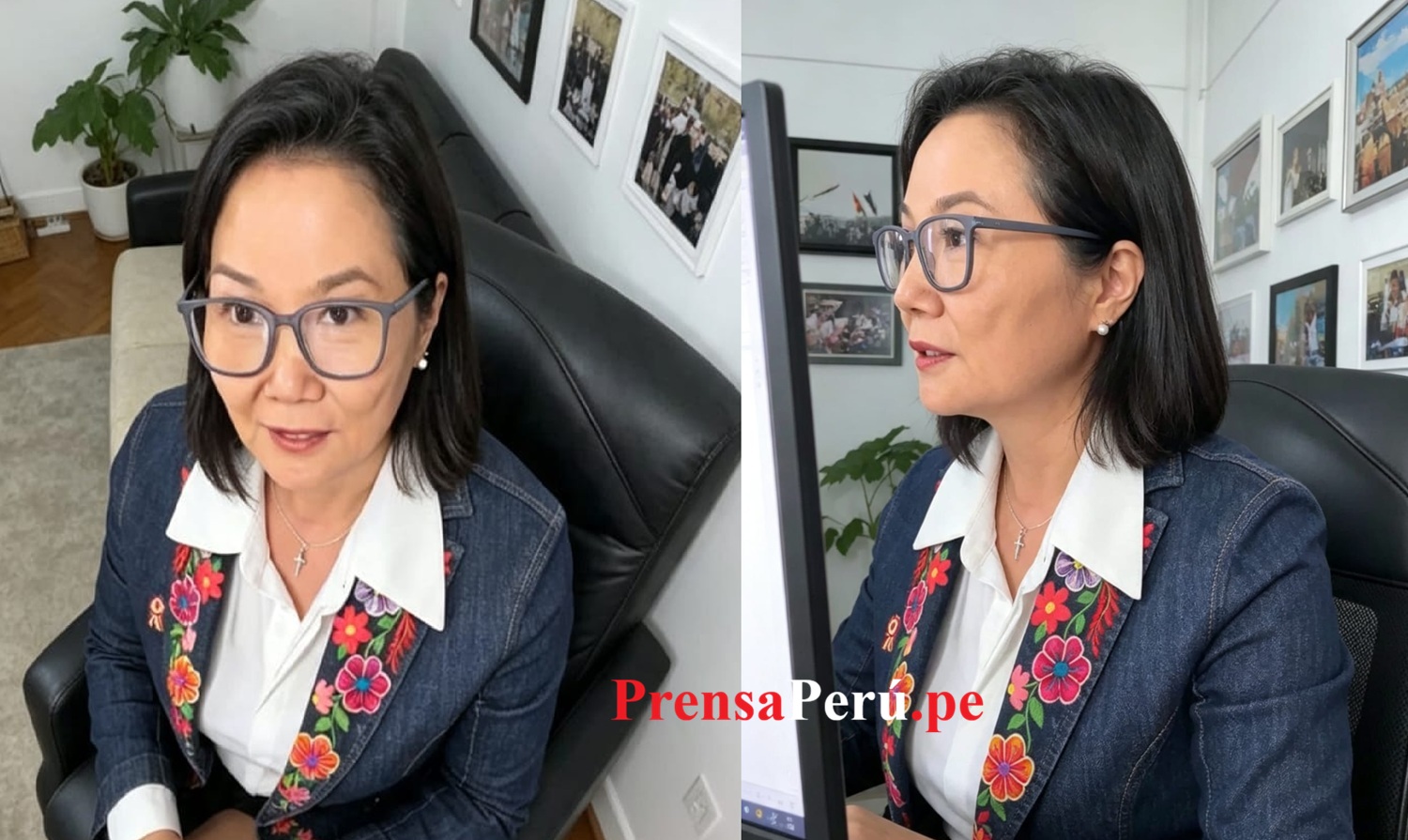
Agencia Peruana de Noticias PRENSAPERU.PE https://www.prensaperu.pe Twitter: @prensaperupe La presidenta electa de la República, Keiko Fujimori Higuchi, ofreció un amplio balance y detalle de sus planes en una transmisión en vivo, donde confirmó que su primera visita oficial, apenas asuma el mando el próximo 28 de julio, será hacia la región Junín, zona duramente golpeada por el sismo de magnitud 5.1 que aún registra réplicas y afectaciones a la población.
Esta decisión forma parte de una estrategia de cercanía y continuidad. Fujimori explicó que su equipo de transición ya coordina con el gobierno actual para inventariar maquinaria y recursos necesarios. Reconoció el trabajo del primer ministro en la zona y aseguró que su gestión no interrumpirá los esfuerzos, sino que los continuará y fortalecerá para aliviar el dolor de los damnificados. Este compromiso se suma a su reciente visita a Manzanilla, donde acompañó a las familias víctimas del incendio de la familia Vilches.
ESTABILIDAD Y ESTRUCTURA DE TRANSICIÓN
Para dar orden a este proceso, anunció la creación de la Oficina de la Presidenta Electa, un espacio formalizado para recibir delegaciones, embajadores y propuestas. Aclaró categóricamente que esta oficina no genera gasto alguno para el Estado, ya que utiliza la infraestructura del partido político. Además, informó que el equipo de transferencia —conformado por casi 60 personas bajo el liderazgo de Marco Vinelli— está recopilando información crítica sobre la situación del país, la cual será revelada progresivamente a la opinión pública a partir de los primeros días de gobierno.
PILARES ECONÓMICOS Y AGENDA INMEDIATA
Una de las noticias más relevantes fue la confirmación de la continuidad en la conducción económica: Julio Velarde aceptó mantenerse al frente del Banco Central de Reserva (BCR) por cinco años más. Para la mandataria, esto es vital para preservar la estabilidad de precios y proteger la economía familiar, recordando el pasado hiperinflacionario del Perú.
De cara a la seguridad y la acción inmediata, convocará a su primer Consejo de Ministros el 29 de julio, apenas un día después de su juramentación, para abordar la inseguridad ciudadana como prioridad nacional. También presentó el cronograma protocolar: reuniones bilaterales con jefes de Estado el día 28 —entre ellos el Rey de España—, juramentación en el Congreso y desfile militar en la Avenida Brasil.
PREVENCIÓN DE DESASTRES Y ACLARACIONES
Fujimori alertó sobre la urgencia de prepararse ante el Fenómeno El Niño, reconociendo que se llega tarde a la prevención. Su gobierno inventariará equipos y convocará al sector privado y organismos internacionales para atender los puntos críticos en costa y sierra.
Finalmente, desmintió rumores dañinos que circulan en redes: no eliminará feriados ni la Compensación por Tiempo de Servicios (CTS). Explicó que los feriados impulsan el turismo interno y calificó estas narrativas como falsedades que datan de años atrás. También confirmó su apoyo a la visita del Papa y su voluntad de promover el comercio y la industria nacional.
DATOS CONCEPTUALES
Transición presidencial: Periodo institucional donde el equipo electo evalúa el estado del país y planifica acciones, respetando el funcionamiento del gobierno saliente hasta el traspaso formal.
Fenómeno El Niño: Calentamiento anómalo del Pacífico que altera el clima, generando lluvias intensas en la costa y sequías/heladas en la sierra, requiriendo logística preventiva.
Política de continuidad: Estrategia de gobierno que busca dar seguimiento a obras y ayudas en curso para evitar vacíos de atención a la población vulnerable.
Estabilidad macroeconómica: Conjunto de condiciones —como control de inflación y confianza en el BCR— que protegen el poder adquisitivo y atraen inversiones.
DATO CONTEXTUALES
1.- Gobierno desde el terreno: La elección de Junín como primera parada marca un mandato centrado en la atención humanitaria y la presencia del Estado donde ocurren las crisis.
2.- Transición transparente y austera: La “Oficina de la Presidenta Electa” reafirma el compromiso con la austeridad y el diálogo, sin costos para el erario público.
3.- Seguridad y estabilidad, ejes inmediatos: La permanencia de Velarde en el BCR y la instalación del gabinete al día siguiente de la toma de mando muestran urgencia y solidez técnica.
4.- Preparación ante riesgos y combate a la desinformación: El plan para enfrentar El Niño y la aclaración de rumores demuestran responsabilidad ante el futuro y respeto por la verdad.
Fuente: Agencia Peruana de Noticias PRENSAPERU.PE https://www.prensaperu.pe Twitter: @prensaperupe
Translate
“Keiko Fujimori Confirms! Her First Visit as President Will Be to the Earthquake Zone in Junín, Economic Stability Guaranteed (BCR), and the First Session of the Council of Ministers Will Be Held on July 29”
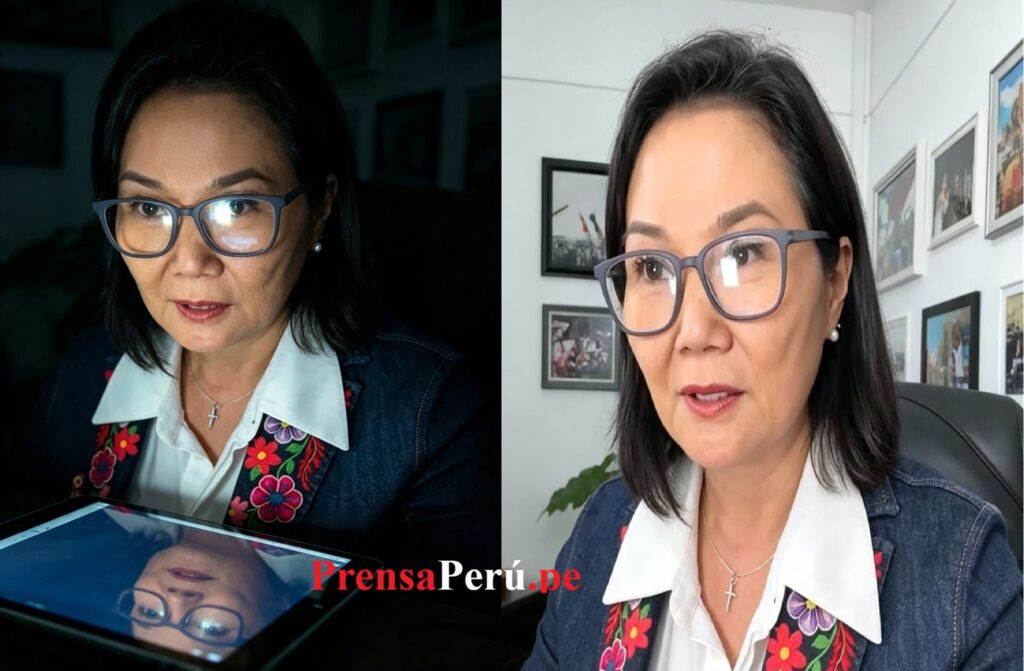
Peruvian News Agency PRENSAPERU.PE https://www.prensaperu.pe Twitter: @prensaperupe President-elect Keiko Sofía Fujimori Higuchi offered a broad overview and detailed account of her plans during a live broadcast, where she confirmed that her first official visit, immediately upon taking office next July 28, will be to the Junín region, an area severely hit by the magnitude‑5.1 earthquake which still registers aftershocks and ongoing impacts on the population.
This decision forms part of a strategy of closeness and continuity. Fujimori explained that her transition team is already coordinating with the current government to inventory machinery and necessary resources. She acknowledged the work carried out by the Prime Minister in the area and assured that her administration will not interrupt those efforts, but will instead continue and strengthen them to ease the suffering of those affected. This commitment adds to her recent visit to Manzanilla, where she stood with the families of the Vilches family fire tragedy victims.
STABILITY AND TRANSITION STRUCTURE
To bring order to this process, she announced the establishment of the Office of the President‑Elect, a formalized space to receive delegations, ambassadors and proposals. She categorically clarified that this office generates no expense whatsoever to the State, as it uses political party infrastructure. She also reported that the transfer team —comprising nearly 60 people under the leadership of Marco Vinelli— is compiling critical information on the country’s situation, which will be progressively revealed to the public starting from the first days of the administration.
ECONOMIC PILLARS AND IMMEDIATE AGENDA
One of the most relevant pieces of news was the confirmation of continuity in economic management: Julio Velarde has agreed to remain at the helm of the Central Reserve Bank (BCR) for five more years. For the President‑elect, this is vital to preserve price stability and protect family economies, recalling Peru’s past hyperinflation history.
Regarding security and immediate action, she will convene her first Council of Ministers on July 29, just one day after her inauguration, to address citizen insecurity as a national priority. She also presented the protocol schedule: bilateral meetings with heads of State on the 28th —including the King of Spain—, swearing‑in ceremony at Congress and military parade along Avenida Brasil.
DISASTER PREVENTION AND CLARIFICATIONS
Fujimori warned about the urgency of preparing for the El Niño Phenomenon, acknowledging that prevention efforts are starting late. Her administration will inventory equipment and call upon the private sector and international organizations to address critical points on both the coast and highlands.
Finally, she refuted harmful rumors circulating on social media: she will neither eliminate public holidays nor the Time‑off Compensation (CTS) benefits. She explained that holidays drive domestic tourism and described these narratives as falsehoods dating back years. She also confirmed her support for the Pope’s visit and her willingness to promote trade and national industry.
CONCEPTUAL DATA
Presidential transition: Institutional period during which the elected team evaluates the country’s condition and plans actions, respecting the outgoing government’s operation until the formal handover.
El Niño Phenomenon: Anomalous warming of the Pacific that alters climate patterns, generating intense rains on the coast and droughts/frosts in the highlands, requiring preventive logistics.
Continuity policy: Governance strategy that seeks to follow up ongoing works and aid to avoid gaps in assistance to vulnerable populations.
Macroeconomic stability: Set of conditions —such as inflation control and confidence in the BCR— that safeguard purchasing power and attract investment.
CONTEXTUAL DATA
1.- Governing from the ground: Choosing Junín as the first stop signals a mandate centered on humanitarian care and State presence where crises occur.
2.- Transparent and austere transition: The “Office of the President‑Elect” reaffirms the commitment to austerity and dialogue, at no cost to the public treasury.
3.- Security and stability as immediate axes: Velarde’s continuity at the BCR and the cabinet installation the day after taking office demonstrate urgency and technical solidity.
4.- Risk preparedness and combating disinformation: The plan to confront El Niño and the clarification of rumors demonstrate responsibility toward the future and respect for the truth.
Source: Peruvian News Agency PRENSAPERU.PE https://www.prensaperu.pe Twitter: @prensaperupe