
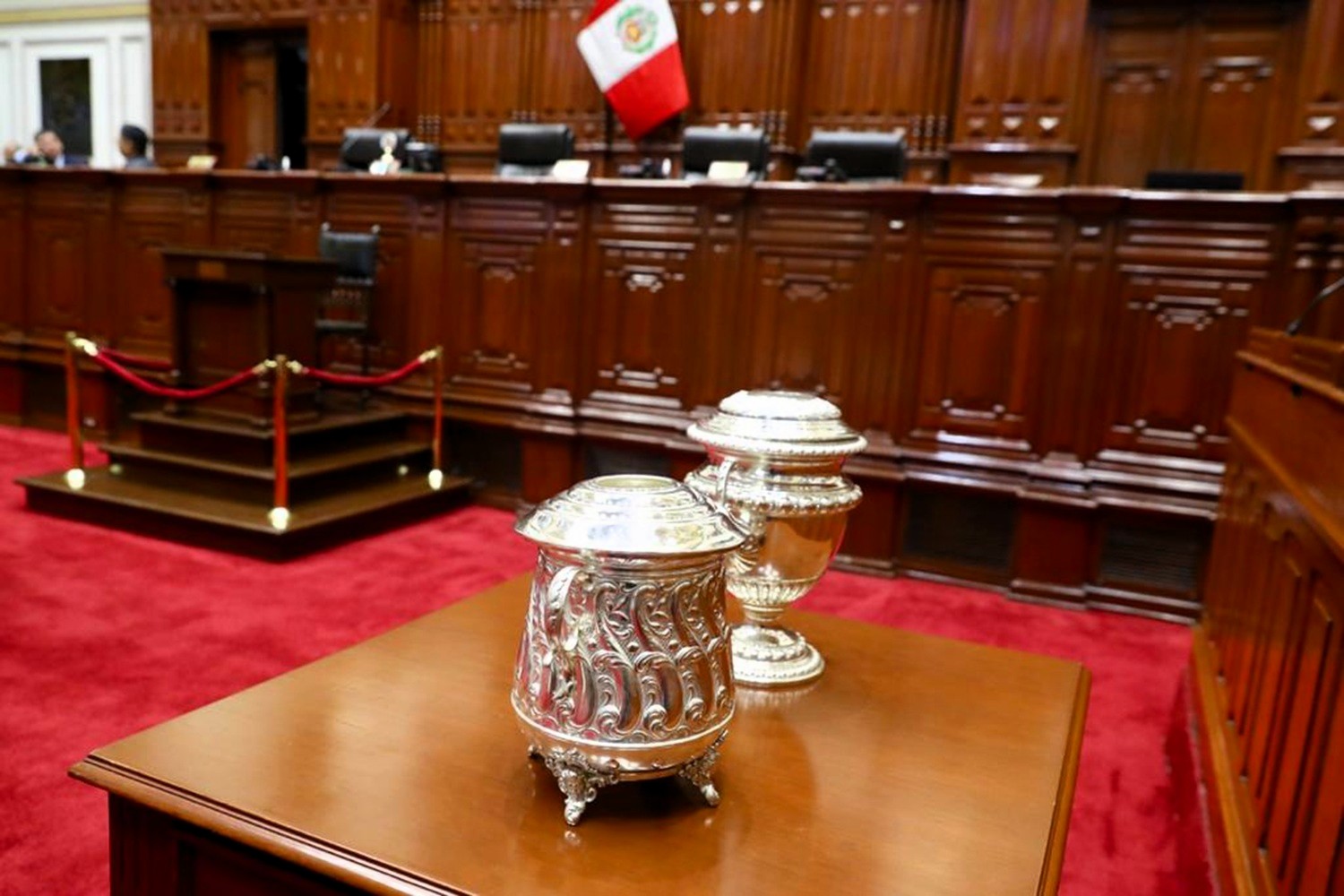
Agencia Peruana de Noticias PRENSAPERU.PE https://www.prensaperu.pe Twitter: @prensaperupe El Parlamento peruano se prepara para vivir una jornada histórica este domingo 26 de julio. En pocas horas, los legisladores elegirán a las nuevas Mesas Directivas del Senado y de la Cámara de Diputados, las cuales conducirán el Poder Legislativo durante el Periodo Anual de Sesiones 2026-2027. La contienda electoral presenta una disputa central entre dos grandes bloques políticos que han presentado sendas listas con visiones y propuestas distintas para la institucionalidad democrática.
LAS PROPUESTAS EN COMPETENCIA
1.- La Alianza “Consenso por la Democracia”: Conformada por cuatro bancadas (Partido del Buen Gobierno, Juntos por el Perú, Ahora Nación y Partido Cívico Obras), busca consolidar el equilibrio de poderes y fortalecer la institucionalidad.
Senado: Liderado por el senador Daniel Barragán Coloma (Obras), acompañado por Jaime Quito Sarmiento (JPP), Jaime Delgado Zegarra (Ahora Nación) y Nora Bonifaz Carmona (Buen Gobierno).
Diputados: Encabezada por el diputado Oscar Reto Otero (Partido del Buen Gobierno), junto a Analí Márquez Huanca, Harvey Colchado Huamán y José Yataco Torrealba.
2.- La Alianza del Oficialismo (“Lista multipartidaria”): Integrada por Fuerza Popular y Renovación Popular, pone el énfasis en el respeto a la constitucionalidad, la dignidad parlamentaria y el impulso al desarrollo nacional.
Senado: Presidida por el senador Miguel Torres Morales (Fuerza Popular), con Alejandro Muñante Barrios, Nilza Chacón Trujillo y Estanislao Mancha Pineda.
Diputados: Liderada por la diputada Norma Yarrow Lumbreras (Renovación Popular), integrada por Karina Beteta Rubín, Diego Bazán Calderón y Gilmer Trujillo Zegarra.
El proceso se desarrollará conforme al Reglamento del Congreso, mediante voto secreto y escrutinio público, buscando la mayoría absoluta para legitimar a las nuevas autoridades.
DATOS CONCEPTUALES
Mesa Directiva: Órgano de gobierno colegiado de cada cámara legislativa, compuesto por un presidente y tres vicepresidentes, encargado de dirigir los debates, administrar los recursos y garantizar el funcionamiento regular de la institución.
Mayoría Absoluta: Requisito electoral que exige obtener más de la mitad de los votos de los legisladores presentes en la sesión para ser proclamado ganador, garantizando un respaldo sólido y representativo.
Alianza Legislativa: Acuerdo estratégico entre distintos grupos parlamentarios para presentar una lista conjunta, sumando fuerzas y consensos para alcanzar la conducción del poder legislativo.
Periodo Anual de Sesiones: Lapso de tiempo establecido constitucionalmente durante el cual el Congreso ejerce sus funciones ordinarias, eligiendo al inicio de este ciclo a sus autoridades directivas.
CONCLUSIONES
DATOS SOBRE EL SENADO
1.- Bipolaridad democrática: La elección en la Cámara Alta enfrenta dos modelos de gestión política claramente definidos: el enfoque de “equilibrio y control” de la alianza opositora frente al énfasis en “institucionalidad y desarrollo” del bloque oficialista.
2.- Representación y consenso: Ambas listas integran legisladores de distintas regiones y grupos, reflejando la intención de sumar apoyos transversales para gobernar el Senado con estabilidad y legitimidad.
DATOS SOBRE LA CÁMARA DE DIPUTADOS
1.- Compromiso con la agenda nacional: La contienda en la Cámara Baja pone sobre la mesa la prioridad de temas urgentes como la seguridad ciudadana y la gestión de desastres, señalando que la nueva dirección debe responder a las necesidades inmediatas de la población.
2.- Institucionalidad sobre la polarización: El debate previo ha dejado claro que el objetivo central es mantener la dignidad y el respeto en el hemiciclo, evitando conflictos estériles para centrar el trabajo en la productividad legislativa.
Fuente: Agencia Peruana de Noticias PRENSAPERU.PE https://www.prensaperu.pe Twitter: @prensaperupe
Translate
Today: Senate and Deputies Hold Electoral Day: Dispute Over Balance and Power in the ‘Peruvian Parliament’, Get to Know the Candidates and the Key Aspects of the Process for the 2026-2027 Annual Period of Sessions
Peruvian News Agency PRENSAPERU.PE https://www.prensaperu.pe Twitter: @prensaperupe The Peruvian Parliament is preparing for a historic day this Sunday, July 26. In just a few hours, legislators will elect the new Boards of Directors of the Senate and the Chamber of Deputies, which will lead the Legislative Branch during the 2026-2027 Annual Period of Sessions. The electoral contest features a central dispute between two large political blocs that have presented separate slates with different visions and proposals for democratic institutionality.
PROPOSALS IN COMPETITION
1.- The “Consensus for Democracy” Alliance: Made up of four parliamentary groups (Good Government Party, Together for Peru, Now Nation, and Civic Works Party), it seeks to consolidate the balance of powers and strengthen institutionality.
Senate: Led by Senator Daniel Barragán Coloma (Works), accompanied by Jaime Quito Sarmiento (Together for Peru), Jaime Delgado Zegarra (Now Nation), and Nora Bonifaz Carmona (Good Government).
Deputies: Headed by Deputy Oscar Reto Otero (Good Government Party), along with Analí Márquez Huanca, Harvey Colchado Huamán, and José Yataco Torrealba.
2. The Officialism Alliance (“Multiparty Slate”): Integrated by Popular Force and Popular Renewal, it places emphasis on respect for constitutionality, parliamentary dignity, and the promotion of national development.
Senate: Presided over by Senator Miguel Torres Morales (Popular Force), with Alejandro Muñante Barrios, Nilza Chacón Trujillo, and Estanislao Mancha Pineda.
Deputies: Led by Deputy Norma Yarrow Lumbreras (Popular Renewal), integrated by Karina Beteta Rubín, Diego Bazán Calderón, and Gilmer Trujillo Zegarra.
The process will be carried out in accordance with the Rules of Procedure of the Congress, through a secret vote and public tally, seeking an absolute majority to legitimize the new authorities.
CONCEPTUAL DATA
Board of Directors: Collegiate governing body of each legislative chamber, composed of a president and three vice presidents, responsible for guiding debates, managing resources, and guaranteeing the regular functioning of the institution.
Absolute Majority: Electoral requirement that demands obtaining more than half of the votes of the legislators present at the session to be proclaimed the winner, guaranteeing solid and representative support.
Legislative Alliance: Strategic agreement between different parliamentary groups to present a joint slate, combining forces and consensus to reach the leadership of the legislative branch.
Annual Period of Sessions: Period of time established constitutionally during which Congress exercises its ordinary functions, electing its directive authorities at the beginning of this cycle.
CONCLUSIONS
DATA ON THE SENATE
1.- Democratic Bipolarity: The election in the Upper House confronts two clearly defined political management models: the “balance and control” approach of the opposition alliance versus the emphasis on “institutionality and development” of the official bloc.
2.- Representation and Consensus: Both slates integrate legislators from different regions and groups, reflecting the intention to add cross-sectional support to govern the Senate with stability and legitimacy.
DATA ON THE CHAMBER OF DEPUTIES
1.- Commitment to the National Agenda: The contest in the Lower House places on the table the priority of urgent issues such as citizen security and disaster management, indicating that the new leadership must respond to the immediate needs of the population.
2.- Institutionality over Polarization: The previous debate has made it clear that the central objective is to maintain dignity and respect in the chamber, avoiding sterile conflicts to focus the work on legislative productivity.
Source: Peruvian News Agency PRENSAPERU.PE https://www.prensaperu.pe Twitter: @prensaperupe