
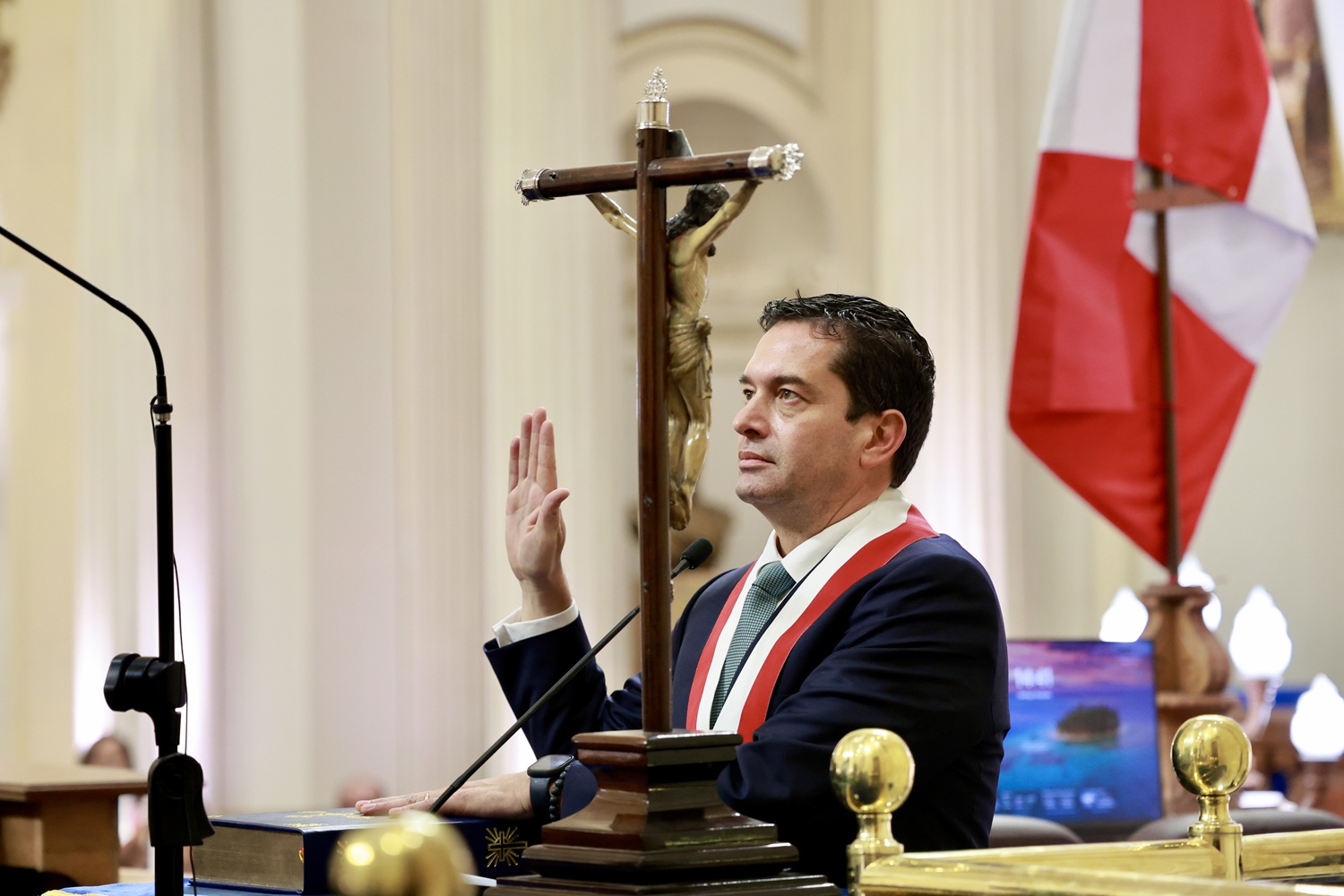
Agencia Peruana de Noticias PRENSAPERU.PE https://www.prensaperu.pe Twitter: @prensaperupe El domingo 26 de julio quedó registrado como un día histórico para el Parlamento peruano. Tras un proceso electoral intenso y dos rondas de votación, la Lista N° 1 resultó ganadora con 30 votos a favor, siendo proclamada como la nueva Mesa Directiva del Senado para el Periodo Anual de Sesiones 2026-2027, bajo la presidencia del senador Miguel Torres Morales (Fuerza Popular).
CONFORMACIÓN DE LA NUEVA MESA DIRECTIVA
La fórmula triunfante, respaldada por la alianza entre Fuerza Popular y Renovación Popular, quedó integrada de la siguiente manera:
Presidente: Miguel Ángel Torres Morales (Fuerza Popular)
Primer Vicepresidente: Alejandro Muñante Barrios (Renovación Popular)
Segunda Vicepresidenta: Nilza Chacón Trujillo (Fuerza Popular)
Tercer Vicepresidente: Estanislao Mancha Pineda (Renovación Popular)
DATOS CONCEPTUALES
Mayoría Absoluta: Umbral reglamentario exigido en primera vuelta, que requiere obtener más de la mitad de los votos de los asistentes. Al no alcanzarse, se procede a una segunda instancia.
Votación por Mayoría Simple: Mecanismo aplicado en segunda vuelta, donde basta con obtener el mayor número de votos válidos emitidos para resultar ganador.
Junta Preparatoria: Órgano temporal encargado de conducir la instalación de la nueva legislatura y el proceso eleccionario de las autoridades de cada cámara.
Escrutinio: Acto público y transparente de recuento y verificación de los sufragios, supervisado por representantes de las distintas bancadas para garantizar legalidad.
DESARROLLO DEL PROCESO ELECTORAL
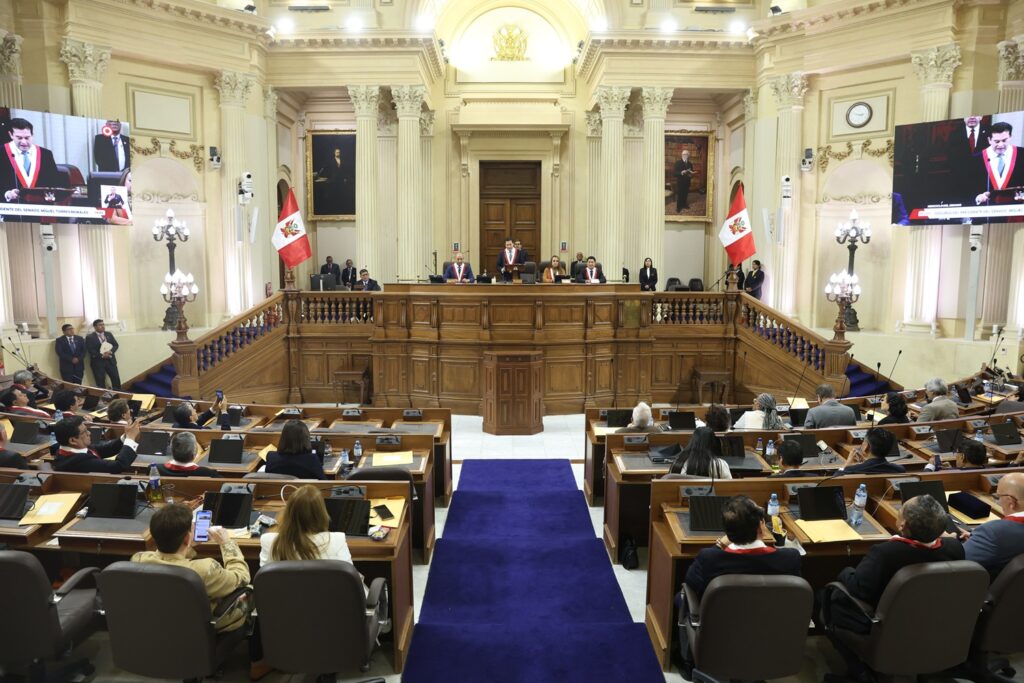
El mediodía marcó el inicio de la jornada con la presencia de 60 senadores. La sesión, presidida por el titular de la Junta Preparatoria, Fernando Rospigliosi, contó con la designación de dos senadoras escrutadoras: Patricia Juárez Gallego (Fuerza Popular) y Agripina Flores Córdoba (Obras).
En la primera votación, el resultado fue extremadamente ajustado: Lista N° 1 (30 votos) vs. Lista N° 2 (29 votos). Sin embargo, tras una impugnación presentada por la senadora Juárez sobre una cédula en observación, se determinó que ninguna de las fórmulas alcanzó la mayoría absoluta requerida por el Reglamento.
Tras un breve receso, se reanudó la sesión a las 1:44 p. m. para la segunda vuelta. Bajo la regla de la mayoría simple, los senadores sufragaron nuevamente y el resultado final confirmó el triunfo de la Lista N.° 1 con 30 sufragios, imponiéndose sobre su contrincante.
CEREMONIA DE JURAMENTACIÓN
Inmediatamente después de su proclamación, se llevó a cabo el emotivo acto de juramentación:
Miguel Torres Morales: Juró con firmeza asumir el compromiso de conducir la Cámara Alta.
Alejandro Muñante: Invocó a Dios, la patria y su familia como sustento de su gestión.
Nilza Chacón: Comprometió su labor en nombre del país, su familia y la fe religiosa.
Estanislao Mancha: Realizó un juramento emotivo, incluyendo a su tierra natal, Puno, y su distrito de San Antón, honrando el legado de su padre.
Con este acto solemne, el Senado quedó oficialmente instalado para el periodo legislativo 2026-2027.
CONCLUSIONES
1.- Legalidad sobre la inmediatez: El proceso demostró rigurosidad institucional; al no alcanzarse la mayoría absoluta en primera instancia, se respetó estrictamente el reglamento para proceder a una segunda vuelta transparente y válida.
2.- Estabilidad en la conducción: La victoria de la alianza representada por la Lista N° 1 otorga una dirección clara y definida a la Cámara Alta, permitiendo iniciar la agenda legislativa sin dilaciones.
3.- Dignidad y compromiso: La ceremonia de juramentación reflejó el respeto por los valores republicanos y el vínculo de los legisladores con sus orígenes y principios, renovando el compromiso con el servicio público.
4.- Inicio de nueva etapa bicameral: Esta elección marca el funcionamiento pleno y operativo del Senado, consolidando el sistema bicameral y dotando al país de una estructura legislativa completa para la deliberación y creación de leyes.
DATO
En la primera votación, una cédula fue impugnada y quedó en observación, sin alcanzar claridad para ninguna fórmula. Ya en la segunda vuelta, el incidente se definió definitivamente: un sufragio presentó marcas simultáneas en los recuadros 1 y 2, lo que determinó su nulidad conforme a las reglas electorales. Este hecho fue decisivo: al no computarse a favor de la Lista N.º 2, se consolidó el resultado final de 30 votos, otorgando el triunfo por estrecho margen a la fórmula liderada por Miguel Torres Morales.
Fuente: Agencia Peruana de Noticias PRENSAPERU.PE https://www.prensaperu.pe Twitter: @prensaperupe
Translate
After Two Votes! “Miguel Torres Morales (Popular Force) Assumes the Presidency of the Senate with 30 Decisive Votes, the Day Respected Regulations at All Times Defining Its Course in a Historic Event”
Peruvian News Agency PRENSAPERU.PE https://www.prensaperu.pe Twitter: @prensaperupe Sunday, July 26, was recorded as a historic day for the Peruvian Parliament. After an intense electoral process and two rounds of voting, List No. 1 emerged victorious with 30 votes in favor, and was proclaimed as the new Board of Directors of the Senate for the 2026-2027 Annual Period of Sessions, under the presidency of Senator Miguel Torres Morales (Popular Force).
COMPOSITION OF THE NEW BOARD OF DIRECTORS
The winning formula, backed by the alliance between Popular Force and Popular Renewal, is integrated as follows:
President: Miguel Ángel Torres Morales (Popular Force)
First Vice President: Alejandro Muñante Barrios (Popular Renewal)
Second Vice President: Nilza Chacón Trujillo (Popular Force)
Third Vice President: Estanislao Mancha Pineda (Popular Renewal)
CONCEPTUAL DATA
Absolute Majority: Regulatory threshold required in the first round, which requires obtaining more than half of the votes of those present. If not achieved, a second stage is carried out.
Simple Majority Voting: Mechanism applied in the second round, where it is sufficient to obtain the highest number of valid votes cast to be declared the winner.
Preparatory Board: Temporary body responsible for conducting the installation of the new legislature and the electoral process for the authorities of each chamber.
Vote Counting: Public and transparent act of recounting and verifying the votes, supervised by representatives of the different parliamentary groups to guarantee legality.
DEVELOPMENT OF THE ELECTORAL PROCESS
Midday marked the beginning of the session with the presence of 60 senators. The session, chaired by the head of the Preparatory Board, Fernando Rospigliosi, included the appointment of two scrutineer senators: Patricia Juárez Gallego (Popular Force) and Agripina Flores Córdoba (Works).
In the first vote, the result was extremely tight: List No. 1 (30 votes) vs. List No. 2 (29 votes). However, following an objection filed by Senator Juárez regarding a ballot under observation, it was determined that neither formula reached the absolute majority required by the Regulations.
After a brief recess, the session resumed at 1:44 p.m. for the second round. Under the simple majority rule, the senators voted again and the final result confirmed the victory of List No. 1 with 30 votes, prevailing over its opponent.
SWEARING-IN CEREMONY
Immediately after their proclamation, the emotional swearing-in ceremony took place:
Miguel Torres Morales: Swore firmly to assume the commitment to lead the Upper House.
Alejandro Muñante: Invoked God, the fatherland, and his family as the foundation of his term.
Nilza Chacón: Committed her work in the name of the country, her family, and religious faith.
Estanislao Mancha: Took an emotional oath, including his native land, Puno, and his district of San Antón, honoring the legacy of his father.
With this solemn act, the Senate was officially installed for the 2026-2027 legislative period.
CONCLUSIONS
1.- Legality over immediacy: The process demonstrated institutional rigor; upon failing to reach an absolute majority in the first instance, the regulations were strictly respected to proceed with a transparent and valid second round.
2.- Stability in leadership: The victory of the alliance represented by List No. 1 provides a clear and defined direction to the Upper House, allowing the legislative agenda to begin without delays.
3.- Dignity and commitment: The swearing-in ceremony reflected respect for republican values and the link between legislators and their origins and principles, renewing the commitment to public service.
4.- Beginning of a new bicameral stage: This election marks the full and operational functioning of the Senate, consolidating the bicameral system and providing the country with a complete legislative structure for deliberation and law creation.
FACT
In the first vote, one ballot was challenged and remained under observation, failing to achieve clarity for either formula. In the second round, the incident was definitively resolved: one vote showed simultaneous marks in boxes 1 and 2, which determined its nullity in accordance with electoral rules. This fact was decisive: by not being counted in favor of List No. 2, the final result of 30 votes was consolidated, granting victory by a narrow margin to the formula led by Miguel Torres Morales.
Source: Peruvian News Agency PRENSAPERU.PE https://www.prensaperu.pe Twitter: @prensaperupe