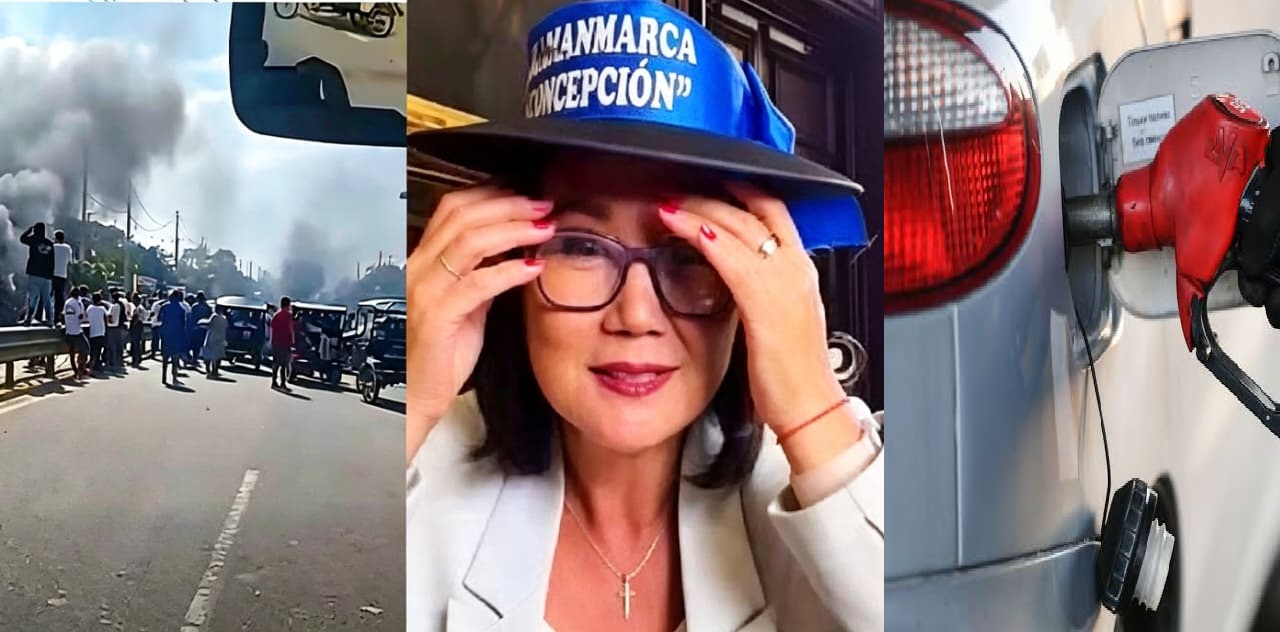
Agencia Peruana de Noticias PRENSAPERU.PE https://www.prensaperu.pe Twitter: @prensaperupe Transportistas de Ucayali cumplen su segundo día de paro indefinido. El diésel llega a costar S/ 22 por galón y la gasolina hasta S/ 20. En solo 16 días, los precios han subido entre 5 y 7 soles, los pasajes se han duplicado y la carretera Federico Basadre permanece bloqueada, cortando el abastecimiento hacia Pucallpa y toda la zona oriental.
Ante esta crisis, es indispensable que todo ciudadano entienda: ¿Por qué suben los precios? ¿Existe un mecanismo del Estado para evitarlo? ¿Y por qué no está funcionando?
¿Qué es el Fondo de Estabilización de Precios de Combustibles (FEPC)?
Es un mecanismo creado en 2004 para evitar que las alzas bruscas del petróleo en el mundo se trasladen de golpe a los bolsillos de los peruanos. Funciona como un colchón financiero:
1.- Cuando el precio internacional sube, el Fondo compensa una parte del aumento para que el precio final no sea tan alto. Podría reducir hasta S/ 1 o más por galón el impacto real.
2.- Cuando el precio baja, se recupera lo gastado para volver a tener recursos.
3.- No es un regalo ni un subsidio permanente: es un equilibrio para que no haya cambios bruscos .
¿Quiénes deben beneficiarse?
1.- Los transportistas, los hogares, los comerciantes y toda la población que depende del combustible.
2.- En teoría, el Estado debe usarlo para evitar que el golpe sea tan fuerte cuando los precios suben en el exterior.
¿Por qué entonces los precios siguen subiendo tanto?
El Fondo tiene recursos limitados. Cuando el aumento es muy grande y sostenido, se agota y ya no puede compensar.
No siempre se aplica de forma uniforme en todo el país: en regiones alejadas como Ucayali, los costos adicionales de transporte suman más y el Fondo no alcanza a cubrir toda la diferencia.
Muchas veces se usa la excusa del precio internacional para subir más de lo justo, aprovechando que el control es débil. El Fondo no puede evitar la especulación interna.
Si el gobierno no activa el Fondo a tiempo o no lo refuerza con recursos adicionales, el pueblo termina pagando todo el aumento completo.
¿Qué debería hacer el Estado?
1.- Activar el Fondo de Estabilización de inmediato para compensar parte del alza.
2.- Reducir temporalmente los impuestos al combustible.
3.- Vigilar que los grifos y distribuidores no cobren precios exagerados aprovechando la situación.
4.- Explicar con transparencia cuánto cuesta realmente, cuánto cubre el Fondo y cuánto es ganancia de otros.
El contraste que el país no pasa por alto
Mientras en Ucayali los transportistas no pueden seguir trabajando y las familias no pueden pagar los pasajes, la ciudadanía observa con preocupación que la máxima autoridad del país parece dedicar tiempo a grabar videos en redes sociales mostrando regalos recibidos en sus visitas, en lugar de estar al frente de esta crisis.
La exigencia de los transportistas ha crecido no solo piden precio justo de combustible, sino también atención a salud, educación y salarios. Exigen que el Ejecutivo instale una mesa de diálogo urgente.
Conclusiones
1.- Existe un mecanismo llamado Fondo de Estabilización que debería suavizar las alzas, pero o no se está aplicando con fuerza o sus recursos no alcanzan para proteger a regiones alejadas como Ucayali.
2.- El aumento de 5 a 7 soles en 16 días es excesivo: no se explica solo por el mercado internacional, sino que hay margen de abuso y falta de vigilancia del Estado.
3.- El gobierno tiene herramientas para actuar: activar el Fondo, reducir impuestos y sancionar la especulación. No hacerlo es una decisión política.
4.- Los transportistas no son el problema: son quienes mantienen conectado al país, y hoy están siendo asfixiados por costos que no pueden asumir.
5.- La ciudadanía exige que la autoridad se dedique a resolver crisis reales como esta, y no a temas de imagen o difusión personal.
Fuente: Agencia Peruana de Noticias PRENSAPERU.PE https://www.prensaperu.pe Twitter: @prensaperupe

Translate
Ucayali Paralyzed by Transport Workers! While some raise prices, those who should be governing spend their time recording trivial videos. What is happening with the Fuel Price Stabilization Fund (FEPC)?
Peruvian News Agency PRENSAPERU.PE https://www.prensaperu.pe Twitter: @prensaperupe Transport workers in Ucayali are on the second day of an indefinite strike. Diesel now costs up to S/ 22 per gallon and gasoline up to S/ 20. In just 16 days, prices have risen between 5 and 7 soles, fares have doubled, and the Federico Basadre highway remains blocked, cutting off supplies to Pucallpa and the entire eastern region.
Faced with this crisis, it is essential that every citizen understands: Why are prices rising? Does a State mechanism exist to prevent this? And why is it not working?
What is the Fuel Price Stabilization Fund (FEPC)?
It is a mechanism created in 2004 to prevent sharp increases in world oil prices from being passed on directly to Peruvians. It functions as a financial buffer:
1. When international prices rise, the Fund offsets part of the increase so that the final price is not so high. It could reduce the real impact by up to S/ 1 or more per gallon.
2. When prices fall, funds are replenished to restore available resources.
3. It is not a gift or a permanent subsidy: it is designed to maintain balance and avoid sudden price swings.
Who should benefit?
1. Transport workers, households, business owners, and all people who depend on fuel.
2. In theory, the State must use it to cushion the blow when international prices rise.
Why then are prices still rising so sharply?
The Fund has limited resources. When the increase is large and sustained, funds are exhausted and can no longer provide compensation.
It is not always applied uniformly across the country: in remote regions such as Ucayali, additional transportation costs add up, and the Fund does not cover the full difference.
The international price increase is often used as an excuse to raise prices beyond what is fair, taking advantage of weak oversight. The Fund cannot prevent internal price speculation.
If the government fails to activate the Fund on time or reinforce it with additional resources, the population ends up paying the full increase.
What should the State do?
1. Immediately activate the Stabilization Fund to offset part of the price increase.
2. Temporarily reduce taxes on fuel.
3. Ensure service stations and distributors do not charge excessive prices taking advantage of the situation.
4. Transparently explain the real cost, how much the Fund covers, and how much corresponds to profit margins.
A contrast the country cannot ignore
While transport workers in Ucayali can no longer work and families cannot afford fares, citizens observe with concern that the country’s highest authority appears to spend time recording social media videos showing gifts received during visits, instead of leading the response to this crisis.
Transport workers’ demands have grown: they are not only asking for fair fuel prices, but also attention to health, education, and wages. They demand that the Executive Branch establish an urgent dialogue table.
Conclusions
1. A mechanism called the Stabilization Fund exists and should soften price hikes, yet it is either not being applied vigorously or its resources are insufficient to protect remote regions such as Ucayali.
2. The increase of 5 to 7 soles in 16 days is excessive: it cannot be explained solely by international markets, and points instead to abuse and insufficient State oversight.
3. The government has tools to act: activate the Fund, reduce taxes, and punish speculation. Failing to do so is a political decision.
4. Transport workers are not the problem: they keep the country connected, and today they are being suffocated by costs they cannot afford.
5. Citizens demand that authorities focus on solving real crises such as this one, rather than on image-building or personal publicity.
Source: Peruvian News Agency PRENSAPERU.PE https://www.prensaperu.pe Twitter: @prensaperupe