
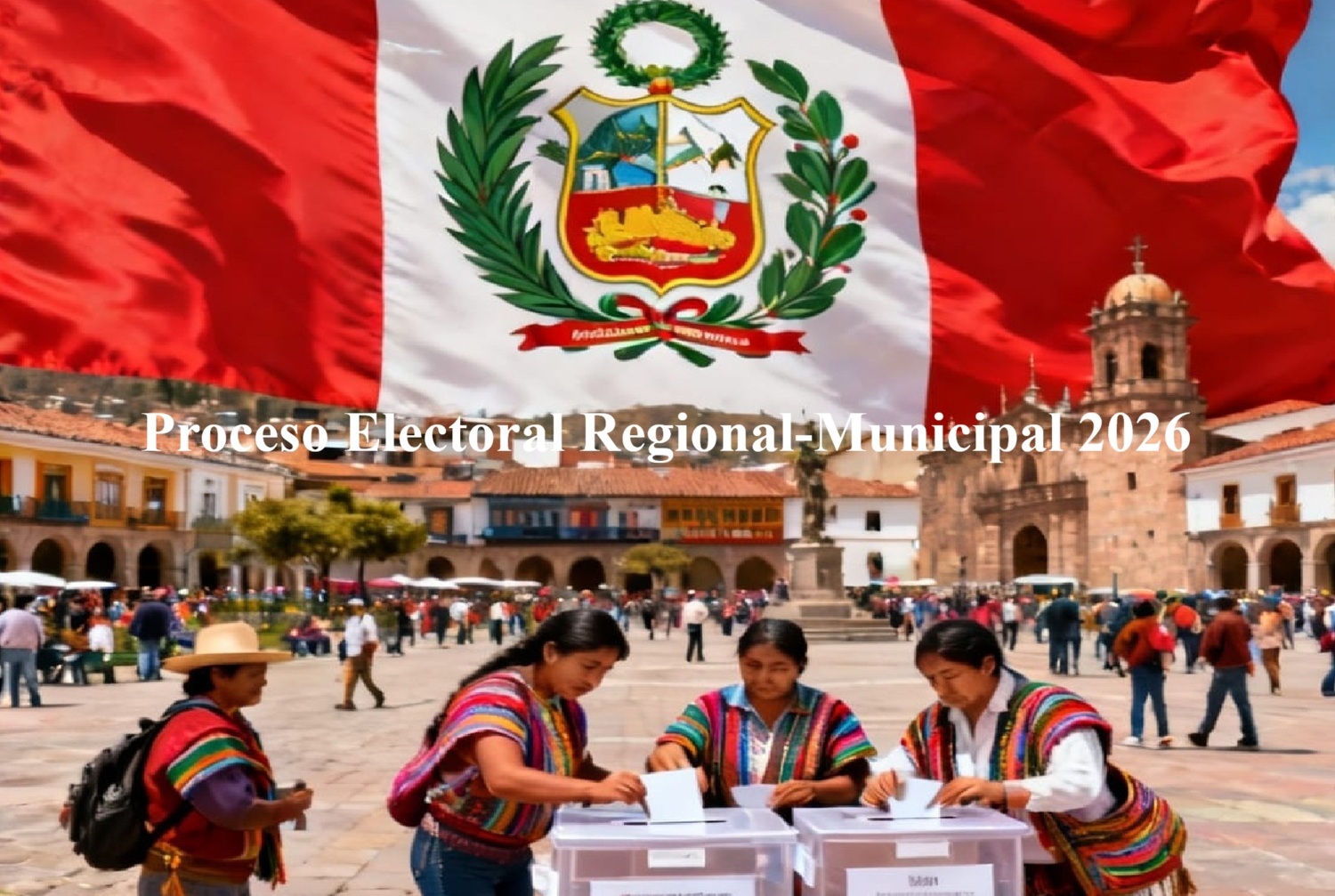
Agencia Peruana de Noticias PRENSAPERU.PE https://www.prensaperu.pe Twitter: @prensaperupe El Poder Ejecutivo peruano, mediante el Decreto Supremo N° 001-2026-PCM, convocó oficialmente a los ciudadanos a participar en las Elecciones Regionales y Municipales que se celebrarán el domingo 4 de octubre de 2026. El documento normativo fue publicado el día de hoy en el boletín de Normas Legales del Diario Oficial El Peruano, órgano de comunicación oficial del Estado peruano que garantiza la publicidad y validez de todas las disposiciones legales del país.
ELECCIONES REGIONALES: CARGOS EN DISCUSIÓN
En el ámbito regional, se procederá a la elección de gobernadores, vicegobernadores y consejeros regionales para cada uno de los 25 departamentos de la república, así como para la Provincia Constitucional del Callao —que, aunque no es un departamento, cuenta con autonomía administrativa y su gobierno regional funciona con la misma estructura que las entidades departamentales.
Los gobernadores tienen la responsabilidad de dirigir la gestión pública en sus territorios, ejecutar políticas de desarrollo económico, social, ambiental e infraestructura, además de administrar los recursos presupuestarios asignados al gobierno regional. Los vicegobernadores apoyan la labor del gobernador y asumen su función en caso de ausencia, incapacidad o renuncia. Por su parte, los consejeros regionales conforman el órgano deliberativo de la entidad, encargado de aprobar presupuestos, normas y planes de desarrollo regional.
ELECCIONES MUNICIPALES: AUTORIDADES LOCALES
En lo referente a los comicios municipales, se elegirán alcaldes y regidores para los concejos provinciales y distritales de todo el territorio nacional. El Perú cuenta con 196 provincias y 1874 distritos, cada uno con su propia instancia de gobierno local.
Los alcaldes son los encargados de la administración directa de las municipalidades, velando por el bienestar de la población local a través de servicios como limpieza pública, alumbrado, mantenimiento de vías, gestión de mercados y atención a necesidades comunitarias específicas. Los regidores integran el concejo municipal, órgano que aprueba ordenanzas, presupuestos municipales y controla la gestión del alcalde y la administración municipal.
MARCO JURÍDICO QUE RIGE LAS ELECCIONES
El proceso electoral se rige por un conjunto normativo sólido que garantiza su transparencia y legalidad. En primer lugar, la Constitución Política del Perú establece los principios fundamentales del sistema democrático, el derecho al sufragio universal, igualitario y secreto, así como la estructura de las entidades subnacionales.
Complementariamente, la Ley N° 27683, Ley de Elecciones Regionales, regula específicamente todos los aspectos del proceso electoral para los cargos regionales, desde la inscripción de organizaciones políticas hasta la proclamación de los ganadores. Por su parte, la Ley N° 26864, Ley de Elecciones Municipales, establece las normas para la elección de autoridades locales, incluyendo requisitos para candidatos, procedimientos de campaña y mecanismos de impugnación.
INICIO DEL PROCESO ELECTORAL Y RESPONSABILIDADES INSTITUCIONALES
La presente convocatoria marca el inicio formal del proceso de las Elecciones Regionales y Municipales 2026. La organización, ejecución y fiscalización de los comicios corresponde al sistema electoral peruano, integrado por el Jurado Nacional de Elecciones (JNE), el Organismo Electoral Nacional (ONPE) y el Tribunal Constitucional.
El JNE es el máximo órgano del sistema electoral, encargado de resolver controversias electorales, velar por el cumplimiento de la ley y garantizar la imparcialidad del proceso. El ONPE se encarga de la organización técnica de las elecciones, como la preparación de padrones electorales, la distribución de materiales de votación y el conteo de sufragios. El Tribunal Constitucional, por su parte, resuelve cuestiones constitucionales relacionadas con el proceso electoral y proclama a los electos en cargos de elección popular.
FIRMAS DEL DECRETO SUPREMO
El Decreto Supremo N° 001-2026-PCM cuenta con la rúbrica del presidente de la República, José Jerí, quien como jefe del Poder Ejecutivo tiene la facultad constitucional de convocar a elecciones. Además, lleva la firma del jefe del Gabinete Ministerial, Ernesto Álvarez, quien representa al Consejo de Ministros y avala la validez de la disposición dentro del marco de la gestión gubernamental.
CONCLUSIONES
1.- Las elecciones representan un pilar fundamental de la democracia peruana, ya que permiten a los ciudadanos elegir a las autoridades que gestionarán los recursos públicos en niveles regional y local, directamente vinculados a las necesidades cotidianas de la población.
2.- El marco jurídico establecido garantiza la transparencia y legalidad del proceso, contando con normas específicas para cada tipo de elección y organismos electorales especializados que velan por su correcto desarrollo.
3.- La convocatoria oficial marca el inicio de un período de participación ciudadana, en el que se desarrollarán actividades como la inscripción de candidatos, campañas políticas y la actualización de padrones electorales, preparando el terreno para la jornada electoral del 4 de octubre.
4.- Las entidades subnacionales tienen roles diferenciados pero complementarios: los gobiernos regionales se centran en el desarrollo de ámbitos más amplios, mientras que las municipalidades atienden las necesidades locales, conformando una estructura de gobierno descentralizada que busca acercar la gestión pública a los ciudadanos.
Fuente: Agencia Peruana de Noticias PRENSAPERU.PE https://www.prensaperu.pe Twitter: @prensaperupe
English Translation
Regional-Municipal Electoral Process: “The National Elections Board (JNE), the National Office of Electoral Processes (ONPE), and the Constitutional Court will organize and oversee the process; the Executive Branch formalized it through Supreme Decree 001-2026-PCM.”
Peruvian News Agency PRENSAPERU.PE https://www.prensaperu.pe Twitter: @prensaperupe The Peruvian Executive Branch, through Supreme Decree No. 001-2026-PCM, officially called on citizens to participate in the Regional and Municipal Elections to be held on Sunday, October 4, 2026. The regulatory document was published today in the Legal Standards section of the Official Gazette El Peruano, the official communication organ of the Peruvian State, which guarantees the publicity and validity of all legal provisions in the country.
REGIONAL ELECTIONS: POSITIONS UNDER DISCUSSION
At the regional level, elections will be held for governors, vice-governors, and councilors. regional for each of the 25 departments of the republic, as well as for the Constitutional Province of Callao —which, although not a department, has administrative autonomy and its regional government functions with the same structure as the departmental entities.
Governors are responsible for directing public administration in their territories, implementing economic, social, environmental, and infrastructure development policies, and managing the budgetary resources allocated to the regional government. Vice-governors support the governor’s work and assume their role in case of absence, incapacity, or resignation. Regional councilors, for their part, form the deliberative body of the entity, responsible for approving budgets, regulations, and regional development plans.
MUNICIPAL ELECTIONS: LOCAL AUTHORITIES
Regarding municipal elections, mayors and council members will be elected for the provincial and district councils throughout the country. Peru has 196 provinces and 1,874 districts, each with its own local government.
Mayors are responsible for the direct administration of the municipalities, ensuring the well-being of the local population through services such as public cleaning, street lighting, road maintenance, market management, and addressing specific community needs. The councilors make up the municipal council, the body that approves ordinances, municipal budgets and controls the management of the mayor and the municipal administration.
LEGAL FRAMEWORK GOVERNING ELECTIONS
The electoral process is governed by a robust set of regulations that guarantees its transparency and legality. First, the Political Constitution of Peru establishes the fundamental principles of the democratic system, the right to universal, equal, and secret suffrage, as well as the structure of subnational entities.
Additionally, Law No. 27683, the Regional Elections Law, specifically regulates all aspects of the electoral process for regional offices, from the registration of political organizations to the proclamation of the winners. For its part, Law No. 26864, the Municipal Elections Law, establishes the rules for the election of local authorities, including requirements for candidates, campaign procedures, and mechanisms for challenging results.
START OF THE ELECTORAL PROCESS AND INSTITUTIONAL RESPONSIBILITIES
This announcement marks the formal start of the 2026 Regional and Municipal Elections process. The organization, execution, and oversight of the elections are the responsibility of the Peruvian electoral system, comprised of the National Elections Board (JNE), the National Electoral Office (ONPE), and the Constitutional Court.
The National Elections Board (JNE) is the highest body in the electoral system, responsible for resolving electoral disputes, ensuring compliance with the law, and guaranteeing the impartiality of the process. The National Office of Electoral Processes (ONPE) is in charge of the technical organization of the elections, such as preparing the electoral rolls, distributing voting materials, and counting votes. The Constitutional Court, for its part, resolves constitutional issues related to the electoral process and proclaims those elected to popularly elected offices.
SIGNATURES OF THE SUPREME DECREE
Supreme Decree No. 001-2026-PCM bears the signature of the President of the Republic, José Jerí, who, as head of the Executive Branch, has the constitutional power to call elections. It also bears the signature of the head of the Cabinet of Ministers, Ernesto Álvarez, who represents the Council of Ministers and endorses the validity of the de cree within the framework of government management.
CONCLUSIONS
1.- Elections represent a fundamental pillar of Peruvian democracy, as they allow citizens to elect the authorities who will manage public resources at the regional and local levels, directly linked to the daily needs of the population.
2.- The established legal framework guarantees the transparency and legality of the process, with specific regulations for each type of election and specialized electoral bodies that ensure its proper conduct.
3.- The official call for elections marks the beginning of a period of citizen participation, during which activities such as candidate registration, political campaigns, and the updating of voter rolls will take place, preparing the ground for election day on October 4.
4.- Subnational entities have distinct but complementary roles: regional governments focus on broader development areas, while municipalities address local needs, forming a decentralized government structure that seeks to bring public administration closer to citizens.
Source: Peruvian News Agency PRENSAPERU.PE https://www.prensaperu.pe Twitter: @prensaperupe