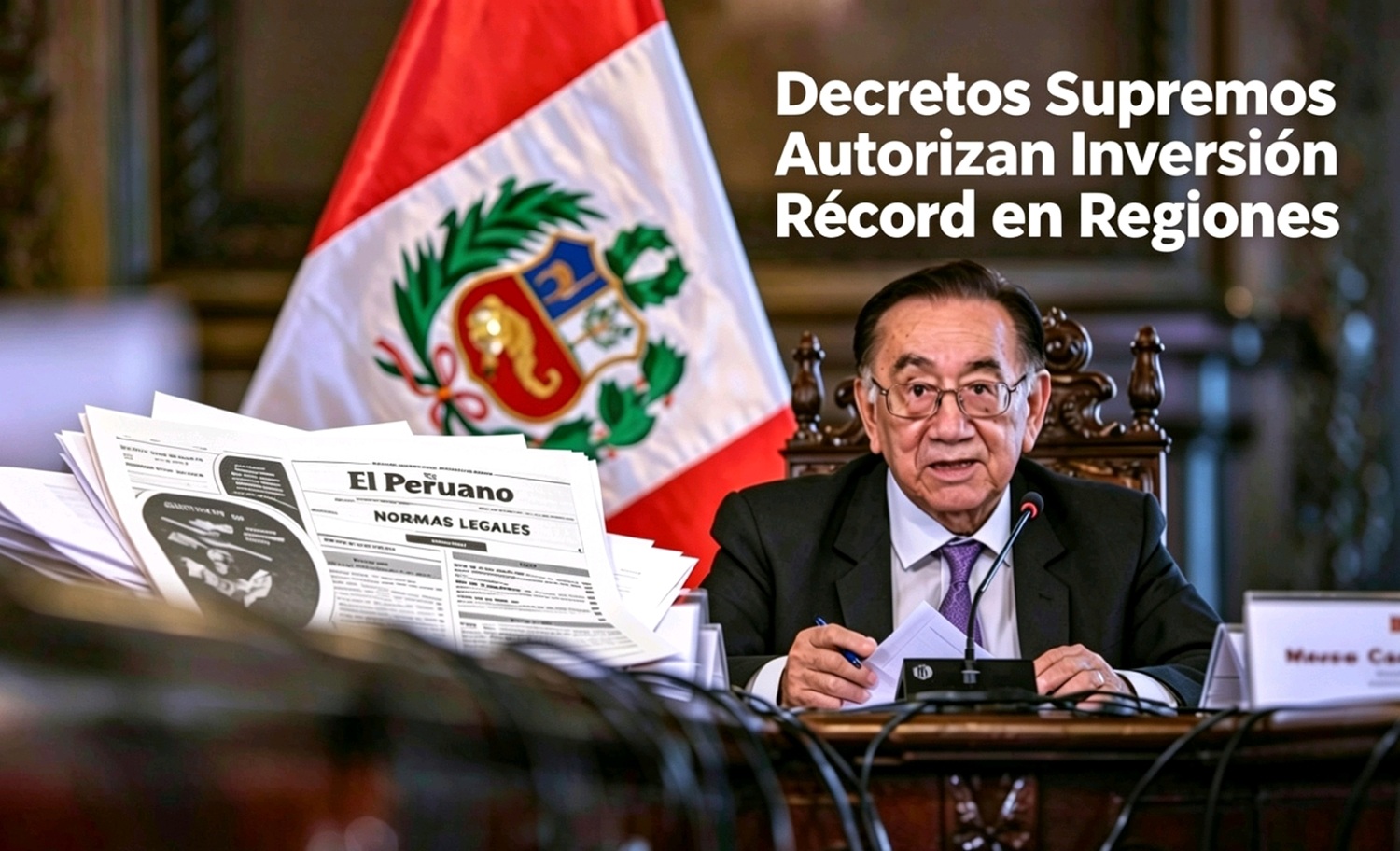
Agencia Peruana de Noticias PRENSAPERU.PE https://www.prensaperu.pe Twitter: @prensaperupe En un claro reflejo de su compromiso con el desarrollo descentralizado y el bienestar ciudadano, el Gobierno del presidente José María Balcázar ha autorizado una significativa transferencia presupuestaria que supera los 33 millones de soles. Estos fondos están destinados a potenciar la infraestructura de salud y transporte en dos regiones clave del país: Cusco y Lambayeque. Esta medida no solo busca mejorar la calidad de vida de los habitantes, sino también fortalecer la competitividad regional y consolidar rutas culturales de gran valor.
Salud en Cusco: Fortaleciendo el Bienestar en el Corazón del Imperio
Para la región de Cusco, cuna del legado inca, el gobierno ha dispuesto una transferencia de 17 millones 738 mil 991 soles. Estos recursos, provenientes de la Reserva de Contingencia del Ministerio de Economía y Finanzas (MEF), serán asignados al gobierno regional y a diversos gobiernos locales.
La Reserva de Contingencia es un fondo presupuestario que el Estado peruano mantiene para atender gastos no previstos, emergencias o, como en este caso, inversiones prioritarias que no estaban contempladas inicialmente en el presupuesto anual. Su utilización aquí subraya la urgencia y relevancia estratégica que el gobierno otorga a estos proyectos.
Con esta inyección financiera, se ejecutarán 14 inversiones cruciales en el sector salud. Un ejemplo destacado es el “mejoramiento y ampliación de los servicios del puesto de salud San Pedro”, ubicado en el distrito homónimo, en la provincia cusqueña de Canchis. Esta iniciativa es vital para garantizar un acceso equitativo a servicios médicos de calidad, reduciendo las brechas sanitarias y contribuyendo directamente a la salud pública de la población cusqueña, especialmente en zonas que requieren mayor atención. Mejorar la infraestructura de salud en estas áreas rurales es fundamental para la prevención de enfermedades, la atención primaria y la respuesta a emergencias.
Transporte y Cultura en Lambayeque: Impulsando Conectividad y Legado Histórico
En el caso de Lambayeque, conocida por su rica herencia Moche y Sicán, la transferencia asciende a 15 millones 759 mil 17 soles. Estos fondos serán destinados al gobierno regional para financiar la tercera etapa del proyecto de mantenimiento de la transitabilidad vehicular en Chiclayo.
El concepto de transitabilidad vehicular se refiere a la capacidad de las vías de comunicación (calles, avenidas, carreteras) para permitir el flujo seguro, eficiente y continuo de vehículos. El mantenimiento de esta transitabilidad es crucial para la conectividad urbana, la fluidez del tráfico, la reducción de accidentes y el dinamismo económico de la ciudad. Un sistema de transporte eficiente impacta directamente en el comercio, el turismo y la calidad de vida de sus habitantes.
Esta inversión se enmarca en una ley particular que reconoce a Chiclayo como la “cuna espiritual del papa León XIV” y declara de interés nacional la implementación de la ruta turística cultural “Caminos del papa León XIV”. Esta conexión histórica, si bien puede parecer inusual para algunos, hace referencia a una tradición o un evento de importancia local que ha sido elevado a un reconocimiento nacional. La financiación de este mantenimiento vial, por lo tanto, no solo atiende una necesidad de infraestructura, sino que también sirve a un propósito cultural y turístico más amplio, facilitando el acceso a puntos de interés asociados a esta ruta y atrayendo a visitantes. La creación de rutas turísticas culturales es una estrategia de desarrollo local que busca aprovechar el patrimonio inmaterial e histórico para generar ingresos y promover la identidad regional.
Transparencia y Ejecución Presupuestaria: Un Compromiso Inquebrantable
La aprobación de estas transferencias fue formalizada mediante los decretos supremos N° 078-2026-EF y N° 079-2026-EF. Estos decretos supremos son normas de carácter general emitidas por el Presidente de la República con la aprobación del Consejo de Ministros, y tienen fuerza de ley, regulando diversos aspectos de la administración pública. Su publicación en el boletín de Normas Legales del Diario Oficial El Peruano garantiza la transparencia y el carácter oficial de la medida.
Un aspecto crucial que subraya el compromiso del gobierno con la buena gestión de los recursos públicos es la estipulación clara de que “Las partidas no podrán ser destinadas, bajo responsabilidad, a fines distintos para los cuales son transferidos”. Esta cláusula establece una responsabilidad administrativa y legal explícita, asegurando que los fondos se utilicen exclusivamente para los proyectos de salud y transporte especificados, evitando desviaciones y garantizando la eficiencia en el gasto público. Esta medida busca prevenir la corrupción y asegurar que cada sol invertido cumpla su objetivo de beneficio social.
En suma, estas transferencias demuestran una gestión gubernamental que prioriza la descentralización, la inversión en infraestructura básica y el apoyo a iniciativas culturales, sentando bases sólidas para el progreso y bienestar de las regiones de Cusco y Lambayeque.
DATOS CON CONCEPTUALES
1.- Priorización del Desarrollo Descentralizado y el Bienestar Social: El gobierno del presidente Balcázar demuestra un enfoque estratégico en el desarrollo regional al transferir fondos significativos a Cusco y Lambayeque, lo que evidencia una priorización de la inversión en sectores clave como salud y transporte, fundamentales para mejorar directamente la calidad de vida de los ciudadanos fuera de la capital.
2.- Uso Estratégico de la Reserva de Contingencia: La utilización de la reserva de contingencia del MEF para estas inversiones subraya la agilidad y el compromiso del gobierno para atender necesidades urgentes y estratégicas no inicialmente presupuestadas, demostrando una gestión proactiva ante los desafíos de desarrollo en las regiones.
3.- Inversión Multifacética con Impacto Cultural y Económico: La transferencia a Lambayeque, específicamente para el mantenimiento vial en Chiclayo, no solo responde a una necesidad de infraestructura de transporte, sino que también está intrínsecamente ligada a la promoción de una ruta turística cultural (“Caminos del papa León XIV”), evidenciando una visión que integra el desarrollo económico con la valorización del patrimonio histórico y el fomento del turismo.
4.- Enfoque en la Transparencia y la Responsabilidad en el Gasto Público: La emisión de decretos supremos y la estipulación explícita de que los fondos no podrán ser desviados a otros fines destacan el compromiso del gobierno con la transparencia y la buena gobernanza. Esto asegura que la millonaria inversión se ejecute de manera eficiente y responsable, maximizando su impacto en las comunidades beneficiadas.
Fuente: Agencia Peruana de Noticias PRENSAPERU.PE https://www.prensaperu.pe Twitter: @prensaperupe
Translate
Supreme Decrees Authorize Record Investment in Regions: Balcázar Government disburses S/ 33 million to boost health and transport in Cusco and Lambayeque.
Peruvian News Agency PRENSAPERU.PE https://www.prensaperu.pe Twitter: @prensaperupe In a clear reflection of its commitment to decentralized development and citizen well-being, the Government of President José María Balcázar has authorized a significant budgetary transfer exceeding 33 million soles. These funds are destined to boost health and transportation infrastructure in two key regions of the country: Cusco and Lambayeque. This measure not only seeks to improve the quality of life of the inhabitants but also to strengthen regional competitiveness and consolidate cultural routes of great value.
Health in Cusco: Strengthening Well-being in the Heart of the Empire
For the Cusco region, cradle of the Inca legacy, the government has arranged a transfer of 17 million 738 thousand 991 soles. These resources, originating from the Contingency Reserve of the Ministry of Economy and Finance (MEF), will be allocated to the regional government and various local governments.
The Contingency Reserve is a budgetary fund that the Peruvian State maintains to cover unforeseen expenses, emergencies, or, as in this case, priority investments not initially contemplated in the annual budget. Its utilization here underscores the urgency and strategic relevance that the government grants to these projects.
With this financial injection, 14 crucial investments will be executed in the health sector. A prominent example is the “improvement and expansion of services at the San Pedro health post,” located in the district of the same name, in the Cusco province of Canchis. This initiative is vital to ensure equitable access to quality medical services, reducing health disparities and directly contributing to the public health of the Cusco population, especially in areas requiring greater attention. Improving health infrastructure in these rural areas is fundamental for disease prevention, primary care, and emergency response.
Transportation and Culture in Lambayeque: Boosting Connectivity and Historical Legacy
In the case of Lambayeque, known for its rich Moche and Sicán heritage, the transfer amounts to 15 million 759 thousand 17 soles. These funds will be allocated to the regional government to finance the third stage of the project for maintaining vehicular transitability in Chiclayo.
The concept of vehicular transitability refers to the capacity of communication routes (streets, avenues, highways) to allow the safe, efficient, and continuous flow of vehicles. The maintenance of this transitability is crucial for urban connectivity, traffic fluidity, accident reduction, and the economic dynamism of the city. An efficient transportation system directly impacts commerce, tourism, and the quality of life of its inhabitants.
This investment is framed within a particular law that recognizes Chiclayo as the “spiritual cradle of Pope Leo XIV” and declares of national interest the implementation of the cultural tourist route “Roads of Pope Leo XIV.” This historical connection, while it may seem unusual to some, refers to a tradition or an event of local importance that has been elevated to national recognition. The financing of this road maintenance, therefore, not only addresses an infrastructure need but also serves a broader cultural and tourist purpose, facilitating access to points of interest associated with this route and attracting visitors. The creation of cultural tourist routes is a local development strategy that seeks to leverage intangible and historical heritage to generate income and promote regional identity.
Transparency and Budgetary Execution: An Unwavering Commitment
The approval of these transfers was formalized through supreme decrees N° 078-2026-EF and N° 079-2026-EF. These supreme decrees are general norms issued by the President of the Republic with the approval of the Council of Ministers, and have the force of law, regulating various aspects of public administration. Their publication in the Legal Norms bulletin of the Official Gazette El Peruano guarantees the transparency and official nature of the measure.
A crucial aspect that underscores the government’s commitment to good public resource management is the clear stipulation that “The allocations may not be used, under penalty of liability, for purposes other than those for which they are transferred.” This clause establishes explicit administrative and legal responsibility, ensuring that the funds are used exclusively for the specified health and transportation projects, preventing deviations and guaranteeing efficiency in public spending. This measure seeks to prevent corruption and ensure that every sol invested achieves its social benefit objective.
In summary, these transfers demonstrate a governmental management that prioritizes decentralization, investment in basic infrastructure, and support for cultural initiatives, laying solid foundations for the progress and well-being of the Cusco and Lambayeque regions.
CONCEPTUAL DATA
1.- Prioritization of Decentralized Development and Social Well-being: President Balcázar’s government demonstrates a strategic approach to regional development by transferring significant funds to Cusco and Lambayeque, which evidences a prioritization of investment in key sectors such as health and transportation, fundamental to directly improving the quality of life of citizens outside the capital.
2.- Strategic Use of the Contingency Reserve: The use of the MEF’s contingency reserve for these investments underscores the government’s agility and commitment to address urgent and strategic needs not initially budgeted, demonstrating proactive management in the face of development challenges in the regions.
3.- Multifaceted Investment with Cultural and Economic Impact: The transfer to Lambayeque, specifically for road maintenance in Chiclayo, not only responds to a transportation infrastructure need but is also intrinsically linked to the promotion of a cultural tourist route (“Roads of Pope Leo XIV”), evidencing a vision that integrates economic development with the valorization of historical heritage and the promotion of tourism.
4.- Focus on Transparency and Responsibility in Public Spending: The issuance of supreme decrees and the explicit stipulation that funds cannot be diverted to other purposes highlight the government’s commitment to transparency and good governance. This ensures that the multimillion-sol investment is executed efficiently and responsibly, maximizing its impact on the beneficiary communities.
Source: Peruvian News Agency PRENSAPERU.PE https://www.prensaperu.pe Twitter: @prensaperupe