
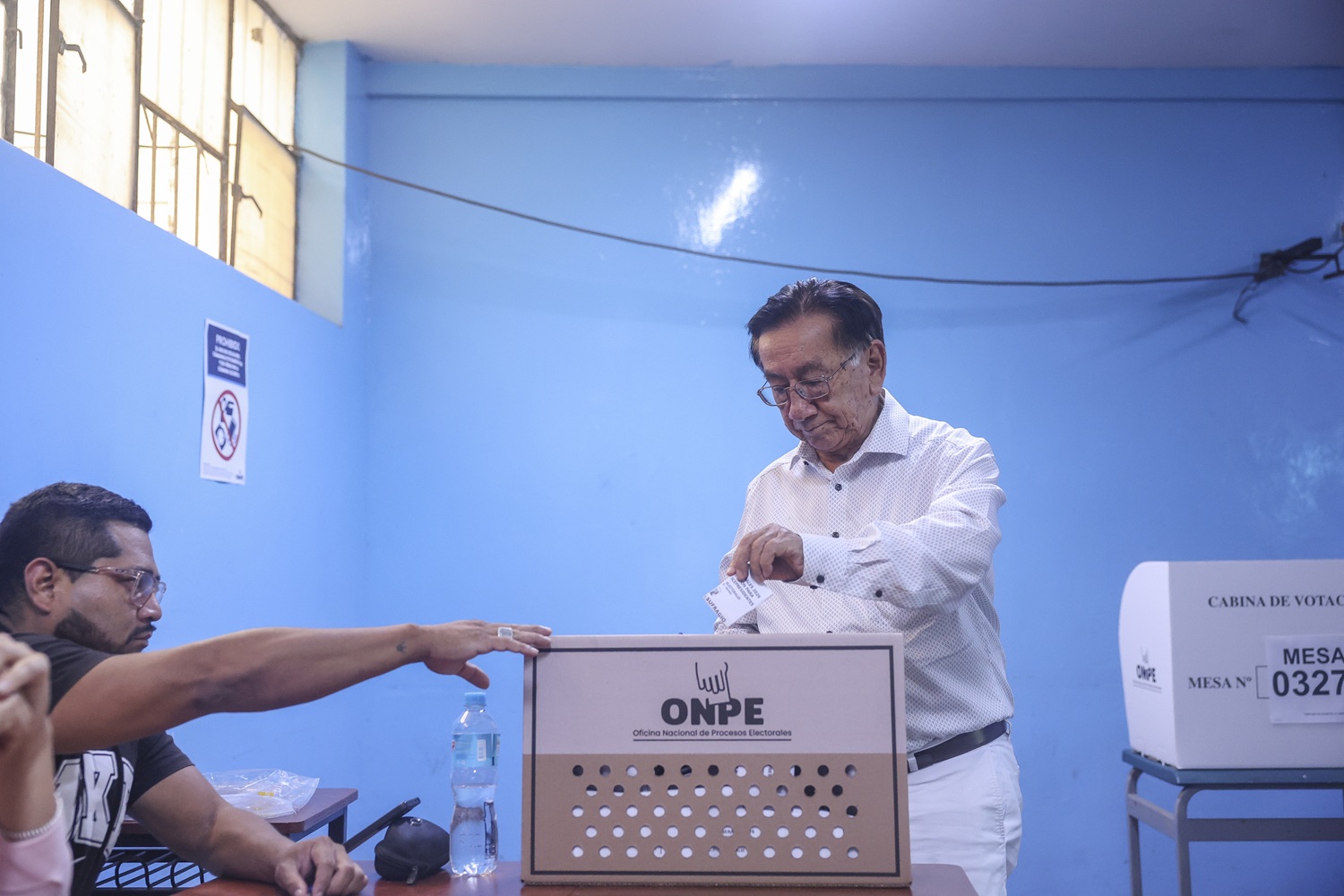
Agencia Peruana de Noticias PRENSAPERU.PE https://www.prensaperu.pe Twitter: @prensaperupe El jefe de Estado, José María Balcázar Zelada, ejerció hoy su derecho constitucional al voto en las instalaciones de la Institución Educativa Pedro A. Labarthe, ubicada en esta provincia del norte peruano (Chiclayo). En su declaración a la prensa tras sufragar, el mandatario hizo un llamado contundente y reflexivo a todos los actores políticos y a la ciudadanía en general, exigiendo madurez cívica y respeto absoluto por los datos oficiales que, una vez procesados y validados, emita la Oficina Nacional de Procesos Electorales (ONPE).
Respeto democrático: Es el principio fundamental que obliga a reconocer y acatar la decisión mayoritaria expresada en las urnas, así como la autoridad y competencia de los organismos especializados encargados de organizar, controlar y declarar los resultados de un proceso electoral, como base de la convivencia pacífica.
El Presidente inició su alocución refiriéndose al cansancio generalizado que percibe en la población frente a las confrontaciones estériles. “Estamos cansados de peleas entre peruanos. Yo creo que el perdedor o perdedora debería ser hidalgo y reconocer al triunfador o triunfadora. Porque el Perú necesita obras y más obras. No necesita peleas”, afirmó con énfasis, dejando claro que el interés colectivo y el progreso material deben estar por encima de cualquier disputa personal o partidaria.
Desde esta localidad de la región Lambayeque, el mandatario invocó solemnemente a los candidatos que compiten por la primera magistratura a actuar con altura y responsabilidad institucional. Su petición central fue clara: aceptar lo que determine la voluntad popular apenas sea oficializado por las vías correspondientes. “Hacemos un llamado justamente a los candidatos para que respeten los resultados una vez que la ONPE pueda oficializarlos, como debe ser en una democracia”, remarcó, subrayando que la credibilidad del sistema depende directamente de que se respete el curso legal establecido.
En esta misma línea, sostuvo que el país ha llegado al límite en materia de enfrentamientos y que es urgente dar paso a una nueva etapa. Para el presidente Balcázar, el objetivo inmediato debe ser lograr una sucesión presidencial ordenada, tranquila y eficaz, que tenga como único norte asegurar la continuidad de los proyectos y obras que la población requiere para su desarrollo y bienestar. “El país debe dejar atrás los enfrentamientos políticos y avanzar hacia una transferencia de mando pacífica, ordenada y orientada a garantizar la continuidad de las obras que necesita la población”, explicó. Y añadió su deseo personal y de todo su equipo: “Espero que, a partir de este momento, yo pueda entregar la banda presidencial de una forma pacífica, ordenada, y que el nuevo gobierno entre a hacer obras para el país”.
Transferencia de mando: Es el proceso formal, técnico y político mediante el cual el gobierno saliente entrega la gestión del Estado al gobierno electo, con el fin de asegurar la continuidad administrativa, la estabilidad institucional y que los servicios y proyectos no se detengan, garantizando así el funcionamiento ininterrumpido del Estado.
Como garantía de transparencia y legalidad, el jefe de Estado destacó que este proceso electoral cuenta con importantes controles y veedurías externas. Mencionó expresamente la presencia de misiones de observación provenientes de la Comunidad Europea y de la Organización de los Estados Americanos (OEA), organismos internacionales que dan fe de la corrección de los comicios. Asimismo, recordó la presencia activa de los personeros de cada organización política en cada mesa de votación a nivel nacional, quienes vigilan que se cumpla la ley en el momento mismo de la votación y el escrutinio.
También tuvo palabras de reconocimiento y respaldo hacia las instituciones encargadas de la seguridad y el orden público. Resaltó la labor fundamental que cumplen la Policía Nacional del Perú y las Fuerzas Armadas, desplegadas en todo el territorio nacional, cumpliendo estrictamente su rol constitucional de brindar protección, custodia y garantizar que la jornada transcurra en paz y sin contratiempos.
El mandatario manifestó su total confianza en la rectitud de los organismos electorales, en especial en el Jurado Nacional de Elecciones (JNE) y en todas las instancias que conforman el sistema electoral peruano. “Queremos que todos los organismos encargados de las elecciones cumplan con su deber. Y eso va a servir mucho para el futuro, para que todos los gobernantes que quieran postular tengan planes concretos y para que el pueblo empiece a creer en la democracia”, puntualizó, indicando que la solidez de estas instituciones es lo que permitirá, a futuro, que la ciudadanía recupere plenamente la fe en su sistema político.
Uno de los puntos más relevantes de su intervención fue el compromiso absoluto de neutralidad y colaboración de su Gobierno, sin importar cuál sea el resultado final. El presidente Balcázar anunció que su administración brindará todo el apoyo necesario para facilitar el traspaso de poder, sea cual sea la agrupación política ganadora. “Nosotros estamos llanos a apoyar el proceso de transferencia. Gane Keiko o gane Sánchez, tenemos que apoyarlos, porque si no este país comienza otra vez a dividirse”, aseguró con rotundidad, dejando claro que su prioridad es la unidad nacional por encima de cualquier preferencia.
Además de la elección presidencial, se refirió a la renovación de representantes en el Congreso y el Senado, y dedicó un espacio especial para valorar el rol protagónico de la juventud peruana en esta contienda electoral. Señaló que son los jóvenes quienes están impulsando la participación y que ellos son los que más esperan ver cambios verdaderos y profundos en la conducción del país. “La esperanza está en los jóvenes. Los jóvenes están impulsando esta votación. La juventud espera que haya un cambio real y que no se repitan las viejas políticas”, expresó, reconociendo que la nueva generación exige propuestas serias, planes a largo plazo y una gestión pública alejada de vicios antiguos.
Finalmente, consultado sobre el balance de su gestión y el legado que deja al país, el presidente enumeró con satisfacción las grandes obras y transformaciones impulsadas durante su mandato, haciendo énfasis en aquellas que han cambiado la realidad del sur peruano. Destacó la puesta en marcha del Aeropuerto Internacional de Puno, el avance definitivo y solución de obstáculos del Gasoducto Sur, la construcción de modernos centros de salud y hospitales en diversas regiones, así como la ejecución y mejora de la Carretera Central, obras que calificó como inversiones históricas para la integración y el desarrollo.
Con estas declaraciones, el Gobierno de la República reafirma su vocación democrática, su respeto irrestricto a la voluntad popular, su compromiso con la paz social y su disposición total para realizar una transición ordenada, segura y beneficiosa para el futuro de todos los peruanos.
CONCLUSIONES
1.- Madurez política como única vía: El mensaje central del presidente Balcázar marca un antes y un después: la exigencia de que los líderes dejen de lado la confrontación y asuman con altura los resultados, entendiendo que el bienestar del país y la ejecución de obras prioritarias son mucho más importantes que cualquier ventaja o desventaja electoral.
2.- Instituciones y neutralidad como garantía: Al resaltar el trabajo de la ONPE, el JNE, la presencia de observadores internacionales y el compromiso de su propio Gobierno de apoyar al winner sea quien sea, se consolida la idea de que el proceso está blindado y que la estabilidad está asegurada por encima de las personas.
3.- El nuevo rumbo: Obras y renovación: Tanto el énfasis en la continuidad de proyectos de infraestructura como el reconocimiento al rol de la juventud, señalan que el país avanza hacia una etapa donde lo que importa es la transformación real, el trabajo concreto y el relevo generacional, dejando atrás prácticas políticas que ya no tienen cabida en la sociedad actual.
Fuente: Agencia Peruana de Noticias PRENSAPERU.PE https://www.prensaperu.pe Twitter: @prensaperupe
Translate
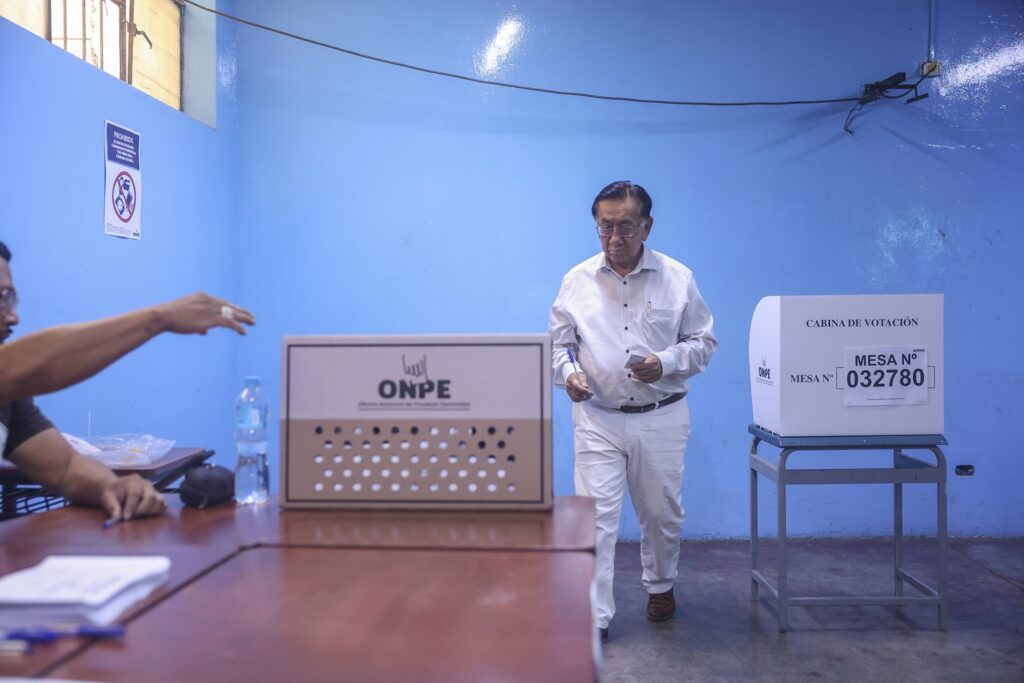
President Balcázar voted in Chiclayo! “Peru needs projects, not fights” – he calls for recognizing the winner – “Whoever wins, we will support the transfer of power.”
Peruvian News Agency PRENSAPERU.PE https://www.prensaperu.pe Twitter: @prensaperupe The Head of State, José María Balcázar Zelada, exercised his constitutional right to vote today at the facilities of the Pedro A. Labarthe Educational Institution, located in this province in northern Peru (Chiclayo). In his statement to the press after casting his vote, the President issued a forceful and thoughtful appeal to all political actors and the citizenry at large, calling for civic maturity and absolute respect for the official data to be issued — once processed and validated — by the National Office of Electoral Processes (ONPE).
Democratic respect: The fundamental principle requiring recognition and observance of the majority decision expressed at the polls, as well as recognition of the authority and competence of the specialised bodies responsible for organising, overseeing, and declaring the results of an electoral process, as the basis for peaceful coexistence.
The President began his address by referring to the widespread weariness with unproductive confrontation he perceives among the population. “We are tired of disputes among Peruvians. I believe that the loser should be magnanimous and acknowledge the winner. Because Peru needs works, more and more works. It does not need fights,” he stated emphatically, making clear that the collective interest and material progress must prevail over any personal or partisan dispute.
From this locality in the Lambayeque region, the Head of State solemnly called upon the candidates contending for the Presidency to act with dignity and institutional responsibility. His central request was clear: to accept the determination of the popular will as soon as it is officially established through the proper channels. “We are calling precisely upon the candidates to respect the results once ONPE is able to make them official, as should be done in a democracy,” he emphasised, underlining that the credibility of the system depends directly on respect for the established legal procedure.
Along the same lines, he maintained that the country has reached its limit with regard to confrontation and that it is urgent to usher in a new stage. For President Balcázar, the immediate objective must be to achieve an orderly, peaceful, and effective presidential succession, guided solely by the aim of ensuring continuity in the projects and public works required by the population for their development and well‑being. “The country must leave political confrontation behind and move towards a transfer of command that is peaceful, orderly, and designed to guarantee continuity in the works the population needs,” he explained. He added his personal wish, and that of his entire team: “I hope that, from this moment on, I may hand over the presidential sash in a peaceful and orderly manner, and that the new government may take office and carry out works for the country.”
Transfer of command: The formal, technical, and political process through which the outgoing administration hands over the management of the State to the elected government, in order to ensure administrative continuity, institutional stability, and the uninterrupted delivery of services and progress, thereby guaranteeing the continuous functioning of the State.
As a guarantee of transparency and legality, the Head of State highlighted that this electoral process is subject to important external oversight and verification. He made specific reference to the presence of observation missions from the European Community and the Organization of American States (OAS), international bodies that attest to the fairness of the elections. He likewise recalled the active presence of representatives from each political organisation at polling stations nationwide, who monitor compliance with the law at the very moment voting and counting take place.
He also expressed appreciation and support for the institutions responsible for security and public order. He highlighted the essential work carried out by the National Police of Peru and the Armed Forces, deployed throughout the national territory and strictly fulfilling their constitutional role of providing protection, safeguarding the process, and ensuring that election day proceeds peacefully and without setbacks.
The President expressed his full confidence in the integrity of the electoral bodies, especially the National Jury of Elections (JNE) and all entities comprising the Peruvian electoral system. “We want all bodies in charge of elections to fulfil their duty. And that will be of great service for the future, so that all leaders who wish to stand for office may present concrete plans, and so that the people may begin to believe in democracy,” he stated, indicating that the solidity of these institutions will, in the future, enable citizens to recover full faith in their political system.
One of the most relevant points in his address was his administration’s absolute commitment to neutrality and cooperation, regardless of the final result. President Balcázar announced that his administration will provide all necessary support to facilitate the transfer of power, no matter which political organisation proves victorious. “We stand ready to support the transfer process. Whether Keiko or Sánchez wins, we must support them, because otherwise this country will begin to divide itself once again,” he asserted firmly, making clear that his priority is national unity above any personal preference.
In addition to the presidential election, he referred to the renewal of representatives in the Congress and the Senate, and devoted special attention to acknowledging the leading role of Peruvian youth in this electoral contest. He pointed out that young people are the driving force behind participation and that they are the ones who most expect to see real and profound changes in the way the country is governed. “Hope lies with young people. Young people are driving this vote. Youth expect real change and a break from old‑style politics,” he declared, recognising that the new generation demands serious proposals, long‑term plans, and public administration free from past vices.
Finally, when asked for an assessment of his term and the legacy he is leaving to the country, the President listed with satisfaction the major works and transformations promoted during his administration, emphasising those that have altered the reality of southern Peru. He highlighted the launch of the Puno International Airport, the definitive progress and removal of obstacles to the Southern Gas Pipeline, the construction of modern health centres and hospitals in various regions, and the execution and improvement of the Central Highway — works he described as historic investments for integration and development.
Through these statements, the Government of the Republic reaffirms its democratic vocation, its absolute respect for the popular will, its commitment to social peace, and its full readiness to carry out an orderly, secure, and beneficial transition for the future of all Peruvians.
CONCLUSIONS
1.- Political maturity as the only path: President Balcázar’s central message marks a turning point: the requirement that leaders set confrontation aside and accept results with dignity, recognising that the country’s well‑being and the delivery of priority works are far more important than any electoral advantage or disadvantage.
2.- Institutions and neutrality as guarantees: By highlighting the work of ONPE and JNE, the presence of international observers, and his own Government’s commitment to supporting the winner whoever it may be, the view is reinforced that the process is safeguarded and that stability is secured above and beyond individuals.
3.- The new course: works and renewal: Both the emphasis on continuity in infrastructure projects and the recognition of youth’s role signal that the country is moving towards a stage where what matters is real transformation, tangible work, and generational renewal, leaving behind political practices that no longer have a place in contemporary society.
Source: Peruvian News Agency PRENSAPERU.PE https://www.prensaperu.pe Twitter: @prensaperupe