
Agencia Peruana de Noticias PRENSAPERU.PE https://www.prensaperu.pe Twitter: @prensaperupe El Presidente de la República, José María Balcázar, informó hoy que el Ejecutivo presentará en las próximas horas al Congreso de la República un crédito suplementario destinado a garantizar la continuidad de proyectos en ejecución y financiar nuevas obras de infraestructura en todo el territorio nacional. La medida forma parte de la estrategia del Gobierno para dinamizar la economía, generar empleo y reducir las brechas de desarrollo entre regiones.
Durante su intervención, el mandatario explicó que la propuesta se complementa con otro proyecto de ley que busca ampliar la captación de ingresos públicos, con el fin de asegurar la sostenibilidad financiera de estas inversiones.
“Para financiar los proyectos de continuidad y las nuevas obras que se vienen, presentamos hoy mismo el crédito suplementario. Al mismo tiempo, enviamos al Congreso una iniciativa para que aprueben, en esta legislatura, nuevas fuentes de ingresos que nos permitan respaldar todo este financiamiento”, afirmó el jefe de Estado.
Crédito suplementario
Es una modificación presupuestaria que permite al Estado asignar recursos adicionales no contemplados originalmente en el Presupuesto General de la República. Se utiliza cuando surgen necesidades prioritarias, como la conclusión de obras iniciadas o la atención de demandas urgentes de la población.
Recaudación pública
Conjunto de ingresos que obtiene el Estado —principalmente mediante impuestos— para financiar servicios, obras y programas sociales. Una recaudación eficiente y transparente es fundamental para garantizar la estabilidad económica del país.
Industrialización
Proceso mediante el cual un país transforma sus materias primas en productos con mayor valor agregado, en lugar de exportarlas en su estado natural. Esto permite generar más empleo, mayores ingresos y reducir la dependencia económica externa.
INVERSIÓN COMO MOTOR DE DESARROLLO
El presidente Balcázar resaltó que su gestión ha priorizado el uso eficiente de los recursos públicos, evitando gastos innecesarios en burocracia y enfocándose en obras que generen bienestar real.
“Hemos mejorado la recaudación respecto a años anteriores y seguimos en una línea correcta: no desviamos fondos en gastos administrativos excesivos, sino que los destinamos a inversiones concretas que responden a lo que el país necesita”, señaló.
Para el mandatario, la inversión pública y privada es la herramienta principal para combatir la pobreza de forma duradera:
“Lo que buscamos es una inversión fuerte y sostenida. Donde hay obras y desarrollo, hay oportunidades de trabajo digno. Y con empleo, las familias progresan y salen de la pobreza definitivamente”.
Advirtió además que la falta de inversión y la ausencia de políticas industriales representan un riesgo para el futuro: “Si seguimos sin invertir y sin transformar lo que producimos, nos estancamos y la pobreza crece. Ese no es el camino que queremos para el Perú”.
OBRAS, EDUCACIÓN Y FUTURO INDUSTRIAL
El jefe de Estado detalló que la cartera de proyectos incluye iniciativas en regiones históricamente olvidadas, como Puno y Cusco, donde se están desbloqueando obras de gran impacto para la conectividad y el bienestar de sus habitantes.
También destacó el compromiso con la educación superior: “Estamos impulsando la creación de nuevas universidades públicas, para que los hijos de las familias trabajadoras tengan acceso a una formación de calidad y construyan su futuro en su propia tierra”.
Uno de los anuncios más importantes se refiere a la visión a largo plazo: el Gobierno dejará definidas las bases para la industrialización de los recursos naturales, especialmente en el sector minero.
“Queremos que el Perú no se quede solo exportando cobre o minerales en bruto. Estamos preparando un proyecto de ley para que el próximo gobierno pueda avanzar en la transformación de nuestros recursos, tal como lo han hecho países vecinos como Chile, generando mucho más valor y empleo para los peruanos”.
AYUDA SOCIAL Y AGENDA INTERNACIONAL
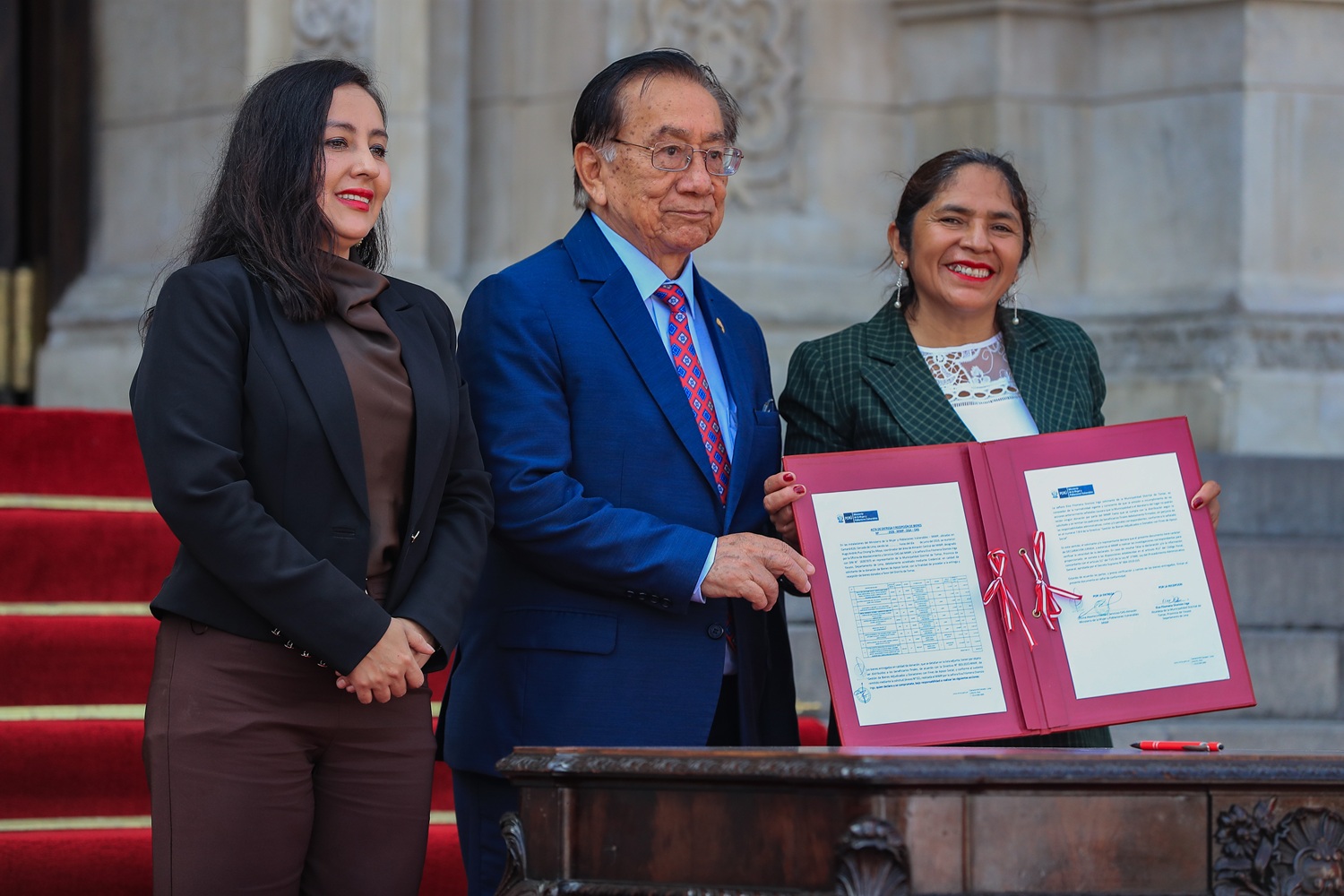
Las declaraciones se dieron en el marco de una ceremonia en Palacio de Gobierno, donde se entregaron bienes donados por la Superintendencia Nacional de Aduanas y de Administración Tributaria (SUNAT) al Ministerio de la Mujer y Poblaciones Vulnerables. Estos recursos serán distribuidos a alcaldes de distritos en estado de emergencia, para fortalecer la respuesta ante desastres naturales o situaciones de vulnerabilidad social.
Finalmente, el presidente informó sobre su próxima agenda internacional:
“La semana que viene viajaremos al Vaticano, invitados por el Papa, para una visita breve el día 18. Llevaremos el saludo de todos los peruanos, especialmente de quienes hoy nos acompañan”.
DATOS
1.- Financiamiento garantizado para obras prioritarias: El crédito suplementario y la propuesta de nuevos ingresos permiten asegurar que proyectos en marcha no se detengan y se inicien nuevas intervenciones, lo que genera estabilidad en la ejecución presupuestaria.
2.- Modelo de inversión como salida a la pobreza: La estrategia gubernamental se basa en la premisa de que el crecimiento sostenible no se logra solo con asistencia social, sino con empleo digno generado por obras y desarrollo productivo.
3.- Visión de país a largo plazo: El compromiso con la industrialización y la educación superior marca un cambio de enfoque: se busca dejar de ser un país exportador de materias primas para agregar valor a sus recursos y brindar mejores oportunidades a las futuras generaciones.
Fuente: Agencia Peruana de Noticias PRENSAPERU.PE https://www.prensaperu.pe Twitter: @prensaperupe
Translate
President Balcázar announces supplementary credit for ongoing works and new industrialization projects to transform Peruvian resources and stop exporting only raw materials.
Peruvian News Agency PRENSAPERU.PE https://www.prensaperu.pe Twitter: @prensaperupe The President of the Republic, José María Balcázar, announced today that the Executive Branch will submit in the coming hours to the Congress of the Republic a supplementary credit aimed at guaranteeing the continuity of ongoing projects and financing new infrastructure works throughout the national territory. This measure forms part of the Government’s strategy to stimulate the economy, generate employment, and reduce development gaps between regions.
During his address, the head of state explained that the proposal is complemented by another bill seeking to expand public revenue collection, in order to ensure the financial sustainability of these investments.
“To finance ongoing projects and new works ahead, we are submitting the supplementary credit today. At the same time, we are sending a bill to Congress requesting approval, during this legislative term, of new revenue sources that will enable us to support all this financing,” the President stated.
Supplementary credit
A budget modification that allows the State to allocate additional resources not originally contemplated in the General Budget of the Republic. It is used when priority needs arise, such as the completion of works already started or the response to urgent demands from the population.
Public revenue collection
The set of income obtained by the State —mainly through taxes— to finance services, public works, and social programs. Efficient and transparent collection is essential to guarantee the country’s economic stability.
Industrialization
The process by which a country transforms its raw materials into products with higher added value, instead of exporting them in their natural state. This enables the generation of more employment, higher income, and reduced external economic dependence.
INVESTMENT AS AN ENGINE OF DEVELOPMENT
President Balcázar emphasized that his administration has prioritized the efficient use of public resources, avoiding unnecessary spending on bureaucracy and focusing on works that generate tangible well‑being.
“We have improved revenue collection compared to previous years and remain on the right track: we do not divert funds toward excessive administrative costs, but instead allocate them to targeted investments that respond to the country’s needs,” he noted.
For the head of state, public and private investment is the main tool to combat poverty in a sustainable manner:
“What we seek is strong and sustained investment. Where there are works and development, there are opportunities for decent work. And with employment, families progress and permanently escape poverty.”
He also warned that the lack of investment and the absence of industrial policies pose a risk for the future: “If we continue without investing and without transforming what we produce, we will stagnate and poverty will grow. That is not the path we want for Peru.”
WORKS, EDUCATION, AND INDUSTRIAL FUTURE
The President detailed that the project portfolio includes initiatives in historically neglected regions, such as Puno and Cusco, where high‑impact works are being unblocked to improve connectivity and the well‑being of their inhabitants.
He also highlighted the commitment to higher education: “We are promoting the creation of new public universities, so that the children of working families have access to quality training and can build their future in their own land.”
One of the most important announcements refers to the long‑term vision: the Government will establish the foundations for the industrialization of natural resources, particularly in the mining sector.
“We want Peru to stop being a country that only exports copper or raw minerals. We are preparing a bill so that the next government can advance in processing our resources, as neighboring countries such as Chile have done, generating far greater value and employment for Peruvians.”
SOCIAL ASSISTANCE AND INTERNATIONAL AGENDA
These statements were made during a ceremony at the Government Palace, where goods donated by the Superintendency of Customs and Tax Administration (SUNAT) were handed over to the Ministry of Women and Vulnerable Populations. These resources will be distributed to mayors of districts under a state of emergency, to strengthen response capacity in the face of natural disasters or situations of social vulnerability.
Finally, the President informed about his upcoming international agenda:
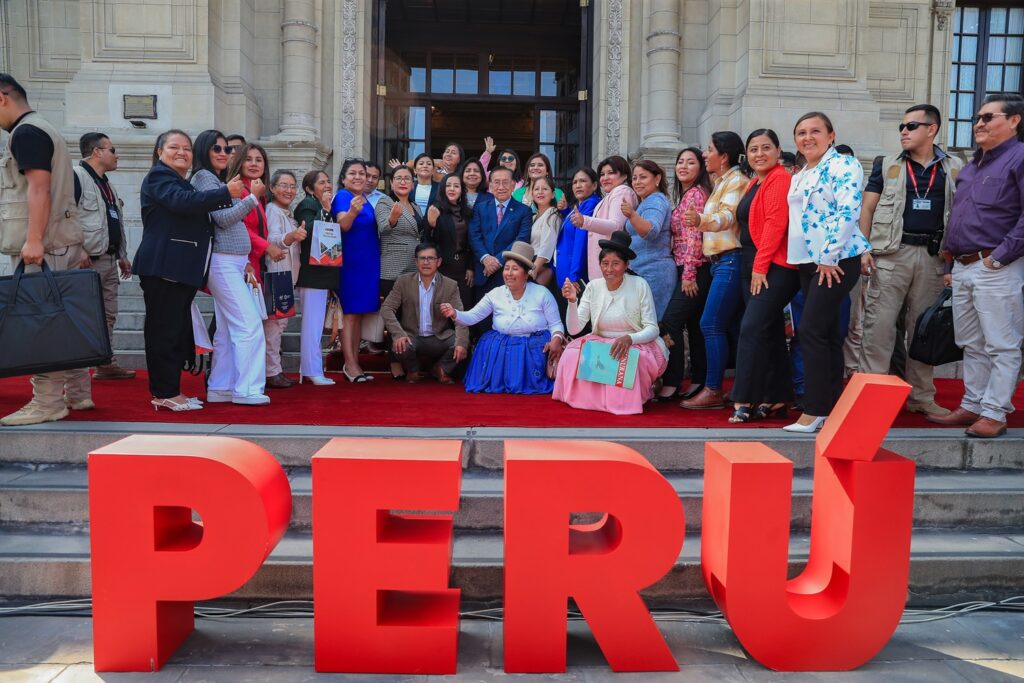
“Next week we will be away from Peru, as we have been invited by the Pope for a brief visit on the 18th to the Vatican. We will carry the greetings of all Peruvians, especially those who join us this morning.”
KEY POINTS
1.- Guaranteed financing for priority works: The supplementary credit and the proposal for new revenue sources ensure that ongoing projects will not be halted and that new initiatives can be launched, bringing stability to budget execution.
2.- Investment model as a way out of poverty: The Government’s strategy is based on the premise that sustainable growth cannot be achieved through social assistance alone, but through decent employment generated by public works and productive development.
3.- Long‑term national vision: The commitment to industrialization and higher education marks a shift in approach: the aim is to move beyond being an exporter of raw materials, to add value to resources and provide better opportunities for future generations.
Source: Peruvian News Agency PRENSAPERU.PE https://www.prensaperu.pe Twitter: @prensaperupe