
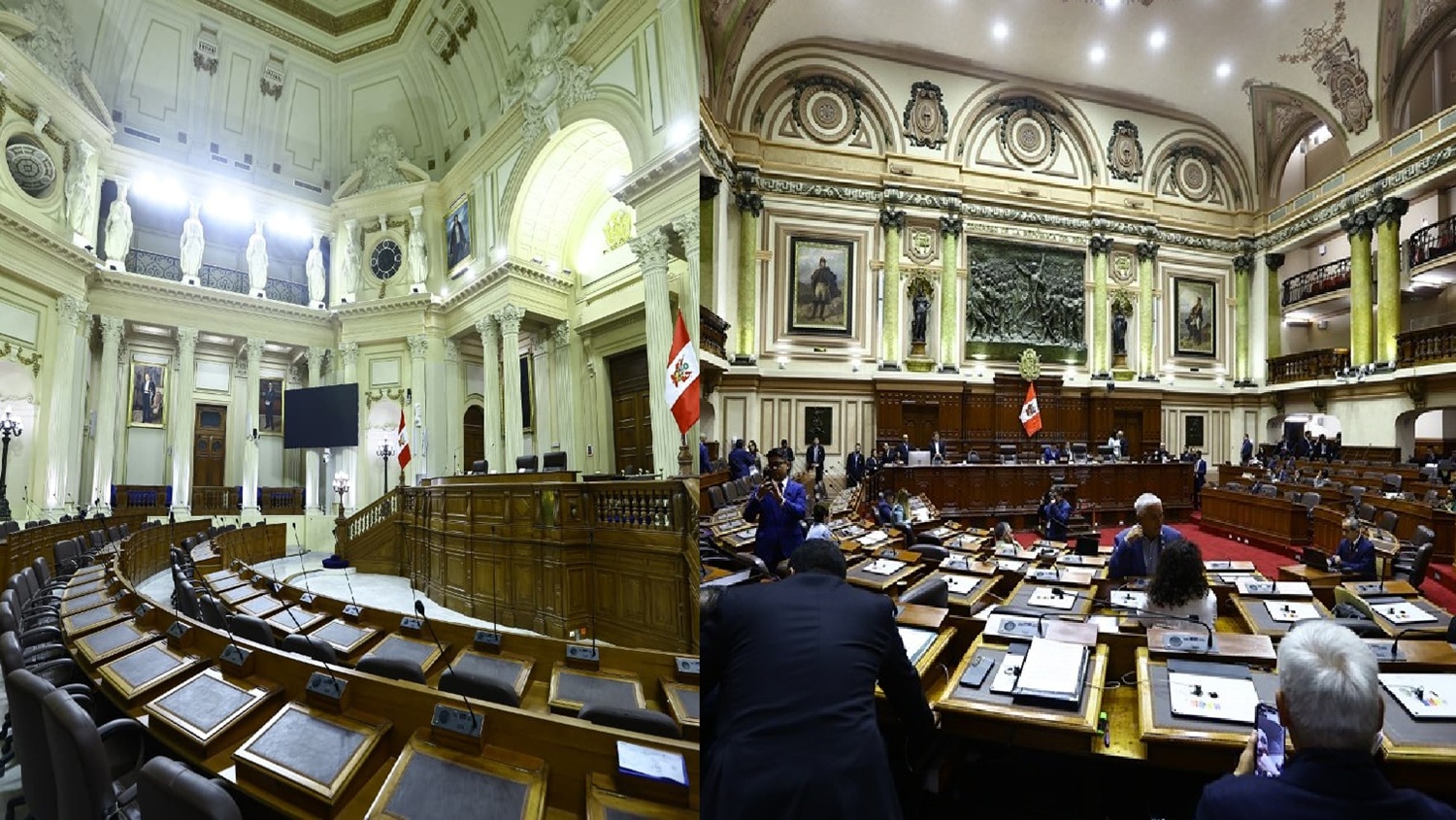
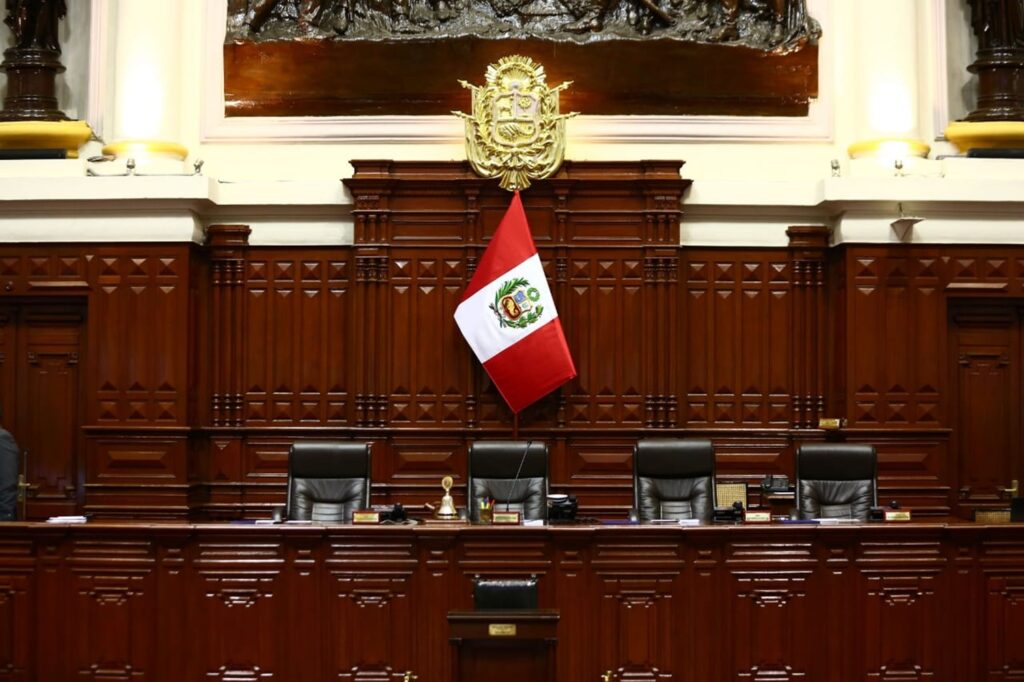
Agencia Peruana de Noticias PRENSAPERU.PE https://www.prensaperu.pe Twitter: @prensaperupe El próximo domingo 26 de julio marca un momento decisivo para la democracia peruana, con la elección de las Mesas Directivas del Senado y de la Cámara de Diputados, instancias que liderarán el Poder Legislativo durante el Periodo Anual de Sesiones 2026-2027. Este proceso, rigurosamente normado, define las autoridades que conducirán el debate parlamentario y garantizarán el funcionamiento institucional del Congreso. A continuación, detallamos paso a paso cómo se desarrolla esta jornada electoral clave, sus reglas y los plazos establecidos.
I.- ELECCIÓN DE LA MESA DIRECTIVA DEL SENADO
Periodo Anual de Sesiones 2026-2027
La convocatoria oficial ya ha sido emitida para que este domingo 26 de julio se elija a la autoridad colegiada que dirigirá la Cámara Alta. Este proceso democrático se sustenta en el literal i) de la Primera Disposición Complementaria Transitoria del Reglamento del Congreso, que establece con claridad quiénes participan y bajo qué normas.
Solo tienen derecho a voto los senadores debidamente acreditados, registrados y juramentados. Los grupos parlamentarios son los encargados de presentar las listas de candidatos para los cuatro cargos directivos: presidente, primer, segundo y tercer vicepresidente del Senado. Estas propuestas podrán registrarse desde el día de la juramentación (viernes 24) y hasta el sábado 25 de julio; al cierre de ese plazo, la Oficialía Mayor publicará todas las listas en el portal web del Congreso para conocimiento público.
PROCESO DE ELECCIÓN
En la sesión dominical, la Mesa Directiva de la Junta Preparatoria designará a dos senadores para actuar como escrutadores, encargados de vigilar la transparencia, firmar las cédulas y participar en el conteo.
La votación es secreta. El orden para sufragar inicia con el presidente de la Junta Preparatoria, continúa con los integrantes de dicha mesa y finaliza con el resto de senadores, llamados estrictamente por orden alfabético para depositar su voto en el ánfora.
Una vez concluida la votación, se procede al escrutinio público, leyendo cada cédula en voz alta. Para resultar elegida, una lista debe obtener más de la mitad de los votos de los senadores presentes (mayoría absoluta). Si ninguna alcanza esta cifra, se pasa a una segunda vuelta entre las dos listas con mayor caudal electoral, resultando ganadora la que obtenga más apoyos.
Inmediatamente después de conocidos los resultados, se realiza el acto de juramentación. El presidente del Senado jura ante la Junta Preparatoria y luego toma juramento a sus vicepresidentes. La fórmula es: “Por Dios, por la patria y por la Constitución Política del Perú”, con la salvedad de que cualquier senador puede solicitar eliminar la mención a Dios, petición que se acepta automáticamente. Es requisito indispensable el juramento para asumir funciones.
El resultado final se notifica al presidente de la República, a la Cámara de Diputados, a la Corte Suprema, Tribunal Constitucional, JNE, Fiscal de la Nación, Defensoría, gobiernos regionales y municipios provinciales. Con este acto, el presidente del Senado declara constituida la Cámara Alta para el periodo 2026-2031 y convoca a la sesión de instalación del periodo de sesiones para el lunes 27 de julio.
DATOS CONCEPTUALES (SENADO)
Cámara Alta (Senado): Es la institución que representa la estabilidad y la profundidad del debate político, integrada por senadores elegidos para defender los intereses nacionales y garantizar el control constitucional de las leyes.
Junta Preparatoria: Órgano temporal conformado al inicio de la legislatura encargado de organizar el proceso de instalación de la cámara y conducir la elección de sus nuevas autoridades.
Escrutadores: Miembros elegidos entre los legisladores para dar fe de la legalidad del proceso electoral, verificando la identidad, el secreto del voto y la exactitud del conteo final.
Mayoría Absoluta: Se define como el apoyo que supera la mitad más uno de los miembros presentes en la sesión, garantizando que la dirección cuente con un respaldo sólido.
II.- MESA DIRECTIVA DE LA CÁMARA DE DIPUTADOS
Periodo Anual de Sesiones 2026-2027
Paralelamente, el mismo domingo 26 de julio se llevará a cabo la elección de la Mesa Directiva de la Cámara de Diputados, bajo el marco normativo del literal j) de la Primera Disposición Complementaria Transitoria del Reglamento del Congreso.
El calendario se alinea al del Senado: tras la juramentación de los diputados el viernes 24, los grupos parlamentarios presentan sus listas para presidente y tres vicepresidentes, con plazo límite hasta el sábado 25 de julio.
PROCESO DE ELECCIÓN
La dinámica es ordenada y transparente. La Junta Preparatoria invita a dos diputados a ser escrutadores, firman las cédulas y se distribuyen entre el pleno. El presidente suspende brevemente la sesión para que los legisladores completen su voto en secreto.
Al reanudar, el presidente deposita su voto, seguido por su mesa, los escrutadores y el resto en orden alfabético. El conteo es realizado por el presidente asistido por los escrutadores, leyendo cada sufragio.
Se proclama ganadora a la lista que obtenga mayoría absoluta de los diputados concurrentes. De no lograrse en primera instancia, se compite en balotaje entre las dos más votadas.
El acto de toma de posesión es inmediato, el presidente electo jura ante la Junta Preparatoria y recibe el juramento de los demás miembros. La fórmula es idéntica a la del Senado, respetando la libertad de conciencia respecto a la invocación divina. Sin juramento no hay ejercicio del cargo.
Los resultados oficiales se difunden a los mismos poderes del Estado y autoridades que en el Senado. Al finalizar, el presidente de la Cámara Baja declara constituida su corporación para el periodo 2026-2031 y convoca a la sesión inaugural del periodo de sesiones para el lunes 27 de julio.
DATOS CONCEPTUALES (DIPUTADOS)
Cámara Baja (Diputados): Representa la voluntad popular directa, con un enfoque en la iniciativa legislativa y la fiscalización de la gestión pública en respuesta a las necesidades inmediatas de la ciudadanía.
Voto Secreto: Modalidad electoral que protege la libertad de decisión del legislador, evitando presiones externas y garantizando que la elección refleje la voluntad auténtica del pleno.
Listas Cerradas: Presentación unitaria de candidatos que se postulan en bloque, permitiendo a los grupos parlamentarios consolidar propuestas y facilitar la gobernabilidad interna de la corporación.
Notificación Oficial: Acto administrativo mediante el cual se da certeza institucional de las nuevas autoridades a todo el entramado estatal, permitiendo la continuidad de las relaciones entre poderes.
III.- CONCLUSIONES
SOBRE EL SENADO
1.- Rigidez y certeza normativa: El proceso electoral del Senado se encuentra minuciosamente reglamentado, asegurando que solo los legisladores debidamente acreditados participen, lo que fortalece la legitimidad de la conducción de la Cámara Alta.
2.- Transparencia desde la base: La publicación anticipada de las listas y la presencia de escrutadores elegidos por el propio cuerpo senatorial son garantías esenciales de limpieza y confianza democrática.
3.- Continuidad institucional: La elección y constitución inmediata de la Mesa Directiva permiten declarar el inicio formal del periodo parlamentario 2026-2031 sin fisuras, manteniendo el ritmo constitucional del país.
SOBRE LA CÁMARA DE DIPUTADOS
1.- Procedimiento armonizado: La cámara baja replica los principios de equidad y orden del Senado, con plazos y mecanismos de votación idénticos, lo que facilita la sincronización de todo el Poder Legislativo.
2.- Prioridad a la legitimidad: La exigencia de mayoría absoluta obliga a las listas a buscar consensos amplios, evitando liderazgos fragmentados y promoviendo una dirección sólida para la representación popular.
3.- Certeza jurídica y respeto a los derechos: El reconocimiento explícito de la libertad religiosa en el juramento y la comunicación inmediata de resultados a todas las instancias del Estado reflejan la modernidad y el respeto a la ley que rigen a la institución.
Fuente: Agencia Peruana de Noticias PRENSAPERU.PE https://www.prensaperu.pe Twitter: @prensaperupe
Translate
“Sunday, July 26! A key date for Peruvian democracy: the Board of Directors for the Senate and Chamber of Deputies will be elected. Do you know how the election of authorities for the Peruvian Parliament for the 2026–2027 period will be conducted?”
Peruvian News Agency PRENSAPERU.PE https://www.prensaperu.pe Twitter: @prensaperupe Next Sunday, July 26, marks a decisive moment for Peruvian democracy, with the election of the Board of Directors of the Senate and the Chamber of Deputies, bodies that will lead the Legislative Branch during the Annual Period of Sessions 2026-2027. This strictly regulated process defines the authorities who will guide parliamentary debate and guarantee the institutional functioning of the Congress. Below, we detail step by step how this key electoral day unfolds, its rules, and the established deadlines.
I.- ELECTION OF THE BOARD OF DIRECTORS OF THE SENATE
Annual Period of Sessions 2026-2027
The official call has already been issued for this Sunday, July 26, to elect the collegiate authority that will lead the Upper House. This democratic process is grounded in literal i) of the First Transitory Complementary Provision of the Rules of Procedure of the Congress, which clearly establishes who may participate and under what standards.
Only duly accredited, registered, and sworn senators have the right to vote. Parliamentary groups are responsible for presenting the slates of candidates for the four leadership positions: President, First, Second, and Third Vice President of the Senate. These proposals may be registered starting on the day of the swearing-in (Friday, July 24) and through Saturday, July 25; upon the closing of this deadline, the Office of the General Secretary will publish all slates on the Congress’s official website for public knowledge.
ELECTION PROCESS
During the Sunday session, the Board of Directors of the Preparatory Committee will appoint two senators to act as tellers, responsible for overseeing transparency, signing the ballots, and participating in the vote count.
Voting is secret. The order for casting votes begins with the President of the Preparatory Committee, continues with the members of said Board, and concludes with the rest of the senators, called strictly in alphabetical order to deposit their ballot in the urn.
Once voting is concluded, a public tally is carried out, reading each ballot aloud. To be elected, a slate must obtain more than half of the votes of the senators present (absolute majority). If no slate reaches this figure, a second round is held between the two slates with the highest number of votes, and the one that obtains the most support is proclaimed the winner.
Immediately after the results are known, the swearing-in ceremony takes place. The President of the Senate swears an oath before the Preparatory Committee and then administers the oath to their vice presidents. The formula is: “Before God, before the homeland, and before the Political Constitution of Peru,” with the proviso that any senator may request the removal of the invocation to God, a petition to which the Board of Directors immediately agrees. Taking the oath is an indispensable requirement to assume duties.
The final result is notified to the President of the Republic, the Chamber of Deputies, the Supreme Court, the Constitutional Court, the National Jury of Elections (JNE), the Attorney General of the Nation, the Ombudsman, regional governments, and provincial municipalities. With this act, the President of the Senate declares the Upper House constituted for the period 2026-2031 and convenes the installation session of the period of sessions for Monday, July 27.
CONCEPTUAL DATA (SENATE)
Upper House (Senate): It is the institution representing stability and depth in political debate, composed of senators elected to defend national interests and guarantee constitutional oversight of laws.
Preparatory Committee: A temporary body formed at the beginning of the legislature, tasked with organizing the installation process of the chamber and conducting the election of its new authorities.
Tellers: Members elected among legislators to attest to the legality of the electoral process, verifying identity, the secrecy of the vote, and the accuracy of the final count.
Absolute Majority: Defined as the support exceeding half plus one of the members present at the session, guaranteeing that the leadership has solid backing.
II.- BOARD OF DIRECTORS OF THE CHAMBER OF DEPUTIES
Annual Period of Sessions 2026-2027
In parallel, the election of the Board of Directors of the Chamber of Deputies will take place this same Sunday, July 26, under the regulatory framework of literal j) of the First Transitory Complementary Provision of the Rules of Procedure of the Congress.
The calendar aligns with that of the Senate: following the swearing-in of deputies on Friday, July 24, parliamentary groups present their slates for President and three Vice Presidents, with a deadline expiring on Saturday, July 25.
ELECTION PROCESS
The dynamic is orderly and transparent. The Preparatory Committee invites two deputies to serve as tellers, they sign the ballots, and the documents are distributed among the plenary. The President briefly suspends the session so that the legislators may complete their ballots in secret.
Upon resumption, the President casts their vote, followed by the members of their Board, the tellers, and the rest in alphabetical order. The count is conducted by the President assisted by the deputy tellers, reading each ballot cast.
The slate obtaining an absolute majority of the attending deputies is proclaimed the winner. If not achieved in the first instance, a runoff is held between the two most voted slates.
The act of taking office is immediate, the President-elect swears an oath before the Preparatory Committee and receives the oath of the other members. The formula is identical to that of the Senate, respecting freedom of conscience regarding the divine invocation. Without taking the oath, there is no exercise of office.
The official results are disseminated to the same State powers and authorities as in the Senate. Upon conclusion, the President of the Lower House declares their body constituted for the period 2026-2031 and convenes the inaugural session of the period of sessions for Monday, July 27.
CONCEPTUAL DATA (DEPUTIES)
Lower House (Deputies): Represents direct popular will, focusing on legislative initiative and oversight of public management in response to the immediate needs of the citizenry.
Secret Ballot: An electoral modality that protects the legislator’s freedom of decision, avoiding external pressures and guaranteeing that the election reflects the authentic will of the plenary.
Closed Slates: A unified presentation of candidates running as a block, allowing parliamentary groups to consolidate proposals and facilitate the internal governability of the body.
Official Notification: An administrative act through which institutional certainty is given regarding the new authorities to the entire state structure, enabling the continuity of relations between powers.
III.- CONCLUSIONS
REGARDING THE SENATE
1.- Rigor and regulatory certainty: The electoral process of the Senate is minutely regulated, ensuring that only duly accredited legislators participate, which strengthens the legitimacy of the Upper House’s leadership.
2.- Transparency from the base: The advance publication of slates and the presence of tellers elected by the senatorial body itself are essential guarantees of integrity and democratic confidence.
3.- Institutional continuity: The immediate election and constitution of the Board of Directors allow for the declaration of the formal beginning of the parliamentary period 2026-2031 without disruptions, maintaining the country’s constitutional rhythm.
REGARDING THE CHAMBER OF DEPUTIES
1.- Harmonized procedure: The lower chamber replicates the principles of equity and order of the Senate, with identical deadlines and voting mechanisms, which facilitates the synchronization of the entire Legislative Branch.
2.- Priority to legitimacy: The requirement of an absolute majority forces slates to seek broad consensus, avoiding fragmented leadership and promoting solid leadership for popular representation.
3.- Legal certainty and respect for rights: The explicit recognition of religious freedom in the oath and the immediate communication of results to all State instances reflect the modernity and respect for the law that govern the institution.
Source: Peruvian News Agency PRENSAPERU.PE https://www.prensaperu.pe Twitter: @prensaperupe