
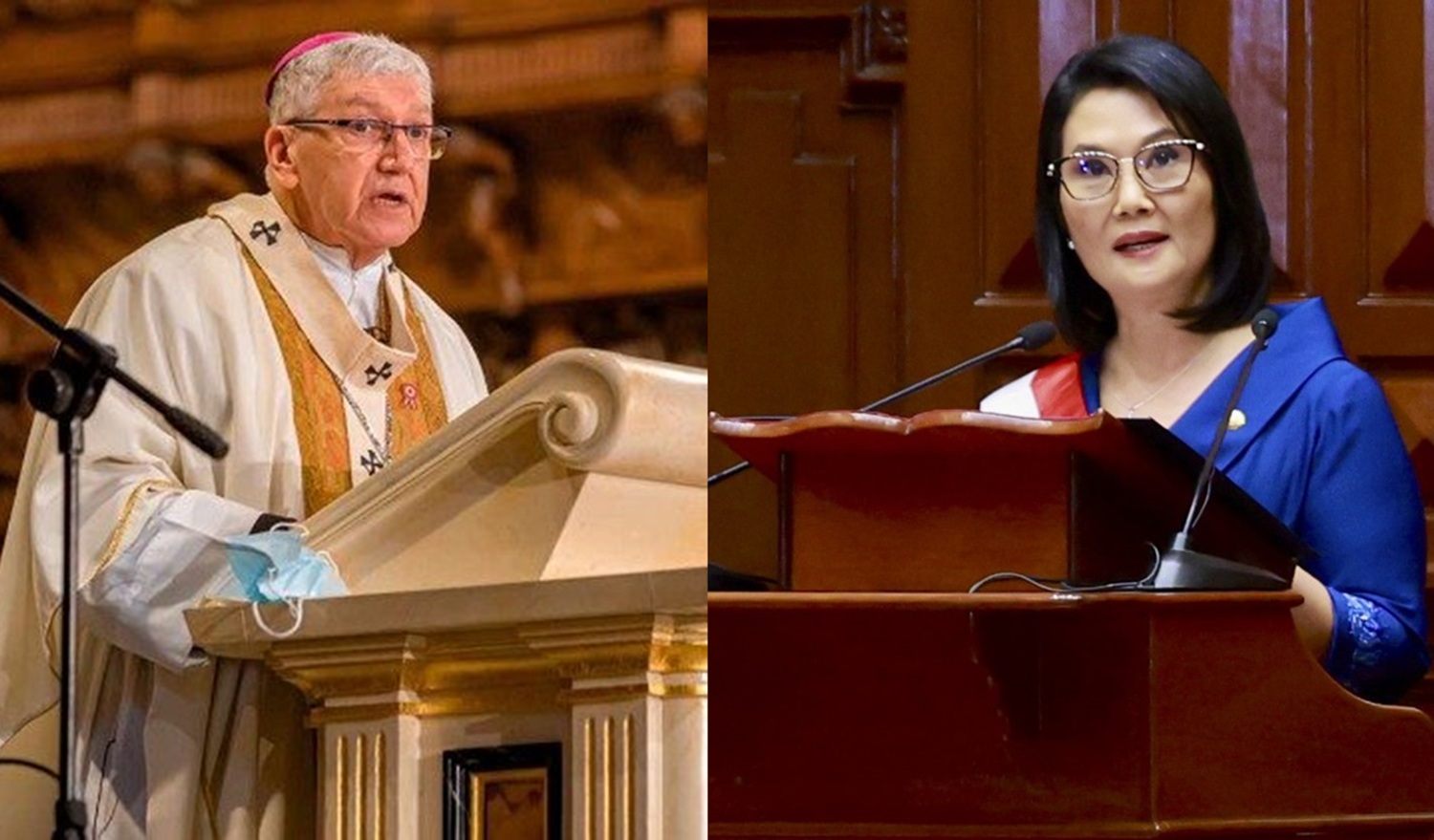
Agencia Peruana de Noticias PRENSAPERU.PE https://www.prensaperu.pe Twitter: @prensaperupe El Arzobispo de Lima y Primado del Perú, Mons. Carlos Castillo Mattasoglio, planteó con claridad en entrevista radial que la preparación para la visita del Papa León XIV —prevista del 11 al 17 de noviembre— no se reduce a ceremonias o logística, sino que exige coherencia moral, justicia y renovación de la vida en común. Su planteamiento central es que la mejor forma de recibir al Santo Padre es derogar las llamadas “leyes procrimen”, acompañando el gesto de fe con acciones que devuelvan seguridad y dignidad a la ciudadanía.
DESARROLLO Y DATOS CONCEPTUALES
1.- Preparación espiritual: Fe que se hace acción. La dimensión espiritual no se limita a oraciones o ritos: integra la oración con la obra, según la enseñanza evangélica y la teología social. El Espíritu Santo —explica el prelado— es amor mismo, y todo lo que construye, respeta y dignifica es esencialmente espiritual; por el contrario, lo que agrede, divide o destruye se aleja de ese sentido.
En este sentido, derogar normas que facilitan o protegen la extorsión, el sicariato y la violencia no es solo una medida de seguridad: es un acto de coherencia espiritual. “Mientras contemos con leyes que las protegen, hay que hacerlo —señaló—: disolver esas normas y levantar aquellas que sirven para organizar mejor la vida en sociedad”. La preparación para la visita papal pasa por reducir la violencia, investigar con seriedad a sus autores y aplicar sanciones verdaderas, no solo por la fuerza, sino por justicia.
2.- Diversidad y unidad: El alma del país La diversidad no es un defecto, sino una condición propia de la vida humana y social. La verdadera meta no es eliminar las diferencias, sino construir unidad en la diversidad: respetar lo distinto sin maltratarlo, valorar lo propio sin anular lo ajeno. El prelado advirtió que el problema no es que seamos diferentes, sino que nos hayamos acostumbrado a ofendernos y despreciarnos mutuamente.
3.- Los jóvenes: Protagonistas del encuentro. El Arzobispo informó que, a solicitud del propio Papa, se está organizando la participación juvenil: antes del encuentro, los jóvenes debatirán en parroquias y espacios comunitarios para elaborar preguntas que reflejen sus inquietudes reales, sus necesidades y lo que el país necesita transformar. Destacó que los jóvenes muestran un gran entusiasmo y una sensibilidad especial: son ágiles para servir, para ayudar a leer a los niños, apoyar comedores populares y buscar formas solidarias de actuar. Su interés revela también la necesidad de referentes éticos y de esperanza.
4.- Paz desarmada: Frente a la tecnología al servicio del lucro El Papa ha planteado una “paz desarmada”, opuesta a la lógica de la violencia, la acumulación y el uso de recursos —incluida la tecnología— solo para ganar más con menos personas, generando incluso conflictos que reducen la población. Esta visión, denuncia el prelado, es cruel y deshumanizada. Frente a ello, se propone humanizar la humanidad: cultivar la solidaridad, el respeto y el cuidado del lenguaje —desarmar también las palabras, evitar insultos y desprecios— para recuperar la reflexión y la convivencia digna.
5.- Organización comunitaria: El valor ancestral. Frente a la violencia y la sensación de impotencia, el Arzobispo reivindicó la capacidad de la sociedad de organizarse desde abajo: las comunidades campesinas, las organizaciones barriales y la autoorganización ciudadana, sin armas, apoyándose en esa sabiduría comunitaria que el pueblo peruano ha conservado por siglos. Advirtió que las estructuras centralizadas o la tecnología mal utilizada a veces terminan declarando a la gente “inepta”, cuando en realidad la fuerza está en la participación colectiva.
6.- Organización de la visita y previsión: La Comisión de la Santa Sede llegará por segunda vez para ultimar detalles del programa. Se prevé todo lo necesario, incluyendo planes de contingencia ante posibles emergencias —como ocurrió recientemente en Venezuela—, con el compromiso de adaptarse con responsabilidad si la situación lo requiere.
DATOS CONCEPTUALES
1.- La fe exige coherencia: Recibir al Papa no es solo un acto litúrgico, sino un compromiso con la justicia; derogar las normas que protegen la delincuencia es el primer gesto verdadero de preparación.
2.- Espiritualidad que transforma: Lo espiritual no está separado de la realidad: oración y acción deben ir juntas para construir una sociedad más justa y digna.
3.- Unidad sin uniformidad: El Perú no necesita dejar de ser diverso, sino aprender a convivir respetando las diferencias y rechazando el maltrato mutuo.
4.- Protagonismo de los jóvenes: Son una fuerza viva y solidaria; su participación preparada y consciente es clave para renovar la esperanza nacional.
5.- Paz y humanización frente a la lógica del lucro: Frente a la violencia y el uso deshumanizado de recursos, la propuesta es recuperar la solidaridad, el respeto y la organización comunitaria.
Fuente: Agencia Peruana de Noticias PRENSAPERU.PE https://www.prensaperu.pe Twitter: @prensaperupe
Translate
Archbishop Carlos Castillo: “President Fujimori, the best way to receive the Pope is to repeal the pro‑crime laws. The Holy Father demands justice and consistency, not ceremonies; violence must be healed.”
Peruvian News Agency PRENSAPERU.PE https://www.prensaperu.peTwitter: @prensaperupe The Archbishop of Lima and Primate of Peru, Monsignor Carlos Castillo Mattasoglio, clearly stated in a radio interview that preparation for the visit of Pope Leo XIV — scheduled from November 11 to 17 — is not limited to ceremonies or logistics, but demands moral coherence, justice, and the renewal of life in common. His central point is that the best way to welcome the Holy Father is to repeal the so‑called “pro‑crime laws”, accompanying the act of faith with measures that restore security and dignity to all citizens.
DEVELOPMENT AND CONCEPTUAL DATA
1.- Spiritual preparation: Faith made action. The spiritual dimension is not confined to prayer or rituals: it integrates prayer with works, in accordance with Gospel teaching and social doctrine. The Holy Spirit — the prelate explains — is love itself; all that builds, respects, and dignifies is essentially spiritual; conversely, whatever harms, divides, or destroys moves away from that meaning.
In this sense, repealing rules that facilitate or protect extortion, contract killing, and violence is not merely a security measure: it is an act of spiritual coherence. “As long as we have laws that protect these acts, we must act — he said —: dissolve those norms and instead uphold those that help organize society better.” Preparation for the papal visit means reducing violence, seriously investigating those responsible, and applying true sanctions, not only by force but out of justice.
2.- Diversity and unity: The soul of the nation. Diversity is not a flaw, but a natural condition of human and social life. The true goal is not to erase differences, but to build unity within diversity: respecting what is distinct without mistreating it, valuing what is ours without annulling what belongs to others. The prelate warned that the problem is not that we are different, but that we have grown accustomed to offending and despising one another.
3.- Young people: Protagonists of the encounter. The Archbishop reported that, at the Pope’s own request, youth participation is being organized: before the meeting, young people will debate in parishes and community spaces to formulate questions that reflect their real concerns, their needs, and what the country needs to transform. He highlighted that young people show great enthusiasm and special sensitivity: they are quick to serve, to help children learn to read, to support community soup kitchens, and to find ways of acting in solidarity. Their interest also reveals the need for ethical references and hope.
4.- Disarmed peace: Against technology at the service of profit The Pope has put forward a “disarmed peace”, opposed to the logic of violence, accumulation, and the use of resources — including technology — solely to gain more with fewer people, even generating conflicts that reduce populations. This outlook, the prelate denounces, is cruel and dehumanizing. In its place, he proposes humanizing humanity: cultivating solidarity, respect, and care for language — also disarming words, avoiding insults and contempt — to restore reflection and dignified coexistence.
5.- Community organization: Ancestral value. Faced with violence and feelings of helplessness, the Archbishop reaffirmed society’s capacity to organize from below: peasant communities, neighborhood organizations, and grassroots self‑organization, without weapons, drawing on that communal wisdom that the Peruvian people have preserved for centuries. He warned that centralized structures or misused technology sometimes dismiss people as “inept”, when in reality strength lies in collective participation.
6.- Visit organization and contingency planning: The Holy See’s Commission will arrive for the second time to finalize programme details. All necessary arrangements are being made, including contingency plans for possible emergencies — as recently seen in Venezuela — with a commitment to adapt responsibly should circumstances require.
CONCEPTUAL DATA
1.- Faith demands coherence: Welcoming the Pope is not only a liturgical act, but a commitment to justice; repealing norms that protect crime is the first true gesture of preparation.
2.- Transforming spirituality: The spiritual is not separate from reality: prayer and action must go hand in hand to build a more just and dignified society.
3.- Unity without uniformity: Peru does not need to cease being diverse, but to learn to live together respecting differences and rejecting mutual mistreatment.
4.- Protagonism of young people: They are a living and supportive force; their prepared and conscious participation is key to renewing national hope.
5.- Peace and humanization against the logic of profit: In the face of violence and the dehumanizing use of resources, the path is to recover solidarity, respect, and community organization.
Source: Peruvian News Agency PRENSAPERU.PE https://www.prensaperu.pe Twitter: @prensaperupe