
Agencia Peruana de Noticias PRENSAPERU.PE https://www.prensaperu.pe Twitter: @prensaperupe Una medida histórica ha sido puesta en marcha por el Gobierno del Perú: el Ministerio de Comercio Exterior y Turismo (Mincetur), en estrecha coordinación con el Ministerio de Cultura y el Servicio Nacional de Áreas Naturales Protegidas por el Estado (Sernanp), ha iniciado oficialmente la elaboración del Estudio de Capacidad de Carga y Límite de Cambio Aceptable del Santuario Histórico de Machu Picchu.
Se trata de un paso decisivo que marca el inicio de una nueva etapa en la gestión del principal destino turístico del país y uno de los bienes patrimoniales más reconocidos del mundo. Hasta ahora, las decisiones sobre el ingreso de visitantes, los recorridos y la protección del monumento se tomaban con criterios que no siempre contaban con el respaldo técnico y científico actualizado. A partir de este estudio, el Perú contará con una base sólida, objetiva y medible para ordenar la actividad turística, proteger el patrimonio y garantizar que Machu Picchu permanezca íntegro para las generaciones venideras.
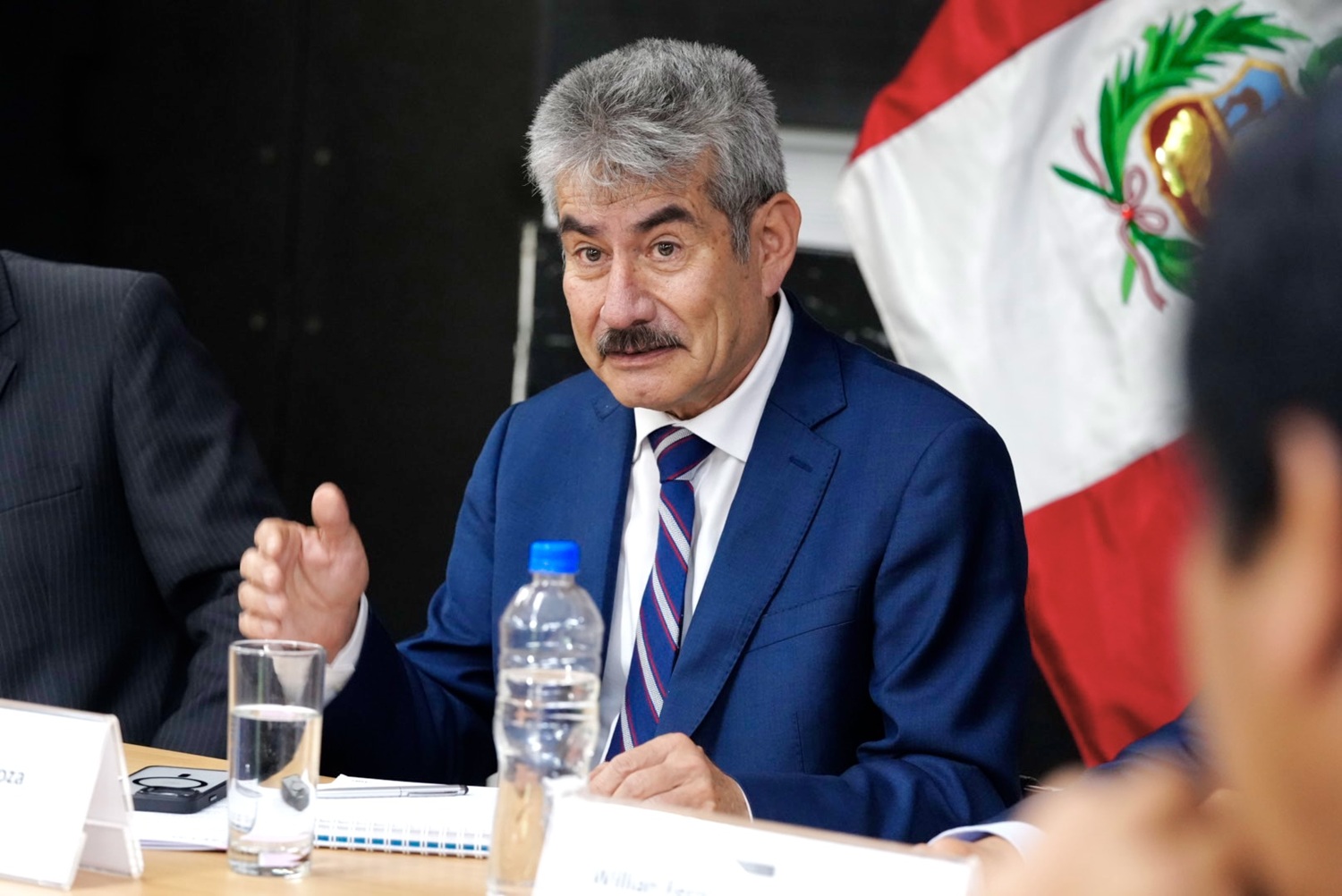
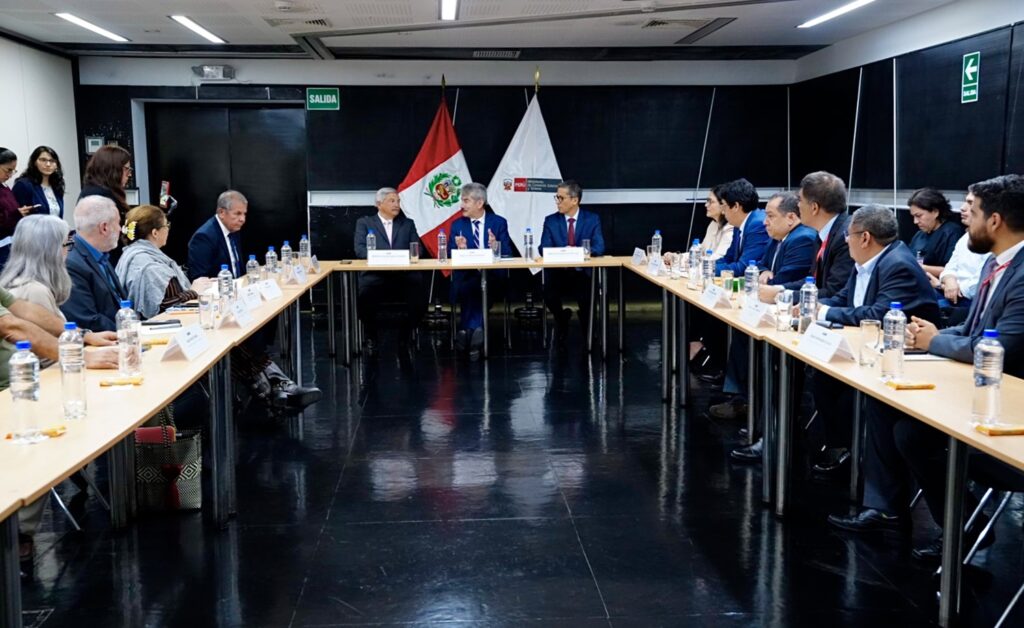
El ministro de Comercio Exterior y Turismo, Rogers Valencia, lideró la reunión de lanzamiento junto al equipo técnico de la empresa ARS Progetti SPA, encargada de la investigación. En el encuentro participaron también el ministro de Cultura, Alberto Beingolea; el viceministro de Desarrollo Estratégico de los Recursos Naturales, William Fernando León; la viceministra de Turismo, Liz Chirinos; y el presidente ejecutivo de Sernanp, José Carlos Nieto, entre otras autoridades. La presencia de representantes de los tres sectores —Turismo, Cultura y Ambiente—, así como del Gobierno Regional del Cusco y gobiernos locales, refleja la voluntad de trabajar de manera articulada, superando la fragmentación que en el pasado dificultó una gestión integral.
El estudio tiene un plazo de ejecución de 190 días calendario, es decir, aproximadamente seis meses y medio, y se entregará durante el primer semestre de 2027. Su contenido se ajusta al Plan Maestro del Santuario Histórico de Machu Picchu 2026–2031, documento rector que orienta todas las acciones en el área protegida.
El trabajo se desarrollará en cuatro fases:
1.- Planificación e inicio.
2.- Diagnóstico y línea base.
3.- Evaluación y modelamiento.
4.- Propuesta final e implementación.
En los próximos días, los especialistas iniciarán el trabajo de campo en el Cusco y en la propia Machu Picchu, recorriendo el Camino Inka, la Llaqta y los espacios aledaños. El proceso incluirá entrevistas, talleres participativos y recolección directa de datos, de modo que la propuesta no sea solo técnica, sino también recogida desde la realidad de quienes viven y trabajan en torno al monumento.
Como señaló el ministro Rogers Valencia, este esfuerzo reafirma que es posible conciliar el disfrute del patrimonio con su conservación: que más personas puedan conocerlo, pero sin que ese acceso degrade el lugar que todos aman.
DATOS CONCEPTUALES
Capacidad de Carga: Es el número máximo de visitantes que puede recibir un espacio determinado en un periodo dado, sin causar alteraciones significativas en el patrimonio ni deterioro en la experiencia de quien lo visita. No se trata de un número arbitrario: se calcula midiendo factores físicos, biológicos, sociales y de infraestructura.
Límite de Cambio Aceptable (LCA): Es un enfoque más avanzado que la simple capacidad de carga. En lugar de fijar solo cuánta gente entra, define qué nivel de transformación del entorno se considera admisible. Es decir: ¿qué cambios podemos permitir sin perder la esencia y la integridad de Machu Picchu? Establece metas de calidad y medidas para mantenerlas.
Plan Maestro: Es el instrumento de planificación fundamental de toda área natural o cultural protegida. Contiene los objetivos, normas, programas y proyectos que orientan la gestión durante cinco años. Todo lo que se hace en Machu Picchu debe enmarcarse en este documento.
Gestión Integral: Significa que la protección de Machu Picchu no depende de una sola institución, sino de la acción coordinada de Turismo, Cultura, Ambiente, Gobierno Regional y gobiernos locales. Cada uno tiene competencias distintas que deben complementarse.
Patrimonio de valor universal excepcional: Es la categoría que la UNESCO otorga a bienes cuya importancia trasciende fronteras y pertenece, en sentido simbólico, a toda la humanidad. Esto implica que el Perú tiene la obligación de protegerlo no solo para sí mismo, sino para el mundo entero.
CONCLUSIONES
1.- Se pasa de la improvisación a la ciencia. Por primera vez en mucho tiempo, el ordenamiento del turismo en Machu Picchu se sustentará en datos medibles, trabajo de campo y criterios técnicos actualizados, y no en decisiones coyunturales o presiones inmediatas. Es un cambio de método que fortalece la institucionalidad.
2.- La sostenibilidad requiere unidad de acción. La participación conjunta de los ministerios de Comercio Exterior y Turismo, de Cultura y del Ambiente, sumada a las autoridades regionales y locales, demuestra que la protección de Machu Picchu no puede ser tarea de uno solo. La articulación entre sectores es la garantía de que las medidas se cumplirán y se mantendrán en el tiempo.
3.- No hay contradicción entre abrir las puertas y cuidar la casa. El estudio confirma que se puede recibir a más personas sin dañar el patrimonio, siempre que se establezcan reglas claras y respetadas. El verdadero crecimiento del turismo no es recibir más visitantes desordenadamente, sino ofrecer una experiencia digna mientras se preserva el legado para el futuro.
Fuente: Agencia Peruana de Noticias PRENSAPERU.PE https://www.prensaperu.pe Twitter: @prensaperupe
Translate
Mincetur: Machu Picchu to Have Clear Rules. Scientific Study Will Define How Many Visitors May Enter Without Harming the Site. Government Moves From Improvisation to Science, Launching Historic Plan to Regulate Tourism at the Citadel.
Peruvian News Agency PRENSAPERU.PE https://www.prensaperu.pe Twitter: @prensaperupe A historic measure has been launched by the Government of Peru: the Ministry of Foreign Trade and Tourism (Mincetur), in close coordination with the Ministry of Culture and the National Service of Natural Areas Protected by the State (Sernanp), has officially begun preparing the Carrying Capacity and Acceptable Change Limit Study for the Historic Sanctuary of Machu Picchu.
This is a decisive step marking the start of a new stage in the management of the country’s leading tourist destination and one of the world’s most recognized heritage sites. Until now, decisions regarding visitor access, itineraries, and the protection of the monument were made based on criteria that did not always rely on updated technical and scientific support. From this study onward, Peru will have a solid, objective, and measurable foundation for regulating tourist activity, protecting heritage, and ensuring that Machu Picchu remains intact for future generations.
The Minister of Foreign Trade and Tourism, Rogers Valencia, led the launch meeting alongside the technical team from ARS Progetti SPA, the firm entrusted with the research. Also attending were the Minister of Culture, Alberto Beingolea; the Deputy Minister for Strategic Development of Natural Resources, William Fernando León; the Deputy Minister of Tourism, Liz Chirinos; and the Executive President of Sernanp, José Carlos Nieto, among other authorities. The presence of representatives from the three sectors — Tourism, Culture, and Environment — as well as from the Regional Government of Cusco and local governments, reflects the commitment to work in a coordinated manner, overcoming the fragmentation that hindered comprehensive management in the past.
The study has an execution period of 190 calendar days, approximately six and a half months, and is scheduled for completion in the first half of 2027. Its content aligns with the Master Plan of the Historic Sanctuary of Machu Picchu 2026–2031, the guiding document that governs all actions within the protected area.
The work will be carried out in four phases:
1.- Planning and initiation.
2.- Diagnosis and baseline.
3.- Evaluation and modeling.
4.- Final proposal and implementation.
In the coming days, specialists will begin fieldwork in Cusco and at Machu Picchu itself, touring the Inca Trail, the Citadel, and surrounding areas. The process will include interviews, participatory workshops, and direct data collection, ensuring that the proposal is not merely technical but also shaped by the reality of those who live and work around the monument.
As Minister Rogers Valencia stated, this effort reaffirms that enjoying heritage and conserving it can go hand in hand: that more people may experience it without access degrading the place we all cherish.
CONCEPTUAL FRAMEWORK
Carrying Capacity: The maximum number of visitors that a given site can receive within a specific period without causing significant alteration to the heritage or diminishing the experience of those visiting. This is not an arbitrary figure: it is calculated by measuring physical, biological, social, and infrastructure-related factors.
Acceptable Change Limit (ACL): A more advanced approach than carrying capacity alone. Rather than simply determining how many people may enter, it defines what level of environmental transformation is considered acceptable. In other words: what changes can we allow without compromising the essence and integrity of Machu Picchu? It establishes quality objectives and measures to uphold them.
Master Plan: The fundamental planning instrument for any protected natural or cultural area. It sets forth the objectives, standards, programs, and projects guiding management over a five-year period. All actions taken at Machu Picchu must align with this document.
Comprehensive Management: Means that the protection of Machu Picchu does not depend on a single institution, but rather on coordinated action among Tourism, Culture, Environment, the Regional Government, and local governments. Each has distinct responsibilities that must complement one another.
Outstanding Universal Value Heritage: The designation granted by UNESCO to sites whose importance transcends national borders and which belong, symbolically, to all of humanity. This implies that Peru has a duty to protect it not only for itself but for the entire world.
CONCLUSIONS
1.- From improvisation to science. For the first time in a long time, tourism management at Machu Picchu will be grounded in measurable data, fieldwork, and updated technical criteria, rather than ad hoc decisions or immediate pressures. This methodological shift strengthens institutional governance.
2.- Sustainability requires unity of action. The joint participation of the Ministries of Foreign Trade and Tourism, Culture, and Environment, together with regional and local authorities, demonstrates that the protection of Machu Picchu cannot be the task of one alone. Cross-sector coordination ensures that measures will be implemented and sustained over time.
3.- Opening doors and caring for home are not mutually exclusive. The study confirms that greater visitor numbers can be accommodated without harming the heritage, provided that clear, respected regulations are established. True tourism growth is not about receiving more visitors in disorganized fashion, but about offering a dignified experience while preserving the legacy for generations to come.
Source: Peruvian News Agency PRENSAPERU.PE https://www.prensaperu.pe Twitter: @prensaperupe