
Agencia Peruana de Noticias PRENSAPERU.PE https://www.prensaperu.pe Twitter: @prensaperupe La Marina de Guerra del Perú conmemoró el 115.° aniversario de la creación de la Fuerza de Submarinos en una ceremonia realizada en la Base Naval del Callao, presidida por el Comandante General de la Marina, Almirante Javier Bravo de Rueda Delgado, acompañado por el Comandante General de Operaciones del Pacífico, Vicealmirante Gian Marco Chiapperini Faverio, y el Comandante de la Fuerza de Submarinos, Contralmirante Luis León Cores. El acto reunió a oficiales almirantes, personal superior y subalterno, ex comandantes de la Fuerza, oficiales en retiro y representantes de la Asociación de Oficiales Submarinistas del Perú, en un reconocimiento a una institución que ha marcado la soberanía marítima del país desde hace más de un siglo.
El Comandante de la Fuerza de Submarinos destacó el aporte trascendental de esta fuerza al cumplimiento de los roles estratégicos de la Marina de Guerra y su importancia para la defensa y vigilancia del dominio marítimo nacional. Asimismo, resaltó la experiencia operacional acumulada por sus unidades y el decidido proceso de fortalecimiento y recuperación de capacidades submarinas que la institución viene implementando, un esfuerzo que garantiza la vigencia y modernidad de esta capacidad disuasiva esencial.
La Fuerza de Submarinos fue creada el 19 de agosto de 1911, convirtiendo al Perú en el primer país de América Latina en incorporar submarinos a su Armada. A 115 años de su fundación, mantiene intacto su compromiso con la defensa de los intereses nacionales y la seguridad marítima del país, evolucionando constantemente para responder a los desafíos de cada época.
HITOS DE LA VÍSPERA: LA BOTADURA QUE ACOMPAÑA EL ANIVERSARO
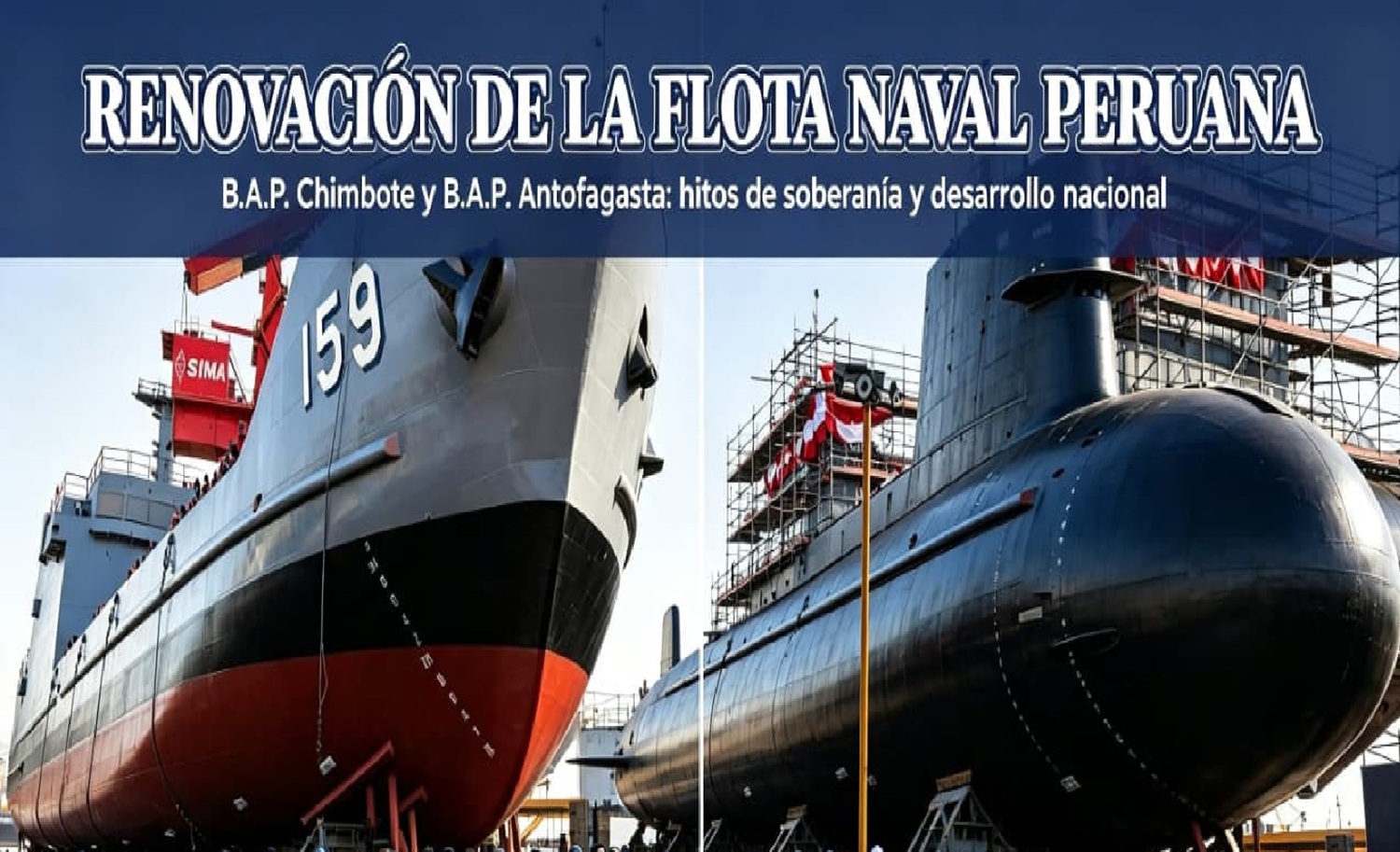
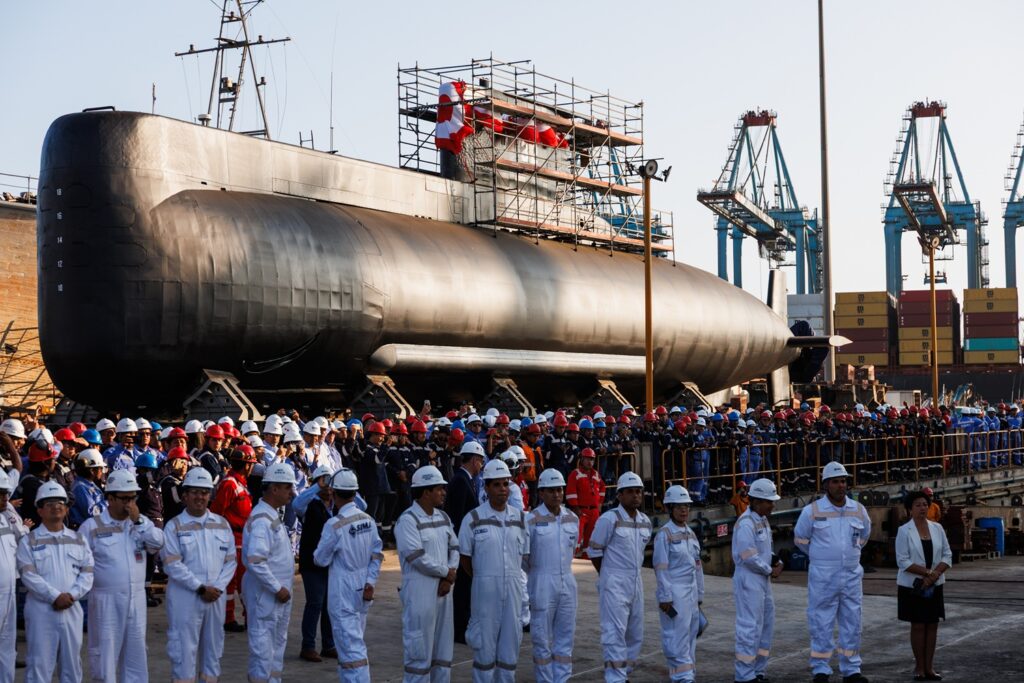
En este mismo contexto de renovación institucional, en la víspera se concretaron dos hitos industriales y navales de gran relevancia en el Centro de Operaciones Callao del SIMA Perú: el bautizo y botadura del Buque Auxiliar de Aprovisionamiento Logístico B.A.P. “Chimbote” (AAL-159) y la puesta en el agua del submarino B.A.P. “Antofagasta” (SS-32). La ceremonia fue presidida por la Presidenta de la República, Keiko Fujimori Higuchi, y contó con la presencia del Ministro de Defensa y altas autoridades civiles y militares.
El B.A.P. “Chimbote”, con 58,9 metros de eslora y 13,2 metros de manga, posee una autonomía de hasta 30 días y está diseñado para transportar personal, vehículos, municiones, víveres y ayuda humanitaria, además de apoyar operaciones ante desastres. Su construcción incluyó transferencia tecnológica de Hyundai Heavy Industries, fortaleciendo las capacidades del SIMA Perú y la industria naval nacional. Por su parte, el B.A.P. “Antofagasta” forma parte del programa de recuperación de la capacidad submarina, un componente central del proceso de modernización que hoy celebra su aniversario con nuevas unidades en camino. Estos avances se suman a la reciente botadura del B.A.P. “Talara” (AAL-160), consolidando un ciclo sostenido de renovación de la flota.
DATOS CONCEPTUALES
Fuerza de Submarinos: Componente de la Marina de Guerra integrada por unidades sumergibles dotadas de gran capacidad de disuasión, sigilo y proyección estratégica. Su valor principal radica en su capacidad de actuar sin ser detectada, constituyendo uno de los elementos defensivos más respetados en el ámbito naval mundial.
Disuasión estratégica: Capacidad de un país para generar en un adversario potencial la certeza de que un ataque recibirá una respuesta proporcional y efectiva, desincentivando cualquier acción hostil. Los submarinos son uno de los instrumentos más poderosos de disuasión en el mar.
Dominio marítimo: El ejercicio pleno de soberanía y control sobre el mar territorial, la zona económica exclusiva y el fondo marino, así como la capacidad de vigilarlo, defenderlo y asegurar el libre uso de las vías navegables.
SIMA Perú (Servicio Industrial de la Marina): Empresa estatal adscrita al sector Defensa, encargada de la construcción, reparación y modernización de buques y embarcaciones navales. Es el principal astillero del país y el soporte industrial de la soberanía naval.
Botadura: Acto ceremonial y técnico mediante el cual una embarcación nueva es puesta por primera vez en el agua. Es un hito fundamental en su proceso de construcción y marca el inicio de su vida operativa.
Transferencia tecnológica: Proceso de intercambio de conocimientos, técnicas y diseños entre entidades, que permite a un país desarrollar capacidades propias y reducir su dependencia externa en materia de defensa e industria.
CONCLUSIONES
1.- La Fuerza de Submarinos no es solo una unidad naval, sino un símbolo de soberanía y visión de Estado. Ser el primer país de América Latina en incorporar submarinos en 1911 demuestra que el Perú comprendió hace más de un siglo la importancia de dominar el mar para garantizar su futuro como nación.
2.- El 115.° aniversario no es solo una celebración histórica, sino el punto de partida de una nueva etapa de fortalecimiento. La conmemoración coincide con el proceso de recuperación de capacidades submarinas, evidenciando que la institución honra su pasado renovándose para el futuro.
3.- La puesta en el agua del B.A.P. “Antofagasta” confirma que el Perú recupera una capacidad estratégica que estuvo en riesgo. La modernización y retorno a servicio de unidades submarinas cierra una brecha crítica en la defensa nacional y devuelve al país su plena capacidad de disuasión en el mar.
4.- La construcción del B.A.P. “Chimbote” y del B.A.P. “Talara” demuestra que la industria naval peruana es una realidad sólida y creciente. El SIMA Perú no solo repara, sino que construye buques con transferencia tecnológica, generando empleo, conocimiento y desarrollo para el país.
5.- La modernización naval fortalece tanto la defensa como el apoyo a la población civil. Buques como el “Chimbote” combinan capacidades logísticas militares con la posibilidad de transportar ayuda humanitaria y responder ante desastres, demostrando que la institución sirve a todo el país en todo momento.
6.- La combinación de unidades submarinas renovadas y nuevos buques logísticos conforma un sistema de defensa integral y equilibrado. No basta con tener poder de disuasión; también se requiere capacidad de abastecer, transportar y sostener operaciones en el mar. El Perú avanza en ambos frentes, consolidando una Marina de Guerra moderna, autónoma y al servicio de la nación.
Fuente: Agencia Peruana de Noticias PRENSAPERU.PE https://www.prensaperu.pe Twitter: @prensaperupe
Translate
115 Years Protecting Peru’s Seas! Submarine Force Celebrates Anniversary Alongside the “Antofagasta”, Pride of Latin America. Also Commemorated: the Launching of B.A.P. “Chimbote” and, Days Earlier, of B.A.P. “Talara”.
Peruvian News Agency PRENSAPERU.PE https://www.prensaperu.pe Twitter: @prensaperupe The Peruvian Navy (Marina de Guerra del Perú) commemorated the 115th anniversary of the creation of the Submarine Force in a ceremony held at the Callao Naval Base, presided over by the Commander General of the Navy, Admiral Javier Bravo de Rueda Delgado, and joined by the Commander General of Pacific Operations, Vice Admiral Gian Marco Chiapperini Faverio, and the Commander of the Submarine Force, Rear Admiral Luis León Cores. The event brought together flag officers, senior and junior personnel, former Submarine Force commanders, retired officers, and representatives of the Peruvian Submariners Officers Association, in a tribute to an institution that has defined the nation’s maritime sovereignty for over a century.
The Commander of the Submarine Force highlighted the unit’s transcendental contribution to fulfilling the strategic roles of the Navy and its importance for the defense and surveillance of national maritime domains. He also emphasized the operational experience accumulated by its vessels and the determined process of strengthening and recovering submarine capabilities being implemented by the institution — an effort that guarantees the continuity and modernity of this essential deterrent capacity.
The Submarine Force was established on August 19, 1911, making Peru the first country in Latin America to incorporate submarines into its Navy. One hundred and fifteen years after its founding, it maintains an unwavering commitment to defending national interests and maritime security, constantly evolving to meet the challenges of each era.
MILESTONES OF THE PREVIOUS DAY: THE LAUNCH THAT ACCOMPANIES THE ANNIVERSARY
Within this same context of institutional renewal, two major industrial and naval milestones were achieved the previous day at SIMA Perú’s Callao Operations Center: the christening and launching of the Logistical Support Auxiliary Ship B.A.P. “Chimbote” (AAL‑159) and the floating‑out of the submarine B.A.P. “Antofagasta” (SS‑32). The ceremony was presided over by the President of the Republic, Keiko Fujimori Higuchi, and was attended by the Minister of Defense and high civilian and military authorities.
The B.A.P. “Chimbote” — 58.9 meters in length and 13.2 meters in beam — has an endurance of up to 30 days and is designed to transport personnel, vehicles, ammunition, provisions, and humanitarian aid, as well as support disaster‑response operations. Its construction included technology transfer from Hyundai Heavy Industries, strengthening the capabilities of SIMA Perú and the national shipbuilding industry. Meanwhile, the B.A.P. “Antofagasta” is part of the Submarine Capability Recovery Program, a central component of the modernization process that celebrates its anniversary with new vessels on the way. These advances follow the recent launching of the B.A.P. “Talara” (AAL‑160), consolidating a sustained cycle of fleet renewal.
CONCEPTUAL DATA
Submarine Force: Component of the Navy made up of submersible vessels with great deterrent capacity, stealth, and strategic reach. Its primary value lies in its ability to operate undetected, making it one of the most respected defense assets in global naval affairs.
Strategic deterrence: The ability of a nation to convince any potential adversary that an attack will be met with a proportional and effective response, thereby discouraging hostile action. Submarines are among the most powerful instruments of maritime deterrence.
Maritime domain: The full exercise of sovereignty and control over territorial waters, the exclusive economic zone, and the seabed, as well as the capacity to monitor, defend, and guarantee freedom of navigation.
SIMA Perú (Naval Industrial Service): State‑owned enterprise under the Ministry of Defense, responsible for the construction, repair, and modernization of naval vessels. It is the country’s primary shipyard and the industrial foundation of naval sovereignty.
Launching: The ceremonial and technical act of placing a newly built vessel into the water for the first time. It marks a major milestone in the construction process and the beginning of the vessel’s operational life.
Technology transfer: The process of exchanging knowledge, techniques, and designs between entities, enabling a country to develop independent capabilities and reduce external dependence in defense and industry.
CONCLUSIONS
1.- The Submarine Force is more than a naval unit — it is a symbol of sovereignty and state vision. Being the first nation in Latin America to commission submarines in 1911 demonstrates that Peru understood more than a century ago that mastery of the sea is essential to guaranteeing the nation’s future.
2.- The 115th anniversary is not merely a historical celebration, but the starting point of a new era of strengthening. The commemoration coincides with the ongoing recovery of submarine capabilities, proving that the institution honors its past by renewing itself for the future.
3.- The floating‑out of the B.A.P. “Antofagasta” confirms that Peru is recovering a strategic capability that was at risk. The modernization and return to service of submarine units closes a critical gap in national defense and restores the country’s full maritime deterrent capacity.
4.- The construction of the B.A.P. “Chimbote” and B.A.P. “Talara” demonstrates that Peru’s naval industry is a solid and growing reality. SIMA Perú does not only repair vessels — it builds ships under international standards, with technology transfer, generating employment, knowledge, and national development.
5.- Naval modernization strengthens both defense and civil support roles. Vessels like the “Chimbote” combine military logistical capabilities with the ability to deliver humanitarian aid and respond to disasters, proving that the institution serves the entire nation at all times.
6.- The combination of renewed submarines and new logistical support vessels forms a comprehensive and balanced defense system. Deterrence power alone is not enough; the ability to supply, transport, and sustain operations at sea is equally vital. Peru is advancing on both fronts, consolidating a modern, autonomous Navy at the service of the nation.
Source: Peruvian News Agency PRENSAPERU.PE https://www.prensaperu.pe Twitter: @prensaperupe