
Agencia Peruana de Noticias PRENSAPERU.PE https://www.prensaperu.pe Twitter: @prensaperupe Ya estamos a las puertas de una nueva jornada democrática. El próximo 4 de octubre, millones de peruanos en cada rincón del país —desde las grandes ciudades hasta las provincias y los pueblos más alejados— tendremos la responsabilidad y el honor de elegir a quienes conducirán los destinos de sus regiones y municipios. Este proceso no es tarea exclusiva de las instituciones electorales: es un compromiso de todos. Las autoridades deben velar por la legalidad y la transparencia; los miembros de mesa, con puntualidad y dedicación, garantizar la pureza del sufragio; y cada ciudadano, ejercer su voto con conciencia, informado y con el firme propósito de construir un mejor futuro para su comunidad. La democracia se fortalece cuando todos participamos. Hoy, más que nunca, la patria espera el compromiso cívico de cada uno de nosotros.
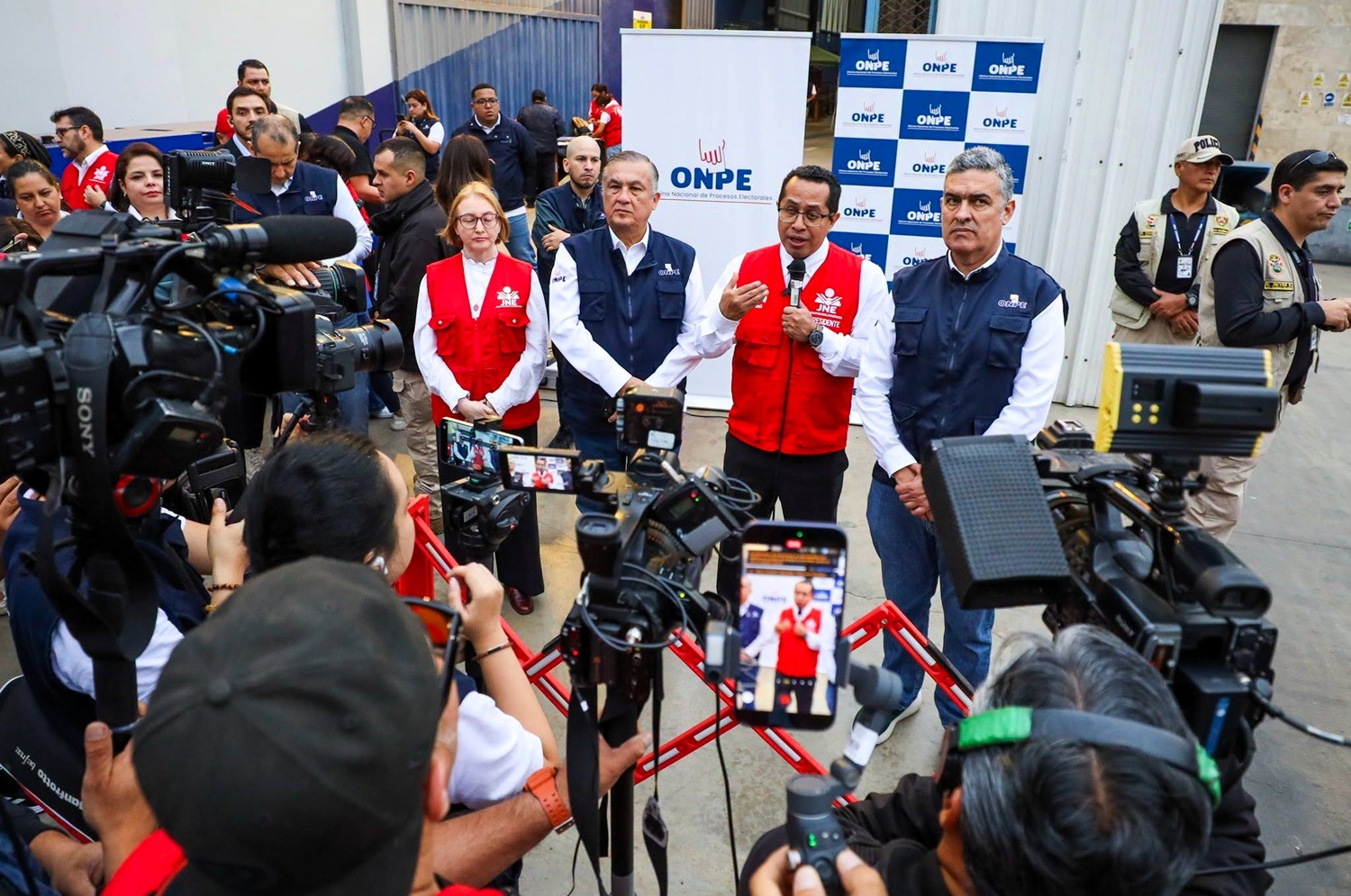
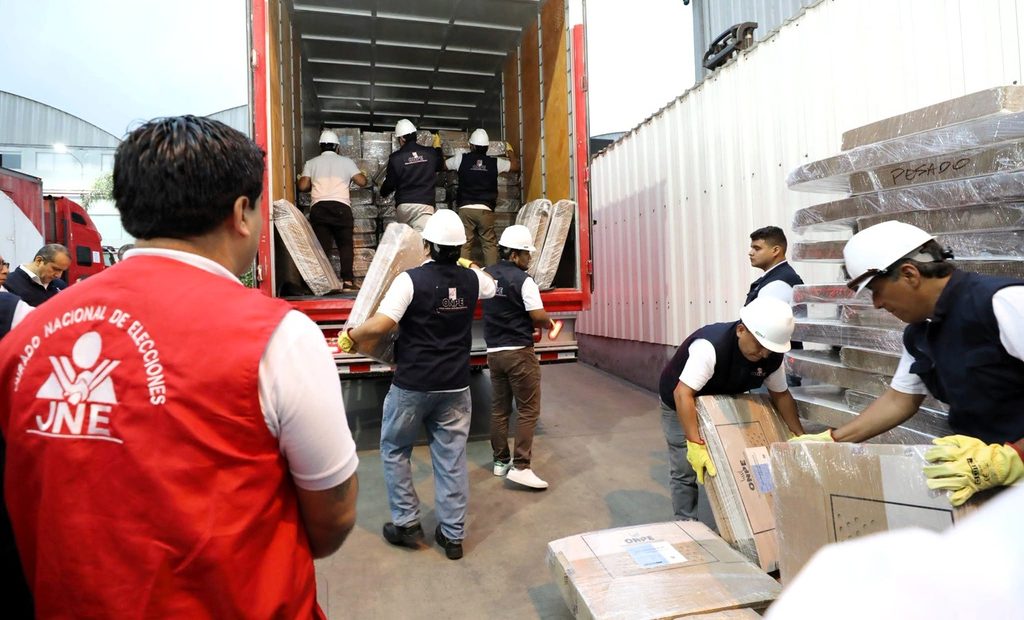
El Jurado Nacional de Elecciones (JNE), encabezado por su presidente, el magistrado Roberto Burneo Bermejo, ha iniciado la fiscalización del despliegue nacional del material electoral que se utilizará en las Elecciones Regionales y Municipales (ERM) del próximo domingo 4 de octubre. Esta actividad marca el inicio de una de las etapas más críticas del proceso: la distribución segura, oportuna y transparente de todo lo necesario para que más de 20 millones de peruanos puedan ejercer su derecho al voto.
DESPLIEGUE DEL MATERIAL ELECTORAL Y EL CRONOGRAMA
El magistrado Burneo Bermejo destacó que esta labor refleja el trabajo articulado entre las dos entidades clave del sistema electoral: el JNE y la ONPE. “Nos mantendremos fiscalizando el traslado del material electoral a provincias cuyo proceso de entrega culmina el 2 de octubre”, precisó. A partir de esa misma fecha, se iniciará el traslado del material hacia Lima Metropolitana y el Callao, zonas de mayor concentración electoral. La fiscalización —enfatizó— es permanente, las 24 horas del día, sin interrupción, para garantizar que ningún detalle quede sin supervisión.
El primer envío de material electoral se dirige hacia las ODPE de Ucayali, Coronel Portillo, Requena, Maynas, Atalaya, Puerto Inca, Mariscal Ramón Castilla y Tambopata: zonas de la selva peruana, donde la logística es particularmente compleja por la geografía y las vías de acceso. Al llegar a cada ODPE, los fiscalizadores de los Jurados Electorales Especiales (JEE) verifican que el material llegue en óptimas condiciones, completo y sin alteraciones, antes de su posterior distribución a los centros de votación.
EL CONTEXTO DEL FENÓMENO EL NIÑO
Un factor que ha impreso mayor exigencia a todo el proceso es la amenaza del Fenómeno El Niño, que puede generar lluvias intensas, desbordes de ríos, cortes de carreteras y aislamiento de zonas. Ante ello, el JNE y la ONPE han activado comisiones multisectoriales de prevención y respuesta rápida, para poder reaccionar de inmediato ante cualquier emergencia y asegurar que el material llegue a su destino, incluso en escenarios adversos. Esta previsión demuestra que la planificación electoral debe considerar no solo lo administrativo, sino también los riesgos climáticos del país.
LLAMADO A LA CIUDADANÍA
El presidente del JNE hizo un llamado directo a la población:
“Invocamos a los ciudadanos a cumplir su rol como miembros de mesa y como electores, y a informarse previamente a través de los canales oficiales del sistema electoral para emitir un voto informado.”
El voto no es solo un derecho, sino una responsabilidad. Y para que sea verdaderamente libre y útil, debe ser informado. Asimismo, los miembros de mesa —ciudadanos elegidos entre todos nosotros— son los primeros guardianes de la transparencia en cada local de votación. Su compromiso y puntualidad son indispensables.
AUTORIDADES PRESENTES
En el acto de inicio del traslado participaron, por el JNE: la secretaria general, Yessica Clavijo Chipoco; la gerente general, Gina Salazar Lozano; y el director de la Dirección Nacional de Fiscalización y Procesos Electorales, Alberto Kuroiwa. Por la ONPE estuvieron su jefe interino, Bernardo Pachas Serrano, y el gerente de Gestión Electoral, Gustavo García. La presencia de las máximas autoridades de ambas instituciones evidencia la coordinación interinstitucional que el sistema electoral requiere para funcionar con eficacia.
BASE LEGAL
Toda esta labor fiscalizadora se realiza en estricto cumplimiento del Artículo 179 de la Ley Orgánica de Elecciones, norma que otorga al JNE la facultad de supervisar cada paso del proceso electoral. Su finalidad última no es otra que garantizar la voluntad popular, la legalidad y la transparencia, tres pilares sin los cuales no existe democracia plena.
DATOS CONCEPTUALES
Jurado Nacional de Elecciones (JNE): Máxima autoridad del sistema electoral peruano, encargada de velar por la legalidad y validez de los actos electorales, resolver las controversias y proclamar los resultados oficiales. Su función es garantizar que la voluntad popular se exprese con libertad y transparencia.
ONPE (Oficina Nacional de Procesos Electorales): Organismo responsable de la organización y ejecución logística de los procesos electorales. Se encarga de elaborar el material de sufragio, distribuirlo, instalar las mesas de votación y recabar los resultados el día de la elección.
Fiscalización electoral: Atribución constitucional y legal del JNE para supervisar, verificar y controlar cada etapa del proceso electoral —desde la elaboración del material hasta el escrutinio final— asegurando que se cumpla estrictamente la normativa vigente.
ODPE (Oficinas Descentralizadas de Procesos Electorales): Sedes regionales desde donde se coordinan y ejecutan las actividades electorales en cada jurisdicción, actuando como eslabón fundamental entre el nivel nacional y los centros de votación.
Miembros de mesa: Ciudadanos elegidos por sorteo y designación, responsables de instalar la mesa de sufragio, recibir los votos y realizar el escrutinio. Son los garantes directos de la transparencia en cada mesa de votación.
Voto informado: Ejercicio del sufragio tras conocer con claridad las propuestas, las trayectorias y las opciones disponibles. Constituye la base de una democracia sólida, ya que permite al elector decidir con criterio y responsabilidad.
Ley Orgánica de Elecciones (Artículo 179): Norma legal que faculta expresamente al JNE para ejercer supervisión permanente sobre todas las entidades y actores del sistema electoral, garantizando la legalidad, la imparcialidad y la transparencia del proceso.
DATOS
1.- La fiscalización permanente del JNE constituye la garantía fundamental de transparencia y legalidad en todo el proceso electoral, supervisando las 24 horas el traslado y la entrega del material, conforme a la normativa vigente.
2.- La geografía del país y la amenaza del Fenómeno El Niño imponen un reto logístico extraordinario, por lo que la coordinación entre el JNE, la ONPE y las comisiones multisectoriales de emergencia resulta indispensable para asegurar que el material llegue a todos los rincones del Perú.
3.- El éxito del proceso electoral no depende solo de las instituciones, sino también de la participación responsable de la ciudadanía, tanto en el cumplimiento del rol como miembros de mesa como en el ejercicio de un voto informado y consciente.
4.- La articulación institucional entre el JNE y la ONPE demuestra que el sistema electoral peruano, cuando actúa con unidad de propósito y respeto de sus funciones, es capaz de organizar elecciones complejas en condiciones difíciles.
Fuente: Agencia Peruana de Noticias PRENSAPERU.PE https://www.prensaperu.pe Twitter: @prensaperupe
Translate
The nationwide deployment of electoral materials for the October 4, 2026, elections has begun. The President of the JNE stated that oversight is conducted 24/7 and that 100% transparency is guaranteed at every stage of the electoral process.
Peruvian News Agency PRENSAPERU.PE https://www.prensaperu.pe Twitter: @prensaperupe We stand at the very gates of a new democratic day. On Sunday, October 4, millions of Peruvians in every corner of the nation — from the great cities to the provinces and the farthest villages — will bear the responsibility and the honor of choosing those who will lead the destinies of their regions and municipalities. This process is not the exclusive task of electoral institutions: it is a shared commitment of all. Authorities must uphold legality and transparency; polling station officials, with punctuality and dedication, must safeguard the integrity of the ballot; and every citizen must cast their vote with conscience, informed and with the firm purpose of building a better future for their community. Democracy grows stronger when we all take part. Today, more than ever, the nation awaits the civic commitment of each one of us.
The National Jury of Elections (JNE), led by its president, Magistrate Roberto Burneo Bermejo, has begun overseeing the nationwide deployment of electoral materials to be used in the Regional and Municipal Elections (ERM) next Sunday, October 4. This activity marks the start of one of the most critical stages of the process: the safe, timely, and transparent distribution of everything required for more than 20 million Peruvians to exercise their right to vote.
DEPLOYMENT OF ELECTORAL MATERIAL AND SCHEDULE
Magistrate Burneo Bermejo emphasized that this work reflects the coordinated effort between the two key bodies of the electoral system: the JNE and the ONPE. “We will continue overseeing the transfer of electoral materials to the provinces, a process scheduled for completion by October 2,” he stated. As of that same date, the transfer of materials to Metropolitan Lima and Callao — areas with the highest concentration of voters — will begin. Oversight, he stressed, is permanent, 24 hours a day, without interruption, to ensure no detail escapes supervision.
The first shipment of electoral materials is destined for the ODPE offices of Ucayali, Coronel Portillo, Requena, Maynas, Atalaya, Puerto Inca, Mariscal Ramón Castilla, and Tambopata — regions of the Peruvian Amazon where logistics are especially complex due to geography and limited access routes. Upon arrival at each ODPE, auditors from the Special Electoral Juries (JEE) verify that materials arrive in perfect condition, complete and unaltered, before onward distribution to polling centers.
THE CONTEXT OF EL NIÑO PHENOMENON
A factor adding greater urgency to the entire process is the threat of the El Niño phenomenon, which can trigger heavy rains, river overflows, road closures and the isolation of communities. In response, the JNE and ONPE have activated multisectoral commissions for prevention and rapid response, enabling immediate reaction to any emergency and ensuring materials reach their destinations even under adverse conditions. This preparedness demonstrates that electoral planning must account not only for administrative considerations but also for the country’s climate risks.
CALL TO CITIZENS
The president of the JNE issued a direct appeal to the public:
“We call upon citizens to fulfill their role as polling station officials and as voters, and to inform themselves in advance through the official channels of the electoral system so that they may cast an informed vote.”
Voting is not merely a right — it is a responsibility. And for it to be truly free and meaningful, it must be informed. Likewise, polling station officials — citizens chosen from among us — are the first guardians of transparency at every voting location. Their commitment and punctuality are indispensable.
AUTHORITIES IN ATTENDANCE
Participating in the launch of the transfer process on behalf of the JNE were: Yessica Clavijo Chipoco, Secretary General; Gina Salazar Lozano, General Manager; and Alberto Kuroiwa, Director of the National Directorate of Electoral Oversight and Procedures. Representing the ONPE were Bernardo Pachas Serrano, Interim Chief; and Gustavo García, Electoral Management Manager. The presence of the highest authorities from both institutions underscores the inter-institutional coordination required for the electoral system to function effectively.
LEGAL FRAMEWORK
All oversight activities are carried out in strict compliance with Article 179 of the Organic Law of Elections, the legal provision that expressly empowers the JNE to exercise permanent supervision over all entities and actors in the electoral system. Its ultimate purpose is none other than to guarantee the popular will, legality, and transparency — three pillars without which no true democracy can exist.
CONCEPTUAL FRAMEWORK
National Jury of Elections (JNE): The highest authority of the Peruvian electoral system, responsible for ensuring the legality and validity of electoral acts, resolving disputes, and proclaiming official results. Its function is to guarantee that the popular will is expressed freely and transparently.
ONPE (National Office of Electoral Processes): The body responsible for the organization and logistical execution of electoral processes. It produces electoral materials, distributes them, sets up polling stations, and compiles results on election day.
Electoral Oversight: The constitutional and legal authority of the JNE to supervise, verify, and control every stage of the electoral process — from the production of materials to the final vote count — ensuring strict compliance with prevailing regulations.
ODPE (Decentralized Electoral Process Offices): Regional headquarters from which electoral activities are coordinated and executed within each jurisdiction, serving as the essential link between the national level and polling centers.
Polling Station Officials: Citizens selected by lottery and appointment, responsible for setting up polling stations, receiving votes, and conducting the count. They are the direct guarantors of transparency at every voting table.
Informed Vote: The exercise of suffrage after clearly understanding proposals, backgrounds, and available options. It constitutes the foundation of a strong democracy, allowing the electorate to decide with judgment and responsibility.
Organic Law of Elections (Article 179): The legal provision expressly authorizing the JNE to exercise permanent supervision over all entities and actors of the electoral system, guaranteeing legality, impartiality, and transparency throughout the process.
KEY FINDINGS
1.- Permanent oversight by the JNE constitutes the fundamental guarantee of transparency and legality throughout the electoral process, monitoring the transfer and delivery of materials around the clock in compliance with the law.
2.- The country’s geography and the threat of El Niño present an extraordinary logistical challenge, making coordination between the JNE, ONPE, and multisectoral emergency commissions indispensable to ensuring materials reach every corner of Peru.
3.- The success of the electoral process depends not only on institutions, but also on the responsible participation of citizens, both in fulfilling their duties as polling station officials and in casting an informed and conscientious vote.
4.- Institutional coordination between the JNE and ONPE demonstrates that the Peruvian electoral system, when acting with a shared purpose and respect for its functions, is capable of organizing complex elections under difficult conditions.
Source: Peruvian News Agency PRENSAPERU.PE https://www.prensaperu.pe Twitter: @prensaperupe